Processing Unit: What It Is, How It Works, and Where It's Used in Manufacturing
When you think of manufacturing, you might picture robots or assembly lines, but at the heart of every production system is a processing unit, a system or machine that transforms raw inputs into usable outputs through controlled operations. Also known as a production unit, it’s the engine that makes things happen—from cutting metal to mixing chemicals to packaging food. Without it, nothing gets made. And in India’s growing industrial sector, how well these units run can make or break a factory’s bottom line.
Processing units aren’t just one thing. They come in many forms. In textile factories, it’s a spinning machine that turns cotton into yarn. In pharma plants, it’s a reactor vessel that blends chemicals into pills. In furniture shops, it’s a CNC router that carves wood into chair legs. Each one follows a set of unit operations, standardized steps like cleaning, heating, cutting, or assembling that turn materials into products. These steps are the same whether you’re making a smartphone or a sack of flour. The difference? Scale, speed, and precision. And that’s where India’s manufacturing edge comes in—using local skills, low-cost labor, and smart tech to optimize these units without huge investments.
What makes a processing unit effective isn’t just the machine. It’s how it connects to the rest of the system. It needs steady material flow, the movement of raw goods into the unit and finished goods out. It needs clean information flow, data on speed, temperature, quality checks, and downtime. And it needs to avoid the biggest waste in manufacturing: overproduction. Too much output, and you bury yourself in unsold stock. Too little, and you lose customers. The best factories treat their processing units like living systems—tuned daily, monitored in real time, and fixed before they break.
You’ll find processing units everywhere in India’s industrial landscape. In Surat’s textile mills, they spin millions of meters of fabric every week. In Hyderabad’s pharma labs, they mix active ingredients with robotic accuracy. In Khanna’s furniture workshops, they carve wood with laser precision. Even in small startups, a single processing unit can be the difference between a side hustle and a real business. That’s why learning how they work—not just what they do—is critical for anyone trying to build or improve manufacturing in India.
Below, you’ll find real stories from factories, startups, and supply chains that show how processing units succeed—or fail. Some explain how to cut waste. Others reveal why certain machines dominate markets. A few even show how small players beat big brands by mastering just one unit. No theory. No fluff. Just what works on the ground.
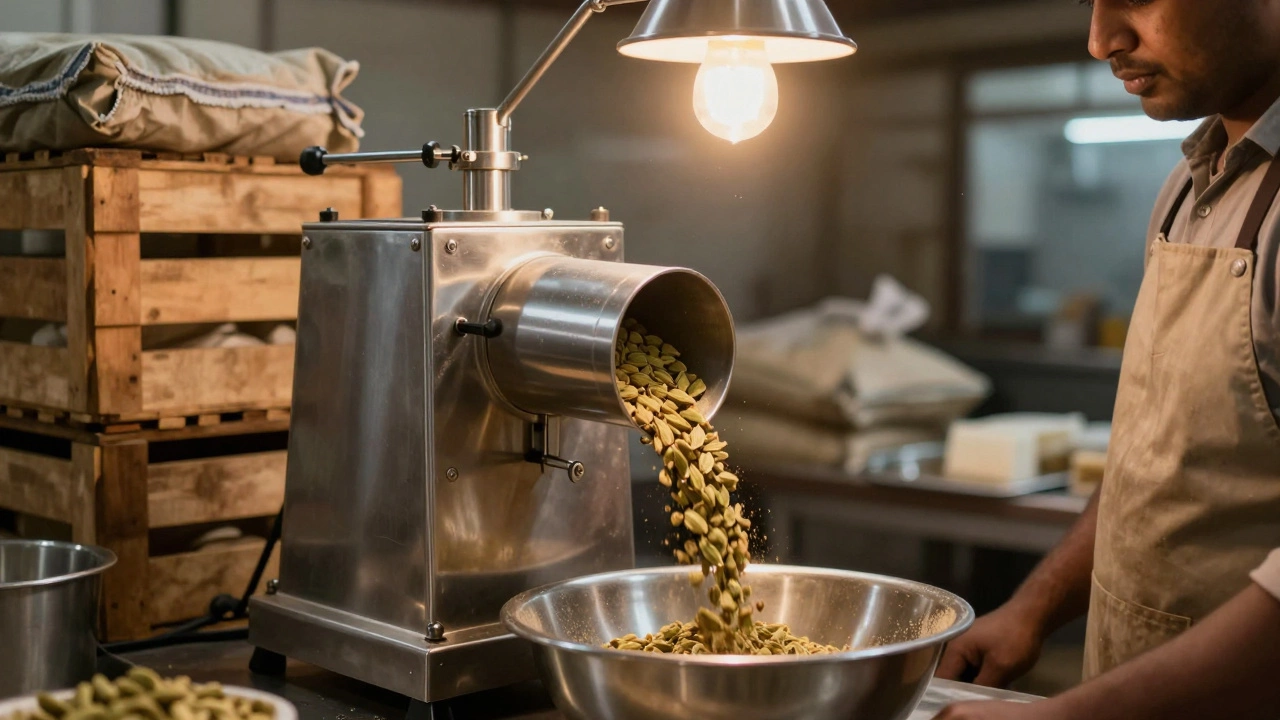
What Is the Difference Between a Processor and a Processing Unit in Food Manufacturing?
Understand the key difference between a food processor and a processing unit in food manufacturing. Learn when to use each, avoid common mistakes, and choose the right equipment for your scale.
Read More