Single-Use Plastic: What It Is, Why It Matters, and How India Is Fighting Back
When you pick up a water bottle, a grocery bag, or a takeaway container, you’re holding something called single-use plastic, a type of plastic designed to be used once and thrown away. Also known as disposable plastic, it’s cheap, lightweight, and convenient—but it’s also one of the biggest environmental problems we face today. Unlike durable plastics that last for years, single-use plastic is meant to be discarded after minutes or hours. And yet, it doesn’t disappear. It lingers—in rivers, oceans, soil, and even the air we breathe.
India is one of the top consumers of single-use plastic in Asia, with over 10 million tons generated every year. Much of it comes from packaging, food service, and retail. Plastic waste, the leftover material after single-use plastic is discarded doesn’t just pile up—it breaks down into microplastics that pollute groundwater and enter the food chain. Plastic manufacturers, companies that produce plastic resins and finished products are under growing pressure to change. Some are investing in alternatives, while others keep producing at full speed, knowing regulations are still patchy.
But things are shifting. Cities like Mumbai and Delhi have banned plastic bags under 50 microns. States like Tamil Nadu and Sikkim have gone further, banning everything from straws to cutlery. Meanwhile, recycling efforts are growing—though they’re still far from catching up. Only about 60% of plastic waste in India gets collected, and even less gets properly recycled. The rest ends up in open dumps or waterways. Plastic pollution, the environmental harm caused by plastic waste isn’t just a problem for nature—it’s a public health crisis. Microplastics have been found in human blood, lungs, and even placentas.
What’s next? The answer isn’t just banning plastic. It’s redesigning how things are made, packaged, and sold. It’s holding big brands accountable. It’s giving small businesses tools to switch to compostable materials. And it’s making recycling easier for everyone—so that when you toss a bottle, it doesn’t vanish into the system but actually gets turned into something new.
Below, you’ll find real stories from India’s manufacturing frontlines: which companies are still pumping out plastic waste, how some are cutting back, what the numbers really show about recycling, and why the number under your water bottle matters more than you think. This isn’t just about guilt. It’s about what you can do—and what’s already being done—to fix this.
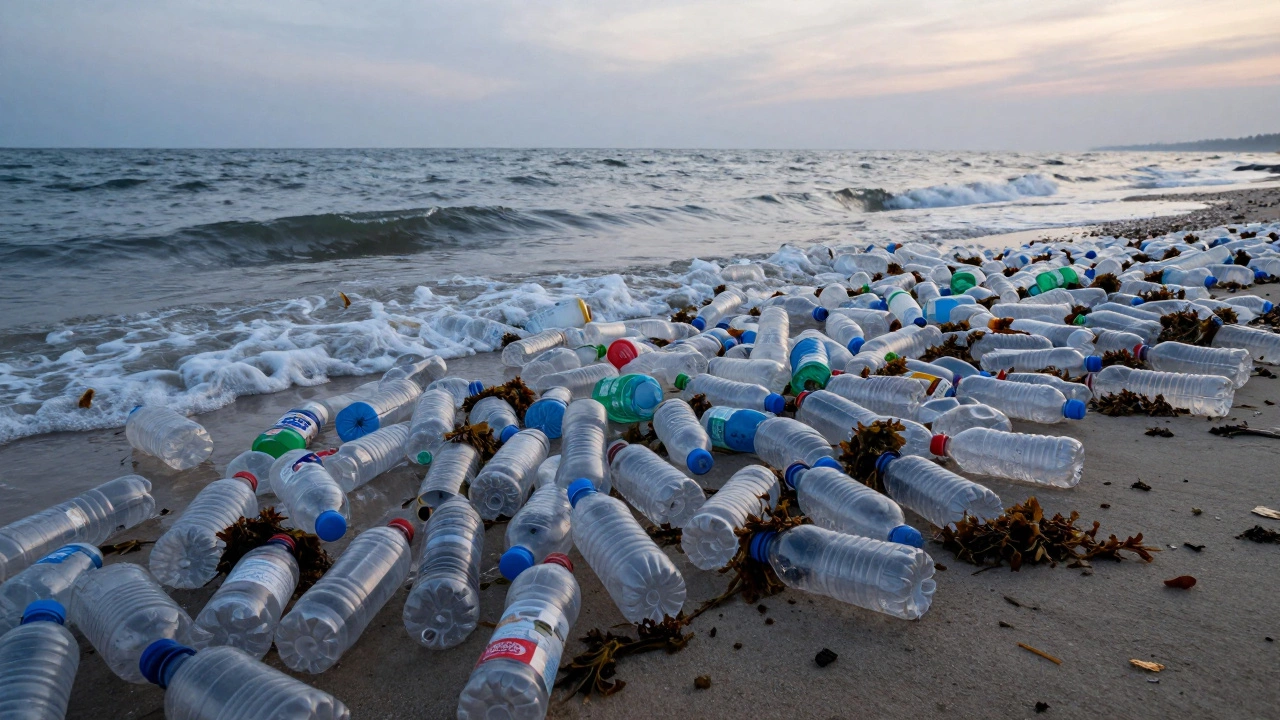
What Is the Most Thrown Away Plastic Item? The Shocking Truth Behind Single-Use Plastics
Plastic water bottles are the most thrown away plastic item on Earth, with over 500 billion used yearly. Less than 10% are recycled. The problem isn't consumers - it's corporate overproduction and broken systems.
Read More