Top Chemicals Imported into India: Key Sectors and Trends for 2026
India Chemical Import Dependency Analyzer
Select a chemical category to see its import dependency profile, primary examples, main source regions, and local production status.
--
India’s chemical industry is a massive engine of the economy, but it doesn’t make everything it uses. In fact, the country relies heavily on imported raw materials to keep its factories running. If you are looking at starting a business or just curious about where the molecules come from, knowing which chemicals are brought in is key. The answer isn't one single substance; it’s a complex mix of basic building blocks and high-value additives that domestic production hasn't fully caught up with yet.
The landscape of Indian chemical trade has shifted significantly over the last decade. While we produce plenty of bulk commodities like sulfuric acid and caustic soda, we still look abroad for specific feedstocks and advanced intermediates. Understanding these gaps helps explain why certain manufacturing sectors in India face cost pressures while others thrive on local availability.
The Big Three: Petrochemical Feedstocks
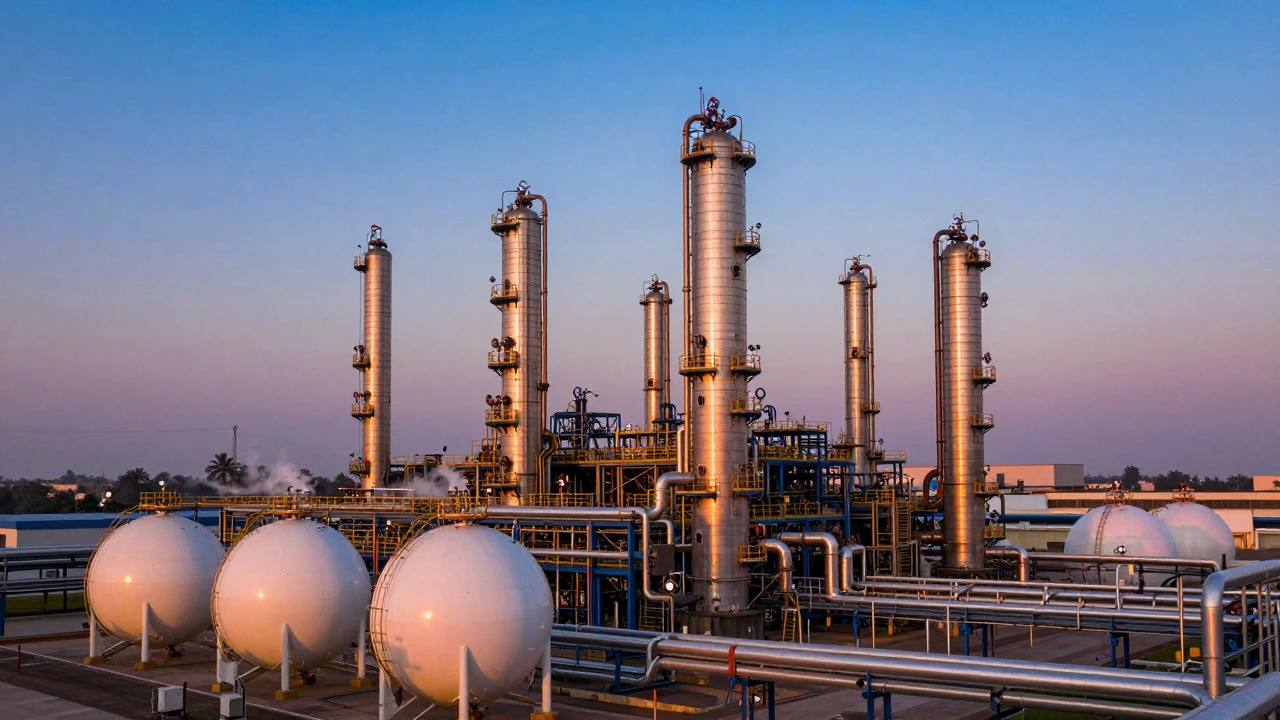
When people ask what is imported, they often think of finished products. But the biggest volume by weight comes from petrochemical feedstocks. These are the raw ingredients used to make plastics, fibers, and coatings. The most critical imports here are Ethylene, Propylene, and Benzene. Although India has large refineries, the capacity for converting crude oil into these specific monomers (building blocks) has historically lagged behind demand.
Ethylene is particularly vital because it is the precursor to polyethylene, the plastic used in everything from shopping bags to water pipes. For years, a significant portion of India's ethylene needs was met through imports from the Middle East and North America. However, this is changing. With new cracker plants coming online in Gujarat and Andhra Pradesh, the dependency on imported ethylene is slowly decreasing, but it remains a top-tier import category due to sheer volume.
Similarly, Liquefied Petroleum Gas (LPG) and Naphtha are frequently imported. Naphtha serves as the primary feedstock for steam crackers. Since India’s refinery-cracker integration was not always optimal, importing naphtha directly allowed companies to run their cracking units efficiently. This flow of hydrocarbons represents a huge chunk of the total chemical import bill.
Specialty Chemicals: The High-Value Gap
Bulk chemicals move in tankers by the thousand tons. Specialty chemicals move in smaller batches but carry a much higher price tag per kilogram. This is where India’s import list gets interesting for manufacturers. These are chemicals designed for specific applications, such as curing agents for tires, dyes for textiles, or catalysts for pharmaceuticals.
A major area of import is Intermediates for the pharmaceutical sector. Even though India is the "pharmacy of the world," producing the final active pharmaceutical ingredient (API) often requires rare or expensive starting materials that are cheaper to source from China, Europe, or Japan. For example, specific amino acids or chiral compounds are often imported because setting up a local plant for low-volume, high-purity production isn't economically viable for many small players.
In the agrochemical space, Active Ingredients (AIs) for pesticides and herbicides are also imported. While India produces a lot of generic pesticides, the novel AIs developed by global giants like Bayer or Syngenta are frequently imported before being formulated locally. This allows Indian formulators to offer modern crop protection solutions without investing billions in R&D for the base molecule.
Key Import Sources and Trade Dynamics
Where do these chemicals come from? The geography of chemical imports tells a story of proximity and policy. China remains the dominant supplier for many organic intermediates and fine chemicals. Its massive industrial scale keeps prices competitive, making it hard for other regions to compete on cost alone.
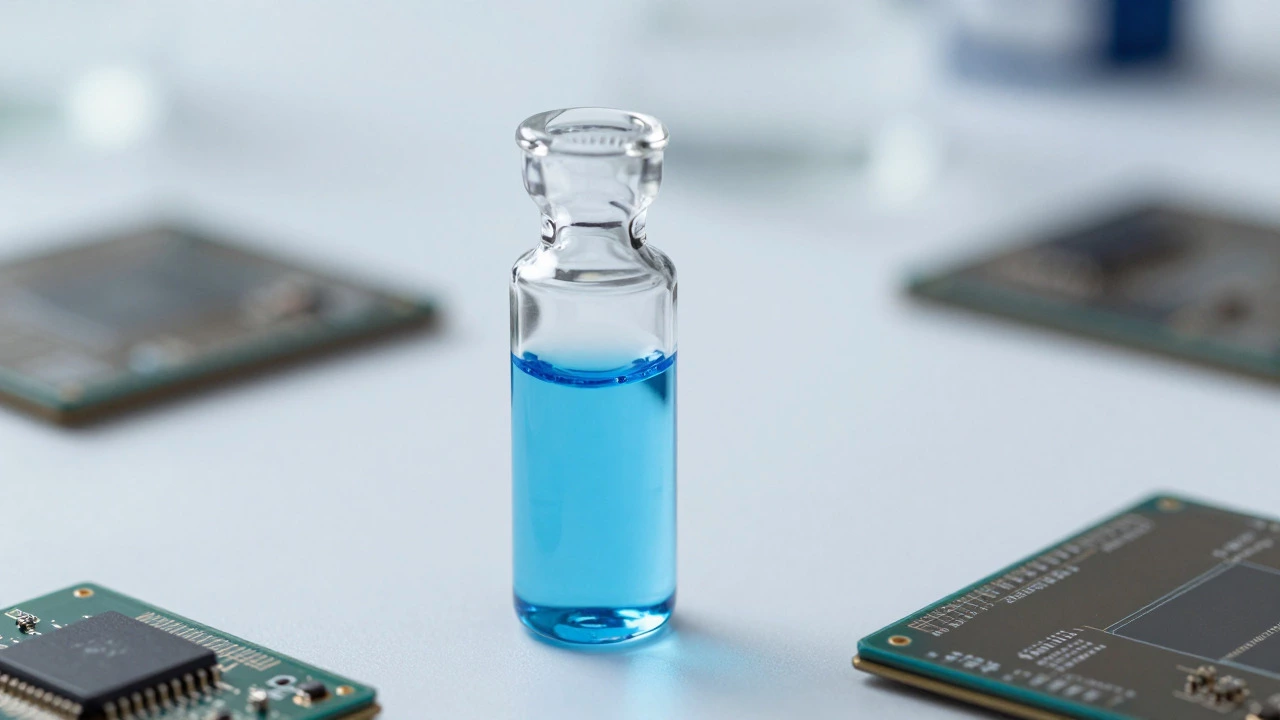
However, the Middle East, particularly Saudi Arabia and United Arab Emirates, dominates the petrochemical feedstock market. Proximity reduces shipping costs and transit times, which is crucial for volatile commodity prices. Additionally, countries like Germany and the USA are significant sources for high-end specialty chemicals, laboratory reagents, and electronic-grade solvents used in semiconductor manufacturing.
Trade policies play a huge role here. The Basic Customs Duty (BCD) structure in India often discourages the import of finished goods to encourage local manufacturing, but it remains relatively low for raw materials and intermediates that aren't produced domestically. This creates a delicate balance: import enough raw material to keep local factories running, but don't import so much that local producers lose their incentive to build capacity.
Impact on Local Manufacturers
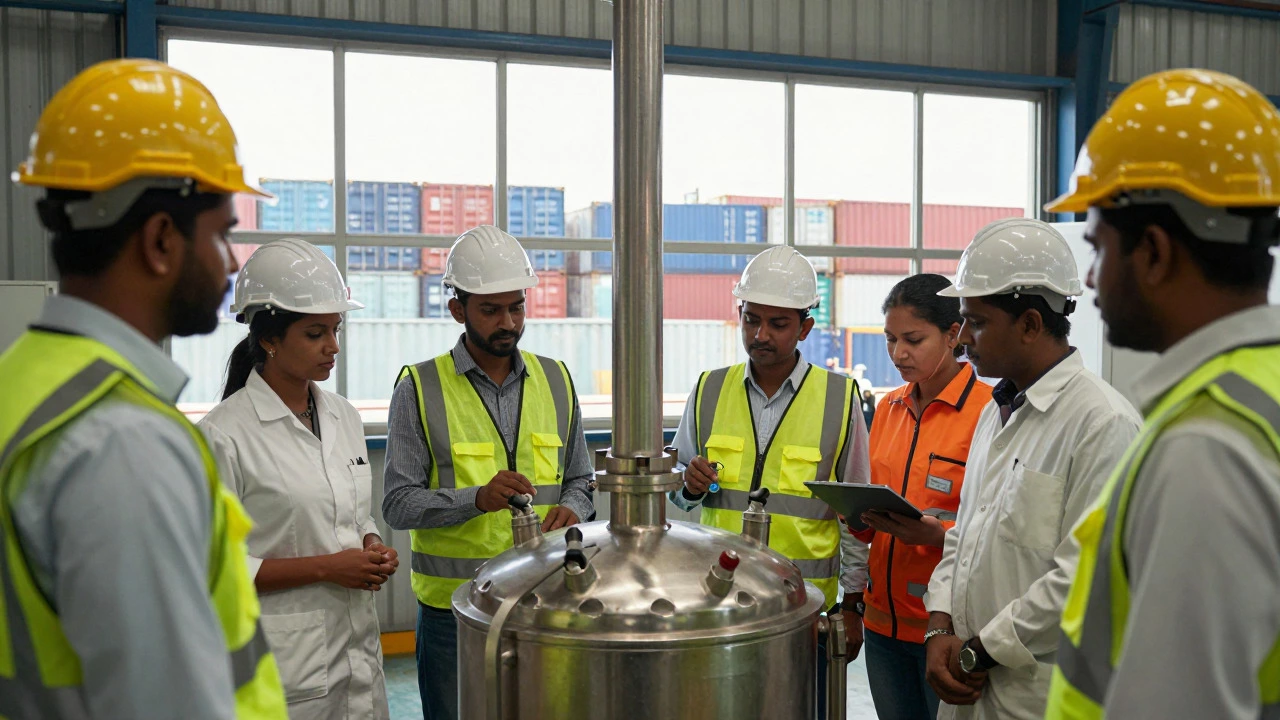
For a local chemical manufacturer, relying on imports brings both opportunities and risks. On one hand, access to global supply chains means you can produce high-quality end-products that meet international standards. On the other hand, you are exposed to currency fluctuations, shipping delays, and geopolitical tensions. A spike in freight rates or a tariff change in a source country can instantly erode your profit margins.
This is why many successful Indian chemical companies focus on "backward integration." Instead of just buying imported intermediates, they invest in producing those very inputs locally. For instance, if a company realizes that a specific dye intermediate is consistently imported from China, they might build a small unit to synthesize it themselves. This vertical integration stabilizes costs and ensures supply continuity, giving them a competitive edge over competitors who remain dependent on external sourcing.
| Category | Primary Examples | Main Source Regions | Local Production Status |
|---|---|---|---|
| Petrochemical Feedstocks | Ethylene, Propylene, Benzene | Middle East, USA | Growing rapidly, but still imports significant volumes |
| Pharma Intermediates | Chiral compounds, Specific Amino Acids | China, Europe | Fragmented, high reliance on imports for niche items |
| Agrochemical AIs | Novel Herbicides, Pesticides | China, Germany, USA | Strong local formulation, but AI imports persist |
| Electronic Chemicals | High-purity Solvents, Photoresists | Japan, USA, Europe | Emerging sector, heavy import dependence |
Trends Shaping Future Imports
As we move through 2026, two major trends are reshaping the import landscape. First is the push for "Make in India" in the chemical sector. Government incentives and easier land acquisition have led to a wave of new greenfield projects. As these plants become operational, the need for imported bulk feedstocks will likely dip, shifting the import profile towards more specialized, higher-value chemicals that are harder to replicate locally.
Second is the rise of the electronics sector. As India positions itself as a hub for semiconductor manufacturing, the demand for Electronic Grade Chemicals is skyrocketing. These require ultra-high purity levels that few local suppliers can guarantee yet. Consequently, imports of specialized solvents, gases, and precursors from Japan and South Korea are expected to grow steadily. This shift indicates a move from importing "commodities" to importing "precision materials."
Frequently Asked Questions
What is the most valuable chemical imported into India?
While petrochemicals dominate by volume, high-purity electronic chemicals and specific pharmaceutical intermediates often hold the highest value per kilogram. However, in terms of total monetary value, petrochemical feedstocks like ethylene and propylene usually top the list due to the massive quantities required for the plastics and packaging industries.
Why does India import so many chemicals if it has a large chemical industry?
India’s strength lies in formulation and bulk commodity production. However, there are gaps in upstream feedstock capacity and downstream high-purity specialty chemicals. It is often cheaper or technically necessary to import raw materials and niche intermediates rather than building dedicated facilities for low-volume, high-complexity products.
Which country supplies the most chemicals to India?
China is typically the largest supplier by variety and volume for organic and fine chemicals. For petrochemical feedstocks, countries in the Middle East like Saudi Arabia and UAE are the primary sources due to geographic proximity and lower logistics costs.
Are tariffs high on chemical imports in India?
Tariffs vary significantly by product code (HS Code). Basic raw materials often have lower duties to support local manufacturing, while finished consumer goods or direct substitutes for local products may face higher duties. It is essential to check the current Basic Customs Duty schedule for specific HS codes before planning imports.
How does the rupee-dollar exchange rate affect chemical imports?
Since most global chemical trade is invoiced in US Dollars, a weaker Indian Rupee increases the landed cost of imports. This can squeeze margins for local manufacturers who rely on imported inputs. Conversely, a stronger Rupee makes imports cheaper, potentially hurting domestic producers who compete with imported goods.