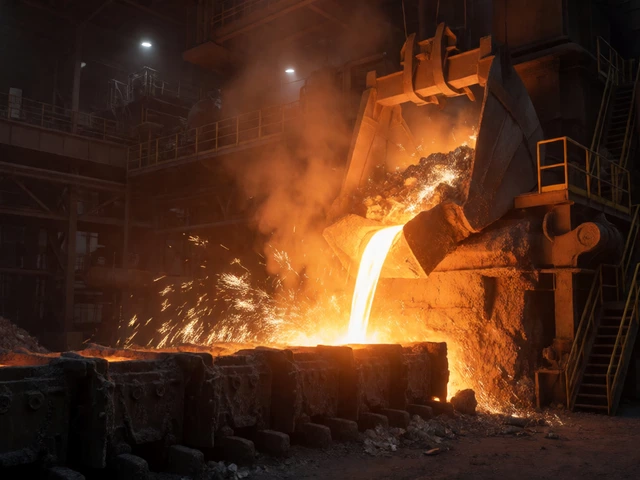
Top Trending Products Consumers Are Buying in 2025
Product Viability Calculator
Assess Your Product Viability
Enter your product details to evaluate potential success based on current market trends in 2025. The tool analyzes growth potential, regulatory requirements, and manufacturing viability.
Viability Assessment
0Ever wonder what shoppers are snapping up right now? Knowing the hottest buys lets a manufacturing startup spot the next big hit before the market gets saturated. Below we break down the product categories that are exploding in 2025, why they matter, and how you can turn those trends into a profitable venture.
Why tracking current buying trends matters
Data from the Australian Bureau of Statistics and global e‑commerce platforms shows that consumer spend shifts faster than ever. In the last 12 months the average basket size grew by 7% while the speed of product adoption (time from launch to 10,000 units sold) dropped from 18 months to just 9. That means a startup that jumps on a trend early can lock in market share before incumbents catch up.
Top three product categories booming in 2025
These categories dominate both online sales dashboards and warehouse floor space across Australia and internationally.
- Electric Vehicles and Micro‑Mobility
- Smart Home & IoT Gadgets
- Health & Wellness Supplies
Electric Vehicles and Micro‑Mobility
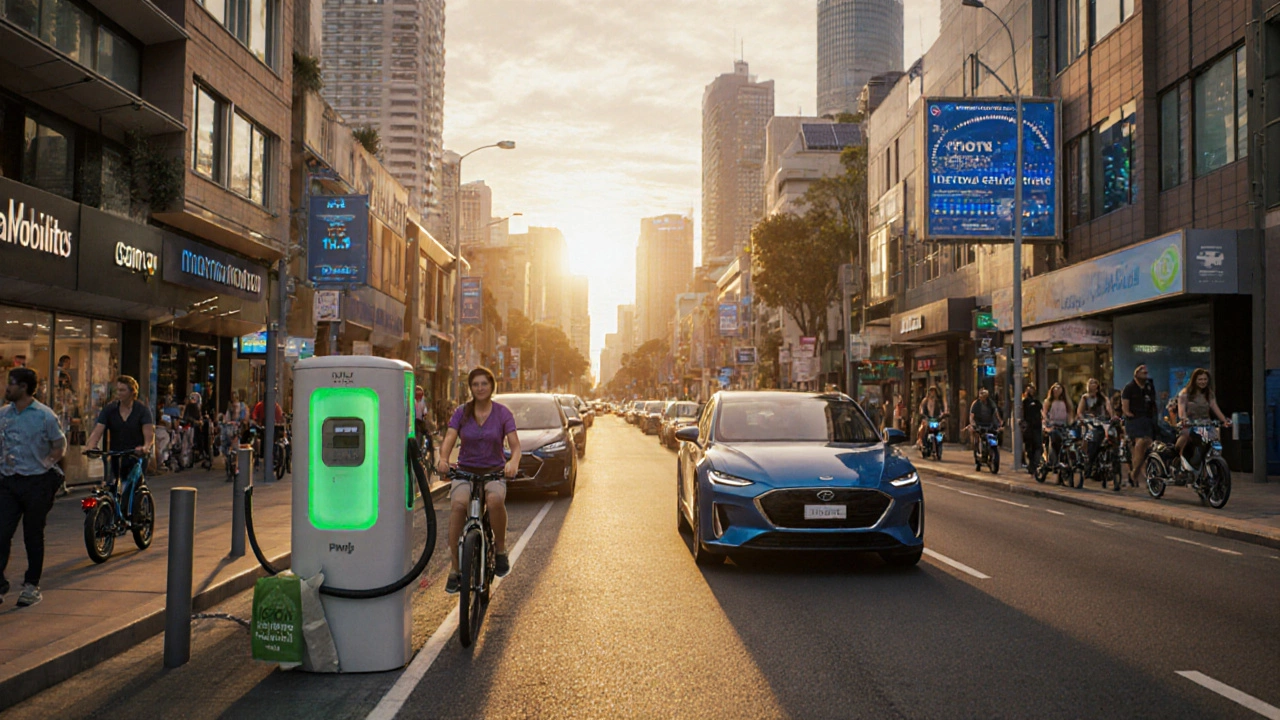
Electric Vehicles are a type of transportation that runs on rechargeable batteries instead of fossil fuels. In 2025, Australia recorded a 38% year‑over‑year increase in EV registrations, thanks to federal rebates and expanding fast‑charge networks. The micro‑mobility segment-e‑scooters, e‑bikes, and compact city cars-accounted for another $2.4 billion in sales, driven by commuters seeking cheaper, greener first‑mile solutions.
Key attributes for manufacturers:
- Battery efficiency: Aim for ≥ 350 Wh/kg to stay competitive.
- Modular design: Enables factories to swap out drivetrain modules without re‑tooling.
- Local compliance: Meet Australian Design Rules (ADR) for safety and emissions.
Smart Home & IoT Gadgets
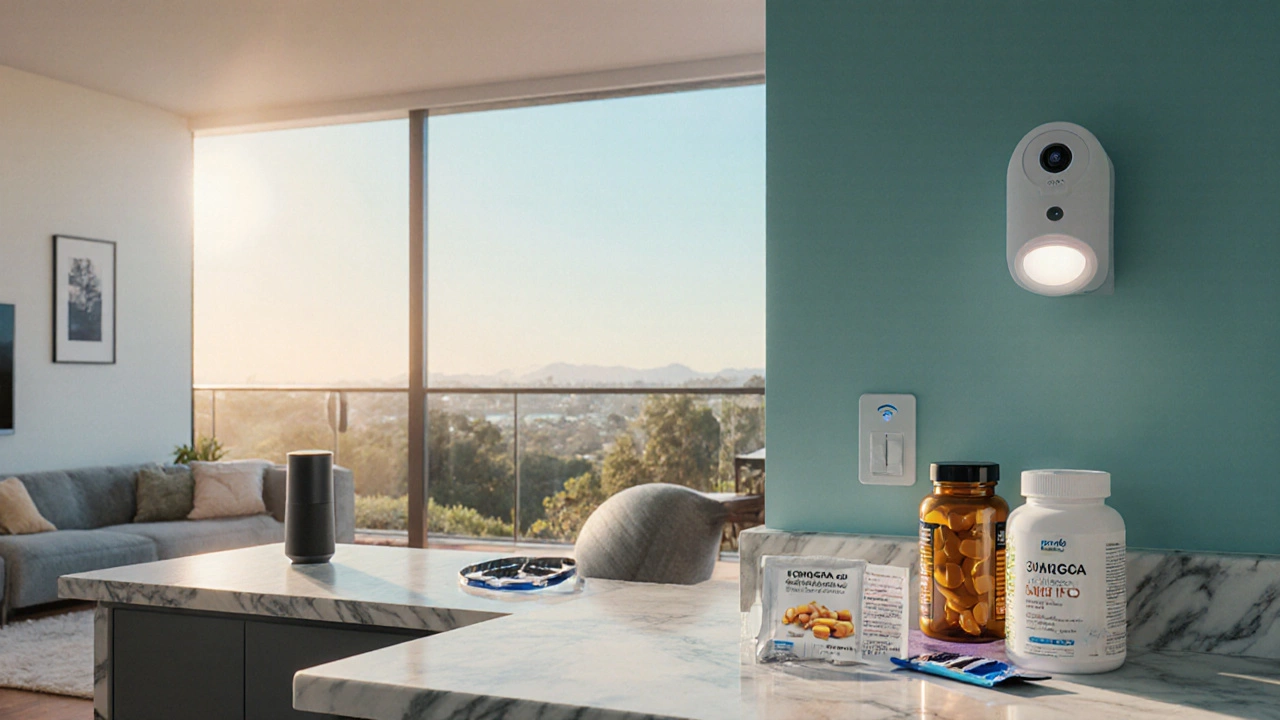
Smart Home Devices are a category of connected appliances that can be controlled remotely via apps or voice assistants. Alexa‑compatible lights, Wi‑Fi security cameras, and AI‑driven thermostats grew 24% in Australian households last year. The underlying trend is “home as a service” - people want convenience, energy savings, and security without hiring a tech specialist.
Manufacturing takeaways:
- Integrate over‑the‑air (OTA) update capability from day one.
- Design for privacy: hardware switches for microphones and cameras are now a buying requirement.
- Leverage local component sourcing to cut lead times under the new Made in Australia incentives.
Health & Wellness Supplies
Health Supplements are a group of vitamins, minerals, and botanicals taken to support everyday wellbeing. Post‑pandemic, Australians spent $1.9 billion on protein powders, omega‑3 capsules, and adaptogenic teas. Two factors drive this surge: growing awareness of preventive health and the rise of subscription‑box delivery models.
Production pointers:
- Adopt GMP‑certified facilities to satisfy TGA (Therapeutic Goods Administration) standards.
- Use transparent labeling-consumers now compare ingredient provenance on the spot.
- Offer flexible packaging (single‑serve sachets, bulk jars) to cater to both trial users and loyal subscribers.
Niche but fast‑growing segments
Beyond the headline categories, five smaller markets show double‑digit growth and low entry barriers.
| Segment | Annual Growth | Average Price (AUD) | Key Driver |
|---|---|---|---|
| Sustainable Packaging | 42% | 0.45 | Consumer demand for zero‑waste products |
| Plant‑Based Foods | 38% | 3.80 | Health consciousness + animal‑free trend |
| Gaming Consoles | 27% | 599 | Next‑gen graphics + cloud gaming subscriptions |
| Fitness Wearables | 31% | 199 | Integration with health insurance incentives |
| Remote Work Tools | 29% | 99 | Hybrid office models staying post‑COVID |
How startups can tap into these trends
Turning a market signal into a manufacturable product involves three practical steps.
- Validate demand with real‑world data. Use tools like Google Trends, Amazon Best Sellers, and local retail POS APIs to confirm that sales spikes are sustained over at least 6 months.
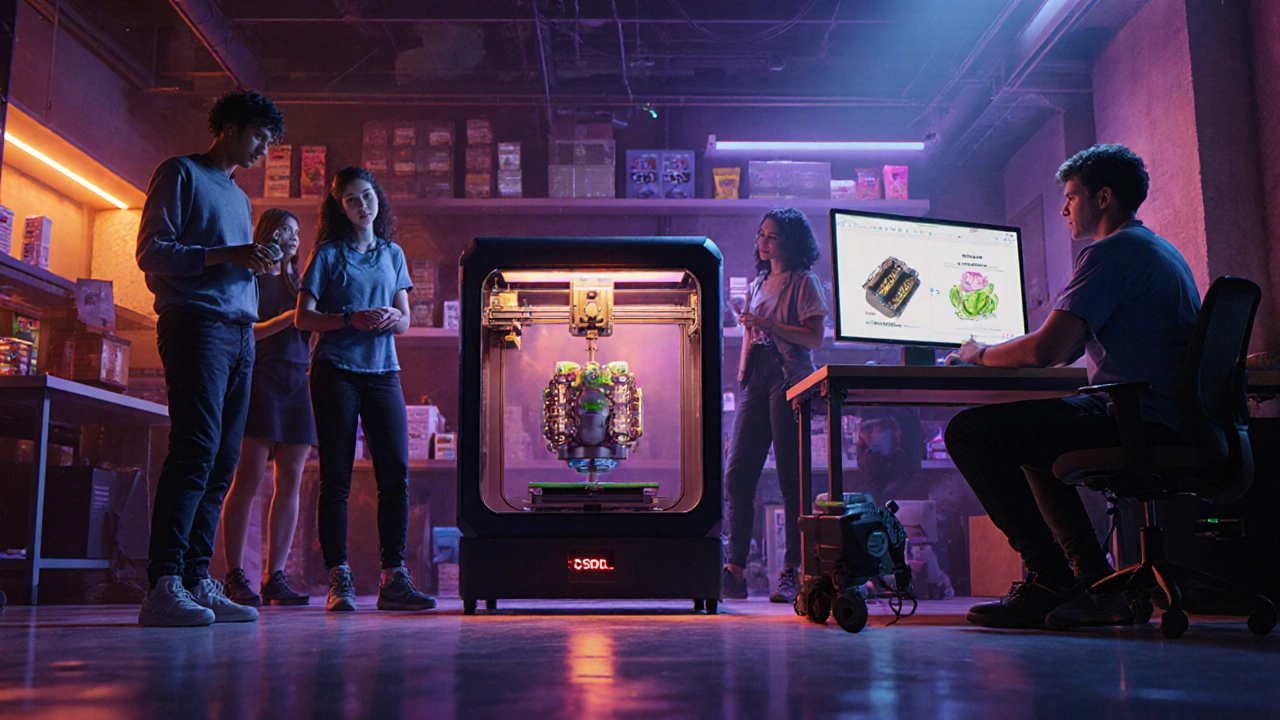
- Prototype fast, iterate faster. Leverage low‑cost CNC machining or 3‑D printing services in Sydney’s tech hubs to create MVPs within weeks, not months.
- Secure supply‑chain resilience. Diversify component sources-especially semiconductors and lithium-by partnering with Australian distributors who have stockpiled inventory under the 2024 “Supply Chain Security” program.
Because Australian consumers favor locally made goods, branding your production as “Made in Australia” can unlock a 12‑15% price premium, according to the 2025 Australian Manufacturing Outlook.
Quick checklist for product validation
- ✅ Identify core customer pain point (e.g., range anxiety for EVs, privacy for smart cameras).
- ✅ Confirm regulatory compliance (ADR for vehicles, TGA for supplements).
- ✅ Test pricing against competitor benchmarks using a simple A/B landing page.
- ✅ Run a small pre‑order campaign to gauge real purchase intent.
- ✅ Map out a 12‑month cash‑flow model including tooling amortization.
Resources & next steps
For deeper data, check out the following reports (available via the Australian Government’s data portal):
- 2025 Consumer Spending Index - detailed breakdown by product category.
- National EV Adoption Forecast - state‑by‑state uptake projections.
- Health Supplement Market Trends - ingredient popularity metrics.
Once you have a validated idea, apply for the Manufacturing Innovation Grant offered by the NSW Ministry of Industry. It covers up to 40% of tooling costs for projects that demonstrate clear market demand.
Which product categories are growing fastest in Australia right now?
Electric vehicles, smart home devices, and health supplements are leading with double‑digit growth rates, while niche segments like sustainable packaging and plant‑based foods are gaining traction as well.
How can a new manufacturer test if a product idea is viable?
Start with market data from Google Trends and Amazon Best Sellers, build a low‑cost prototype using 3‑D printing, run a pre‑order or crowdfunding campaign, and compare the results against a simple financial model.
Do I need special certifications to produce health supplements in Australia?
Yes. Manufacturing health supplements requires a GMP‑certified facility and approval from the Therapeutic Goods Administration (TGA). Without these, you cannot legally sell the product.
What financial incentives are available for Australian manufacturers?
The NSW Manufacturing Innovation Grant covers up to 40% of tooling costs. Additionally, the federal government offers a $5,000 rebate for each EV battery pack produced locally.
Is there a demand for locally made sustainable packaging?
Yes. Consumer surveys indicate that 68% of Australians prefer products packaged in recyclable or compostable materials, driving a 42% annual growth in the sustainable packaging market.