What is the Science of Eating Called? A Guide to Food Science
Food Science Classification Quiz
Can you distinguish between the study of nutrients, the processing of food, and the art of cooking? Test your understanding of the pillars of food science.
Loading question...
Quiz Complete!
You scored 0 out of 5.
You might think eating is just a biological reflex. You get hungry, you eat, you feel full. But have you ever wondered why a specific combination of salt and fat makes potato chips so addictive? Or why your grandmother’s bread recipe fails when you swap butter for oil? The answer lies in Food Science, which is the discipline that studies the physical, chemical, and biological properties of food and the principles underlying food processing. It is not just about cooking; it is about understanding the machinery behind every bite.
Most people confuse this field with simple nutrition or dietetics. They are related, sure, but they aren’t the same thing. Nutrition tells you what nutrients your body needs. Food science explains how those nutrients survive the journey from farm to fork, how they interact with each other, and how we can manipulate them to create better products. If you work in manufacturing, run a bakery, or just love understanding why things taste the way they do, grasping these concepts changes how you see your plate.
The Core Pillars of Food Science
To understand what the science of eating is called, you first need to break down its components. It isn’t one single subject. It is a hybrid field pulling from chemistry, microbiology, engineering, and even psychology. Think of it as a three-legged stool. Remove one leg, and the whole structure wobbles.
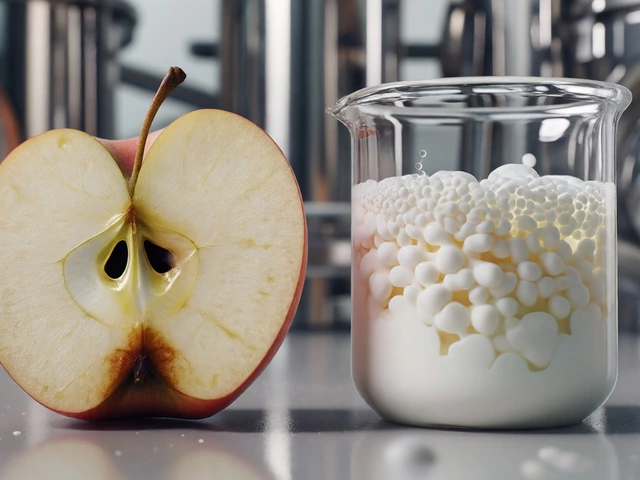
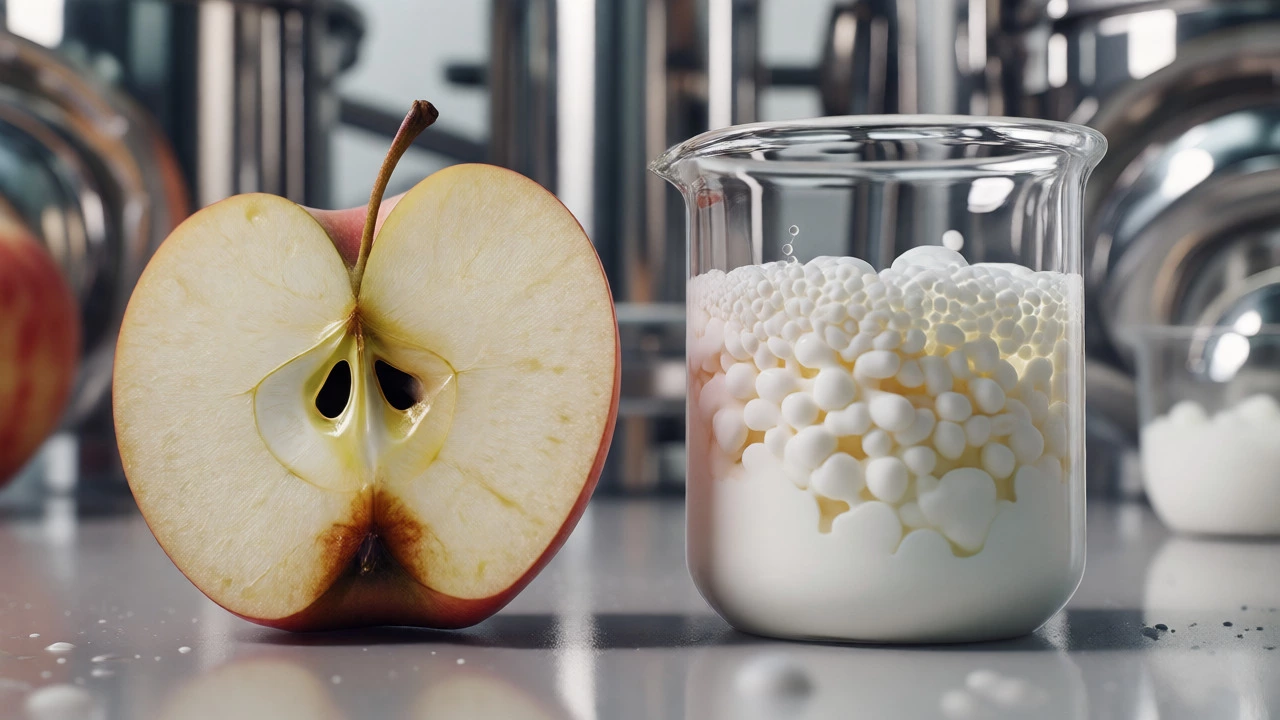
Food Chemistry is the first leg. This deals with the molecular composition of ingredients. Why does an apple turn brown after you cut it? That’s enzymatic browning, a chemical reaction involving polyphenol oxidase. How does milk curdle? That’s protein denaturation caused by acid or heat. In a factory setting, knowing these reactions helps you prevent spoilage and maintain texture.
Food Microbiology handles the invisible players. Bacteria, yeasts, and molds. Some are enemies, causing spoilage or food poisoning. Others are friends, turning grape juice into wine or milk into yogurt. Understanding microbial growth curves allows manufacturers to set precise shelf-life dates. Without this knowledge, you’d either throw away perfectly good food or risk selling something dangerous.
Food Engineering applies physics to production. It answers questions like: How much heat do I need to pasteurize juice without destroying its vitamins? How do I design a conveyor belt that doesn’t crush delicate cookies? This branch bridges the gap between lab-scale recipes and mass-production reality. It ensures consistency across thousands of units.
Sensory Evaluation: The Human Element
Here is where the science gets personal. You can have perfect chemistry and sterile microbiology, but if the product tastes bad, it fails. Sensory Evaluation is the systematic method used to evoke, measure, analyze, and interpret responses to products perceived through the senses of sight, smell, touch, taste, and hearing. It turns subjective opinions like "this tastes nice" into objective data.
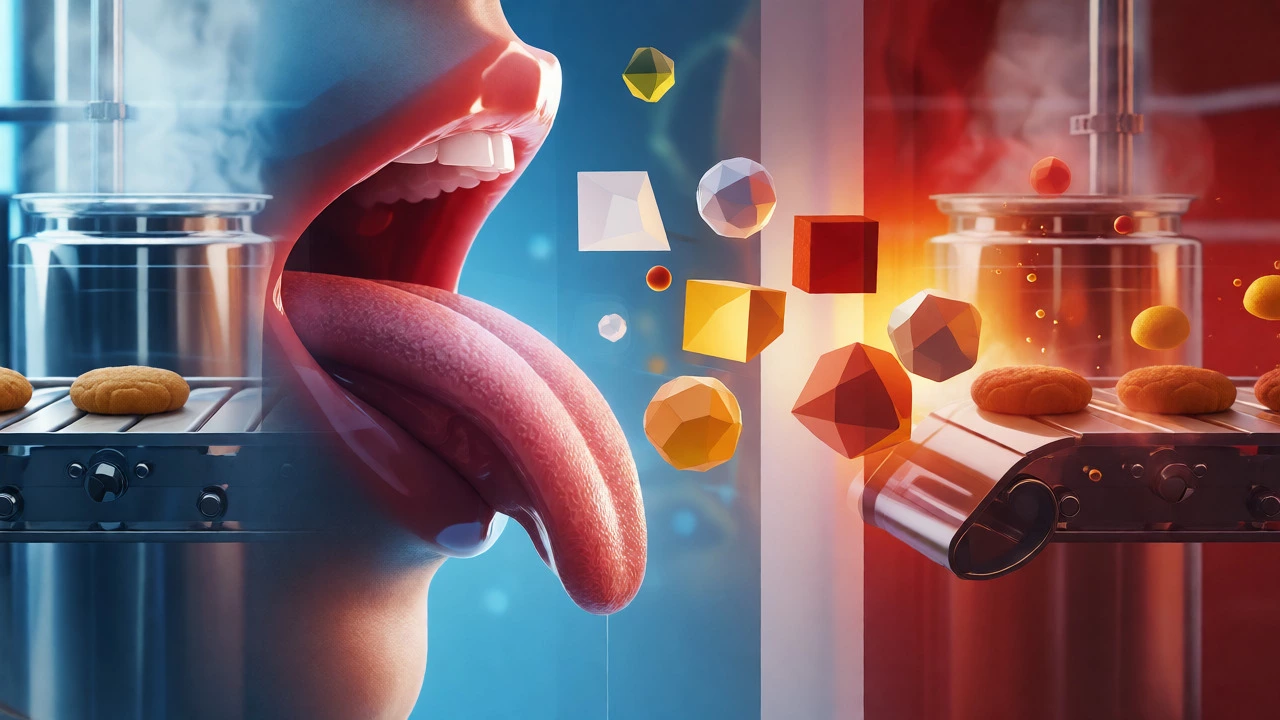
In Sydney, major food brands use sensory panels to test new products before launch. These aren’t random tasters. They are trained individuals who can distinguish between subtle differences in acidity, sweetness, or mouthfeel. For example, a slight change in sugar crystal size can alter how quickly a chocolate bar melts on your tongue. Sensory scientists map these textures using instruments like rheometers, then correlate the data with human feedback.
| Aspect | Traditional Cooking | Scientific Food Processing |
|---|---|---|
| Goal | Immediate consumption, cultural tradition | Consistency, shelf-life, scalability |
| Measurement | "A pinch," "until golden brown" | Grams, degrees Celsius, water activity (aw) |
| Control | Low variability, high skill dependency | High control, standardized protocols |
| Focus | Flavor profile, family preference | Nutrient retention, safety, cost-efficiency |
Why Food Processing Units Rely on Science
If you operate a food processing unit, you are already applying food science, whether you realize it or not. Every step in your line involves scientific principles. Take drying, for instance. You aren’t just removing water; you are lowering Water Activity (aw) below 0.6 to inhibit bacterial growth. If you miss this threshold by even a fraction, mold can develop weeks later, ruining your batch.
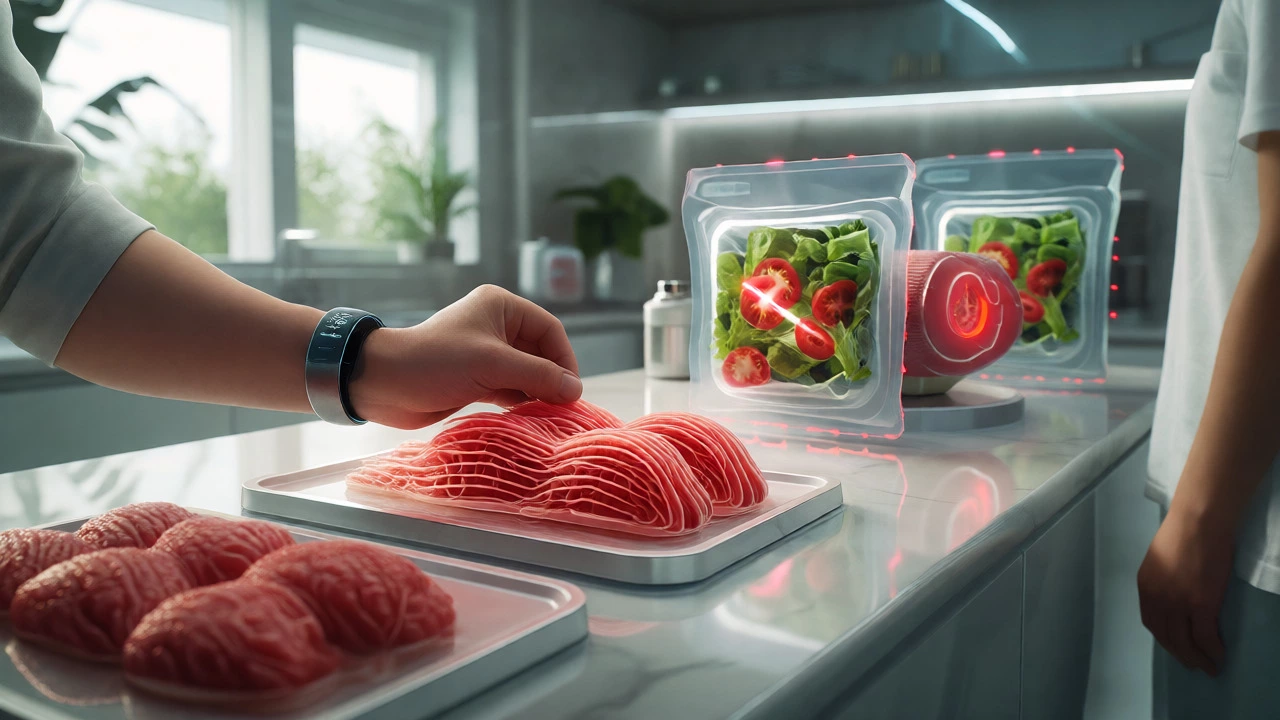
Packaging is another area driven by material science. Modified Atmosphere Packaging (MAP) replaces oxygen with nitrogen or carbon dioxide inside a bag. This slows down oxidation, keeping chips crisp and salads fresh longer. Choosing the right barrier properties for your packaging film requires understanding gas permeability rates-a core concept in food engineering.
Then there is preservation. Canning uses thermal processing to destroy pathogens like Clostridium botulinum. Freezing relies on ice crystal formation dynamics. Quick freezing creates small crystals that don’t rupture cell walls, preserving texture. Slow freezing creates large crystals that damage structure, leading to mushy thawed produce. Knowing these mechanisms helps you choose the right equipment for your budget and quality goals.
Nutrition Science vs. Food Science
A common question is: Isn’t this just nutrition? No. Nutrition Science focuses on how food affects health and metabolism. It asks: Does this vitamin help your immune system? Food Science asks: How do we keep that vitamin stable during heating?
Vitamin C is fragile. It degrades rapidly when exposed to light, heat, and oxygen. A food scientist designs a process-perhaps using vacuum cooling or opaque packaging-to protect Vitamin C. A nutritionist then calculates the dosage needed for health benefits. Both fields collaborate, but their lenses differ. One looks at the molecule’s fate; the other looks at the body’s response.
This distinction matters for labeling too. To claim "high in fiber" on a package, you need accurate analytical methods to measure fiber content. Food scientists develop these assays. If your lab tests are flawed, your legal compliance suffers. Regulatory bodies like FSANZ (Food Standards Australia New Zealand) require precise data, not estimates.
Practical Applications for Manufacturers
How do you apply this knowledge tomorrow? Start with ingredient functionality. Not all flours are equal. Protein content determines gluten strength. High-protein flour suits bread; low-protein flour suits cakes. If you switch suppliers without testing protein levels, your dough elasticity changes, affecting volume and crumb structure.
Use pH meters religiously. Acidity controls flavor, safety, and color. In fruit jams, pectin only gels within a specific pH range (usually 2.8-3.5). Miss this window, and your jam stays liquid. Adjusting citric acid levels is a simple fix, but only if you monitor pH regularly.
Consider emulsification. Mayonnaise is oil suspended in water, held together by egg yolk lecithin. If your emulsion breaks, the product separates. Stability depends on particle size and shear force during mixing. Industrial homogenizers reduce droplet size to microns, preventing separation. Small-scale blenders often fail here, leading to inconsistent batches.
The Future of Eating Science
The field is evolving fast. Alternative proteins, like plant-based meats, rely heavily on food science to mimic animal textures. Extrusion technology aligns plant proteins into fibrous structures that resemble muscle fibers. Fermentation processes create precision dairy proteins without cows. These innovations require deep understanding of protein folding and interaction.
Personalized nutrition is also gaining traction. Wearable tech monitors blood glucose in real-time. Algorithms suggest meals based on individual metabolic responses. Food scientists provide the database of glycemic indices and nutrient profiles that power these apps. The future isn’t just about feeding everyone; it’s about feeding each person optimally.
So, next time you bite into a snack, remember the layers of science involved. From the soil chemistry that grew the wheat, to the microbiology of fermentation, to the engineering of the packaging-it’s all connected. Calling it just "eating" misses the point. It’s a complex interplay of disciplines designed to deliver safety, satisfaction, and sustenance.
Is food science the same as culinary arts?
No, they are distinct but overlapping fields. Culinary arts focus on the preparation and presentation of food for immediate consumption, emphasizing creativity and technique. Food science focuses on the underlying chemical, physical, and biological principles governing food behavior, safety, and preservation. While chefs may use scientific techniques (molecular gastronomy), food scientists typically work in R&D, quality assurance, and industrial processing rather than restaurant kitchens.
What is the difference between food science and nutrition?
Food science studies the food itself-its composition, processing, safety, and shelf life. Nutrition studies the effect of food on the human body, including metabolism, health outcomes, and dietary requirements. Food scientists ensure nutrients remain intact during processing; nutritionists determine how much of those nutrients the body needs for optimal health.
Why is sensory evaluation important in food manufacturing?
Sensory evaluation converts subjective consumer preferences into objective data. It helps manufacturers identify defects, optimize formulations, and ensure consistency. Even if a product meets all chemical and safety standards, it will fail commercially if consumers dislike its taste, texture, or appearance. Sensory panels provide the critical link between technical specifications and market success.
What role does microbiology play in food safety?
Microbiology identifies harmful pathogens (like Salmonella and E. coli) and spoilage organisms. It guides preservation methods such as pasteurization, sterilization, and fermentation. By understanding microbial growth conditions (temperature, pH, moisture), food scientists can design processes that eliminate risks while maintaining quality, ensuring products are safe for consumption throughout their shelf life.
Can home cooks use food science principles?
Absolutely. Understanding basics like Maillard reaction (browning), gelatinization (starch thickening), and emulsification helps home cooks troubleshoot failures and improve results. Using a thermometer, measuring ingredients by weight, and controlling pH can significantly enhance consistency and flavor, bridging the gap between intuitive cooking and reproducible science.