Who Actually Buys the Most Plastic? Top Industries and Global Demand
Industrial Plastic Demand Explorer
Select an Industry
Choose a sector to see its plastic procurement profile:
Click an industry on the left to explore its plastic usage and requirements.
Key Takeaways
- The packaging industry is the largest single consumer of plastic globally.
- Building and construction sectors drive massive demand for durable, long-term polymers.
- The automotive and electronics industries are shifting toward high-performance engineering plastics.
- Consumer goods and healthcare rely on specialized plastics for safety and sterility.
- The trend is moving toward recycled resins (rPET, rHDPE) due to regulatory pressure.
The Heavyweight Champion: Packaging
If we are talking about sheer volume, the Packaging Industry is the undisputed biggest buyer of plastic. It is a massive machine that consumes nearly 40% of all plastic produced globally. Why? Because it is cheap, lightweight, and keeps food fresh. From the shrink-wrap around a pallet of water to the complex multi-layer films used in snack bags, packaging is everywhere.
Within this sector, the demand is split between rigid and flexible plastics. Polyethylene Terephthalate (PET) is the king here, specifically for beverage bottles. Then you have High-Density Polyethylene (HDPE), used for milk jugs and detergent bottles. These plastic manufacturing companies produce resins that are sold in bulk to bottling plants and food processors who need millions of units per month.
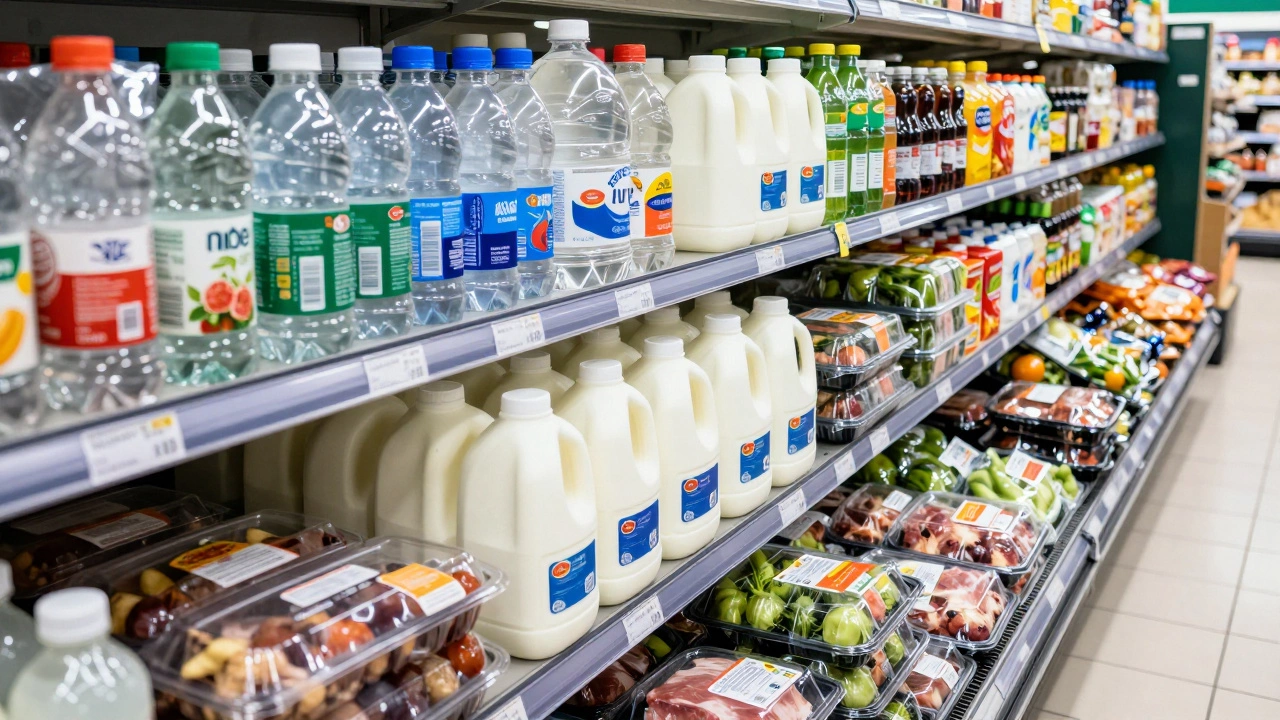
Think about a typical supermarket trip. Every single aisle is a showcase of packaging plastics. The meat trays, the produce wraps, and the plastic tubs for yogurt are all part of this massive procurement cycle. The sheer frequency of replacement-since most packaging is single-use-means this industry never stops buying.
Building and Construction: The Long-Term Buyer
While packaging gets the most attention because it's visible, the Construction Industry is a behemoth in terms of plastic procurement. Unlike a soda bottle that lasts a few hours, construction plastics are designed to last 50 years. This means the volume per project is enormous.
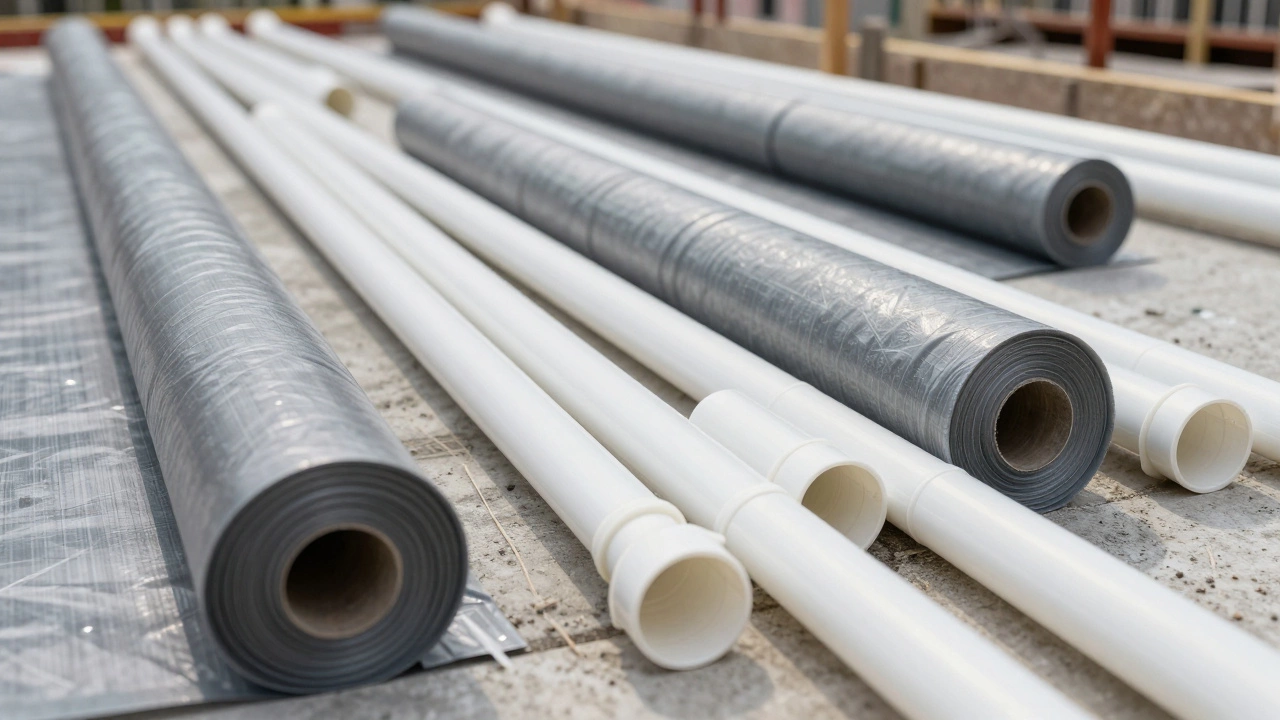
One of the biggest drivers here is Polyvinyl Chloride (PVC). It is the go-to material for piping, window frames, and electrical cable insulation. If you look at a modern house, the plumbing system is essentially a massive network of PVC. Another big player is Polypropylene (PP), used for everything from weather-stripping to synthetic flooring.
The construction sector buys plastic in different forms-massive rolls of membrane, miles of piping, and huge sheets of insulation. This creates a steady, high-volume demand that is less affected by short-term consumer trends and more tied to national infrastructure spending and housing starts.
Automotive and Electronics: Engineering for Performance
In the world of cars and gadgets, plastic isn't just about cost; it's about weight and performance. The Automotive Industry has replaced a huge amount of metal with plastic to make vehicles lighter and more fuel-efficient. This shift has made car manufacturers some of the most sophisticated buyers of "engineering plastics."
They aren't just buying basic PE or PP. They want Acrylonitrile Butadiene Styrene (ABS) for dashboards and Polycarbonate (PC) for headlights because of its impact resistance and clarity. When a company like Toyota or Tesla designs a new model, they specify exact polymer blends that must meet strict heat and stress tests.
Similarly, the Electronics Industry buys massive quantities of flame-retardant plastics. Your laptop chassis, your smartphone frame, and the insulation on your charger cables are all plastic-based. These buyers prioritize precision and thermal stability over raw volume, but the scale of global electronics production ensures the total tonnage remains huge.
| Industry | Primary Plastic Used | Key Attribute Needed | Lifespan of Product |
|---|---|---|---|
| Packaging | PET, HDPE, LDPE | Low Cost, Barrier Properties | Short (Days/Weeks) |
| Construction | PVC, PP | Durability, Weather Resistance | Long (Decades) |
| Automotive | ABS, Polycarbonate, PP | Weight Reduction, Strength | Medium (10-20 Years) |
| Healthcare | Medical-grade PVC, PP | Sterility, Biocompatibility | Very Short (Single Use) |
Healthcare and Textiles: The Specialized Consumers
You might not think of a hospital as a major plastic buyer, but the Healthcare Sector is an absolute powerhouse for specialized polymers. Sterility is the non-negotiable requirement here. Syringes, IV bags, catheters, and surgical gowns are almost all plastic. Many of these are high-value, medical-grade plastics that command a premium price.
The demand in healthcare is driven by the shift toward disposable medical devices. Instead of sterilizing a metal tool, hospitals now buy millions of single-use plastic versions to prevent cross-contamination. This has created a permanent and growing market for plastics that can withstand autoclave sterilization or gamma-ray irradiation.
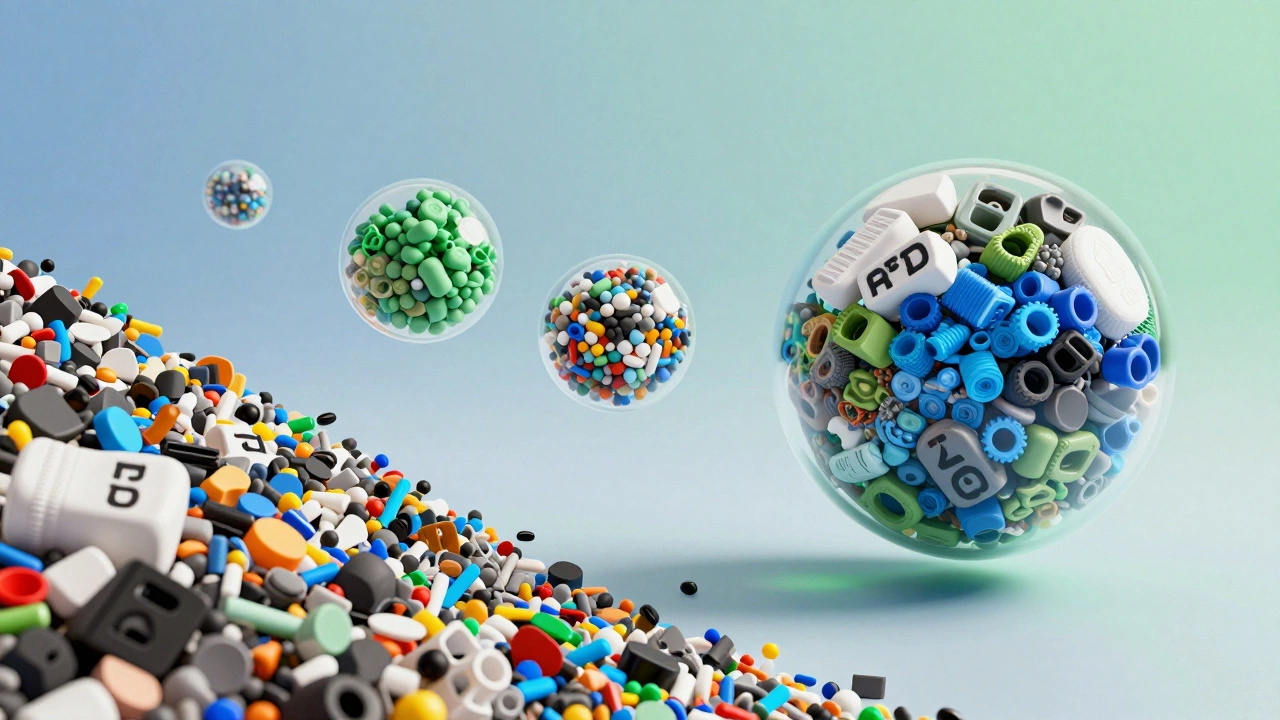
Then there is the Textile Industry. We often forget that "clothes" are often just plastic. Polyester and Nylon are synthetic polymers. Every time you buy a gym shirt or a fleece jacket, you are indirectly buying plastic. The textile industry buys polymers in the form of pellets, which are then spun into fibers. This is one of the most invisible but highest-volume plastic streams in the world.
The Shift to Circular Procurement
For years, the biggest buyers just wanted the cheapest virgin plastic. But things are changing. Regulations in Europe and North America are forcing companies to include a percentage of recycled content in their products. This has created a new market: the buyers of Recycled Plastics.
Major beverage companies are now competing to buy rPET (recycled PET) to meet their corporate sustainability goals. This has turned the waste management industry into a critical part of the supply chain. Instead of just buying from a chemical plant, companies are now partnering with recycling centers to ensure a steady flow of high-quality recycled resins.
We are also seeing the rise of Bioplastics. These are polymers derived from renewable biomasses, like corn starch or sugarcane. While they currently make up a small fraction of total demand, buyers in the food-service industry (straws, cutlery, takeout containers) are switching rapidly as public pressure against traditional plastics grows.
Is the government a big buyer of plastic?
Indirectly, yes. Governments buy massive amounts of plastic through public works projects-think of the PVC piping for city water mains or the plastic barriers used in road construction. While they aren't "manufacturers," their procurement contracts drive a huge portion of the construction plastic market.
Which specific plastic is the most bought?
Polyethylene (PE) is generally the most produced and purchased plastic globally. It comes in several forms, including LDPE (low-density) for bags and HDPE (high-density) for bottles, making it versatile enough for almost every industry.
Do electronics companies use more plastic than car companies?
In terms of raw tonnage, the automotive industry usually consumes more because cars are much larger than phones or laptops. However, electronics buyers often pay more per kilogram because they require high-precision, flame-retardant engineering plastics.
How does the textile industry count as a plastic buyer?
Polyester is a polymer made from petroleum. When a textile mill buys polyester chips to melt and spin into thread for shirts and sheets, they are effectively buying the same raw materials that a plastic bottle manufacturer uses.
Are companies moving away from virgin plastics?
Yes, many are. Due to "Extended Producer Responsibility" (EPR) laws, companies are now legally required in many regions to use recycled content or fund the collection of their packaging, shifting demand toward recycled resins.
Next Steps for Plastic Procurement
If you are looking at the plastic market from a business perspective, the biggest opportunity isn't in virgin plastics-it's in the transition. Companies that can provide high-quality, consistent recycled alternatives to PET or PP will be the winners in the next decade.
For those in manufacturing, the move is toward "mono-materials." Instead of using five different types of plastic in one package (which makes recycling impossible), buyers are looking for a single material that can do everything. This simplifies the supply chain and makes the end product much more attractive to environmentally conscious consumers.