How to Start a Manufacturing Business with Zero Money: 7 Low-Cost Ideas

Zero-Capital Manufacturing Profit Calculator
Select a model to auto-fill estimated material costs based on industry averages.
Profit Per Unit
Net Profit Margin
Total Monthly Revenue
Estimated Net Monthly Income
$0.00
Based on selling 0 units per month at $0.00 each.
You want to build something real. You want to create products that people use every day. But you look at your bank account and see zeros where the numbers should be. Most people think you need a factory, heavy machinery, and investors to start a manufacturing business is a venture that transforms raw materials into finished goods for sale. The truth is different. Some of the biggest brands started in garages or kitchens. If you are looking for manufacturing startup ideas that require no upfront capital, you have options. You just need to trade time and skill instead of cash.
Starting with no money means you cannot buy inventory before you sell it. This changes how you operate. You must use models that delay costs until after you get paid. It also means you rely on free tools and existing resources. Many entrepreneurs overlook this path because they believe manufacturing requires scale from day one. That belief keeps them stuck. Let’s break down how to actually do it.
The Pre-Sale Model: Sell Before You Build
The most reliable way to start manufacturing with zero funds is the pre-sale model. You find customers first. You take their payment. Then you use that money to buy materials and make the product. This eliminates financial risk completely. You never spend your own cash.
This works best for custom or semi-custom items. Think about personalized gifts, specialized parts, or niche accessories. People who want unique items often pay upfront because they value exclusivity. You can showcase designs using free digital tools. Platforms like Canva or Blender allow you to create mockups without spending a dime. Show these visuals to potential buyers. Once they commit, order the materials. Make the item. Deliver it. Repeat.
For example, imagine you want to start making wooden cutting boards. Instead of buying lumber, you post designs on social media. You charge $50 per board. When five people order, you have $250. You go to a local supplier, buy the wood, cut it, sand it, and seal it. You deliver the boards. Your profit covers your next batch. This cycle builds slowly but safely.
Leveraging Free Online Marketplaces
You do not need a website to start selling manufactured goods. Established platforms handle traffic and payments for free. Etsy, eBay, and Facebook Marketplace connect you directly with buyers. These sites charge fees only when you make a sale. There is no monthly subscription required.
Etsy is particularly strong for handmade and craft-based manufacturing. If you can sew, knit, carve, or assemble, you can list products here. The key is to optimize your listings. Use clear photos taken with your smartphone. Write detailed descriptions. Include relevant keywords so shoppers can find you. Consistency matters more than perfection. List new items regularly to stay visible.
Facebook Marketplace is great for local sales. Shipping costs eat into profits, especially for bulky items. Selling locally avoids shipping fees entirely. You can manufacture furniture, home decor, or even small appliances in your garage and sell them within your city. Cash transactions mean instant liquidity. You reinvest those earnings immediately into better materials or tools.
Drop Servicing as a Manufacturing Proxy
If you lack physical skills, you can still enter the manufacturing space through drop servicing. This involves finding clients who need custom products and outsourcing the actual production to freelancers. You act as the project manager and quality controller. You keep the difference between what the client pays and what you pay the freelancer.
Find skilled makers on platforms like Fiverr or Upwork. Negotiate rates that leave room for your margin. Pitch your services to businesses or individuals who need prototypes, custom signage, or specialized components. You handle communication and design specifications. The freelancer does the work. You deliver the final product under your brand name.
This approach requires strong organizational skills. You must ensure deadlines are met and quality standards are maintained. Mistakes cost reputation, which is hard to rebuild. Start with small projects to test the workflow. As you gain confidence, scale up by hiring multiple freelancers for larger orders.
Low-Cost Home-Based Manufacturing Ideas
Certain industries lend themselves well to home-based operations with minimal equipment. Here are seven specific ideas that fit the zero-money constraint:
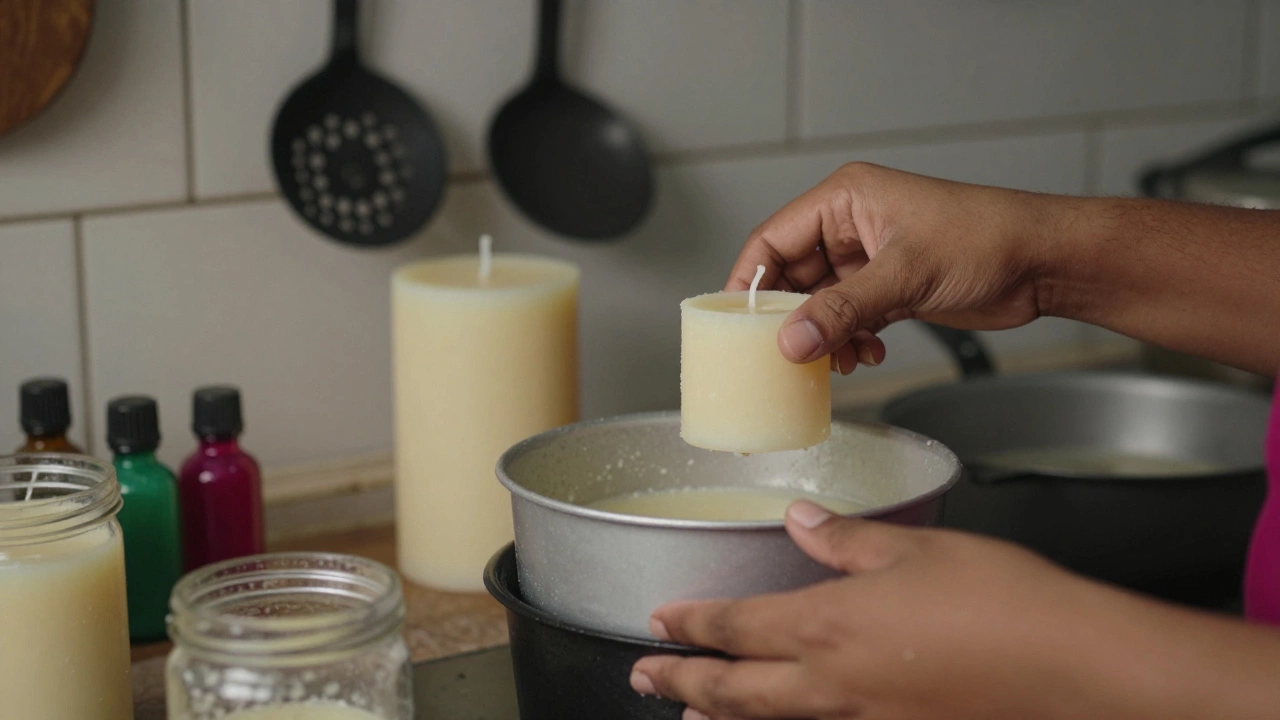
- Candle Making: Wax, wicks, and fragrance oils are inexpensive. You can melt wax in a double boiler setup made from pots you already own. Package candles in recycled jars. Sell them at local markets or online.
- Soap Crafting: Similar to candles, soap making requires basic ingredients. Cold process methods yield high-quality bars. Natural and organic soaps command premium prices.
- Print-on-Demand Apparel: Partner with print-on-demand services. Design t-shirts, hoodies, or tote bags digitally. The service prints and ships only when an order comes in. You earn a commission per sale.
- Handmade Jewelry: Beads, wire, and findings cost pennies per unit. Creative designs sell for dollars. Social media drives discovery. Instagram and Pinterest are powerful marketing channels.
- Custom Stickers and Decals: A used printer and vinyl sheets suffice. Stickers are popular among influencers and small businesses. Bulk orders provide steady income.
- Packaged Food Items: Jams, pickles, or spice blends can be made in home kitchens if local regulations allow. Check food safety laws in your area. Homemade gourmet foods appeal to health-conscious consumers.
- Upcycled Furniture: Source discarded furniture from curbsides or thrift stores. Sand, paint, and refinish. Resell for significant profit. Creativity determines value.
Each idea relies on low-cost inputs and high-margin outputs. Focus on one niche initially. Master it before expanding. Diversification spreads focus thin when resources are scarce.
Marketing Without a Budget
Traditional advertising burns cash fast. Organic growth takes time but costs nothing. Leverage social media algorithms to reach audiences. Post consistently. Engage with followers. Share behind-the-scenes content showing your manufacturing process. Authenticity builds trust.
Content marketing amplifies visibility. Write blog posts about your craft. Answer questions related to your product category. Optimize articles for search engines using long-tail keywords. For instance, instead of targeting "soap," target "organic lavender soap recipe." Lower competition means easier ranking.
Collaborate with micro-influencers. Offer free products in exchange for reviews or shoutouts. Their audiences trust their recommendations. Word-of-mouth referrals generate qualified leads. Encourage satisfied customers to leave testimonials. Display these prominently on your sales pages.
Participate in community events. Local fairs, craft shows, and pop-up markets expose your products to nearby residents. Networking opens doors to wholesale opportunities. Building relationships with shop owners can lead to consignment deals where you supply goods and get paid upon sale.
Scaling Gradually
Reinvest profits wisely. Do not splurge on luxuries early on. Prioritize tools that increase efficiency or capacity. Buy a better saw, a faster mixer, or professional packaging supplies. Small upgrades compound over time.
Hire help when demand exceeds your ability to fulfill orders alone. Start with part-time assistants or family members. Formalize roles as the business grows. Document processes to ensure consistency. Standard operating procedures reduce errors and training time.
Expand product lines cautiously. Introduce variations based on customer feedback. If floral candles sell well, try seasonal scents. Test new concepts with limited batches. Measure response before committing fully. Data-driven decisions minimize waste.
Consider automation eventually. Simple machines replace repetitive manual labor. Investment returns quickly through increased throughput. However, maintain hands-on involvement to preserve quality control. Personal touch differentiates small manufacturers from mass producers.
| Model | Initial Cost | Skill Requirement | Time to First Sale | Scalability |
|---|---|---|---|---|
| Pre-Sale Custom Goods | $0 | High (Craftsmanship) | Medium | Low to Medium |
| Print-on-Demand | $0 | Low (Design) | Fast | High |
| Drop Servicing | $0 | Medium (Management) | Medium | Medium |
| Home-Based Craft | Minimal | Variable | Slow | Low |
Choosing the right model depends on your strengths. Are you creative? Try custom goods. Organized? Drop servicing fits. Tech-savvy? Print-on-demand offers ease. Match strategy to personality for sustainable success.
A Note on Global Opportunities
Sometimes inspiration strikes from unexpected places. While researching market trends, I stumbled upon a directory listing independent professionals across various cities. It reminded me that service-based economies thrive alongside manufacturing. Whether you're crafting goods or connecting clients with verified providers, understanding diverse business ecosystems broadens your perspective. You can explore such global directories at almatyeliteescorts.org/ to see how other industries structure their offerings and manage bookings efficiently.
Common Pitfalls to Avoid
Many aspiring manufacturers fail due to poor planning. Underpricing products erodes margins. Calculate all costs including materials, labor, and platform fees. Add a healthy profit buffer. Never compete solely on price. Compete on quality and uniqueness.
Ignoring legal requirements invites trouble. Register your business name. Obtain necessary permits. Comply with tax obligations. Consult local authorities regarding zoning laws for home-based operations. Penalties disrupt growth and drain resources.
Burnout kills momentum. Working excessively long hours leads to mistakes and dissatisfaction. Set boundaries. Schedule breaks. Delegate tasks when possible. Sustainable pace ensures longevity. Health precedes wealth.
Final Thoughts on Starting Small
Starting a manufacturing business with no money is challenging but achievable. It demands creativity, discipline, and patience. You trade comfort for equity. Every hour invested builds asset value. Progress may seem slow initially. Momentum accelerates as systems solidify.
Focus on solving problems. Identify gaps in the market. Create solutions that resonate. Listen to customers. Iterate based on feedback. Continuous improvement separates amateurs from professionals. Stay curious. Keep learning. Adapt to changing conditions.
Your journey begins with a single step. Choose an idea. Execute it flawlessly. Refine repeatedly. Success favors action over hesitation. Build something meaningful today.
Can I really start a manufacturing business with absolutely zero money?
Yes, by using models like pre-sales, print-on-demand, or drop servicing. These approaches allow you to collect payment before incurring costs. You leverage free platforms and existing resources to begin operations without initial capital investment.
What are the best manufacturing ideas for beginners with no budget?
Candle making, soap crafting, handmade jewelry, and print-on-demand apparel are excellent starting points. They require minimal equipment and raw materials. Skills can be learned via free online tutorials. Profit margins remain healthy despite low entry barriers.
How do I find customers without spending money on ads?
Utilize organic social media strategies. Post engaging content consistently on Instagram, TikTok, and Pinterest. Participate in relevant online communities. Collaborate with micro-influencers for exposure. Attend local markets to network face-to-face. Word-of-mouth referrals grow steadily over time.
Is drop servicing considered manufacturing?
Technically, it falls under service arbitrage rather than traditional manufacturing. However, it functions similarly by delivering tangible products to end-users. You manage the supply chain and branding while others handle production. It serves as a viable entry point into the broader manufacturing ecosystem.
Do I need a physical storefront to sell manufactured goods?
No, e-commerce platforms eliminate the need for brick-and-mortar locations. Websites like Etsy, Amazon Handmade, and Shopify offer accessible storefronts. Local sales through Facebook Marketplace or community events further reduce overhead costs. Digital presence reaches wider audiences globally.
How long does it take to make my first profit?
Timeline varies based on effort and niche selection. With consistent daily activity, many entrepreneurs secure their first sale within two to four weeks. Scaling profits requires refining processes and increasing volume. Patience and persistence accelerate financial returns.
What legal steps should I take when starting out?
Register your business entity according to local laws. Obtain required licenses and permits. Separate personal and business finances by opening a dedicated bank account. Understand tax responsibilities. Compliance protects against future liabilities and establishes credibility with customers and partners.

Recent Posts
-

India's Oldest Pharma Company: A Look at Bengal Chemicals & Pharmaceuticals
-

Which Indian Wood is Strongest? A Guide for Furniture Makers
-

Who is the Largest Steel Fabricator in the United States?
-

Who is the Main Exporter of Plastic? Top Countries and Companies in 2026
-

Why Did Chevrolet Leave India? The GM Exit Explained