Who Is the Largest Producer of Single-Use Plastic? Top Companies and Countries Ranked
Single-Use Plastic Impact Estimator
Daily Habits Input
Why Calculate?
Understanding individual consumption helps visualize the scale of demand driving companies like Coca-Cola and Sinopec.
Your Estimated Annual Plastic Footprint
You might assume that the company selling your grocery bags or water bottles is the biggest source of single-use plastic. But if you look at the supply chain, the real giants are much further upstream. The title of largest producer of single-use plastic doesn't belong to a single brand like Coca-Cola or Nestlé, but rather to massive petrochemical conglomerates and specific countries that manufacture the raw materials used in disposable goods.
To understand who is actually responsible for the mountain of plastic waste clogging our oceans and landfills, we have to separate two different concepts: the producers of the raw plastic resin (the chemical companies) and the brands that package their products in it (the consumer goods companies). Both play a critical role, but they operate at different levels of the industry.
The Petrochemical Giants: Who Makes the Raw Material?
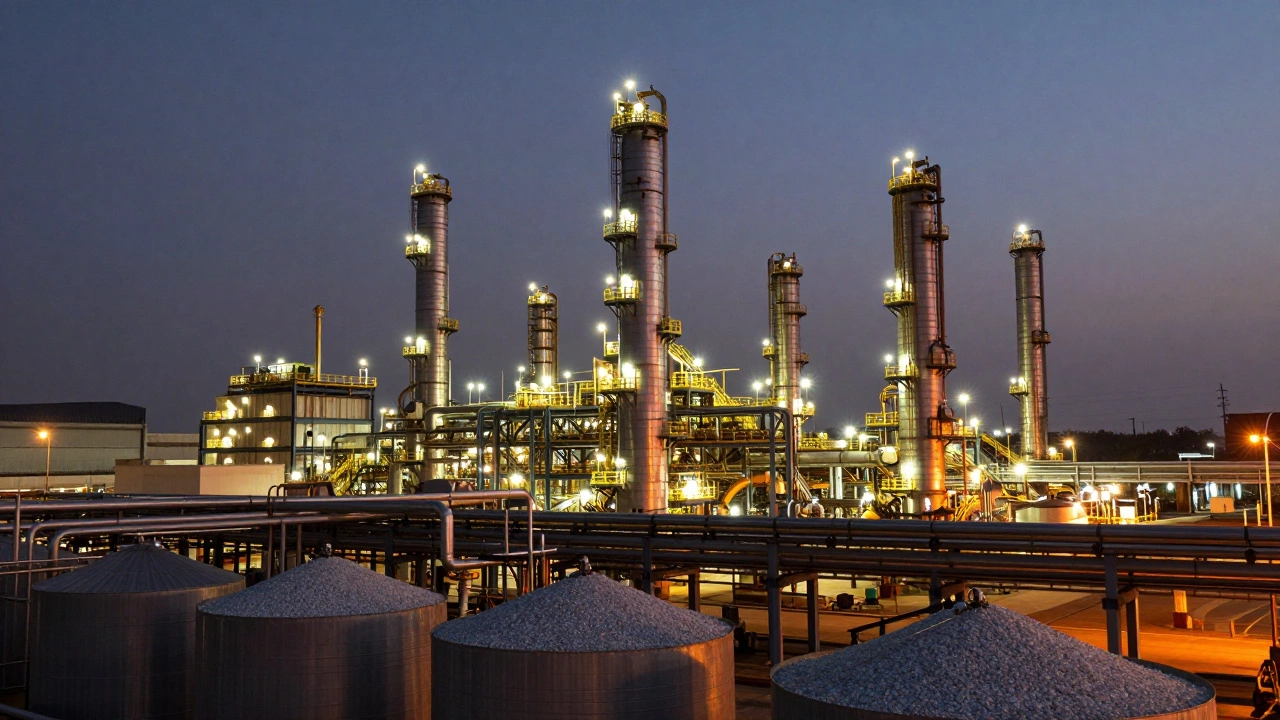
If we define "producer" as the entity creating the actual plastic polymer-the raw material before it becomes a bottle, bag, or wrapper-then the answer lies with the global petrochemical industry. These companies extract fossil fuels and convert them into ethylene, propylene, and other building blocks for plastics.
Sinopec, the China Petroleum & Chemical Corporation, is widely considered the world's largest producer of plastics by volume. As a state-owned enterprise, Sinopec produces millions of metric tons of polyethylene and polypropylene annually. These resins are the primary ingredients for flexible packaging, films, and rigid containers that dominate the single-use market.
Following closely behind are other Asian and Western energy giants:
- CNPC (China National Petroleum Corporation): Another Chinese state-owned behemoth that rivals Sinopec in production capacity.
- SABIC (Saudi Basic Industries Corporation): A major player based in Saudi Arabia, SABIC is one of the largest producers of polyolefins globally.
- Dow Inc.: An American multinational that specializes in innovative materials science, producing vast quantities of packaging materials.
- BASF: The German chemical giant is the largest chemical producer in Europe and a significant supplier of plastic resins.
- Linde and Air Products: While primarily industrial gas companies, they are deeply integrated into the petrochemical supply chain.
These companies do not sell plastic bags directly to consumers. Instead, they sell tons of resin pellets to converters and manufacturers who then mold them into the disposable items we use daily. Because they produce the feedstock, they hold the most leverage in terms of total tonnage generated.
The Brand Owners: Who Puts It on the Market?
While petrochemical companies make the material, public scrutiny often falls on the brands that package their goods. When people ask "who is the largest polluter," they are often referring to the corporations whose logos appear on the trash. Environmental NGOs like Break Free From Plastic track these "brand owners" through annual audits of global litter.
In recent years, the list of top plastic polluters has remained remarkably consistent. The beverage and food industries lead the charge because their business models rely heavily on convenience and single-serving packaging.
| Company | Industry | Primary Single-Use Items |
|---|---|---|
| Coca-Cola | Beverages | Plastic bottles, caps, labels |
| PepsiCo | Beverages/Snacks | Bottles, chip bags, wrappers |
| Nestlé | Food | Water bottles, candy wrappers, coffee pods |
| Unilever | Personal Care | Shampoo bottles, detergent pouches |
| Danone | Dairy/Food | Yogurt cups, milk bottles |
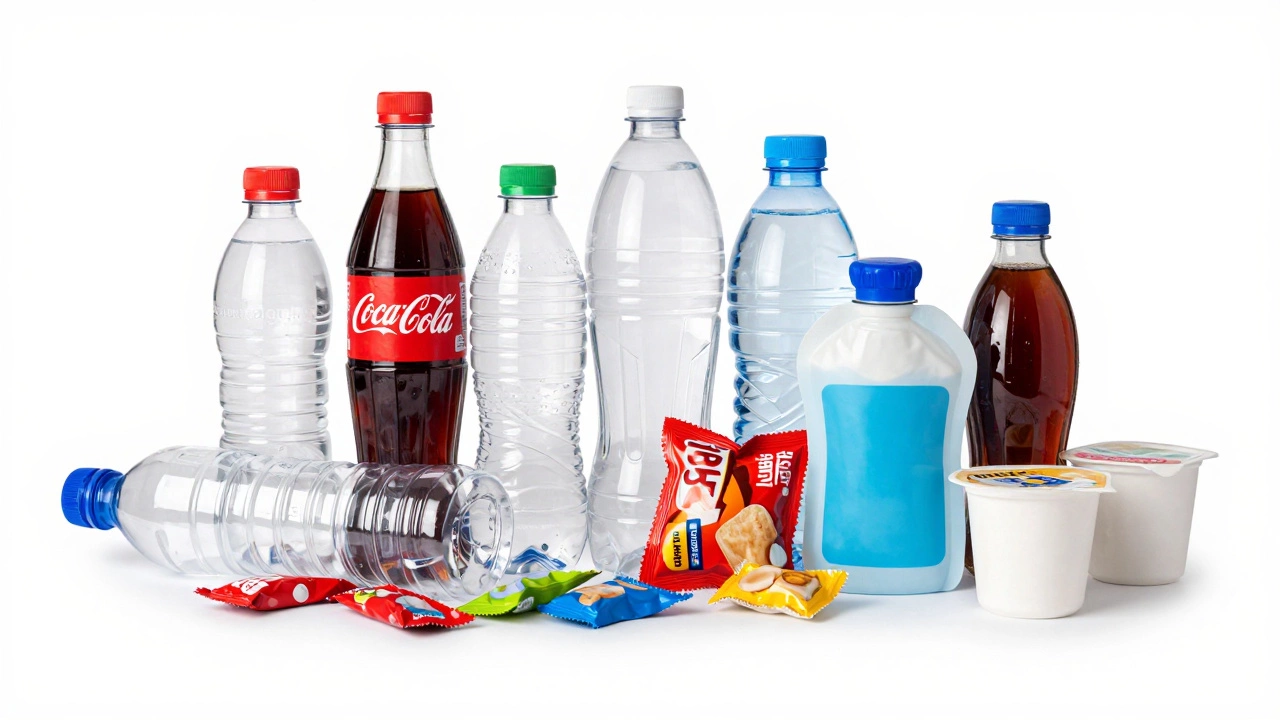
Coca-Cola consistently ranks as the top corporate polluter in global litter studies. This isn't necessarily because they use more plastic than anyone else, but because their products are ubiquitous worldwide, and their bottles are lightweight enough to be easily blown into streets and waterways during cleanup audits. However, this ranking reflects visibility in waste streams, not necessarily total production volume.
Geographic Powerhouses: Which Countries Produce the Most?
When shifting the lens from companies to nations, the picture changes again. If you measure by the total amount of plastic waste generated per year, the United States and China are the clear leaders. However, if you measure by the amount of plastic produced for export or domestic consumption relative to population, the dynamics shift.
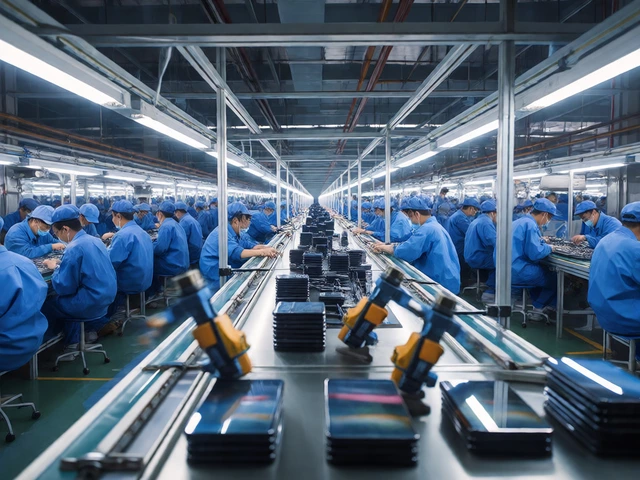
China is the world's largest manufacturer of plastic products. Due to its massive manufacturing base, it produces a huge percentage of the world's disposable items, including toys, electronics casings, and packaging materials. Despite banning imports of foreign plastic waste in 2018, China remains a top producer of new plastic resin.
The United States follows closely, driven by high per-capita consumption rates. Americans generate significantly more plastic waste per person than citizens in Europe or Asia. The U.S. also hosts many of the headquarters for the petrochemical giants mentioned earlier, making it a central hub for both production and consumption.
Other notable countries include India, Indonesia, and Brazil. These nations are experiencing rapid industrialization and growing middle classes, leading to increased demand for packaged goods. Unfortunately, waste management infrastructure in these regions often struggles to keep pace with the surge in single-use plastic generation.
Why Is It Hard to Pinpoint One "Largest" Producer?
The reason there is no single, undisputed answer to "who is the largest producer" comes down to data opacity and definition issues. The plastic supply chain is complex and fragmented.
- Resin vs. Finished Goods: Petrochemical companies report sales of resin in metric tons. Brand owners report revenue or units sold. Comparing these two metrics is like comparing apples to oranges.
- Private Data: Many large manufacturers do not publicly disclose their exact plastic output volumes. Estimates are often derived from satellite imagery of factory expansions or financial reports.
- Recycled Content: Some companies claim to be leaders in sustainability by using recycled plastic. However, virgin plastic production still vastly outpaces recycled content usage globally.
- Global Supply Chains: A bottle might be designed in Europe, made from resin produced in the Middle East, manufactured in Southeast Asia, and consumed in North America. Assigning responsibility to one entity is nearly impossible.
This complexity allows companies to shift blame downstream. Petrochemical firms argue they just sell raw materials, while brand owners claim they are victims of consumer demand for convenient packaging.
The Future: Regulations and Corporate Shifts
As of 2026, the landscape is changing rapidly due to international pressure. The UN Global Plastics Treaty negotiations have pushed governments to consider extended producer responsibility (EPR) laws. These regulations force producers to pay for the collection and recycling of their packaging.
Major players like Dow, BASF, and Coca-Cola have announced ambitious goals to increase recycled content in their products. However, critics argue that these pledges often lack binding timelines and measurable targets. True reduction requires stopping the production of unnecessary single-use items, not just improving recycling rates.
Consumers and investors are increasingly demanding transparency. Tools like the Plastic Pollution Index allow users to rate brands based on their environmental impact. This public pressure is forcing even the largest producers to rethink their reliance on virgin plastic.
What Can You Do About It?
Understanding who produces the plastic is the first step toward holding them accountable. Here are practical actions you can take:
- Reduce Consumption: The most effective way to lower demand is to buy less packaged goods. Choose bulk items, bring reusable bags, and avoid single-use cutlery.
- Support Policy Change: Advocate for local bans on unnecessary single-use plastics. Support legislation that holds producers financially responsible for waste.
- Choose Alternatives: Look for products packaged in glass, metal, or compostable materials. Check certifications to ensure claims are legitimate.
- Invest Responsibly: If you invest, consider funds that exclude companies involved in excessive plastic production or those with poor environmental records.
The fight against plastic pollution isn't just about cleaning up beaches. It's about transforming an entire global industry. By understanding the key players-from Sinopec to Coca-Cola-we can better target our efforts and drive meaningful change.
Is China the largest producer of plastic waste?
Yes, China is one of the largest producers of plastic waste globally due to its massive manufacturing sector and population size. However, the United States generates more plastic waste per capita. China banned importing foreign plastic waste in 2018, which shifted some of the burden to other countries.
Which company produces the most plastic resin?
Sinopec (China Petroleum & Chemical Corporation) is generally considered the world's largest producer of plastic resin. Other top producers include CNPC, SABIC, Dow Inc., and BASF. These companies create the raw materials used in almost all plastic products.
Who is the top plastic polluter according to litter audits?
Coca-Cola consistently ranks as the top corporate polluter in global litter audits conducted by organizations like Break Free From Plastic. This is largely due to the ubiquity of its plastic bottles and caps in waste streams worldwide.
What is the difference between plastic producers and brand owners?
Plastic producers, such as Sinopec and Dow, manufacture the raw resin pellets. Brand owners, like Coca-Cola and Nestlé, purchase this resin and convert it into finished products like bottles and wrappers. Producers focus on volume, while brand owners focus on marketing and distribution.
Are plastic companies reducing their production?
Most major plastic companies have pledged to increase recycled content and improve sustainability, but overall production of virgin plastic continues to rise. Critics argue that current pledges are insufficient to meet climate and pollution goals. Real reduction requires systemic changes beyond voluntary commitments.