Who Makes Steel for the US Military? Top Defense Suppliers and Domestic Plants
Defense Steel Supplier & Application Finder
Select a military requirement below to see which major US domestic supplier handles that specific need, where their plants are located, and why they are chosen.
Naval Vessels
Carriers, Submarines, DestroyersArmored Vehicles
Tanks, Trucks, Ballistic ProtectionGeneral Shipbuilding
Flat-Rolled Products, Hull StructuresRaw Materials
Iron Ore Pellets, Upstream SupplySelect an option to view details
Find out who supplies the steel for your selected military application.
When you think about the backbone of American military power, you probably picture fighter jets, aircraft carriers, or advanced drones. But before any of those machines can leave the factory floor, they need one thing: high-quality steel. The question isn't just about who makes it, but why it matters so much that the government keeps a close eye on every ton produced.
The supply chain for military-grade steel is complex, heavily regulated, and deeply tied to national security. It’s not like buying lumber from a home improvement store. You can’t just pick up a batch of metal and weld it into a submarine hull. Every supplier must meet strict standards, undergo rigorous audits, and often operate under specific government contracts. This guide breaks down exactly which companies produce this critical material, where the plants are located, and how the system works to keep the armed forces equipped.
The Key Players in Defense Steel Production
Several major corporations dominate the landscape of steel manufacturing for the US Department of Defense (DoD). These aren’t small local shops; they are industrial giants with decades of experience and massive infrastructure. Understanding who these players are helps clarify how the military secures its materials.
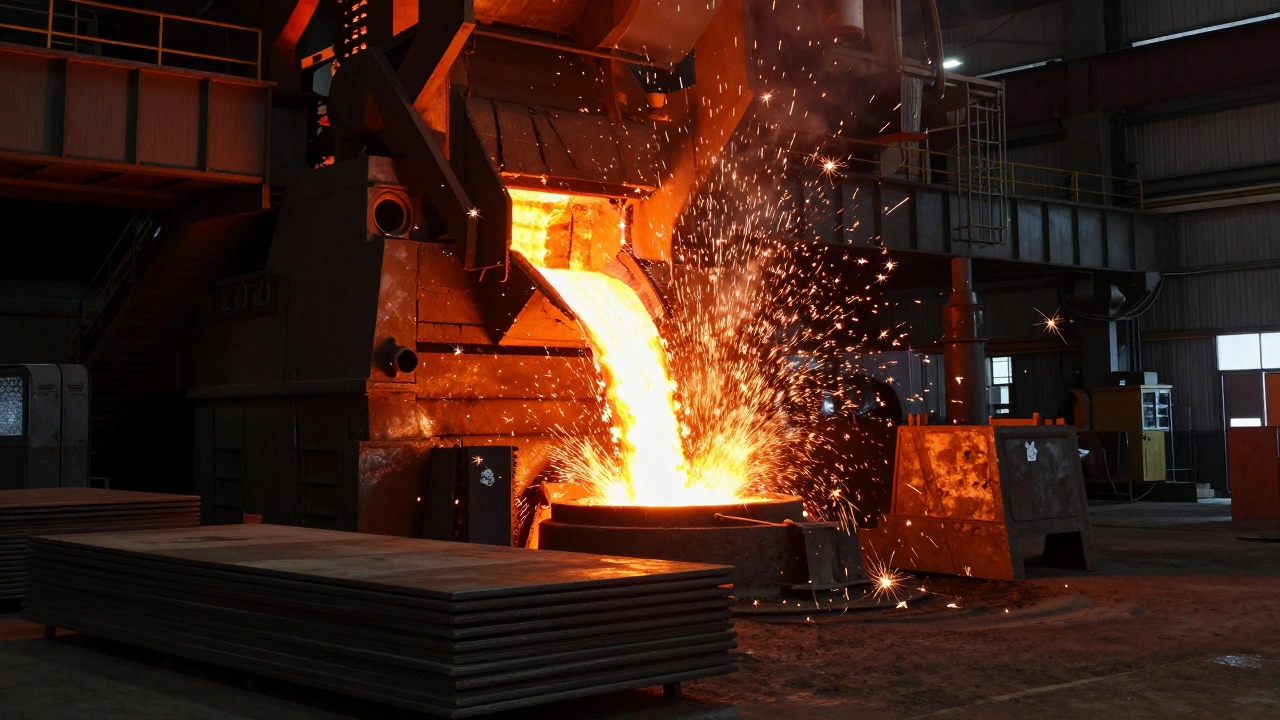
Nucor Corporation is the largest steel producer in the United States. Known for its innovative use of electric arc furnaces (EAF), Nucor has become a primary supplier for various defense applications. Their ability to recycle scrap metal efficiently allows them to produce high-strength steel plates used in armor and structural components. Nucor operates numerous mills across the country, giving them logistical advantages when delivering to different military bases.
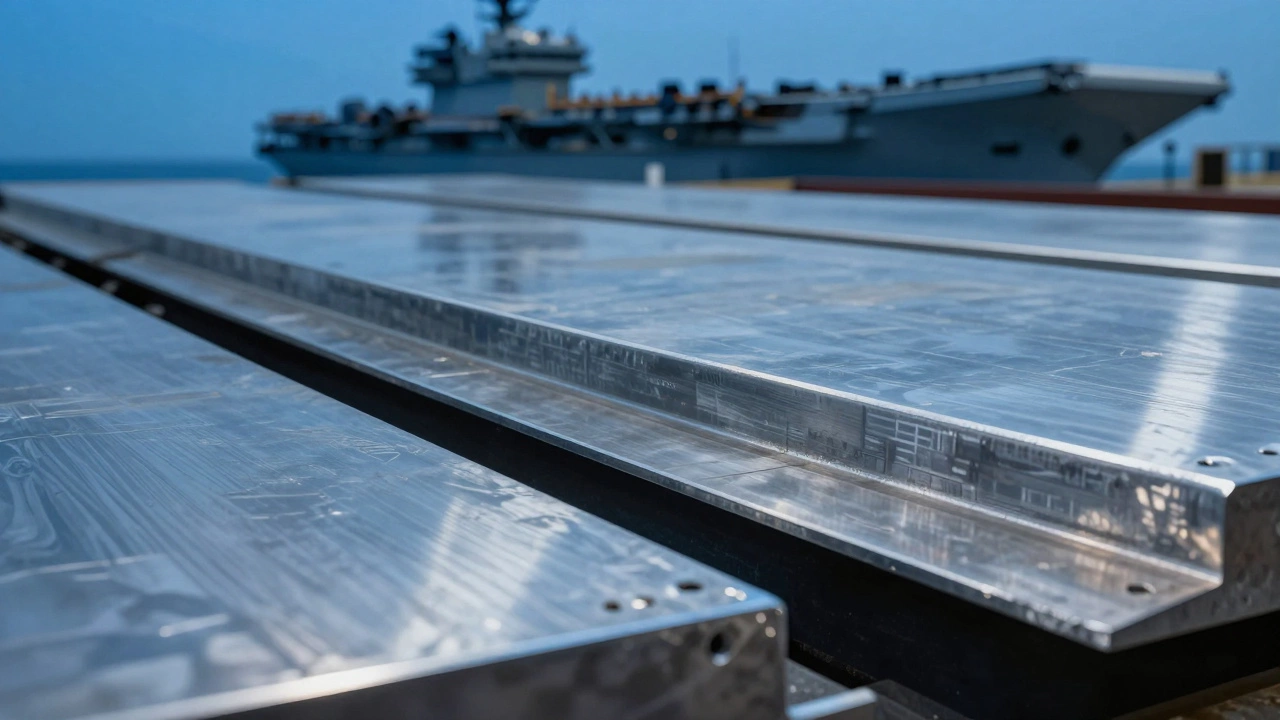
Another heavyweight is U.S. Steel, also known as United States Steel Corporation. With a history dating back to 1901, U.S. Steel remains a cornerstone of American heavy industry. They specialize in flat-rolled products and are a go-to source for the naval sector. If you’re building an aircraft carrier, you likely need steel from U.S. Steel or their competitors who meet similar stringent specifications.
Cleveland-Cliffs Inc. is a leading producer of iron ore pellets and hot-briquetted iron. While they may not always be the final fabricator, their raw materials are essential inputs for many downstream steelmakers serving the defense sector. Cleveland-Cliffs’ control over domestic iron ore supplies gives them significant leverage in ensuring a stable supply chain for military contractors.
Then there’s SSAB USA, part of the Swedish group SSAB. They focus on high-strength low-alloy (HSLA) steels, which are crucial for reducing weight while maintaining strength in vehicles and armored platforms. Their specialized alloys allow the Army to build lighter tanks and trucks without sacrificing protection against ballistic threats.
Where Is Military Steel Made?
The location of steel mills matters more than you might think. Proximity to ports, rail networks, and assembly plants affects cost and speed. Most defense-related steel production happens in the Midwest and South, regions rich in natural resources and transportation infrastructure.
| Company | Key Locations | Primary Product Type | Military Application |
|---|---|---|---|
| Nucor | Bethlehem, PA; Crawfordsville, IN | Plate Steel | Aircraft Carriers, Submarines |
| U.S. Steel | Monaca, PA; Gary, IN | Flat-Rolled Steel | Shipbuilding, Armor Plating |
| Cleveland-Cliffs | Middletown, OH; East Chicago, IN | Iron Ore Pellets | Raw Material for Steelmakers |
| SSAB USA | East Chicago, IN; Burns Harbor, IN | HSLA Steel | Armored Vehicles, Bridges |
Pennsylvania stands out as a hub for plate steel production, particularly in Bethlehem. This city alone hosts several facilities capable of producing the thick slabs needed for naval vessels. Indiana and Ohio follow closely behind, leveraging their central locations to distribute materials nationwide. The concentration of these industries in the Rust Belt isn’t accidental-it’s built on legacy infrastructure that still holds immense value today.
Why Does the Source Matter?
You might wonder if foreign steel could work instead. After all, global markets offer competitive prices. However, relying on overseas sources poses risks. During times of conflict or trade disputes, access to critical materials can be cut off. That’s why laws like the Buy American Act and Section 23 of the Shipbing Act require certain defense projects to use domestically sourced steel.
These regulations ensure that the supply chain remains resilient. If a war breaks out tomorrow, the US needs to know it can keep building ships and weapons without depending on adversaries or unstable regions. Domestic production also supports jobs and maintains technical expertise within the country. Losing that capability would take years-and billions of dollars-to rebuild.
Quality control is another factor. Military applications demand consistency. A single weak spot in a submarine hull could lead to catastrophic failure. Manufacturers must adhere to MIL-SPEC standards, which dictate everything from chemical composition to tensile strength. Only certified plants can pass these tests, further narrowing the pool of eligible suppliers.
How Contracts Work in Practice
Getting selected as a supplier doesn’t happen overnight. Companies go through a lengthy qualification process involving audits, sample testing, and performance reviews. Once approved, they bid on contracts issued by agencies like the Naval Sea Systems Command (NAVSEA) or the Army Combat Capabilities Development Command (TACOM).
Contracts often span multiple years, providing stability for both parties. For example, a ten-year agreement might cover all the steel required for a new class of destroyers. This long-term commitment allows manufacturers to invest in equipment upgrades and workforce training knowing they have guaranteed demand.
Smaller businesses sometimes partner with larger firms to participate indirectly. They might handle niche tasks like coating, cutting, or heat treatment. This ecosystem creates opportunities for mid-sized enterprises to contribute even if they don’t own blast furnaces themselves.
Challenges Facing the Industry
Despite its importance, the domestic steel industry faces headwinds. Rising energy costs, environmental regulations, and competition from cheaper imports make profitability tough. Some mills have closed over the past few decades, shrinking overall capacity. Reopening them requires substantial capital investment and time.
Labor shortages present another challenge. Skilled workers familiar with traditional methods are retiring faster than new ones enter the field. Training programs exist, but attracting young talent to physically demanding roles remains difficult. Automation helps mitigate some issues, yet human oversight remains vital for quality assurance.
Geopolitical tensions add uncertainty too. Trade policies shift frequently, affecting tariffs and quotas. When rules change suddenly, manufacturers struggle to adjust pricing models and sourcing strategies. Predictability is key for planning future expansions or technology adoptions.
Future Trends in Defense Steel
Innovation continues to shape how steel is made and used. Electric arc furnaces powered by renewable energy reduce carbon footprints significantly. Green hydrogen experiments aim to replace coal entirely in basic oxygen furnaces someday. These advances align with broader sustainability goals set by the Pentagon.
Additive manufacturing, commonly called 3D printing, opens doors for creating complex geometries impossible via conventional casting. While not replacing bulk production yet, it enables rapid prototyping and spare parts generation directly at forward operating bases. Imagine repairing damaged gear right where you are instead of shipping replacements halfway around the world.
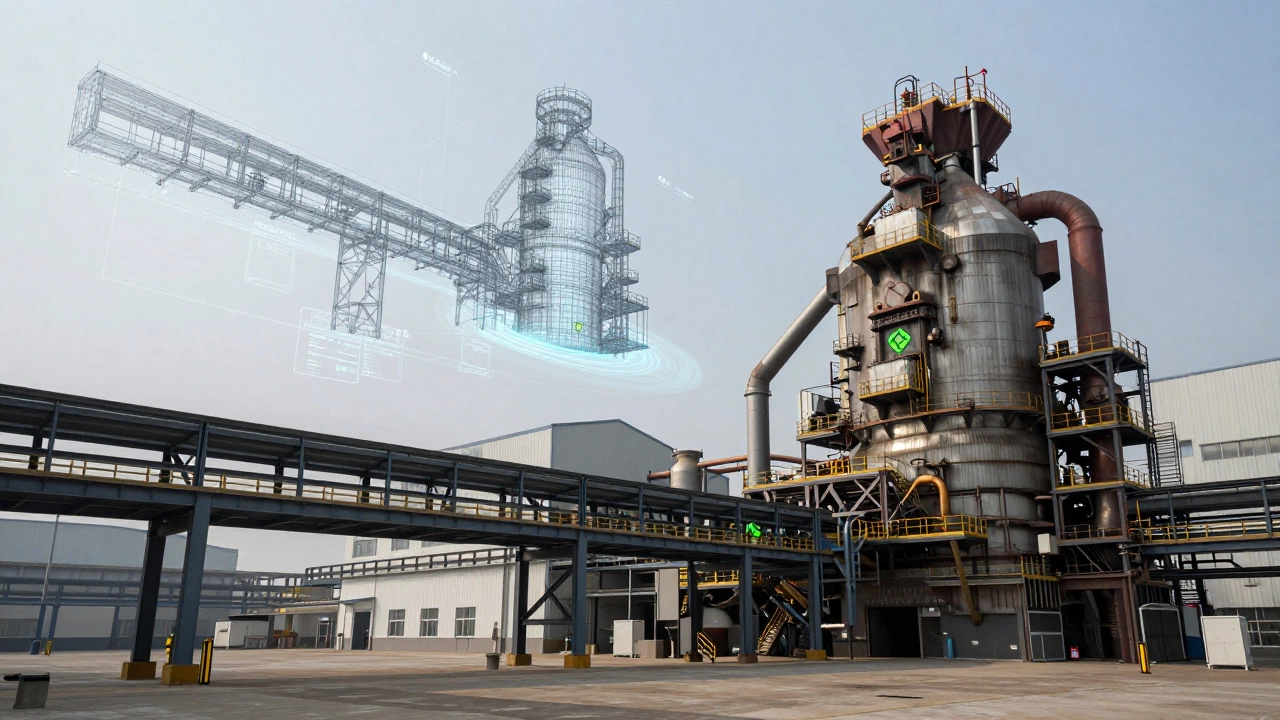
Digital twins simulate entire production lines virtually before physical construction begins. Engineers tweak parameters digitally to optimize efficiency and minimize waste. Such tools accelerate decision-making and lower operational risks during scale-up phases.
Can foreign companies supply steel to the US military?
Generally no, especially for major platforms like ships and submarines. Laws mandate domestic sourcing for most defense-related steel purchases. Exceptions exist only under special waivers granted by Congress or executive orders.
What types of steel does the military use?
The military uses various grades including carbon steel, alloy steel, stainless steel, and high-strength low-alloy (HSLA) variants. Each serves distinct purposes based on strength, corrosion resistance, and weight requirements.
Are there enough domestic mills to meet demand?
Currently yes, though margins are tight. Recent investments in modernizing facilities help maintain adequate capacity. However, sudden surges in orders could strain existing resources temporarily.
How much does military steel cost compared to commercial steel?
Military steel typically costs 20-50% more due to stricter quality controls, smaller batch sizes, and additional certification processes. Premium pricing reflects higher reliability expectations rather than arbitrary markup.
Which branch uses the most steel?
The Navy consumes the largest volume primarily because constructing and maintaining large vessels demands enormous quantities of plate and structural steel. The Army follows next with vehicle armor and base infrastructure needs.