Why Local Manufacturing Matters: Benefits, Government Schemes & Economic Impact
Local vs. Global Manufacturing Cost & Impact Calculator
Production Parameters
Comparison Analysis
Waiting for input...| Factor | Local Manufacturing | Global Outsourcing |
|---|---|---|
| Enter values and click Compare | ||
Remember the last time you bought a product and checked where it was made? If it said 'Made in China' or 'Made in Vietnam,' you are not alone. For decades, global supply chains were designed for one thing: cost efficiency. But recent years have shown us the cracks in that model. When borders close or ships get stuck in canals, shelves go empty. This reality has sparked a massive shift back to local manufacturing, which is the production of goods within the country where they are consumed. It’s not just nostalgia; it’s a strategic necessity backed by heavy government support.
You might wonder why governments are pouring billions into domestic factories when importing is often cheaper upfront. The answer lies in long-term stability, job creation, and national security. Let’s break down what makes local manufacturing so valuable today and how new policies are changing the game.
The Hidden Costs of Global Supply Chains
We used to think that buying cheap imports was always the smart move. But there are hidden costs that don’t show up on the price tag. When you import goods from thousands of miles away, you rely on a fragile web of logistics. A single disruption-like a pandemic, a war, or a labor strike-can halt production for months.
Local manufacturing solves this by shortening the supply chain. Instead of waiting weeks for parts to arrive overseas, companies can source materials from nearby suppliers. This reduces lead times and inventory costs. For example, during the semiconductor shortage, automakers who relied solely on Asian chipmakers had to stop production lines. Those with domestic partnerships kept running. That reliability is worth more than saving a few dollars per unit.
| Factor | Local Manufacturing | Global Outsourcing |
|---|---|---|
| Lead Time | Days to weeks | Weeks to months |
| Supply Chain Risk | Low (controlled) | High (geopolitical/logistical) |
| Customization | High (easy communication) | Low (language/timezone barriers) |
| Initial Cost | Higher (labor/overhead) | Lower (economies of scale abroad) |
| Carbon Footprint | Lower (less transport) | Higher (long-distance shipping) |
Job Creation and Skill Development
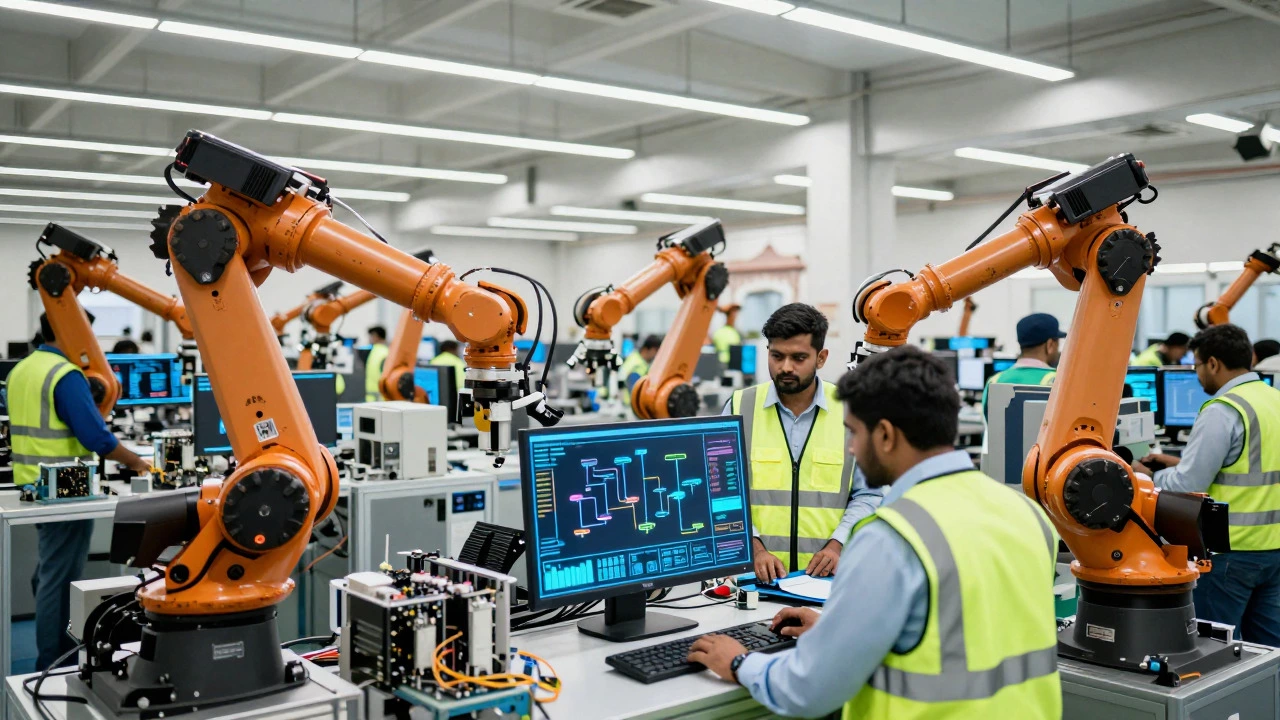
One of the biggest arguments for bringing manufacturing home is jobs. But it’s not just about any job-it’s about high-quality, skilled employment. Factories need engineers, technicians, quality control specialists, and logistics managers. These roles pay better than many service-sector entry-level positions and offer clear career paths.
When a factory opens in your town, it creates a ripple effect. Local businesses thrive because workers spend their money locally. Construction firms get contracts for building facilities. Training centers see an influx of students wanting to learn CNC machining or robotics. This ecosystem builds a stronger middle class, which in turn drives consumer demand. It’s a virtuous cycle that pure consumption economies struggle to replicate.
Consider the rise of electric vehicle (EV) battery plants in the US and Europe. Governments aren’t just subsidizing car makers; they are investing in the entire supply chain, from mining lithium domestically to assembling batteries locally. This ensures that the next generation of green energy jobs stays within the country rather than flowing to established hubs in Asia.
Government Schemes Driving the Shift
If local manufacturing is so great, why isn’t everyone doing it? Because setting up a factory is expensive. Land, machinery, and compliance costs can be daunting for small and medium enterprises (SMEs). This is where government schemes come in. They act as catalysts, reducing the financial risk for businesses willing to invest domestically.
In India, the Make in India initiative is a flagship program launched in 2014 to encourage companies to manufacture their products in India. It offers tax holidays, land allocation assistance, and easier labor laws. More recently, the Production Linked Incentive (PLI) scheme has provided direct cash incentives based on sales growth in sectors like electronics, pharmaceuticals, and textiles.
Similarly, in the United States, the CHIPS and Science Act provides tens of billions of dollars to bring semiconductor manufacturing back to American soil. In the European Union, the Green Deal Industrial Plan aims to secure critical raw materials and boost clean tech production. These aren’t just handouts; they are strategic investments in national resilience.
- Tax Breaks: Reduced corporate taxes for companies meeting local sourcing targets.
- Subsidies: Direct grants for purchasing advanced machinery or retrofitting old plants.
- Infrastructure Support: Government-funded industrial parks with ready-to-use utilities.
- Skill Development Funds: Partnerships with vocational schools to train workers specifically for these new factories.
Quality Control and Customization
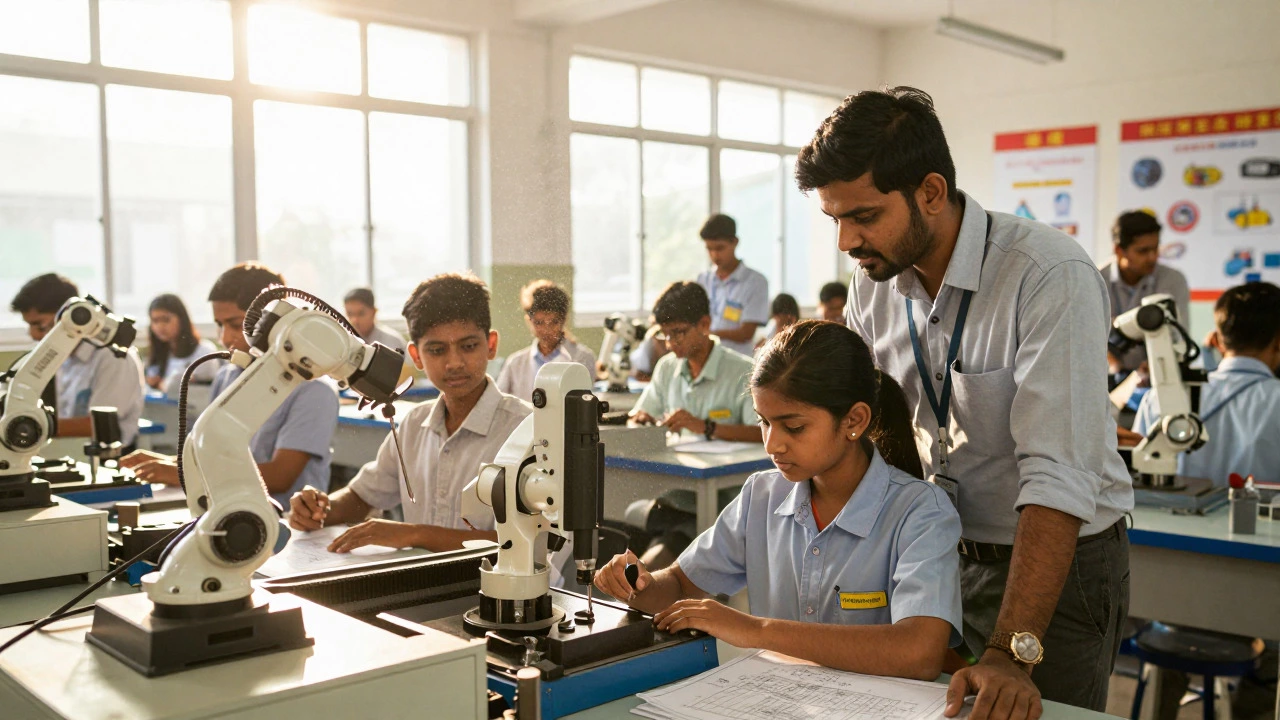
Distance creates disconnect. When your factory is on another continent, managing quality becomes a nightmare. You’re dealing with time zones, language barriers, and cultural differences in work ethics. A defect discovered after shipment means costly recalls and damaged brand reputation.
With local manufacturing, you can visit the factory floor yourself. You can implement real-time quality checks and make adjustments on the fly. This proximity allows for greater customization. Want to tweak a design for a specific regional market? A local partner can prototype and produce in days, whereas an overseas supplier might take months to approve changes.
This agility is crucial in fast-moving industries like fashion and consumer electronics. Brands that prioritize local production can respond faster to trends, reducing waste from unsold inventory. It’s not just about making things; it’s about making the right things at the right time.
Environmental Impact and Sustainability
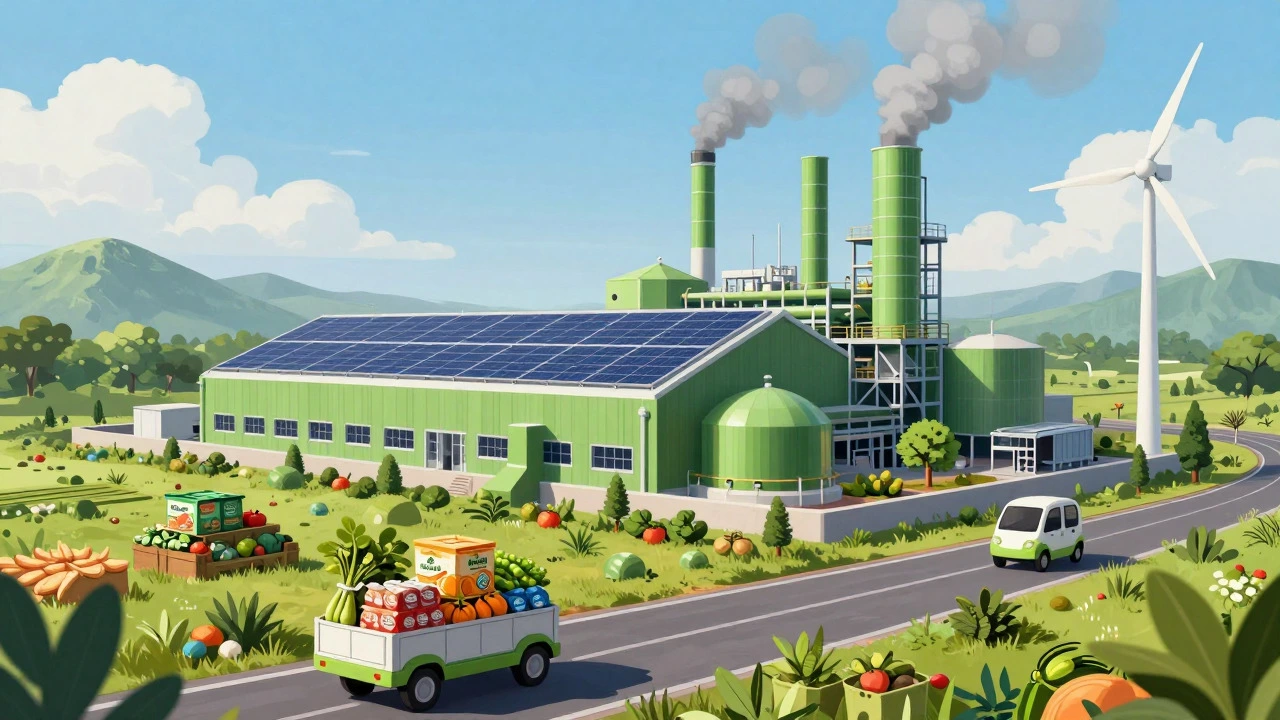
Shipping containers burn fossil fuels. Air freight is even worse. The carbon footprint of global trade is staggering. By producing goods closer to home, we drastically cut down on transportation emissions. This aligns perfectly with global sustainability goals.
Moreover, local regulations often enforce stricter environmental standards than some developing nations. Producing domestically means adhering to cleaner practices, better waste management, and lower pollution levels. Consumers are increasingly conscious of this. They prefer brands that can prove their products were made responsibly and locally. This transparency builds trust and loyalty.
Think about food processing. Locally sourced ingredients mean fresher products with less packaging needed for preservation. The same logic applies to durable goods. Less travel equals less damage, less repackaging, and less landfill waste. It’s a win for the planet and the bottom line.
Challenges to Overcome
It’s not all smooth sailing. Local manufacturing faces hurdles. Labor costs are higher in developed economies. Skilled workers are in short supply. Regulatory red tape can slow down project approvals. And let’s be honest-imported goods are often still cheaper due to economies of scale abroad.
To succeed, businesses must innovate. Automation and robotics can offset high labor costs. Collaborating with local universities can solve the skills gap. Advocating for streamlined regulations can speed up operations. And most importantly, communicating the value of ‘local’ to consumers helps justify premium pricing.
Governments also play a role here. They need to ensure that subsidies are well-targeted and that infrastructure keeps pace with industrial growth. Without reliable power, water, and transport networks, even the best-incentivized factories will struggle.
The Future of Domestic Production
The trend is clear: globalization is giving way to regionalization. We are moving toward ‘friend-shoring’ and ‘near-shoring,’ where countries trade more with allies and neighbors. Local manufacturing is the backbone of this new order.
Technology is accelerating this shift. Additive manufacturing (3D printing) allows for decentralized production. Digital twins enable remote monitoring of local assets. AI optimizes supply chains in real-time. These tools make it feasible to produce smaller batches efficiently, catering to niche markets without the need for massive overseas factories.
For entrepreneurs, this is an opportunity. There is untapped potential in revitalizing dormant industrial zones, creating specialized component suppliers, and offering services that support local manufacturers. The era of mass importation is fading. The age of resilient, local production is here.
What are the main benefits of local manufacturing?
The primary benefits include shorter supply chains, reduced risk of disruption, faster time-to-market, better quality control, job creation, and lower carbon emissions from transportation.
How do government schemes support local manufacturing?
Governments offer tax breaks, direct subsidies (like PLI), infrastructure development, and skill training programs to reduce the initial costs and risks associated with setting up domestic factories.
Is local manufacturing more expensive than importing?
Initially, yes, due to higher labor and overhead costs. However, when factoring in logistics, tariffs, inventory holding costs, and risk mitigation, the total cost of ownership can be competitive or even lower.
Which sectors are seeing the most growth in local manufacturing?
Electronics, semiconductors, pharmaceuticals, electric vehicles, and renewable energy components are leading the charge, driven by both security concerns and government incentives.
How does local manufacturing help the environment?
It significantly reduces carbon emissions by minimizing long-distance shipping. Additionally, local facilities often adhere to stricter environmental regulations regarding waste and pollution control.

Recent Posts
-

India's Oldest Pharma Company: A Look at Bengal Chemicals & Pharmaceuticals
-
What is the Biggest Steel Mill in the United States? US Steel Gary Works
-

Which Indian Wood is Strongest? A Guide for Furniture Makers
-
Who is the Largest Steel Fabricator in the United States?
-
Who is the Main Exporter of Plastic? Top Countries and Companies in 2026