India's Oldest Pharma Company: A Look at Bengal Chemicals & Pharmaceuticals
India's Pharma Heritage Explorer
Explore key milestones in the life of Bengal Chemicals & Pharmaceuticals (BCPL), India's oldest pharmaceutical company.
Compare the heritage model of BCPL with modern generic pharmaceutical giants.
| Feature | Bengal Chemicals (BCPL) | Modern Generics Giants |
|---|---|---|
| Founded Year | 1893 | 1935–1980s |
| Ownership Type | Public Sector Undertaking (Govt. of India) | Private / Listed Companies |
| Primary Focus | Laboratory Chemicals & Essential Drugs | Global Generic Exports |
| Market Strategy | Niche Market & Domestic Stability | Aggressive Global Expansion |
| Key Advantage | Brand Heritage, Quality Trust, Institutional Knowledge | R&D Speed, Capital Access, Scale Efficiency |
You might assume that giants like Cipla or Dr. Reddy’s are the grandfathers of the Indian pharmaceutical scene. But if you dig into the archives, you’ll find a name that predates them by decades, one that actually helped shape modern medicine in the subcontinent. The title of oldest pharma company in India belongs to Bengal Chemicals & Pharmaceuticals Limited (BCPL). Founded way back in 1893, this Kolkata-based institution isn’t just a business; it’s a historical artifact that survived colonial rule, independence, and the massive liberalization waves of the 1990s.
Why does this matter? Because understanding BCPL gives you a clear picture of how India transformed from a drug importer to the "pharmacy of the world." Most people know about the recent boom in generic drugs. Fewer people realize that the foundation was laid over a century ago by a single chemist with a vision. If you’re researching the roots of Indian pharmaceutical manufacturing, looking at BCPL is your starting point. It’s not just about age; it’s about resilience and legacy.
The Origin Story: Prafulla Chandra Ray’s Vision
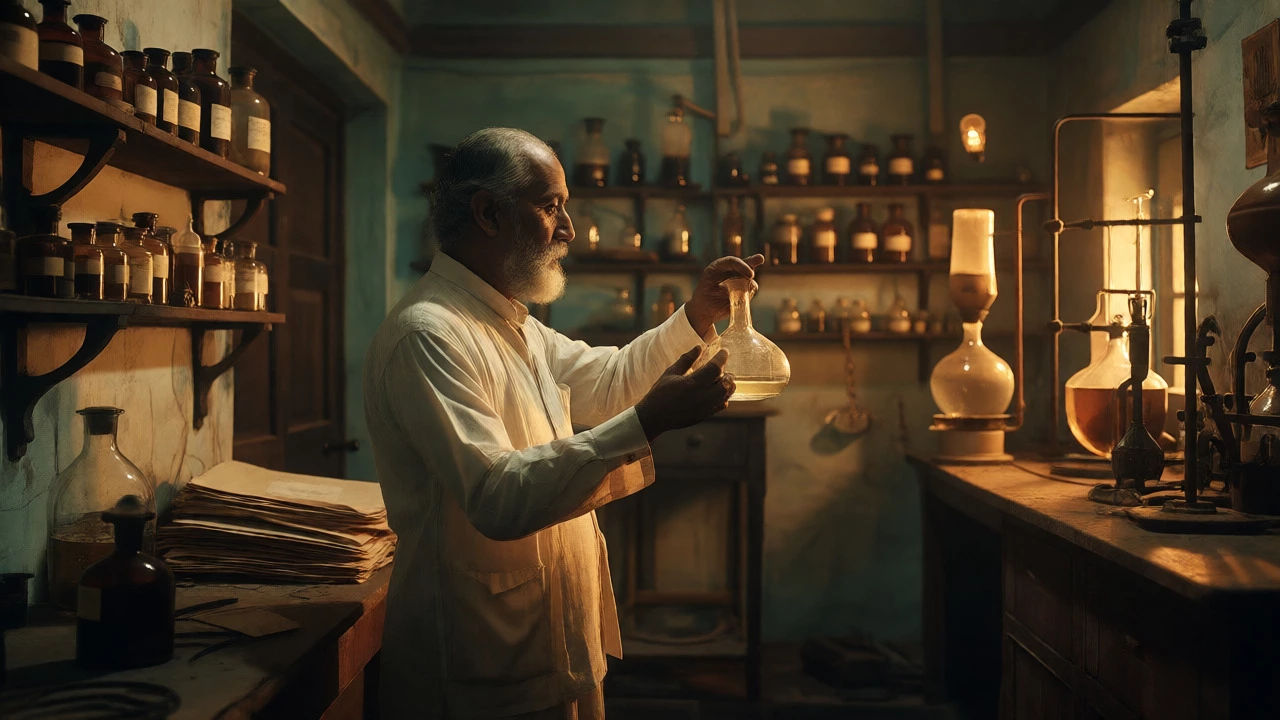
To understand why BCPL holds the crown for being the oldest, you have to look at its founder, Prafulla Chandra Ray. He wasn’t just a businessman; he was a brilliant scientist who studied in Edinburgh and returned to India with a mission. In 1893, he started making pure chemicals in his home lab because he was tired of seeing poor-quality imported drugs harming patients. He believed that India needed its own supply chain for essential medicines and reagents.
This wasn’t a corporate venture backed by big capital. It was a scientific endeavor born out of necessity. Ray produced pure citric acid and other reagents that were previously unavailable locally. This grassroots start set a precedent for self-reliance that would define the entire sector later on. By establishing a local production capability, he reduced dependency on British imports, which was a radical economic move for the time.
Surviving the Colonial Era and Independence
Operating under British rule was tough. Local industries faced heavy tariffs and bias favoring European goods. Yet, BCPL thrived by focusing on quality and education. Ray didn’t just sell products; he trained chemists. This created a talent pool that eventually fueled the broader growth of the Indian chemical and pharma sectors. When India gained independence in 1947, BCPL was already a well-established entity, unlike many competitors that emerged much later during the licensing raj era.
The company’s survival through these turbulent times speaks volumes about its operational discipline. While other firms struggled with policy shifts, BCPL had built strong relationships with academic institutions and hospitals. This network became their moat. They weren’t competing on price alone; they were competing on trust and purity, values that remain critical in pharmaceuticals today.
From Private Entity to Public Sector Undertaking
In a twist that reflects India’s post-independence economic policies, BCPL was nationalized in 1978. The government took control, turning it into a Public Sector Undertaking (PSU). For many, this meant stagnation. Bureaucracy slowed down decision-making, and innovation took a back seat compared to private players like Sun Pharma or Lupin who were racing ahead in the generics market.
However, being a PSU also gave BCPL stability. It continued to produce essential drugs and laboratory chemicals that private companies found less profitable. Today, it operates under the Ministry of Chemicals and Fertilizers. This status has kept it alive, even if it hasn’t captured the same market share as its private counterparts. It serves as a reminder that not all successful businesses need to be aggressive profit machines; some serve a public good.

Key Products and Market Position
What exactly does the oldest pharma company make? BCPL focuses heavily on two areas: active pharmaceutical ingredients (APIs) and finished dosage forms. They are particularly known for producing high-purity chemicals used in laboratories across India. Their product portfolio includes antibiotics, cardiovascular drugs, and diagnostic kits.
| Feature | Bengal Chemicals (BCPL) | Modern Generics Giants (e.g., Cipla) |
|---|---|---|
| Founded Year | 1893 | 1935-1980s |
| Ownership Type | Public Sector Undertaking | Private / Listed Companies |
| Primary Focus | Laboratory Chemicals & Essential Drugs | Global Generic Exports |
| Market Strategy | Niche & Domestic Stability | Aggressive Global Expansion |
While they don’t dominate global export charts like newer companies, their role in domestic healthcare infrastructure is significant. They ensure that basic medical supplies remain accessible and affordable, especially in government hospitals where cost sensitivity is high.
Challenges in the Modern Landscape
Let’s be honest: BCPL faces stiff competition. The Indian pharma market is fiercely competitive, driven by low-cost manufacturing and rapid R&D cycles. As a PSU, BCPL struggles with agility. Making quick decisions about new product launches or technology upgrades takes longer here than in a privately held firm.
Moreover, the shift towards biologics and complex generics requires massive capital investment. BCPL has limited resources compared to conglomerates like Dr. Reddy’s, which can pour millions into R&D without blinking. To stay relevant, BCPL needs to leverage its brand heritage while modernizing its production lines. There have been talks about privatization or strategic partnerships, but nothing concrete has changed the landscape yet.
Why History Matters for Today’s Buyers
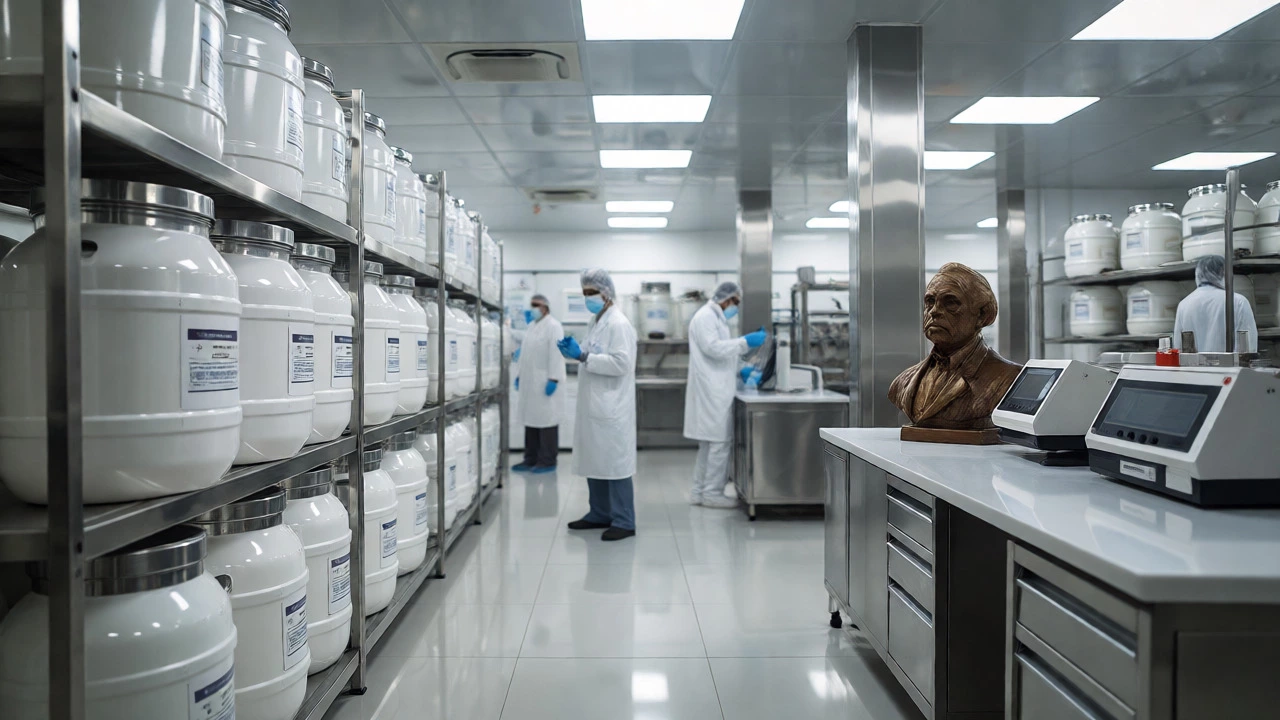
If you’re sourcing drugs or chemicals in India, knowing the history helps you assess reliability. Older companies often have rigorous quality control processes honed over decades. BCPL’s long track record means fewer surprises regarding batch consistency. For researchers and smaller clinics, this reliability is worth more than flashy marketing.
Furthermore, supporting such heritage brands preserves institutional knowledge. These companies hold patents and formulations that might otherwise disappear. They act as custodians of pharmaceutical standards in a market sometimes criticized for quality issues. Choosing a product from an established player reduces risk, a principle that applies whether you’re buying aspirin or specialized APIs.
Frequently Asked Questions
Is Bengal Chemicals still operating?
Yes, Bengal Chemicals & Pharmaceuticals Limited (BCPL) is still operational. It functions as a Public Sector Undertaking under the Government of India and continues to manufacture pharmaceuticals and laboratory chemicals.
Who founded the oldest pharma company in India?
Prafulla Chandra Ray founded Bengal Chemicals & Pharmaceuticals in 1893. He was a renowned chemist and educator who pioneered the use of indigenous raw materials for pharmaceutical production in India.
Why is BCPL considered the oldest?
It holds the distinction because it was established in 1893, predating other major Indian pharmaceutical companies like Cipla (1935) and Wockhardt (1969). Its continuous operation since then cements its status as the oldest.
Does BCPL export drugs globally?
While primarily focused on the domestic market and government tenders, BCPL does engage in some exports, particularly of laboratory chemicals and specific generic formulations, though its volume is lower than private giants.
Is BCPL publicly traded?
No, BCPL is not listed on stock exchanges like BSE or NSE. It is a wholly owned subsidiary of the Government of India, managed by the Department of Pharmaceuticals.
Next Steps for Industry Observers
If you’re interested in the evolution of Indian pharma, don’t stop at BCPL. Look into the transition period between 1950 and 1990. That’s when the Patent Act changes shaped the generics model we see today. Understanding BCPL’s journey provides context for why companies like Biocon or Glenmark succeeded in niche markets later on.
For students and professionals, visiting the archives or studying Ray’s contributions offers insights beyond balance sheets. It highlights the importance of scientific integrity in manufacturing. As India aims to become a hub for specialty drugs, remembering where it started-literally in a home lab in Kolkata-keeps the industry grounded.

Recent Posts
-

Who is the Main Exporter of Plastic? Top Countries and Companies in 2026
-
India's Oldest Pharma Company: A Look at Bengal Chemicals & Pharmaceuticals
-
Who is the Largest Steel Fabricator in the United States?
-

Why Did Chevrolet Leave India? The GM Exit Explained
-

Which Indian Wood is Strongest? A Guide for Furniture Makers