Why Did Chevrolet Leave India? The GM Exit Explained
Chevrolet India Exit Quiz
How well do you know the GM India story?
Loading question...
Quiz Complete!
Review the article to learn more.
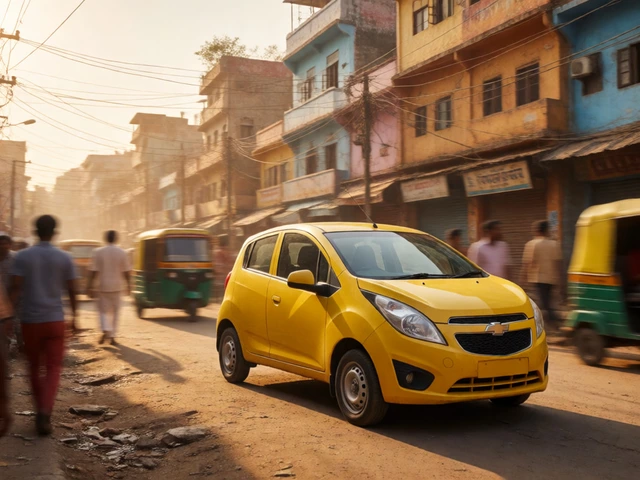
You might remember the bright yellow bowtie logo on a Chevrolet Cruze or Beat parked in your neighborhood. For over two decades, General Motors (GM) tried to crack the code of the Indian automobile market. Then, in January 2017, they pulled the plug. They stopped selling cars and shut down their massive manufacturing plant in Halol, Gujarat. It wasn't just a bad year; it was a strategic retreat from one of the world's fastest-growing auto markets.
So, what went wrong? Was it the product quality? The pricing? Or did the market simply change too fast for them to keep up? If you're an industry watcher, a potential investor, or just curious about why a global giant walked away, this breakdown covers the hard truths behind the General Motors exit from India.
The Numbers Tell the Real Story
Let's look at the cold, hard data before we dive into the reasons. In its peak years around 2013-2014, Chevrolet sold roughly 60,000 units annually in India. That sounds decent, right? But compare that to Maruti Suzuki, which was selling over 1.5 million units a year, or Hyundai with nearly 500,000. By 2016, just before the exit, Chevrolet’s annual sales had plummeted to under 20,000 units.
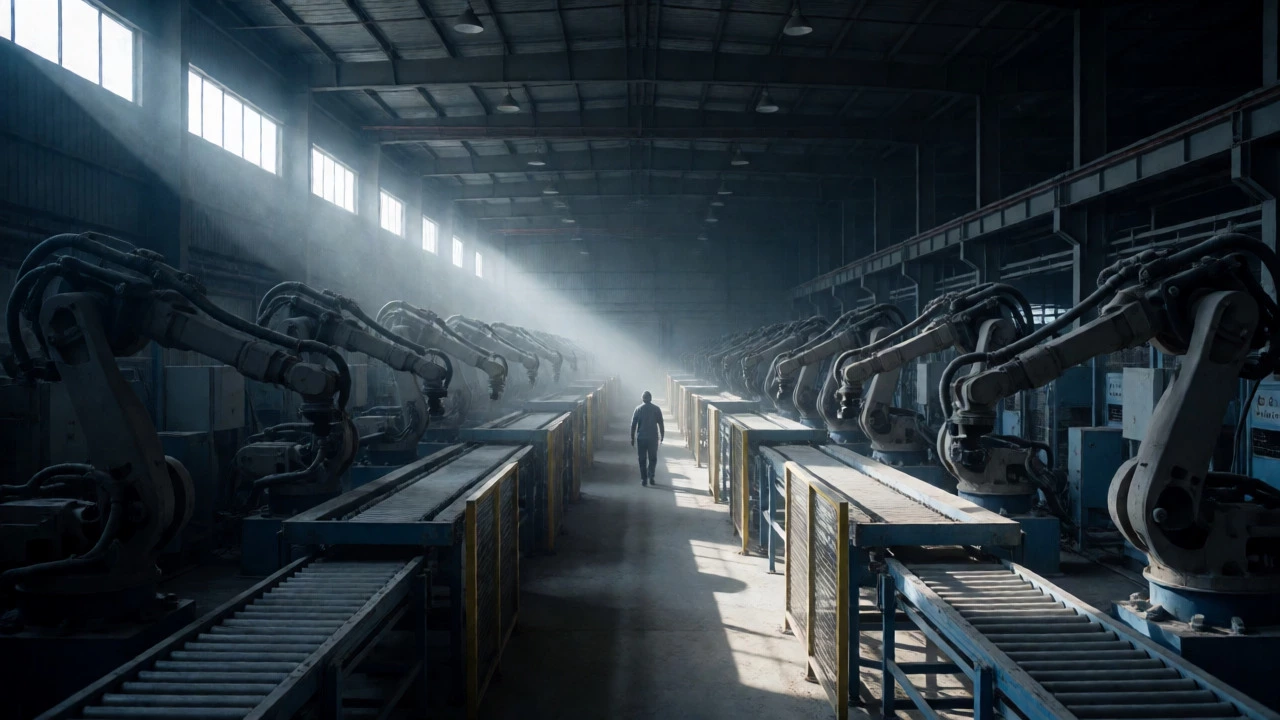
This collapse happened despite significant investment. GM had poured billions into setting up a state-of-the-art facility in Halol. The plant had a capacity to produce 240,000 vehicles per year but was running at less than 10% utilization by the end. When you have a factory that big sitting mostly empty, every day costs money in fixed overheads. Selling a few thousand cars couldn't cover the bills.
| Manufacturer | Annual Sales Units (India) | Market Position |
|---|---|---|
| Maruti Suzuki | ~1,500,000+ | Dominant Leader |
| Hyundai | ~480,000 | Strong Challenger |
| Mahindra & Mahindra | ~200,000 | Niche/SUV Specialist |
| Chevrolet | <20,000 | Marginal Player |
Product Mismatch: Building Cars Americans Loved, Not Indians Needed
Here is the core problem: GM designed cars for global platforms, not specifically for the unique demands of Indian consumers. Indian buyers are incredibly price-sensitive and value practicality above all else. They want high fuel efficiency, low maintenance costs, and spacious interiors for family use.
Take the Chevrolet Cruze, for example. It was a solid sedan with good safety ratings and a powerful diesel engine. But it was expensive to buy and costly to maintain. Parts were pricier than those for a Honda City or a Hyundai Verna. Plus, the ride quality was tuned for Western highways, which felt stiff on India's often uneven roads.
Then there was the Chevrolet Beat. This small hatchback was actually quite popular initially because it was cheap. However, as customers moved up the ladder to bigger cars like the Tavera or Captiva, they found these vehicles lacked the refinement and brand prestige associated with competitors. The lineup felt disjointed. You had budget cars that didn't feel premium enough to retain loyalists, and premium cars that were too expensive to attract new ones.
The After-Sales Service Nightmare
In the Indian auto market, the relationship doesn't end at the showroom door. In fact, for many families, the service center experience matters more than the initial purchase. This is where GM failed spectacularly.
- Spare Part Delays: Unlike Maruti, which has parts available in almost every village, getting a specific part for a Chevy could take weeks. Customers reported waiting months for simple components.
- Service Center Quality: Many dealerships struggled with technical expertise. Mechanics trained on older models couldn't diagnose issues with newer electronic systems efficiently.
- Resale Value Drop: Because of the uncertainty surrounding GM's future and the difficulty in servicing, used Chevys lost value faster than Japanese or Korean counterparts. A five-year-old Chevrolet might fetch 30-40% less than a similar Hyundai model.
Word spread fast in tight-knit communities. If your neighbor's Beat broke down and sat idle for a month waiting for a part, you weren't going to risk buying a Spark next time.
Fierce Competition and the Rise of Local Heroes
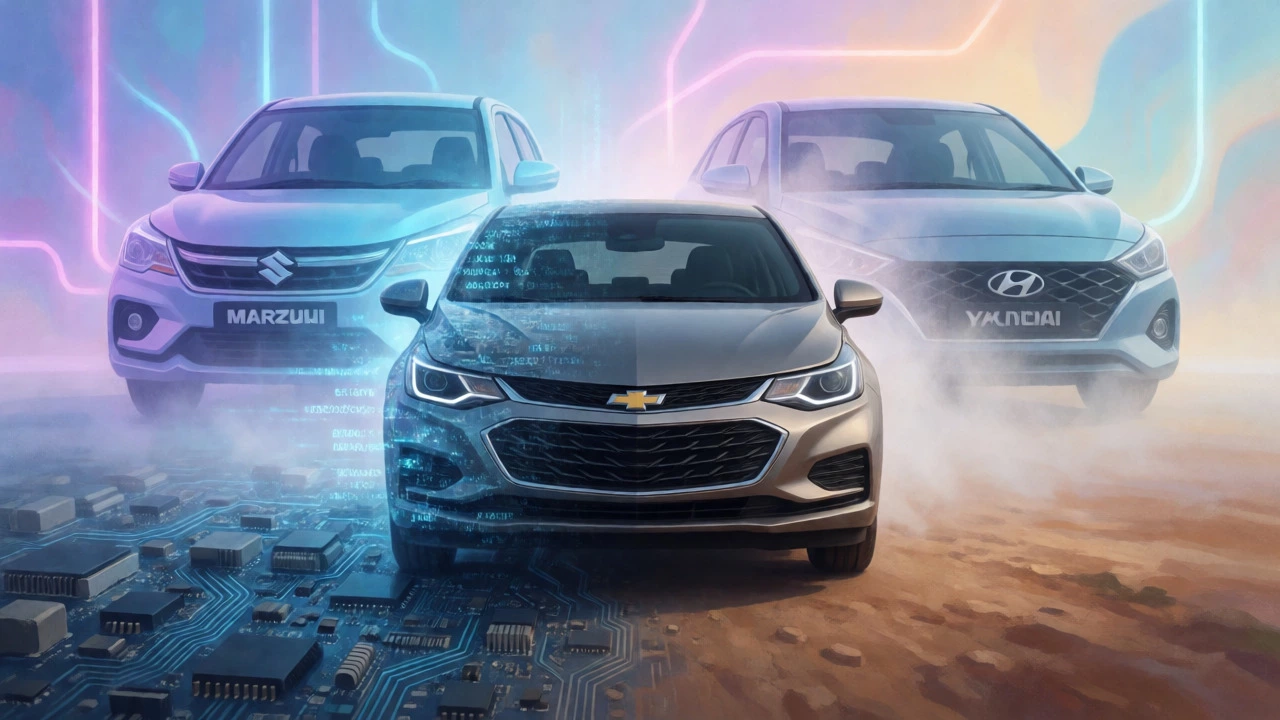
While GM was struggling, its competitors were adapting aggressively. Maruti Suzuki dominated the entry-level segment with unbeatable reliability and network reach. Hyundai captured the mid-segment with stylish designs and excellent customer care. Meanwhile, local players like Tata Motors and Mahindra were carving out strong niches in commercial vehicles and SUVs.
GM’s strategy of relying on imported components for some models made them vulnerable to currency fluctuations. When the rupee weakened against the dollar, production costs skyrocketed. Competitors who sourced locally or had better hedging strategies could absorb these shocks without raising prices drastically. Chevrolet couldn't match their agility.
The Strategic Pivot: Why Staying Didn't Make Sense
It wasn't just about losing money on sales. It was about opportunity cost. GM realized that continuing to pour resources into India yielded diminishing returns. Every dollar spent trying to fix the dealership network or launch a new model here was a dollar not spent on China, North America, or South America-markets where GM had stronger footholds and higher profit margins.
By 2017, the decision became clear. The Halol plant was idled. Sales operations wound down. But here’s a twist: GM didn’t completely abandon India. They retained their engineering center in Bangalore. Why? Because Indian engineers are highly skilled and cost-effective. Today, the General Motors Technical Centre India (GTCI) plays a crucial role in developing software and electrical architectures for global models. So, while you can't buy a new Chevy, your car’s infotainment system might have been coded in Bangalore.
Lessons for Other Manufacturers
The Chevrolet story isn't unique. Several foreign brands have exited India, including Ford, Mitsubishi, and Peugeot (though Peugeot returned). What separates the survivors from the leavers?
- Localization is Key: You must build cars *for* India, not just sell global cars *in* India. Look at how Suzuki localized the Swift or Hyundai tailored the i20.
- Network Depth Matters: Having 300 dealerships means nothing if they aren't profitable or well-serviced. Consistency beats coverage.
- Pricing Psychology: Indian buyers often stick to psychological price points. Being ₹10,000 over a competitor can kill sales.
- Long-Term Commitment: You need patience. Building a brand takes 10+ years. GM gave up after 20, but the intensity of competition increased exponentially in the last decade.
What Happened to Existing Owners?
If you own a Chevrolet today, don't panic. GM committed to honoring warranties and providing spare parts for several years post-exit. Companies like Force Motors even stepped in to help with certain service aspects. However, the resale market remains challenging. Most owners now rely on independent garages rather than authorized service centers, which requires finding mechanics familiar with GM electronics.
Interestingly, some enthusiasts argue that used Chevys are bargains. You get European-style build quality and safety features at a fraction of the original price. Just be prepared for longer wait times on specific parts.
The Future of Automotive Manufacturing in India
Does GM's exit mean India isn't a viable market? Absolutely not. India remains the third-largest auto market globally by volume. The shift is toward electric vehicles (EVs) and connected cars. New entrants like MG Motor (owned by SAIC) and Kia have entered with aggressive pricing and modern tech, gaining traction quickly.
The lesson for any manufacturer eyeing India is simple: Adapt or die. The market is too vast and diverse to ignore, but it punishes rigidity harshly. GM learned this the hard way, leaving behind a legacy of robust but misunderstood machines.
Did Chevrolet completely stop operating in India?
No, they stopped selling new cars and manufacturing vehicles in 2017, but they kept their engineering and R&D center in Bangalore active. This center continues to support global GM projects.
Can I still get my Chevrolet serviced in India?
Yes, but options are limited. Authorized service centers have reduced significantly. Many owners now use specialized independent workshops that stock GM parts. Spare parts availability has improved through third-party suppliers, though it may take longer than for mainstream brands.
Which Chevrolet model was the most popular in India?
The Chevrolet Beat was arguably their best-selling model due to its affordable price point. The Cruze also had a cult following among enthusiasts for its driving dynamics, despite lower sales volumes.
Why did Ford leave India too?
Similar to Chevrolet, Ford faced losses due to high operational costs, poor product-market fit, and intense competition from Maruti and Hyundai. They announced their exit in 2021, citing the need to focus on profitable global markets.
Is it safe to buy a used Chevrolet now?
It can be a good deal if you find a well-maintained unit. Prices are low due to stigma. However, ensure you have access to a reliable mechanic familiar with GM cars, as parts and service networks are thinner than before.