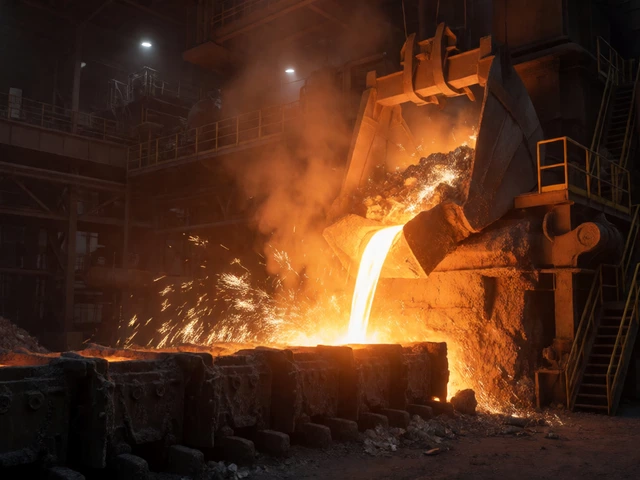
Who is the Largest Steel Fabricator in the United States?
Steel Supply Chain Partner Selector
Not sure who to contact? Answer these three questions to find the right type of partner for your steel project.
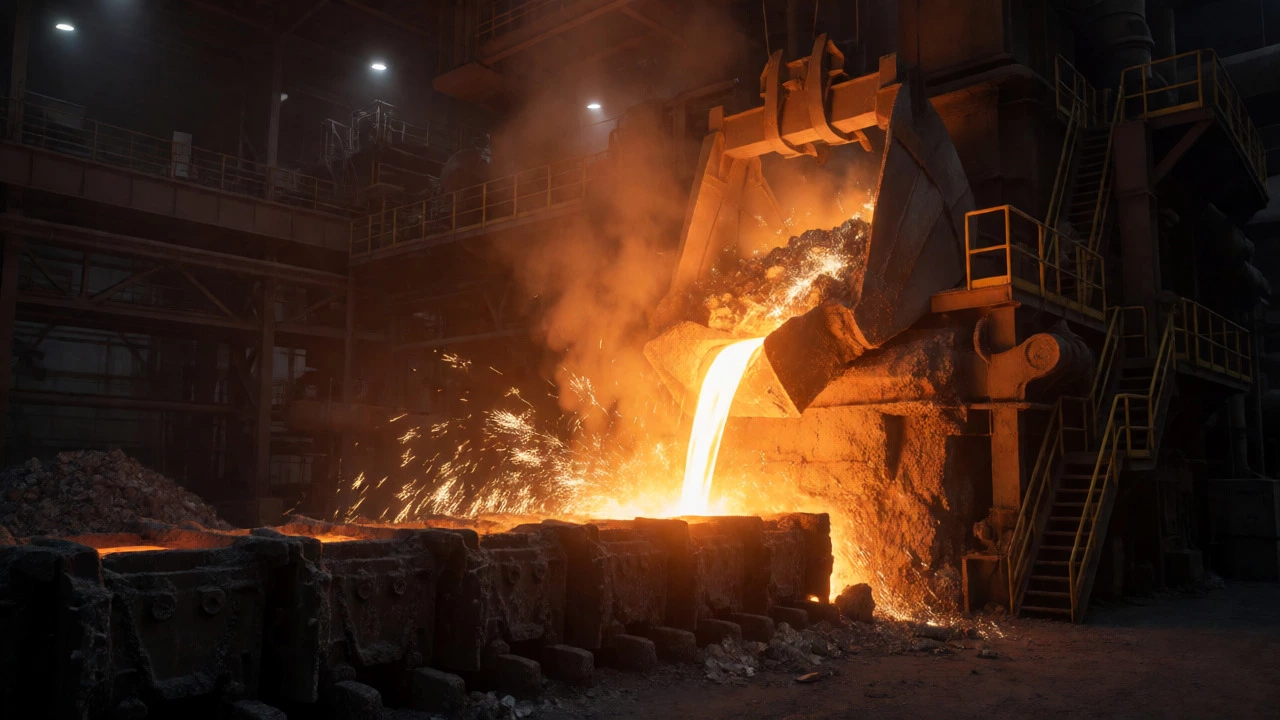
Ask ten people who makes the most steel in America, and you’ll get three different answers. Why? Because "steel" isn't just one thing. It’s molten iron poured into slabs, it’s beams welded into skyscrapers, and it’s coils rolled into car doors. If we’re talking about raw production volume, Nucor Corporation has held the title of the largest domestic steel producer for over a decade, outpacing legacy giants like U.S. Steel with its electric arc furnace model. But if you mean who actually cuts, bends, welds, and assembles that steel into usable structures-the true fabricators-the landscape shifts entirely to specialized firms like Leach & Croom or Steel Fab.
This distinction matters more than you might think. A mill produces the material; a fabricator creates the product. Understanding who leads which side of this equation helps you grasp where your money goes when you buy a bridge, a building frame, or an industrial machine. Let’s break down the real leaders in American steel, separating the producers from the processors, and look at what makes them dominant in 2026.
The Distinction Between Producers and Fabricators
Before naming names, we need to clear up a common confusion. In the supply chain, these are two distinct jobs-to-be-done. The first job is extraction and refinement: turning iron ore or scrap metal into raw steel shapes (slabs, billets, blooms). This is done by integrated mills or mini-mills. The second job is fabrication: taking those raw shapes and cutting, drilling, welding, and assembling them into components ready for installation. This is done by steel fabricators.
When search engines rank "largest," they often conflate revenue with tonnage. Nucor is the largest by both revenue and tonnage among producers. However, companies like Nucor also have massive downstream operations. They don’t just sell steel; they process it. This vertical integration blurs the line. But for the sake of clarity, we must separate entities that primarily melt steel from those that primarily shape it.
| Company | Primary Role | Key Technology | Market Position |
|---|---|---|---|
| Nucor | Producer & Processor | Electric Arc Furnace (EAF) | Largest Domestic Producer |
| U.S. Steel | Integrated Producer | Blast Furnace / Basic Oxygen | Major Legacy Player |
| Leach & Croom | Structural Fabricator | CNC Cutting/Welding | Top Structural Shop |
| ArcelorMittal USA | Global Producer | Hybrid (Blast/EAF) | Largest Global Parent |
Nucor: The Titan of Production and Processing
If you define "fabricator" loosely as any company involved in the making and shaping of steel, Nucor Corporation is the undisputed king. Headquartered in Charlotte, North Carolina, Nucor revolutionized the industry by ditching the expensive blast furnaces of the past in favor of Electric Arc Furnaces (EAF). This technology allows them to recycle scrap metal efficiently, lowering costs and carbon footprints compared to traditional methods.
In 2025, Nucor produced over 30 million tons of steel annually. That’s enough to build thousands of skyscrapers. But here’s the twist: Nucor doesn’t just sell raw steel. They operate hundreds of service centers and processing facilities across the US. They cut, slit, and coat steel for customers. So, while they aren’t a "job shop" fabricator in the traditional sense, their sheer volume of processed output dwarfs almost anyone else. When contractors ask, "Where do I get my steel?", Nucor is often the answer, either directly or through their network of distributors.
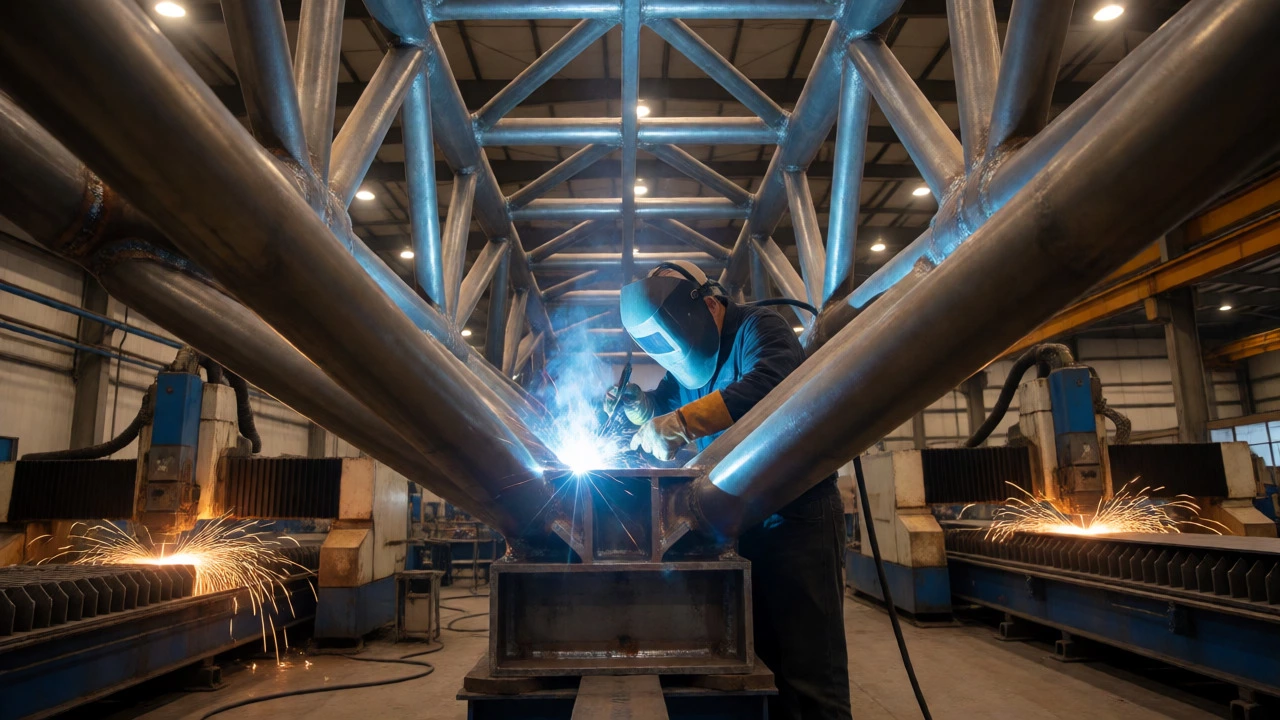
The True Structural Fabricators: Who Builds the Frames?
If you strip away the melting pots and focus strictly on companies whose core business is bending and welding steel into structures, the list changes. These are the shops that take beams and turn them into stadium roofs or warehouse frames. There isn’t one single "largest" because the market is fragmented regionally, but a few names consistently top the charts for revenue and capacity.
Leach & Croom, based in Texas, is frequently cited as one of the largest independent structural steel fabricators in the nation. They specialize in complex architectural steel for stadiums, airports, and high-rises. Their ability to handle massive, custom projects sets them apart from commodity processors. Similarly, Steel Fab and Kern-Limerick hold significant market share in specific regions and sectors. These companies compete on precision, speed, and engineering capability, not just tonnage.
Why does this fragmentation exist? Because shipping heavy steel long distances is expensive. A fabricator in Ohio won’t typically bid on a project in California unless the margins are huge. Therefore, "largest" depends on geography. Nationally, there is no single monopoly on fabrication like there is on production. Instead, you have regional champions.
Legacy Giants vs. Modern Mini-Mills
You can’t talk about US steel without mentioning U.S. Steel. Once the world’s first billion-dollar corporation, it remains a major player. Unlike Nucor’s scrap-based EAF model, U.S. Steel relies heavily on integrated blast furnaces that use iron ore and coal. This method produces higher-quality virgin steel, preferred for certain automotive and appliance applications where purity matters.
However, the tide has turned. The Environmental Protection Agency’s tightening regulations and the economic volatility of iron ore prices have made the EAF model more attractive. Nucor’s dominance reflects this shift. By 2026, nearly 70% of new US steel capacity comes from EAF plants. This means the "largest" entity today is likely to remain the leader tomorrow, barring a massive technological disruption.
It’s worth noting that foreign ownership plays a role too. ArcelorMittal USA, part of the global giant ArcelorMittal, operates several large US plants. While they are a top producer, their fabrication capabilities are often outsourced or handled by subsidiaries, keeping them slightly behind Nucor in total domestic footprint.
How to Choose the Right Partner for Your Project
Knowing who is largest is academic until you have a bill of materials to fill. Here’s how to apply this knowledge:
- For Raw Material Volume: Go with Nucor or ArcelorMittal. You need consistent supply chains and bulk pricing. These companies offer stability and wide distribution networks.
- For Complex Structures: Look to specialized fabricators like Leach & Croom or regional equivalents. You need engineers who understand load-bearing dynamics, not just sellers of tonnage.
- For Custom Parts: Local job shops win. If you need 500 brackets with unique holes, a local CNC fabricator will beat a national giant on lead time and communication.
Don’t let the name "largest" fool you into thinking bigger is always better. A massive mill might treat a small order as an afterthought. A mid-sized fabricator might give you white-glove service. Assess your needs: Is it volume, complexity, or speed that drives your decision?
The Future of US Steel Dominance
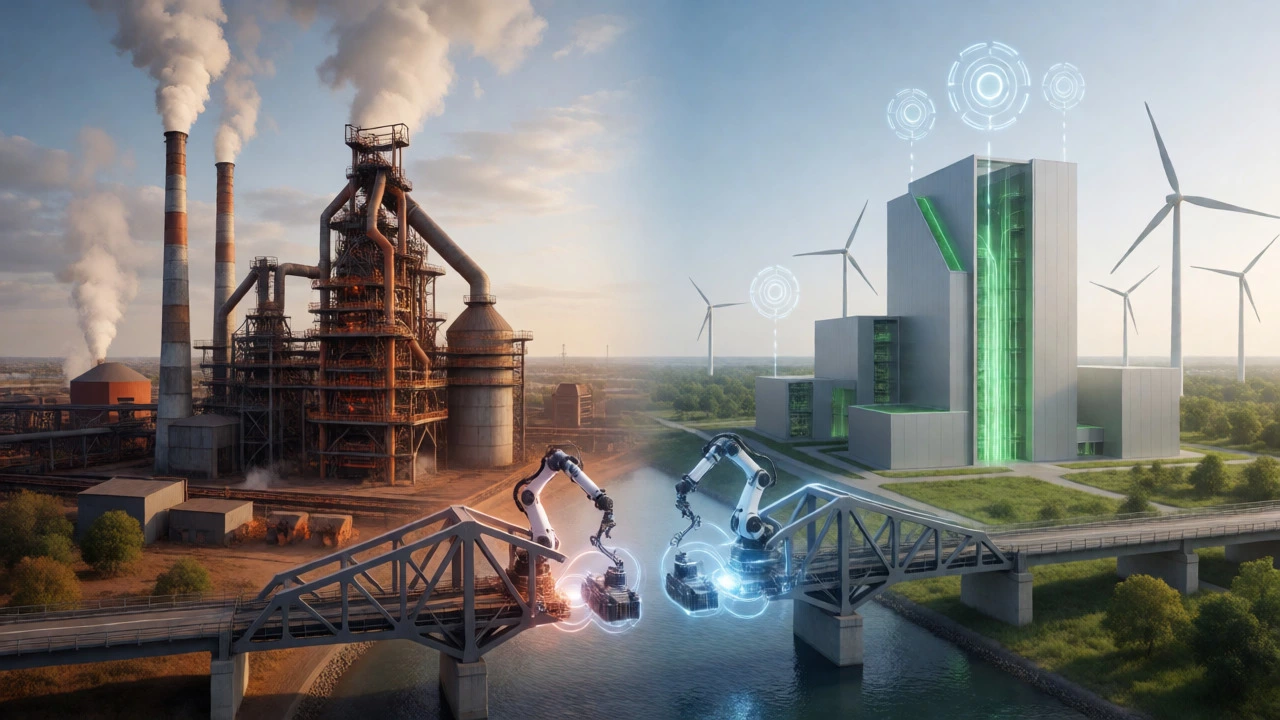
The race for the top spot isn’t static. Two factors could change the leaderboard by 2030. First, green steel. Companies investing in hydrogen-based direct reduction iron (DRI) technology are gaining traction. Nucor is already piloting these technologies. If they scale successfully, their cost advantage grows even larger.
Second, reshoring. As manufacturers move supply chains back to North America, demand for domestic fabrication spikes. This benefits agile, domestic fabricators over global conglomerates. We are seeing a trend where "largest" becomes less about total tonnage and more about responsiveness and sustainability credentials.
So, who is the largest? If you mean who melts the most steel, it’s Nucor. If you mean who builds the most visible structures, it’s a fragmented field led by specialists like Leach & Croom. Understanding this nuance ensures you hire the right partner for the right job.
Is Nucor really the largest steel company in the US?
Yes, by both annual production tonnage and revenue, Nucor Corporation is currently the largest domestic steel producer in the United States. They surpassed legacy integrated mills years ago due to their efficient electric arc furnace model.
What is the difference between a steel mill and a steel fabricator?
A steel mill produces raw steel from iron ore or scrap metal. A steel fabricator takes that raw steel and cuts, bends, welds, and assembles it into finished products like beams, columns, or machinery parts. Mills make the material; fabricators make the product.
Who is the largest structural steel fabricator?
There is no single undisputed leader for all types of fabrication, but Leach & Croom is widely recognized as one of the largest independent structural steel fabricators in the US, particularly for large-scale architectural projects.
Does U.S. Steel still produce steel in the US?
Yes, U.S. Steel continues to operate major integrated mills in the US, including facilities in Pennsylvania and Indiana. They remain a critical supplier for industries requiring high-purity virgin steel, such as automotive manufacturing.
Why is Nucor considered more sustainable than older mills?
Nucor uses Electric Arc Furnaces (EAF) that primarily recycle scrap metal. This process consumes significantly less energy and emits fewer greenhouse gases compared to traditional blast furnaces that rely on iron ore and coal.