Which State Is the Largest Producer of Chemicals in India?
Chemical Production Comparison Tool
Compare Gujarat's chemical production dominance with other Indian states. Based on data showing Gujarat produces 39.5% of India's total chemical output.
Production Comparison
State 1
Key Fact:
State 2
Key Fact:
Based on data showing Gujarat dominates India's chemical sector with nearly 40% of total production.
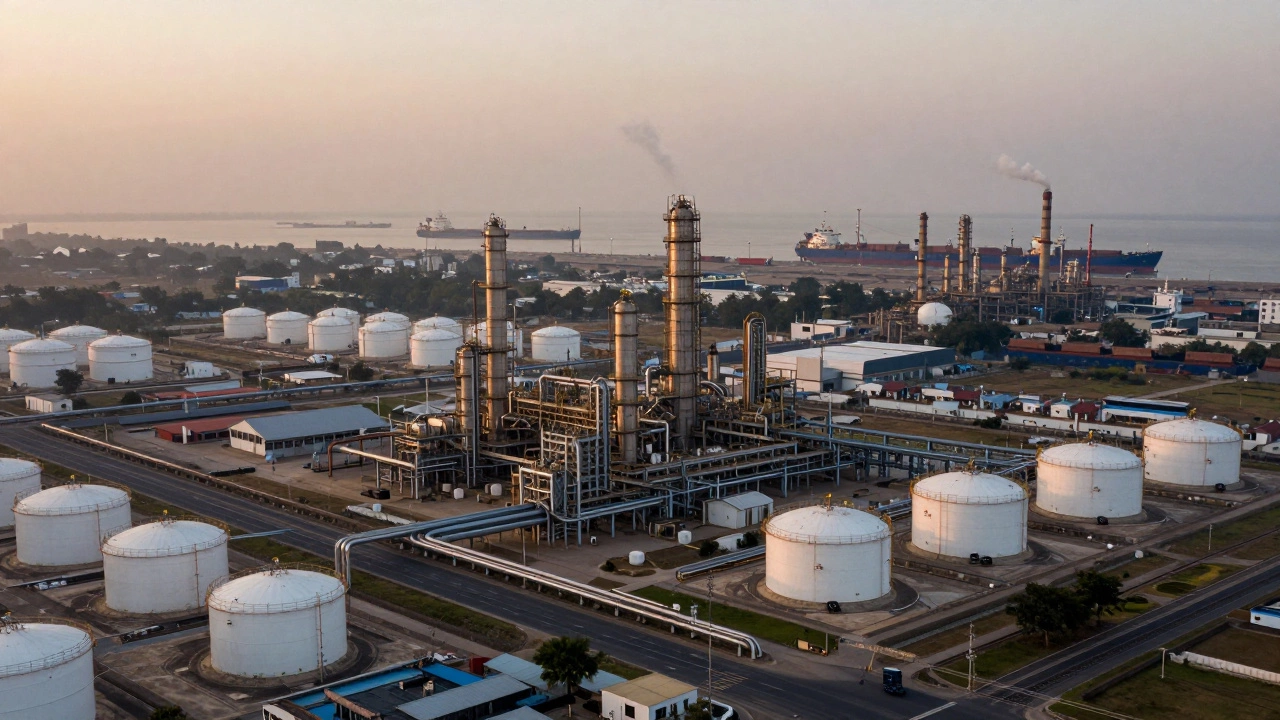
When it comes to chemical production in India, one state stands out far above the rest-not just in output, but in infrastructure, investment, and industrial density. If you’re wondering which state leads the nation in chemical manufacturing, the answer is simple: Gujarat. It isn’t even close. Gujarat produces nearly 40% of India’s total chemical output, making it the undisputed powerhouse behind the country’s chemical industry.
Why Gujarat Leads the Pack
Gujarat’s dominance isn’t accidental. It’s the result of decades of strategic planning, policy support, and infrastructure development. The state has over 1,500 chemical and petrochemical units, ranging from small-scale manufacturers to global giants like Reliance Industries, LG Chem, and DuPont. These companies don’t just operate here-they’ve built entire ecosystems around their plants.
The key? Location. Gujarat sits along the western coast, giving it direct access to international shipping routes. Major ports like Mundra, Hazira, and Dahej handle millions of tons of raw materials and finished chemicals every year. This cuts logistics costs dramatically compared to landlocked states. Add to that a well-connected road and rail network, and you’ve got the perfect setup for export-driven manufacturing.
Another major advantage is the presence of integrated chemical clusters. The Dahej Special Economic Zone (SEZ) alone hosts over 120 chemical plants, all sharing utilities, waste treatment facilities, and security systems. This kind of clustering reduces costs, improves safety, and boosts efficiency. No other state in India has replicated this model at the same scale.
What Chemicals Are Made There?
Gujarat doesn’t just make one type of chemical-it makes almost all of them. The state leads in:
- Petrochemicals: Ethylene, propylene, polyethylene, and polypropylene-used in plastics, packaging, and textiles.
- Specialty chemicals: Dyes, pigments, surfactants, and pharmaceutical intermediates.
- Agrochemicals: Fertilizers, pesticides, and herbicides, supporting India’s massive farming sector.
- Inorganic chemicals: Soda ash, sulfuric acid, caustic soda, and chlorine-all essential for industrial processes.
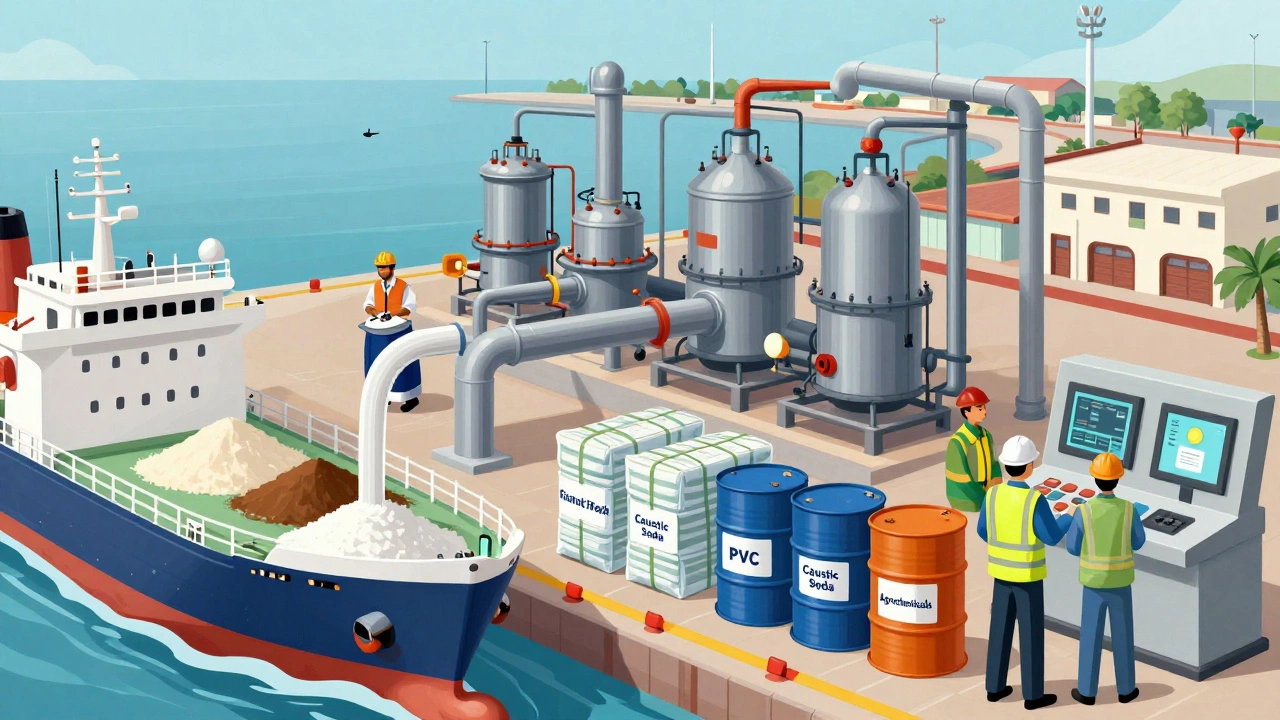
For example, over 70% of India’s PVC (polyvinyl chloride) is produced in Gujarat. The state also supplies nearly 60% of the country’s caustic soda, a critical ingredient in soap, paper, and aluminum production. Even global brands like BASF and Dow rely on Gujarat-based plants to supply their Asia-Pacific operations.
How Other States Compare
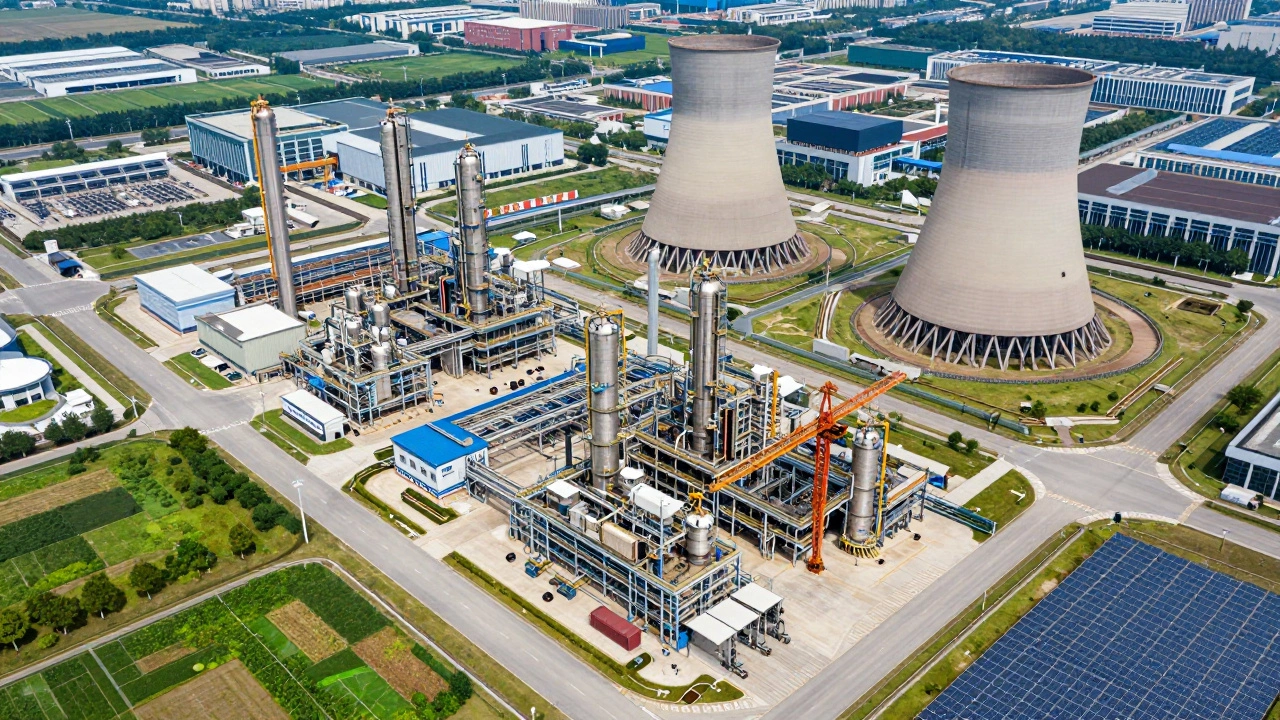
Other states do have chemical industries, but none come close to Gujarat’s scale.
Maharashtra ranks second, with about 15% of national output. It’s strong in pharmaceuticals and fine chemicals, especially around Mumbai and Navi Mumbai. But its petrochemical capacity is limited compared to Gujarat’s.
Rajasthan is a major player in inorganic chemicals like soda ash and calcium carbide, thanks to its salt lakes and mineral deposits. But it lacks the port access and integrated infrastructure to scale beyond niche segments.
Tamil Nadu has a growing chemical sector, especially in specialty chemicals and dyes. But its production volume is less than half of Gujarat’s.
Uttar Pradesh and West Bengal have older chemical plants, many of which are outdated or underutilized. They struggle with inconsistent power supply, poor logistics, and regulatory delays.
The Role of Government and Policy
Gujarat’s success isn’t just about geography-it’s about governance. The state government has offered long-term tax incentives, fast-tracked environmental clearances, and dedicated industrial land for chemical projects. The Gujarat Industrial Development Corporation (GIDC) has developed over 40 industrial areas specifically for chemical manufacturing.
In 2023, the state launched the “Chemical and Petrochemical Investment Policy,” guaranteeing 10-year tax holidays for new units investing over ₹500 crore. This policy alone attracted over ₹2.1 lakh crore in new investments between 2023 and 2025.
Compare that to other states, where approval processes can take 18-24 months. In Gujarat, the same process often takes under six months. That kind of speed matters when you’re competing globally.
Challenges and Future Outlook
Even with all its advantages, Gujarat faces challenges. Water scarcity is a growing concern-chemical plants use massive amounts of water for cooling and processing. The state is investing in wastewater recycling and desalination plants, but demand keeps rising.
Environmental regulations are tightening too. The National Green Tribunal has cracked down on illegal discharges, forcing older plants to upgrade. That’s good for sustainability, but it’s costly for smaller manufacturers.
Still, the future looks bright. India’s chemical market is expected to hit $300 billion by 2030, up from $160 billion in 2025. Gujarat is positioning itself to capture at least half of that growth. New projects include hydrogen-based chemical plants, biodegradable polymers, and advanced battery materials-all aligned with global green manufacturing trends.
What This Means for Businesses
If you’re a manufacturer, supplier, or investor looking at India’s chemical sector, Gujarat isn’t just an option-it’s the starting point. Whether you need raw materials, contract manufacturing, or export partners, the state’s ecosystem offers unmatched depth.
For startups, the presence of established players means easier access to technology transfer, skilled labor, and supply chain partners. For foreign companies, Gujarat’s export-ready infrastructure makes it the easiest entry point into the Indian market.
There’s no sugarcoating it: if you want to understand India’s chemical industry, you start in Gujarat. Everything else is secondary.
Which state produces the most chemicals in India?
Gujarat is the largest producer of chemicals in India, accounting for nearly 40% of the nation’s total output. It leads in petrochemicals, agrochemicals, and specialty chemicals, thanks to its integrated industrial clusters, port access, and supportive policies.
Why is Gujarat the top chemical-producing state?
Gujarat has the right combination of infrastructure, location, and policy. Its major ports (like Mundra and Hazira), dedicated chemical SEZs, streamlined approvals, and tax incentives make it the most attractive location for chemical manufacturers. Over 1,500 chemical units operate here, including global giants like Reliance and DuPont.
What are the main types of chemicals produced in Gujarat?
Gujarat produces a wide range of chemicals, including petrochemicals (ethylene, polyethylene), agrochemicals (fertilizers, pesticides), inorganic chemicals (soda ash, caustic soda), and specialty chemicals (dyes, surfactants, pharmaceutical intermediates). It supplies over 70% of India’s PVC and 60% of its caustic soda.
How does Gujarat compare to Maharashtra in chemical production?
Maharashtra is the second-largest chemical producer in India, contributing about 15% of national output. It excels in pharmaceuticals and fine chemicals, but lags behind Gujarat in petrochemical scale, port connectivity, and integrated industrial zones. Gujarat’s output is more than double Maharashtra’s.
Are there any new developments in Gujarat’s chemical industry?
Yes. Between 2023 and 2025, Gujarat attracted over ₹2.1 lakh crore in new investments for chemical projects. New focus areas include hydrogen-based production, biodegradable plastics, and battery materials. The state is also expanding wastewater recycling and desalination to support sustainable growth.
For anyone involved in manufacturing, supply chains, or industrial investment in India, understanding Gujarat’s role in chemical production isn’t optional-it’s essential.

Recent Posts
-
Who is the Main Exporter of Plastic? Top Countries and Companies in 2026
-
India's Oldest Pharma Company: A Look at Bengal Chemicals & Pharmaceuticals
-

Which Indian Wood is Strongest? A Guide for Furniture Makers
-
Who is the Largest Steel Fabricator in the United States?
-
Why Did Chevrolet Leave India? The GM Exit Explained