What’s Happening in India’s Chemical Industry?
India’s chemical sector is expanding fast. New factories, more exports and tighter safety rules are shaping how the industry works. If you’re a supplier, investor or student, knowing the current landscape helps you make smarter choices.
Key Growth Drivers
First, domestic demand is booming. Fast‑moving consumer goods, pharma and agro‑chemicals all need raw chemicals, and Indian makers are stepping up to fill the gap. Second, the government’s “Make in India” push gives tax breaks and easier land access, which lowers start‑up costs.
Third, global firms are opening R&D labs in Indian hubs like Hyderabad and Gujarat. They want to tap local talent and lower production expenses. This mix of local demand and foreign investment fuels a steady rise in capacity.
Regulation and Safety Trends
Regulators are tightening the rulebook. The 2025 banned chemicals list adds dozens of hazardous substances, forcing manufacturers to switch to safer alternatives. Compliance isn’t optional – non‑compliance can shut down a plant overnight.
Many companies are now adopting ISO‑14001 and other environmental management systems. These certifications not only keep plants legal but also open doors to eco‑conscious buyers overseas.
For small‑scale producers, the biggest hurdle is paperwork. Getting the necessary licenses – from State Pollution Control Boards to the Central Drugs Standard Control Organization – can take months. Hiring a compliance consultant can cut that time dramatically.
Technology is also reshaping the sector. Digital twins, AI‑driven process control and continuous flow reactors improve yield while cutting waste. Even traditional batch plants are adding smart sensors to monitor temperature, pressure and emissions in real time.
When it comes to talent, the industry faces a skills gap. Engineers with expertise in green chemistry and process safety are in short supply. Partnering with technical institutes or offering on‑the‑job training helps bridge that gap quickly.
Export markets are looking at Indian chemicals as cost‑effective alternatives to Chinese products. However, buyers demand consistent quality and reliable shipping. Investing in robust logistics networks and building strong relationships with freight forwarders pays off.
Finally, sustainability is no longer a buzzword. Customers expect lower carbon footprints, recyclable packaging and transparent sourcing. Companies that publish a clear sustainability roadmap attract premium contracts and avoid future regulatory penalties.
Whether you’re launching a new plant, expanding an existing line or just curious about the market, focusing on compliance, technology and sustainability will keep you ahead in India’s chemical industry.
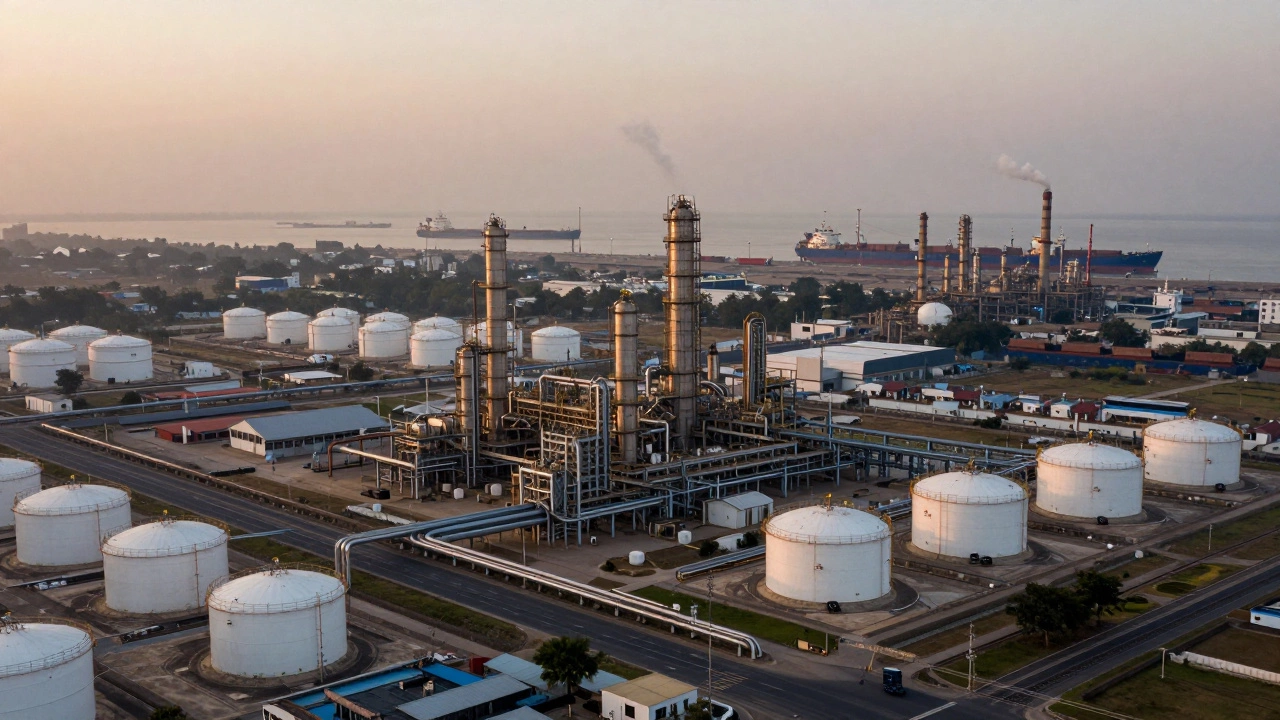
Which State Is the Largest Producer of Chemicals in India?
Gujarat is India's largest producer of chemicals, accounting for nearly 40% of national output. It leads in petrochemicals, agrochemicals, and specialty chemicals due to its ports, industrial clusters, and pro-business policies.
Read More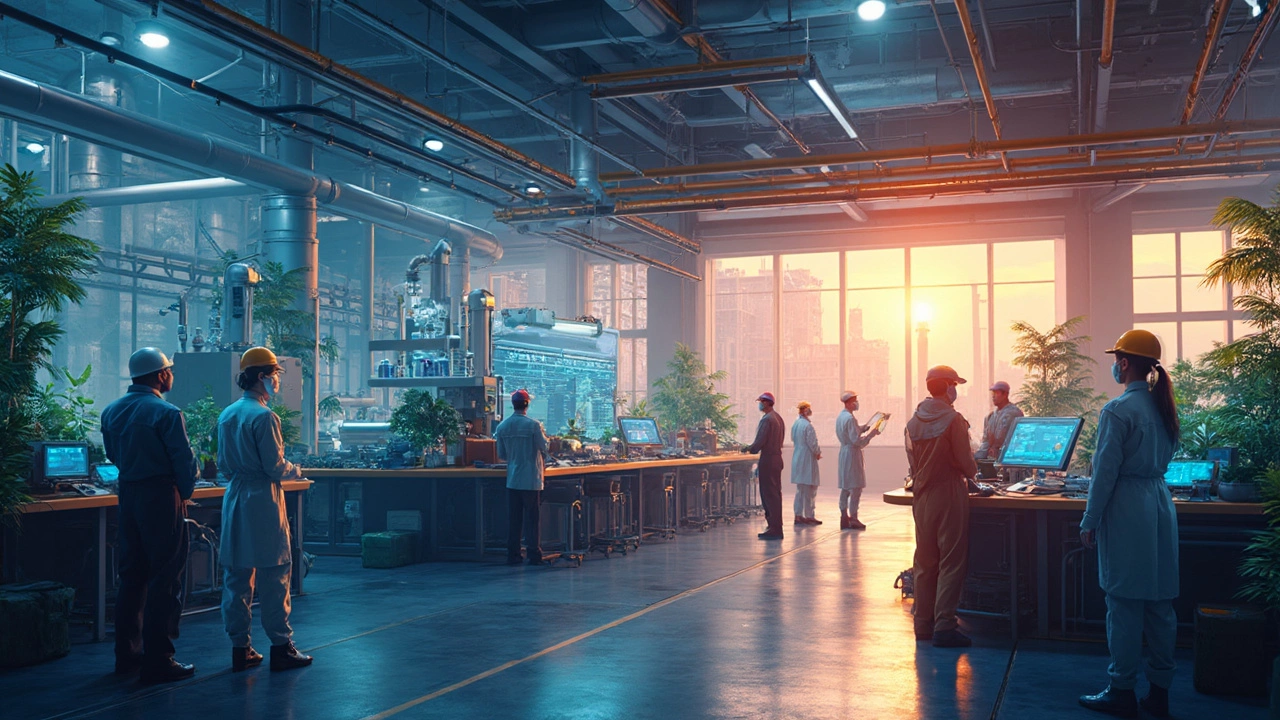
Chemical Industry Outlook 2024: What Indian Manufacturers Need to Know
India's chemical industry is bracing for a year of big opportunities and fresh challenges in 2024. Policy shifts, global demand swings, and new tech trends are all playing a role. Companies are looking for ways to boost local production, stay competitive, and handle the surging costs of raw materials. This article breaks down what manufacturers can expect and how they can keep up. Find real-life strategies, important sector trends, and vital tips for Indian chemical businesses in 2024.
Read MoreRecent Posts
-
Top 3 Furniture Manufacturing Countries: China, Vietnam, and the USA
-
Highest Profit Margin Manufacturing Products: Top Ideas for Startups
-
Top Chemicals Imported into India: Key Sectors and Trends for 2026
-
MES vs MOM: Key Differences Explained for Modern Manufacturing
-

The World's Most Expensive Furniture: From the $25M Chair to Indian Luxury Craftsmanship