Top Manufacturing Business Ideas That Make a Lot of Money in 2026
Manufacturing Profitability Calculator
Estimated Monthly Net Profit
Analysis
Money doesn't come from just selling things; it comes from creating them. When you control the production process, you control the margins. That is why manufacturing remains one of the most reliable paths to building serious wealth. But not all factories are created equal. Some industries operate on razor-thin margins where volume is king, while others allow for high markups because they solve urgent, expensive problems.
If you are looking to start a business that generates significant cash flow, you need to look beyond generic assembly lines. You need to identify sectors with high demand elasticity, recurring revenue models, or specialized technical barriers that keep competition low. In 2026, the landscape has shifted towards sustainability, automation, and niche customization. Here is a breakdown of specific manufacturing businesses that make a lot of money, why they work, and how you can get started.
The High-Margin Powerhouse: Specialized Electronics Assembly
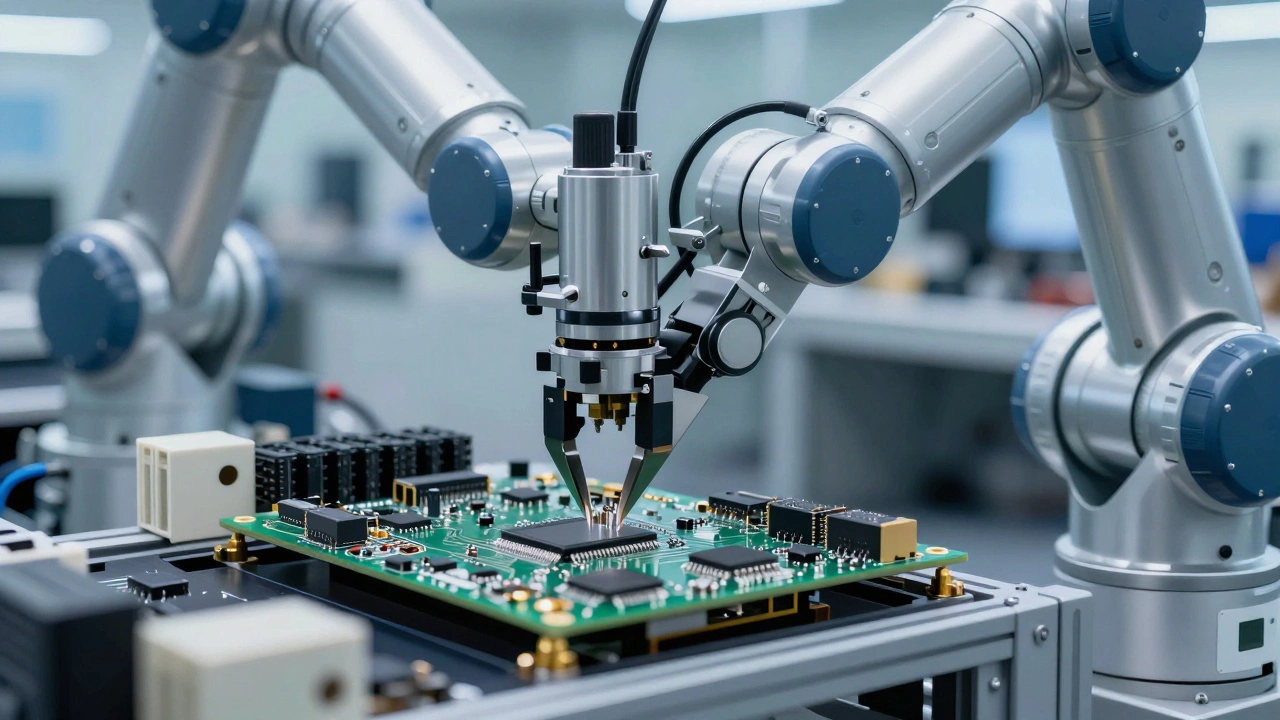
Forget about trying to build the next smartphone. The real money in electronics isn't in consumer gadgets anymore; it's in the components that keep modern infrastructure running. Printed Circuit Board (PCB) assembly is a prime example. Every electric vehicle, every medical device, and every smart home sensor needs custom circuit boards.
Why does this business make so much money? Because the barrier to entry is technical, not just financial. If you have the right equipment-like pick-and-place machines and reflow ovens-and the engineering know-how to design layouts, you can charge premium rates. Companies will pay you to ensure their products don't fail in the field. A single contract with a mid-sized IoT company can secure your revenue for years. The key here is specialization. Don't try to be everything to everyone. Focus on high-reliability sectors like automotive or medical devices where errors cost millions, so clients pay extra for precision.
- Initial Investment: Moderate to High ($50k - $200k depending on automation level)
- Profit Margin: 20% - 40%
- Growth Driver: Internet of Things (IoT) expansion
The Green Gold Rush: Recycled Plastic Products
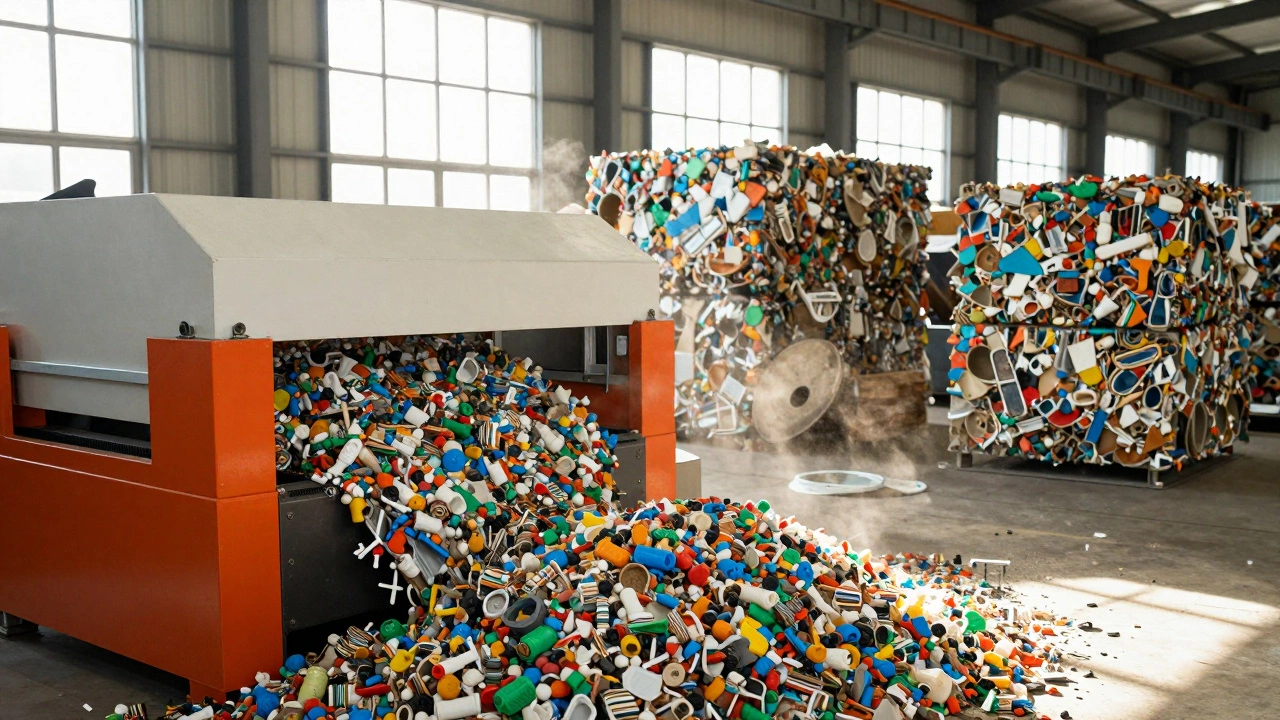
The world is waking up to the plastic crisis, but banning plastic entirely isn't happening overnight. Instead, governments and corporations are demanding recycled alternatives. This creates a massive opportunity in recycled plastic manufacturing. You aren't just making plastic chairs; you are turning waste into a commodity.
This business model works because your raw material is often free or very cheap. Scrap dealers pay you to take their waste. You clean, shred, melt, and mold it into construction materials, park benches, or packaging pellets. The margin structure is inverted compared to traditional manufacturing. Your biggest cost is energy and labor, not raw materials. As regulations tighten globally, companies are forced to use recycled content, giving you a captive market. Plus, you can often claim tax incentives or green grants, which further boosts your bottom line.
| Business Type | Raw Material Source | Cost Stability | Margin Potential |
|---|---|---|---|
| Traditional Plastic Injection | Virgin Petroleum Resin | Low (Oil price dependent) | 10-15% |
| Recycled Plastic Extrusion | Post-Consumer Waste | High (Stable/Low) | 25-35% |
| Custom Metal Fabrication | Steel/Aluminum Alloys | Medium | 15-20% |
The Steady Earnings: Custom Packaging Solutions
Every product sold online needs a box. With the continued growth of e-commerce, the demand for packaging is insatiable. However, generic cardboard boxes are a race to the bottom on price. The money is in custom corrugated packaging.
Brands spend heavily on unboxing experiences. They want boxes that fit their products perfectly to reduce shipping damage and void fill, and they want branding printed directly on the packaging. By setting up a corrugated roll-to-sheet converter and a printing press, you become an essential partner to DTC (Direct-to-Consumer) brands. The beauty of this business is recurring revenue. Once a brand designs a box for their flagship product, they order thousands of them every month. You lock in long-term contracts, and the volume scales easily. Automation plays a huge role here; once the die-cutting template is set, the machine runs at high speed with minimal human intervention.
The Health Sector: Private Label Supplements
Health and wellness is a trillion-dollar industry, and supplements are the fastest-growing segment. You don't need to be a chemist to enter this space. Private label supplement manufacturing allows you to produce vitamins, protein powders, and herbal extracts under your own brand or for other brands.
This business makes a lot of money because the perceived value of health products is incredibly high. A capsule costing 10 cents to produce can sell for $30 if marketed correctly. The regulatory hurdles are significant-you must adhere to Good Manufacturing Practices (GMP)-but these same rules keep out casual competitors. If you invest in quality control and certifications, you can command premium prices. Many successful entrepreneurs start by formulating a unique blend, getting it manufactured in a compliant facility, and then scaling up their own production as sales grow. The margin potential here is among the highest in manufacturing, often exceeding 50% after marketing costs.
The Industrial Backbone: CNC Machining Services
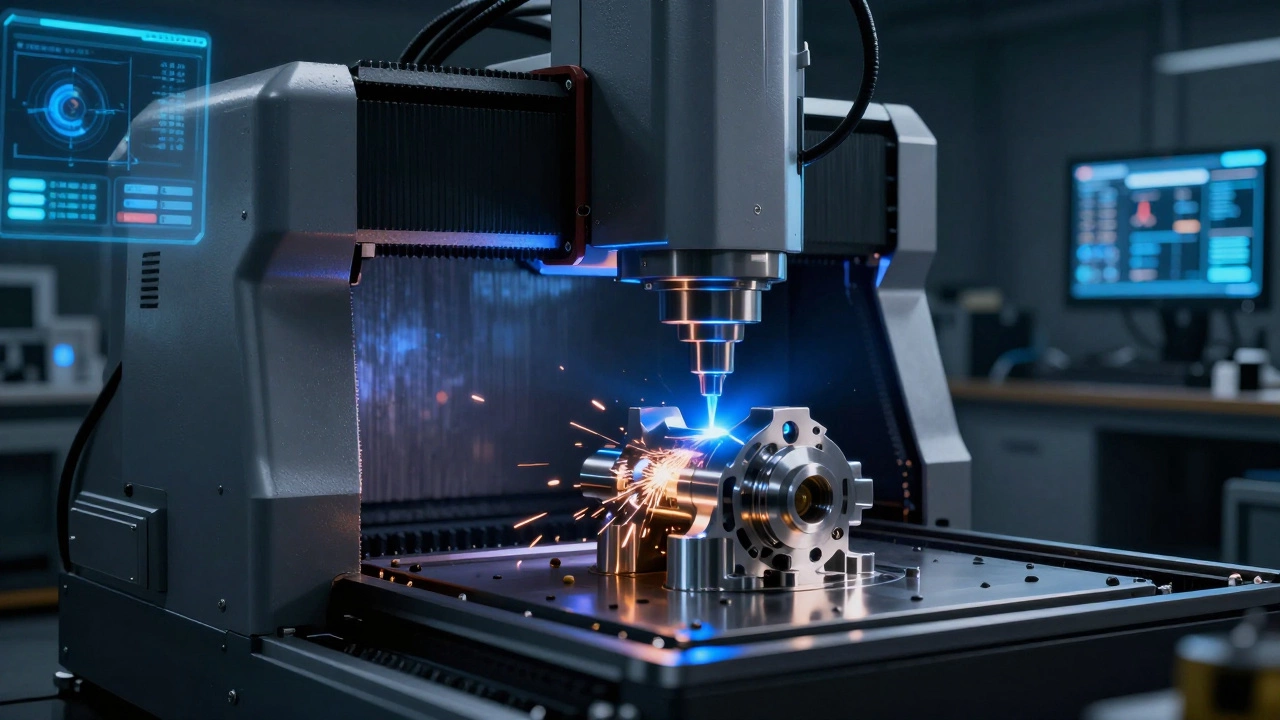
Not every manufacturing business requires mass production. Sometimes, the highest profits come from making one-off, highly complex parts. CNC machining services cater to aerospace, defense, and medical industries where precision is non-negotiable.
You buy high-end CNC mills and lathes, hire skilled machinists, and offer rapid prototyping or low-volume production. The pricing model is based on machine time and complexity. A part that takes two hours to machine might cost hundreds of dollars, even if the material is cheap aluminum. This business thrives on expertise. If you can solve difficult engineering challenges quickly, companies will pay a premium for speed and accuracy. It’s a service-heavy manufacturing model, meaning your primary asset is your skill and your machines, not inventory. This reduces risk and increases cash flow flexibility.
How to Choose the Right Path for You
Choosing a manufacturing business isn't just about picking the highest margin. It's about matching the business model to your resources and risk tolerance. Ask yourself these questions before investing:
- Do you have access to capital? Heavy machinery requires significant upfront investment. If funds are limited, consider contract manufacturing or starting with manual processes that can be automated later.
- What is your technical expertise? Electronics and CNC machining require deep technical knowledge. Packaging and plastic recycling are more operationally focused. Pick a lane where you can either leverage existing skills or afford to hire experts.
- Who is your customer? B2B (Business-to-Business) manufacturing offers stable, large orders but longer sales cycles. B2C (Business-to-Consumer) offers faster feedback but requires heavy marketing spend. Most profitable manufacturing businesses focus on B2B relationships.
Another critical factor is location. Proximity to raw materials reduces logistics costs. For example, a plastic recycling plant near a major city has easier access to scrap sources. A packaging plant near distribution hubs can ship faster. Analyze your local supply chain before committing to a site.
Scaling Beyond Production
To truly maximize profits, you must think beyond the factory floor. The most successful manufacturers integrate vertically. If you make packaging, consider offering design services. If you make supplements, build a direct-to-consumer website. Adding value at each step captures more margin.
Also, embrace digital tools. Modern manufacturing relies on data. Use ERP (Enterprise Resource Planning) software to track inventory, predict maintenance needs, and optimize production schedules. Reducing downtime by even 5% can significantly boost annual profit. In 2026, efficiency is the new competitive advantage. The factories that win are not necessarily the cheapest; they are the most responsive and reliable.
What is the most profitable small-scale manufacturing business?
For small-scale operations, private label food processing (like hot sauces or snacks) and custom packaging often yield the highest profit margins due to low raw material costs and high perceived value. These businesses require less heavy machinery and can be started with under $50,000.
How much money do I need to start a manufacturing business?
The investment varies widely. Small-scale businesses like candle making or basic textile printing can start with $10,000-$30,000. Medium-scale operations like plastic extrusion or PCB assembly typically require $100,000-$500,000 for machinery, facility setup, and initial inventory. Always budget an additional 20% for unexpected costs.
Is manufacturing still a good business in 2026?
Yes, absolutely. While some low-skill manufacturing has moved overseas, high-value, localized manufacturing is growing. Trends like reshoring, sustainability mandates, and the demand for customized products create strong opportunities for agile manufacturers who can respond quickly to market changes.
What are the biggest risks in starting a manufacturing business?
The top risks include supply chain disruptions, rising energy costs, and regulatory compliance failures. To mitigate these, diversify your suppliers, invest in energy-efficient machinery, and consult with legal experts early to ensure you meet all safety and environmental standards.
Can I start a manufacturing business without a factory?
Yes, through contract manufacturing. You can design your product and hire an existing factory to produce it. This reduces upfront capital expenditure but lowers your control over quality and margins. It’s a great way to test the market before investing in your own production facility.