Who Does Ford Buy Steel From? Top Suppliers and Sourcing Strategy
Ford Steel Supplier & Sourcing Strategy Tool
Select a major supplier below to see their profile, or choose a vehicle context to understand specific sourcing requirements.
Nucor Corp
Mini-Mill (Electric Arc) Recycling Leader Low CarbonU.S. Steel
Integrated Mill (Blast Furnace) High Volume Sheet MetalCleveland-Cliffs
Flat-Rolled Producer Hydrogen DRI Green TechSteel Dynamics
Mini-Mill & Recycling Advanced AHSS R&D FocusDefault View
North AmericaSelect a supplier or scenario to view detailed sourcing information.
Strategic Insight
Information will appear here based on your selection.
Ford Motor Company doesn't just buy steel from one place. In fact, they source it from a complex web of domestic mills, international giants, and specialized producers. If you are wondering who does Ford buy steel from, the answer involves names like Nucor, U.S. Steel, and Thyssenkrupp, among others. But it’s not just about who sells the metal; it’s about why Ford chooses them.
In 2026, the automotive supply chain is under intense scrutiny. Geopolitical tensions, environmental regulations, and the shift toward electric vehicles have changed how carmakers think about raw materials. Ford has publicly committed to using 100% North American-made steel for its vehicles built in North America. This pledge shapes every procurement decision they make today.
The Core Principle: North American Steel for North American Cars
Back in 2019, Ford announced a major policy change. They decided to source all steel used in their North American vehicle production from mills within the United States and Canada. This wasn’t just a marketing move. It was a strategic response to rising protectionist policies and a desire to stabilize costs by reducing exposure to volatile global markets.
This commitment means that if you drive a Ford F-150 or a Mustang assembled in Detroit, Dearborn, or Oakville, the sheet metal forming its body comes from local furnaces. For Ford, this reduces shipping distances, lowers carbon footprints associated with logistics, and strengthens ties with domestic unions and governments.
However, "North American" doesn’t mean "single supplier." The continent hosts dozens of steel producers, each with different strengths. Some specialize in high-strength low-alloy (HSLA) steel for crash structures. Others focus on ultra-high-strength steel for lightweighting efforts crucial for fuel efficiency and EV range.
Major Domestic Suppliers: The Big Players
When we look at the volume of steel purchased, a few names stand out. These companies operate large-scale integrated mills or mini-mills capable of producing millions of tons annually.
| Supplier Name | Type of Mill | Key Products for Ford | Primary Location |
|---|---|---|---|
| Nucor Corporation | Mini-Mill (Electric Arc Furnace) | HSLA Steel, Structural Sections | Multiple US States |
| U.S. Steel | Integrated Mill (Blast Furnace) | Sheet Steel, Hot-Rolled Coil | Pittsburgh, PA / Youngstown, OH |
| Cleveland-Cliffs Inc. | Flat-Rolled Steel Producer | Hot-Rolled and Cold-Rolled Sheet | Detroit, MI (HQ), Multiple Mills |
| Steel Dynamics, Inc. | Mini-Mill & Recycling | Advanced High-Strength Steel | td>Fort Wayne, IN (HQ) |
| Thyssenkrupp Steel Europe | Specialty Steel | Tool Steels, Components | Germany (Global Operations) |
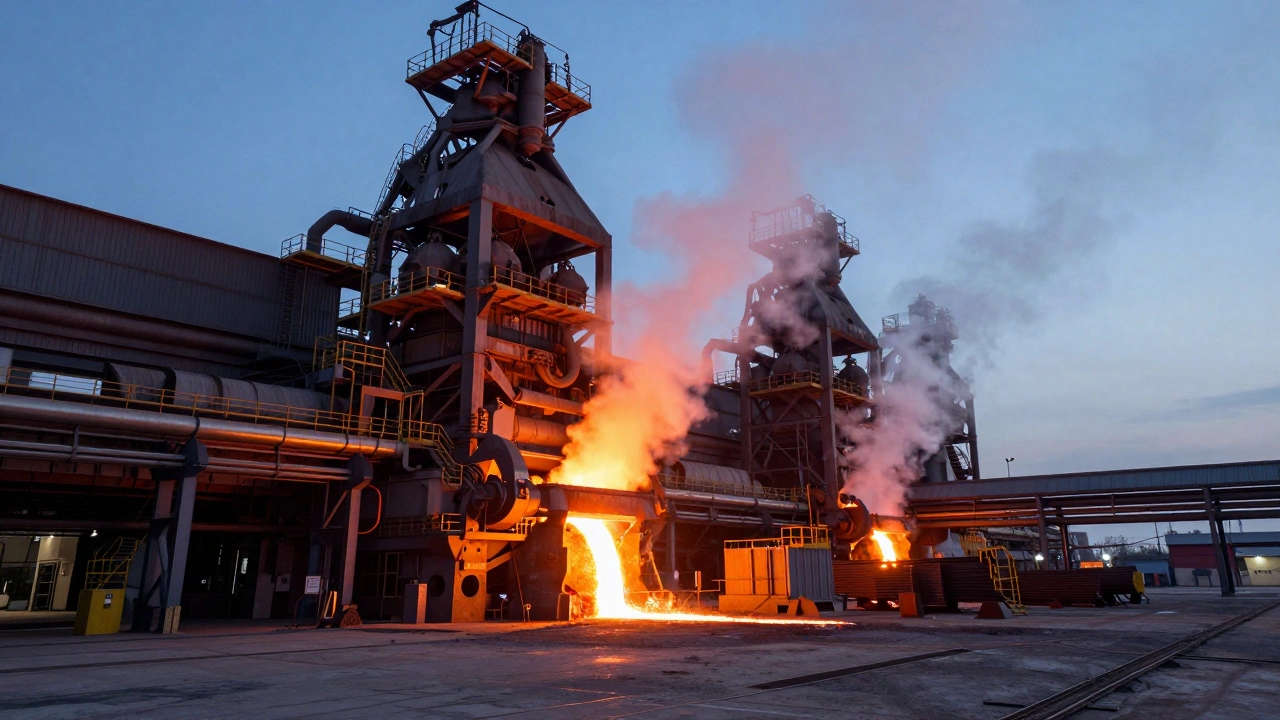
Nucor Corporation is the largest steel producer in the United States. Known for its efficient mini-mill technology, Nucor uses recycled scrap steel melted in electric arc furnaces. This method is cheaper and less carbon-intensive than traditional blast furnaces. Ford values Nucor for its flexibility and ability to produce specific grades of HSLA steel needed for modern unibody frames.
U.S. Steel is one of the oldest and most iconic steelmakers in America. Despite financial struggles in recent years, U.S. Steel remains a critical partner for Ford. Their integrated mills in Pennsylvania and Ohio produce vast quantities of hot-rolled coil, which is then processed into cold-rolled sheet metal for car bodies. The proximity of these mills to Ford’s assembly plants in Michigan and Ohio minimizes transport costs.
Cleveland-Cliffs Inc. is a leading flat-rolled steel producer formed from the merger of two historic companies. After emerging from bankruptcy in 2020, Cleveland-Cliffs restructured and became a key supplier again. They provide essential hot-rolled and cold-rolled sheets that form the outer panels of trucks and SUVs. Their direct investment in hydrogen-based direct reduced iron (DRI) plants also aligns with Ford’s long-term decarbonization goals.
International Partners: Where Does Ford Source Globally?
While the North American mandate covers vehicles built in the US and Canada, Ford operates globally. Plants in Germany, Turkey, China, and South America require local steel sourcing due to logistical impracticalities and trade tariffs.
In Europe, Ford relies heavily on Thyssenkrupp Steel Europe is a German industrial group providing specialty steels and components. Thyssenkrupp supplies advanced materials for the Ford Focus and other European models. They also provide tool steels and engineering components for manufacturing equipment itself.
Another significant player is POSCO is South Korea's largest steelmaker and a global leader in automotive steel. POSCO has long supplied Ford with high-quality sheet steel, particularly for models assembled in Asia and potentially for export markets. Their expertise in ultra-high-strength steel helps Ford meet stringent safety standards while keeping vehicle weight down.
In China, Ford collaborates with local giants like China Baowu Steel Group is the world's largest steel producer by volume. As Ford expands its presence in the Chinese market through joint ventures with Changan Automobile, sourcing locally from Baowu ensures competitive pricing and compliance with local content requirements.
Why Supplier Diversity Matters for Ford
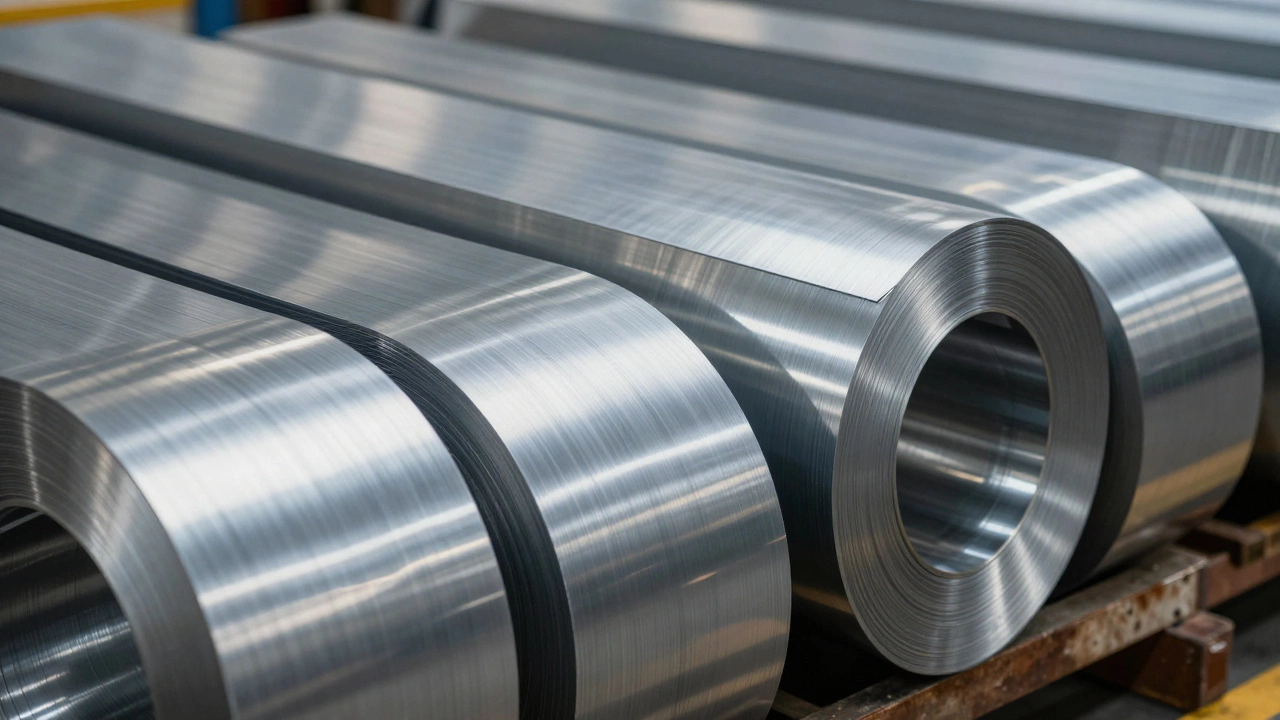
You might wonder why Ford doesn’t just pick the cheapest supplier and stick with them. The reality is that steel isn’t a commodity like wheat. Different parts of a car need different types of steel.
- Body-in-white: Requires deep-drawable sheet steel that can be stamped into complex shapes without cracking.
- Crash structures: Needs ultra-high-strength steel (UHSS) that absorbs impact energy effectively.
- Suspension components: Demands alloy steels with high fatigue resistance.
- Exhaust systems: Uses stainless steel alloys resistant to heat and corrosion.
No single mill produces all these varieties efficiently. By diversifying suppliers, Ford mitigates risk. If one plant shuts down for maintenance or faces a labor dispute, others can ramp up production. This redundancy is vital for maintaining just-in-time manufacturing schedules.
Furthermore, technological innovation drives supplier selection. Companies like Steel Dynamics is a vertically integrated steel company known for recycling and advanced metallurgy. invest heavily in R&D to develop new steel grades that offer better strength-to-weight ratios. Ford engineers work closely with these partners to co-develop materials tailored for next-generation platforms.
The Impact of Electric Vehicles on Steel Sourcing
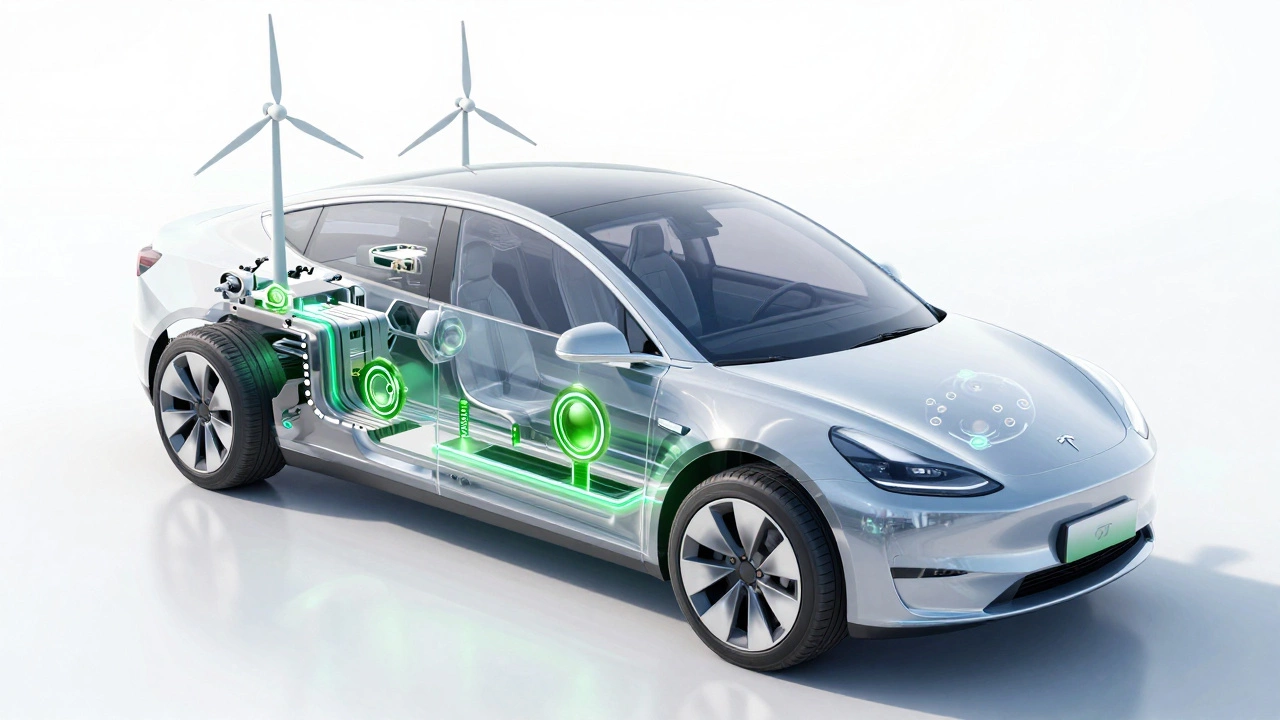
The transition to electric vehicles (EVs) is reshaping Ford’s steel needs. EVs generally require more steel than internal combustion engine (ICE) vehicles because batteries are heavy and need robust protection. However, the goal is still lightweighting to maximize range.
This creates a paradox: use more steel, but make it lighter. The solution lies in advanced high-strength steel (AHSS). These alloys allow thinner gauges without sacrificing structural integrity. Suppliers like Nucor and U.S. Steel have expanded their AHSS capabilities specifically to serve automakers transitioning to EVs.
Additionally, sustainability is no longer optional. Ford aims to reduce scope 3 emissions (those from its supply chain) significantly by 2035. This pushes them toward suppliers adopting green steel technologies. Green steel refers to production methods that replace coal with hydrogen or renewable energy sources.
Cleveland-Cliffs’ investments in hydrogen DRI plants in Indiana position them well as a future partner. Similarly, Nucor’s reliance on electricity allows it to benefit from grid decarbonization. Ford actively monitors these developments and may prioritize contracts with suppliers demonstrating measurable progress toward net-zero production.
Challenges in the Current Supply Chain Landscape
Despite strong relationships, Ford faces challenges. Raw material prices fluctuate based on global demand, energy costs, and geopolitical events. The war in Ukraine disrupted nickel and chromium supplies, affecting stainless steel production. Tariff disputes between the US, EU, and China add uncertainty.
Labor relations also play a role. Many major US steel mills are unionized, often representing the United Steelworkers (USW). Contract negotiations can lead to strikes or wage increases that get passed on to automakers. Ford must balance fair compensation for workers with cost control pressures.
Quality consistency is another concern. Automotive steel must meet exacting tolerances. A slight variation in thickness or chemical composition can cause stamping defects or welding failures. Ford employs rigorous quality assurance protocols and conducts regular audits at supplier facilities to ensure compliance.
How You Can Verify Ford’s Steel Sources
If you’re an investor, researcher, or simply curious, how do you verify where Ford gets its steel? Publicly traded companies like Ford file annual reports (Form 10-K) with the Securities and Exchange Commission (SEC). While they don’t list every vendor, they disclose major suppliers and concentration risks.
Industry reports from firms like IHS Markit, Wood Mackenzie, and Argus Media provide detailed analyses of automotive steel flows. Trade publications such as American Metal Market and Modern Casting often cover contract awards and capacity expansions.
Additionally, corporate sustainability reports published by both Ford and its suppliers highlight partnerships focused on circular economy initiatives and low-carbon steel development. These documents offer insights into strategic directions beyond immediate procurement transactions.
Future Trends: What Lies Ahead for Ford’s Steel Strategy?
Looking ahead, several trends will influence Ford’s steel sourcing decisions. First, consolidation among steelmakers continues. Smaller players may merge or exit, giving larger firms more bargaining power. Second, digitalization enables smarter supply chains. Blockchain tracking could allow Ford to trace each batch of steel back to its origin, verifying ethical sourcing and carbon footprint data.
Third, regulatory pressure will intensify. Governments worldwide are implementing stricter emissions standards and border adjustment mechanisms targeting carbon-intensive imports. Ford will likely favor suppliers already compliant with these rules to avoid future penalties.
Finally, innovation in alternative materials won’t stop steel’s dominance entirely but may reduce its share. Aluminum, composites, and even carbon fiber are gaining traction in specific applications. However, steel remains unmatched in cost-effectiveness, recyclability, and performance for core structural elements. Ford’s strategy acknowledges this reality while preparing for gradual shifts.
Does Ford buy steel from China?
For vehicles manufactured in North America, Ford does not buy steel from China due to its 100% North American steel pledge. However, for vehicles produced in China or other Asian markets, Ford sources locally from suppliers like China Baowu Steel Group to comply with regional regulations and optimize logistics.
What type of steel does Ford use in cars?
Ford uses various types of steel depending on the application. Common types include Hot-Rolled Steel for structural frames, Cold-Rolled Steel for body panels, High-Strength Low-Alloy (HSLA) Steel for improved strength-to-weight ratio, and Ultra-High-Strength Steel (UHSS) for critical crash zones. Stainless steel is used for exhaust systems.
Why did Ford commit to using only North American steel?
Ford made this commitment to support domestic jobs, reduce supply chain vulnerabilities related to global shipping, lower carbon emissions from transportation, and respond to political pressures regarding trade fairness. It also simplifies compliance with potential future tariffs on imported metals.
Is Nucor a major supplier to Ford?
Yes, Nucor Corporation is one of Ford’s largest steel suppliers in the United States. As the biggest steel producer in the country, Nucor provides significant volumes of HSLA steel and structural sections used in Ford trucks and SUVs assembled domestically.
How does the shift to electric vehicles affect Ford’s steel usage?
Electric vehicles typically require more total steel weight due to battery packs needing robust protection. However, manufacturers aim to offset this by using thinner gauges of Advanced High-Strength Steel (AHSS) to keep overall vehicle weight manageable for optimal range. This increases demand for specialized, higher-grade steel products.

Recent Posts
-

Why Did Chevrolet Leave India? The GM Exit Explained
-
Who is the Largest Steel Fabricator in the United States?
-

India's Oldest Pharma Company: A Look at Bengal Chemicals & Pharmaceuticals
-

Which Indian Wood is Strongest? A Guide for Furniture Makers
-
Who is the Main Exporter of Plastic? Top Countries and Companies in 2026