The Easiest Manufacturing Business to Start in 2026: Low-Cost Ideas for Beginners
Manufacturing Business Suitability Analyzer
Answer 3 simple questions to find the perfect manufacturing niche for your situation in 2026.
What is your available startup budget?
What is your primary skill set?
How do you handle regulations?
Recommended Sector:
--
--
--
Starting a manufacturing business often sounds like you need millions in capital, massive warehouses, and complex machinery. The reality is quite different. In 2026, the rise of micro-factories and digital fabrication has made it possible to start a production line from a garage or a small rented unit. You don't need to build cars or chips to succeed. You just need to find a niche with high demand and low barrier to entry.
The question isn't really "what is the easiest business?" It is "what is the easiest business for me?" Ease depends on your skills, available space, and local regulations. However, some sectors are objectively simpler to launch than others because they require less regulatory red tape, cheaper raw materials, and smaller equipment footprints.
Why Manufacturing Is Still a Smart Move
Before picking an idea, let's look at why you would choose manufacturing over service or retail. Manufacturing creates tangible assets. When you make something, you control the supply chain. You aren't waiting for a dropshipper to send stock. You can adjust quality instantly. Margins in physical goods, once volume is reached, are often higher than service businesses where you trade time for money.
In 2026, consumer trends favor locally made, sustainable, and customizable products. Global shipping delays have pushed buyers toward local suppliers. This gives new entrants a chance to compete not on price alone, but on speed and personalization.
| Sector | Initial Investment (Est.) | Regulatory Complexity | Technical Skill Required | Scalability |
|---|---|---|---|---|
| Packaging & Labeling | Low ($5k - $15k) | Low | Low | High |
| Candles & Soaps | Very Low ($1k - $5k) | Medium (Safety Testing) | Low/Medium | Medium |
| Woodworking/Furniture | Medium ($10k - $30k) | Low | High | Medium |
| Food Processing | Medium/High ($20k+) | Very High (Health Codes) | Medium | High |
Idea 1: Custom Packaging and Labels
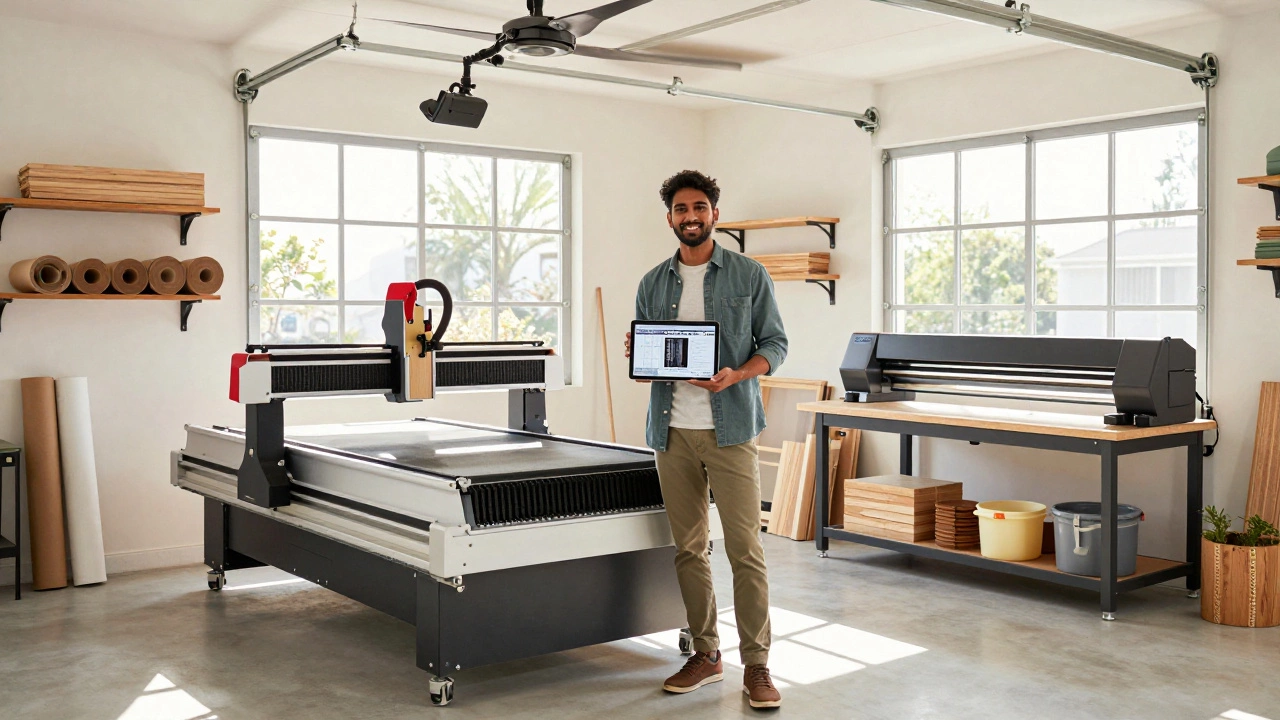
If you want the absolute lowest friction entry point, look at packaging. Every e-commerce seller, every local bakery, and every boutique needs boxes, bags, and labels. They don't want to order 10,000 units from overseas. They want 500 units next week with their logo.
You can start this with a large format printer and a cutting plotter. The raw materials-cardboard, paper, vinyl-are cheap and easy to source. The margin comes from customization and speed. You aren't competing with giant factories; you are competing against the hassle of international shipping.
This business model works well as a B2B service. You approach local brands and offer them "print-on-demand" packaging. It requires minimal technical skill beyond design software proficiency. The equipment footprint is small enough for a spare room or a small warehouse corner.
Idea 2: Candles and Artisan Soaps
Candle making is a classic small-scale manufacturing idea for a reason. The chemistry is simple: wax, wick, fragrance, and dye. The complexity lies in branding and consistency. In 2026, consumers are moving away from generic store-bought candles toward scents that tell a story or use eco-friendly materials like soy or beeswax.
The barrier to entry is incredibly low. You can mix batches in a kitchen (if allowed by local health codes) or a small studio. The equipment needed is basic: melting pots, thermometers, and molds. The challenge here is safety compliance. You must test your products for burn time and flame safety. Once you pass those tests, you can sell directly to consumers online or through local boutiques.
To stand out, focus on a niche. Maybe it's candles infused with essential oils for meditation, or soap bars designed for sensitive skin. The key is creating a brand identity that feels personal and premium.

Idea 3: Small-Scale Woodworking and Furniture
Woodworking appeals to those who enjoy craftsmanship. While traditional furniture making requires expensive lathes and saws, modern CNC (Computer Numerical Control) routers have changed the game. A desktop CNC router costs significantly less than a full workshop and can produce precise cuts for furniture components, signage, or decorative items.
The advantage of woodworking is the perceived value. Handmade or locally crafted wood items command higher prices. People love seeing the grain and knowing someone built it. You can start by making small items like cutting boards, phone stands, or picture frames to test the market before moving to tables and chairs.
Dust management and noise are the main operational challenges. You'll need a dedicated space with good ventilation. Also, sourcing sustainable timber is increasingly important for marketing purposes. Highlighting eco-friendly practices can be a major selling point.
Idea 4: Repurposed Plastic Products
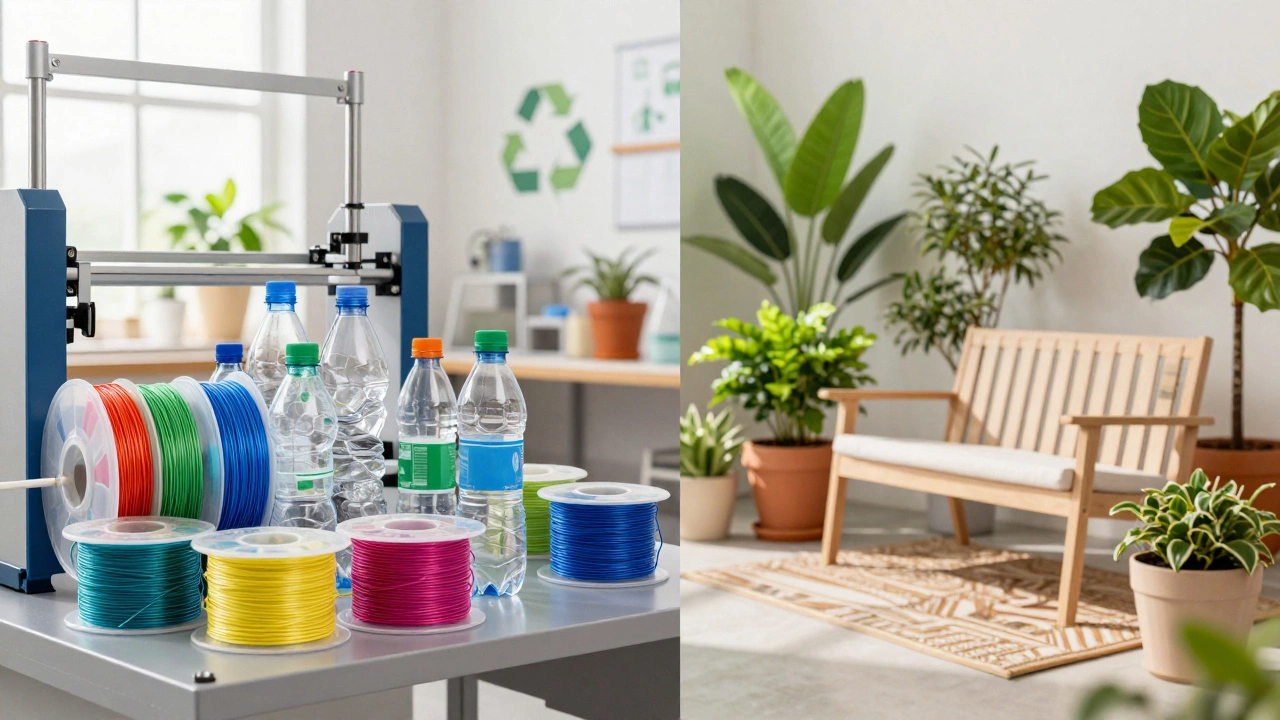
Sustainability is no longer a buzzword; it's a requirement. Turning plastic waste into usable products is a growing sector. This could mean shredding post-consumer plastic bottles to create filament for 3D printing, or molding recycled plastic into park benches, planters, or outdoor furniture.
The raw material is often free or very cheap if you partner with local recycling centers or businesses that generate plastic waste. The machinery involves grinders, extruders, and injection molders. These machines are more expensive than candle-making gear but still accessible for small startups compared to industrial plants.
This path aligns with government incentives for green manufacturing in many regions. Check for local grants aimed at circular economy projects. The environmental angle makes it easier to attract conscious consumers and B2B partners looking to reduce their carbon footprint.
Idea 5: Food Processing (Specialty Items)
Food is always in demand, but it comes with strict regulations. To keep it "easy," avoid perishable items that require cold chains. Instead, focus on shelf-stable products like jams, pickles, spice blends, or dried snacks.
Many regions allow "cottage food laws" which permit certain types of food processing from home kitchens without a commercial license. This drastically reduces startup costs. You can package these goods beautifully and sell at farmers' markets or online.
The risk here is liability. One bad batch can ruin your reputation. Strict hygiene protocols and consistent quality control are non-negotiable. Labeling laws are also specific; you must list ingredients, allergens, and nutritional information accurately.
How to Validate Your Idea Before Spending Money
Don't buy equipment until you've sold the product. Here is a simple validation process:
- Identify the Problem: What gap exists in the local market? Is everyone complaining about slow delivery of custom boxes?
- Create a Prototype: Make five units manually. If it takes too long to make one by hand, automate that step later.
- Pre-Sell: Use social media or local networks to gauge interest. Offer pre-orders at a discount.
- Calculate Unit Economics: Know exactly how much it costs to make one unit (materials + labor + overhead). If you can't make a profit at a competitive price, pivot.
Common Pitfalls to Avoid
New manufacturers often fail not because their product is bad, but because they ignore operations.
- Underestimating Inventory Costs: Raw materials sit on shelves costing money. Order only what you need for immediate orders.
- Ignoring Maintenance: Machines break. Set aside 10% of revenue for maintenance and repairs.
- Scaling Too Fast: Don't rent a big warehouse before you have consistent monthly sales. Start small and grow organically.
- Neglecting Legal Compliance: Get the right licenses early. Fines can shut down a small business overnight.
Next Steps for Launching
If you're ready to move forward, start with paperwork. Register your business entity. Apply for any necessary local permits. Then, secure your workspace. For low-cost ideas like packaging or candles, a clean, organized garage might suffice initially. Invest in the best equipment you can afford within your budget, but remember that skill matters more than expensive tools in the beginning.
Build a simple website that showcases your process. People buy the story behind the product. Show videos of you making the items. Transparency builds trust. Finally, reach out to ten potential customers directly. Ask for feedback. Iterate based on their responses. The easiest business to start is the one that solves a real problem for people who are willing to pay for the solution.
What is the cheapest manufacturing business to start?
Custom packaging and labeling is often the cheapest, requiring under $15,000 for basic printers and cutters. Candle making is even lower, sometimes starting under $1,000 if done from home, though safety testing adds some cost.
Do I need a factory to start a manufacturing business?
No. Many successful small manufacturers operate from garages, sheds, or small rented units. This is known as micro-manufacturing. As long as you comply with local zoning and safety regulations, you don't need a large industrial space.
Which manufacturing sector has the highest profit margins?
Artisan goods like handmade soaps, candles, and custom furniture often have high margins (50-70%) because they are sold as premium lifestyle products. Commodity items like basic plastics or standard packaging have lower margins but rely on high volume.
Is food processing a good idea for beginners?
It can be, but it is regulated heavily. Shelf-stable items like spices or jams are easier due to cottage food laws in many areas. Fresh or perishable foods require stricter health inspections and higher initial investment in sanitation infrastructure.
How do I find customers for my manufactured products?
Start locally. Attend farmers' markets, craft fairs, or local business networking events. Online, use social media platforms like Instagram and TikTok to show your production process. B2B clients can be found by reaching out directly to local retailers or e-commerce brands needing white-label solutions.