Where is Plastic Manufactured in the US? Top States and Companies
US Plastic Manufacturing Hub Explorer
Select a region to view detailed manufacturing data:
No Region Selected
Click on one of the regions above to analyze its manufacturing profile.
Have you ever wondered where that bottle of water or the packaging for your new electronics actually came from? It’s not just a random factory somewhere. The United States has a highly concentrated network of plastic manufacturing, which involves converting raw materials like petroleum and natural gas into usable polymers through complex chemical processes. If you are looking to source materials, start a business, or simply understand the supply chain, knowing the geography of this industry is crucial. The answer isn't uniform across the country; it clusters around specific regions with access to raw materials and logistics networks.
The Heart of Production: The Gulf Coast Dominance
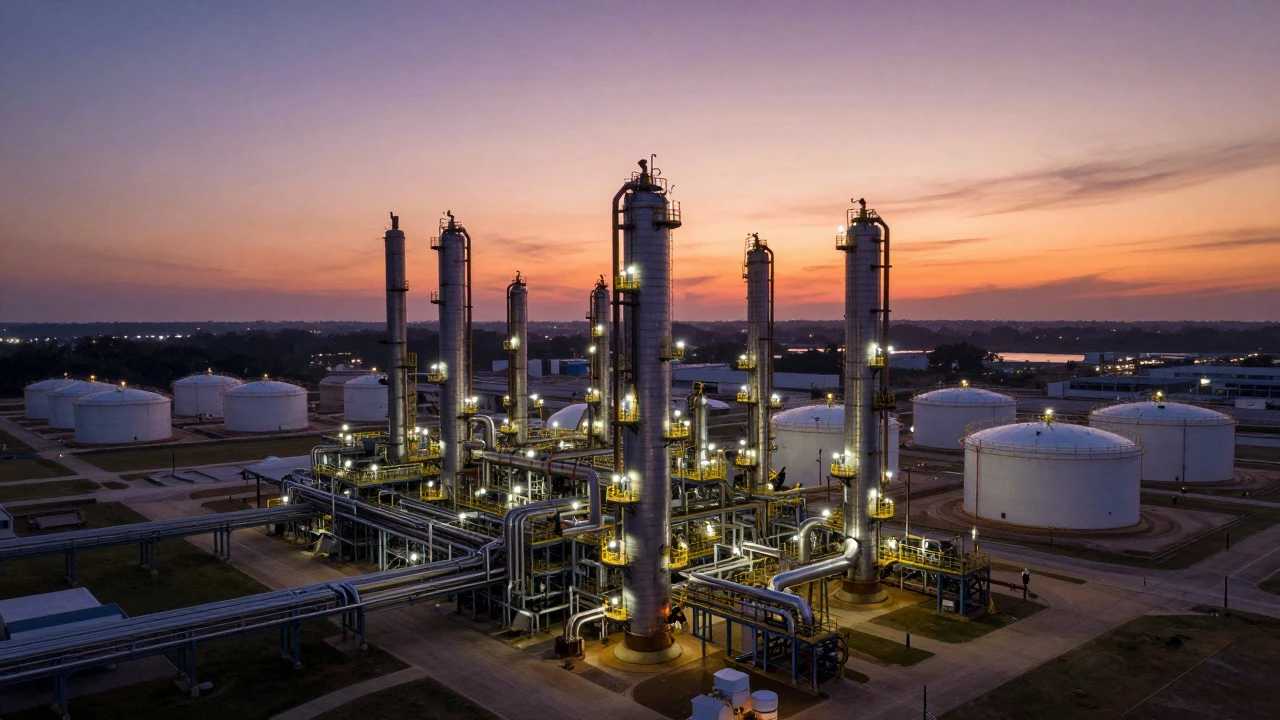
When we talk about where plastic is made in the US, one region stands head and shoulders above the rest: the Gulf Coast. Specifically, Texas and Louisiana are the undisputed kings of polymer production. Why here? It comes down to chemistry and infrastructure. These states sit on top of massive shale formations, providing cheap and abundant natural gas. Since ethane-a key building block for polyethylene (the most common plastic)-is derived from natural gas, having the feedstock right next door saves billions in transportation costs.
In Texas, cities like Houston and Beaumont are home to some of the world's largest integrated refining and chemical complexes. Companies like Dow Chemical and LyondellBasell operate massive plants here. They don't just make pellets; they produce the base resins that other manufacturers buy to create everything from milk jugs to car bumpers. Louisiana follows a similar pattern, with its "Cancer Alley" corridor hosting numerous petrochemical facilities that process crude oil and natural gas into plastic precursors.
This concentration creates a powerful ecosystem. When a company builds a plant in Texas, suppliers, logistics providers, and specialized labor follow. This makes it incredibly efficient for large-scale producers but also creates regional dependencies. If a hurricane hits the Gulf Coast, plastic prices spike nationwide because so much of the supply comes from that single geographic area.
Beyond Resins: Secondary Manufacturing Hubs
While the Gulf Coast makes the raw plastic resin, the actual shaping and molding of plastic products happen all over the country. This is known as secondary manufacturing. You won't find many injection molding shops in the middle of a refinery zone; instead, they cluster near population centers and industrial parks where demand exists.
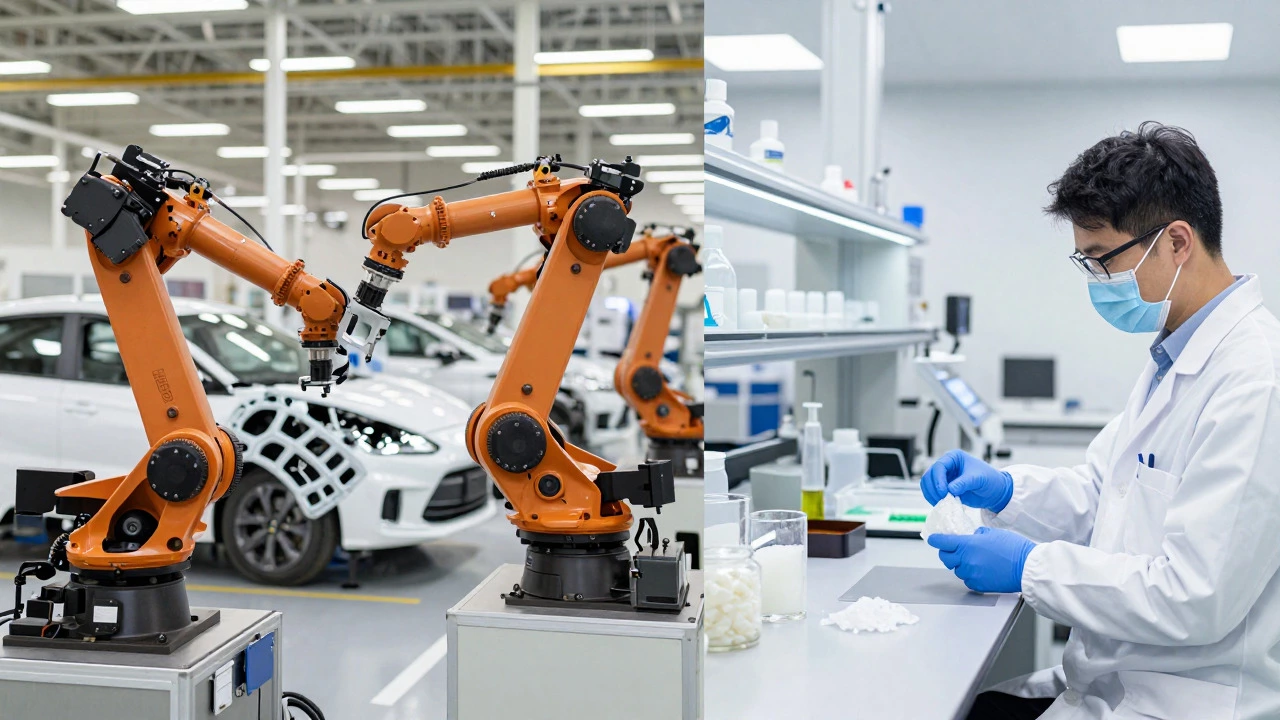
California is a major player here, particularly in packaging and consumer goods. Because California has strict environmental regulations, it has also become a hub for advanced recycling technologies and bioplastics. Companies here often focus on high-value, low-volume products rather than commodity plastics. Similarly, Ohio and Michigan are critical due to their automotive industries. Cars are full of plastic-dashboards, trim, fuel tanks-and these states have dense networks of suppliers feeding auto assembly lines.
The Midwest, including Indiana and Illinois, also plays a significant role. These states benefit from central logistics, making it easier to ship finished goods to the rest of the country. Many family-owned plastic fabrication businesses operate here, serving local agricultural and construction markets.
| Region | Primary Focus | Key Advantage | Major Players |
|---|---|---|---|
| Gulf Coast (TX, LA) | Resin Production | Cheapest Feedstock | Dow, LyondellBasell |
| Midwest (OH, MI) | Automotive Parts | Proximity to Auto Industry | Various Suppliers |
| West Coast (CA) | Packaging & Bioplastics | Innovation & Regulation | Startups & Recyclers |
| Northeast (PA, NY) | Specialty Plastics | High-Tech Applications | SABIC, Eastman |
Who Makes the Plastic? Key Companies to Know
If you are trying to identify who controls the market, you need to look at the big names. The US plastic industry is dominated by a few multinational corporations that control the upstream resin production. SABIC, though Saudi-owned, has a massive footprint in the US, particularly in Texas. Eastman Chemical is another giant, headquartered in Tennessee, known for specialty chemicals and sustainable solutions.
However, the landscape is diverse. There are thousands of small-to-medium enterprises (SMEs) that perform extrusion, blow molding, and thermoforming. These companies might not make the news, but they keep the supply chain moving. For example, a small shop in Pennsylvania might exclusively manufacture plastic caps for pharmaceutical bottles, while another in Georgia focuses on agricultural film. Understanding this distinction between resin producers and fabricators is vital for anyone entering the industry.
The Role of Recycling in Modern Manufacturing
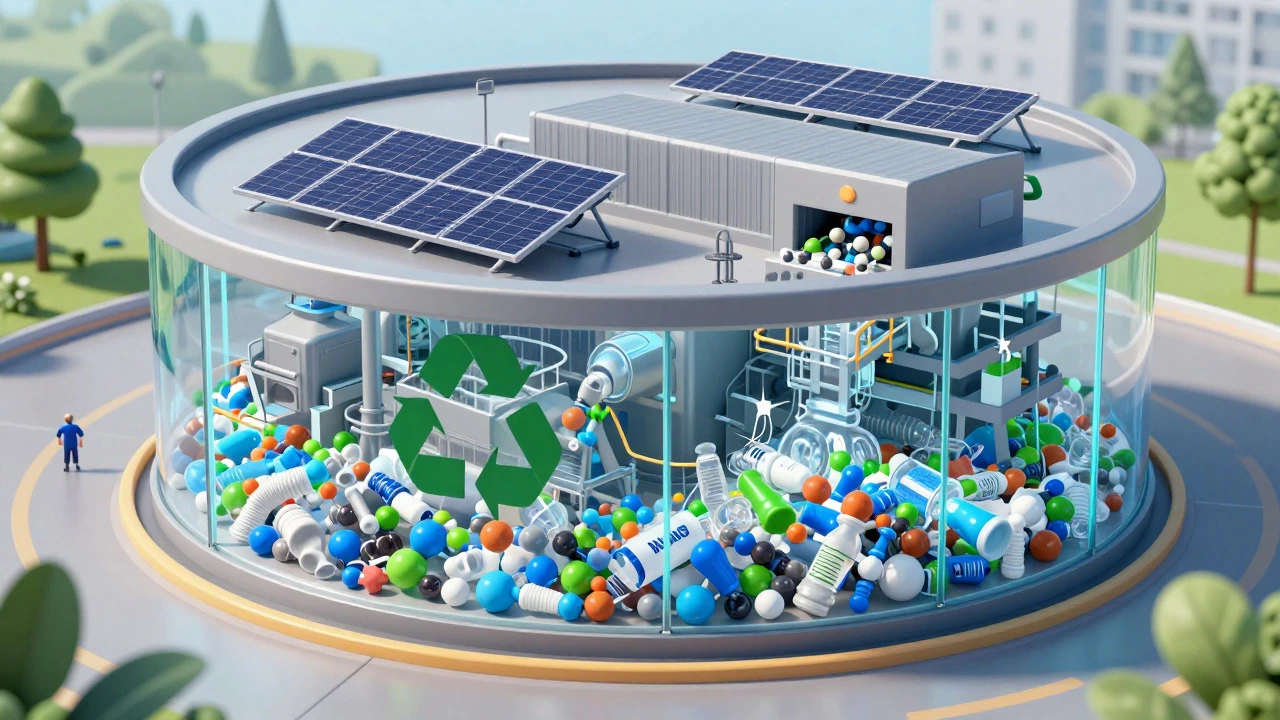
You can't talk about where plastic is manufactured today without mentioning where it goes after use. The concept of a circular economy is changing the map. While virgin plastic still dominates, recycling facilities are becoming strategic assets. Chemical Recycling plants are popping up in places like New Jersey and North Carolina, aiming to break down old plastics into their molecular components to be reused as new resin.
This shift means that future manufacturing hubs may not just be defined by access to oil, but by access to waste streams. Cities with robust collection systems could become secondary sources of raw material, reducing reliance on the Gulf Coast. This is still an emerging trend, but it represents a significant pivot in how and where plastic production will evolve over the next decade.
Regulatory Landscape and Environmental Impact
Manufacturing plastic in the US is heavily regulated. The Environmental Protection Agency (EPA) oversees emissions and waste disposal. In recent years, there has been increased scrutiny on air quality in communities near large plants, particularly in Louisiana and Texas. This has led to stricter permitting processes and higher compliance costs.
For businesses, this means that location choice is no longer just about cost. It's about regulatory risk. A state with stable, clear regulations might be more attractive than one with cheaper land but unpredictable policy shifts. Additionally, consumer pressure is forcing companies to adopt greener practices, influencing where and how they build new facilities.
Future Trends: Where Will New Plants Go?
Looking ahead, several trends will shape the geography of US plastic manufacturing. First, energy independence continues to favor the Gulf Coast. As long as shale gas remains cheap, new capacity will likely expand there. Second, the rise of electric vehicles (EVs) is shifting demand toward lightweight, durable plastics, benefiting manufacturers in Michigan and Ohio.
Third, sustainability mandates are driving investment in bio-based plastics. States with strong agricultural sectors, like Iowa and Illinois, are positioning themselves as hubs for corn-based polylactic acid (PLA) production. This diversifies the map beyond traditional petrochemical zones. Finally, nearshoring trends mean that companies are looking to reduce supply chain risks, potentially leading to more distributed, smaller-scale manufacturing units closer to end consumers.
How to Source or Start in This Industry
If you are a buyer, your first step is to determine whether you need virgin resin or fabricated parts. For resin, contact distributors in the Gulf Coast region. For custom parts, look for local fabricators to reduce shipping costs and lead times. Use directories like ThomasNet to find verified suppliers based on location and capability.
If you are starting a business, consider your niche. Commodity plastics are a volume game with thin margins, dominated by giants. Specialty plastics, medical-grade materials, or sustainable alternatives offer better opportunities for smaller players. Partnering with universities or research institutes can provide access to cutting-edge materials and talent.
Which state produces the most plastic in the US?
Texas is the leading state for plastic resin production due to its abundant natural gas reserves and extensive petrochemical infrastructure. Louisiana follows closely behind, forming the core of the Gulf Coast manufacturing belt.
What are the biggest plastic manufacturing companies in the US?
Major players include Dow Chemical, LyondellBasell, SABIC, Eastman Chemical, and ExxonMobil Chemical. These companies dominate the production of base resins used across various industries.
Why is plastic manufacturing concentrated on the Gulf Coast?
The Gulf Coast offers access to cheap natural gas, a key ingredient for making ethylene. Proximity to refineries and established logistics networks further reduces production costs for large-scale operations.
Are there plastic recycling facilities in the US?
Yes, the US has a growing network of mechanical and chemical recycling facilities. States like California, New Jersey, and North Carolina are investing heavily in advanced recycling technologies to support a circular economy.
How does regulation affect plastic manufacturing locations?
Strict environmental regulations can increase operating costs and delay project approvals. Companies increasingly consider regulatory stability alongside resource availability when choosing where to build new plants.

Recent Posts
-

Steel Industry Millionaires: Who Made It Big?
-
What is the Biggest Steel Mill in the United States? US Steel Gary Works
-
What is the Textile Capital of the World? Surat vs. Tirupur vs. Global Hubs
-

Which Indian Wood is Strongest? A Guide for Furniture Makers
-
Who is the Largest Steel Fabricator in the United States?