How Long Does Plastic Take to Disintegrate? A Timeline for Manufacturers
Plastic Degradation Timeline Simulator
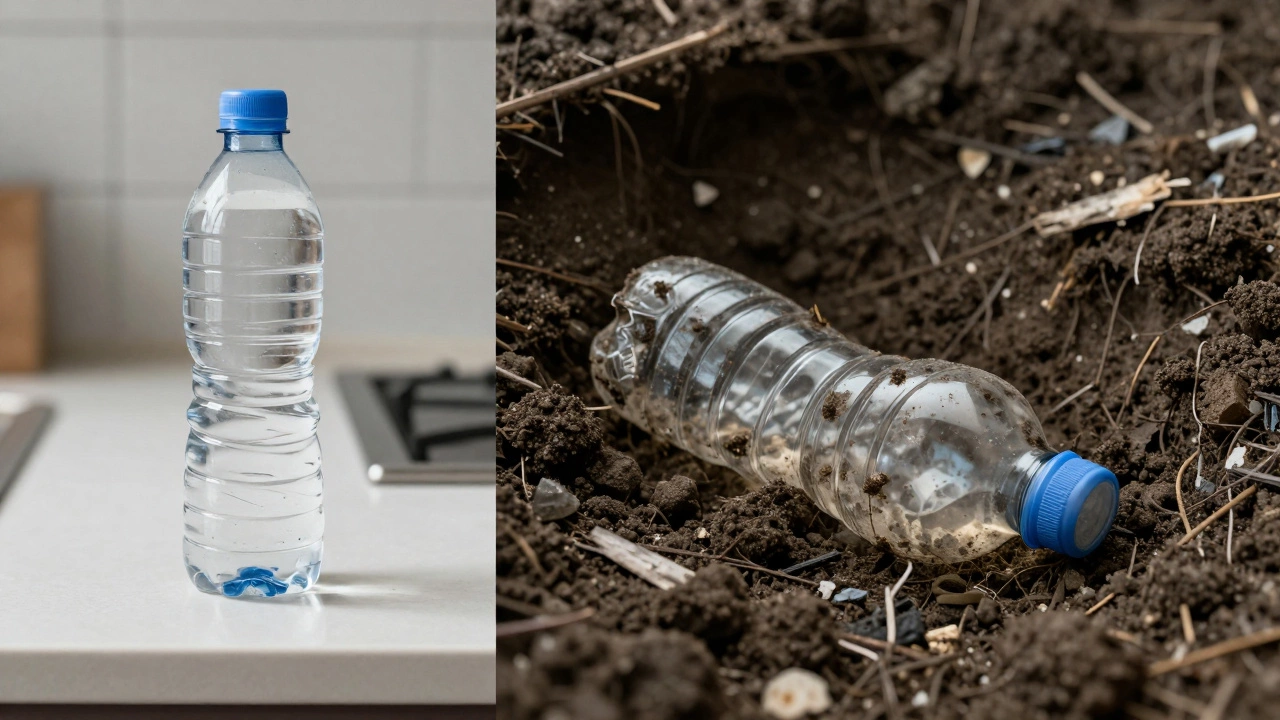
PET bottles are highly resistant to UV light but will eventually become brittle and shatter into microplastics that persist indefinitely.
You throw away a plastic water bottle today. Where will it be in 2076? It won't be gone. In fact, it likely won't even look much different than it does right now, just perhaps slightly faded or brittle. This is the reality of plastic, a material defined by its durability and resistance to breakdown. For consumers, this longevity is a convenience. For manufacturers, it is an existential crisis. As regulations tighten and consumer sentiment shifts, understanding exactly how long these materials persist in our environment is no longer just an environmental science question-it is a critical business metric.
The short answer is that most conventional plastics do not truly "disintegrate" in a biological sense. They fragment. A standard PET water bottle can take between 450 and 1,000 years to break down into microplastics. But the timeline varies wildly depending on the type of polymer, the environmental conditions, and the presence of additives. If you are involved in manufacturing or supply chain management, knowing these timelines helps you anticipate regulatory risks, design better products, and communicate honestly with stakeholders.
The Myth of "Biodegradation" vs. Fragmentation
Before we look at specific numbers, we need to clear up a massive misconception: plastic rarely biodegrades like an apple core or a banana peel. Biodegradation requires microbes to consume the material as food. Most synthetic polymers have molecular structures that nature has never encountered, so bacteria simply ignore them.
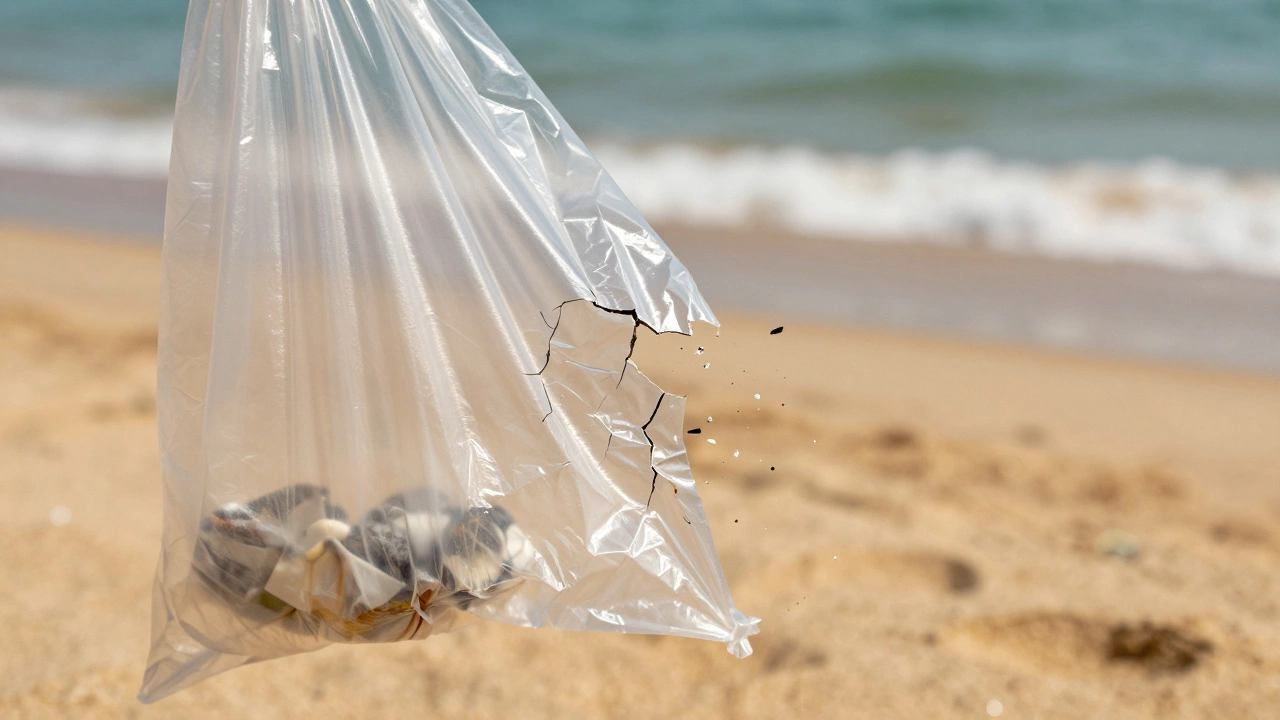
Instead, plastic undergoes photodegradation. Sunlight (specifically UV radiation) breaks the chemical bonds holding the polymer chains together. The plastic becomes brittle, cracks, and eventually shatters into smaller and smaller pieces. These pieces become microplastics-particles smaller than 5 millimeters. These particles do not disappear; they sink into soil, enter waterways, and accumulate in the food chain. When we say a plastic bag takes 10 years to "disintegrate," we usually mean it turns into invisible dust that persists forever.
A Timeline of Persistence: Common Plastics
Different types of plastic degrade at different rates. Here is what the data tells us about the most common materials used in manufacturing and packaging:
| Plastic Type | Common Uses | Estimated Lifespan | Degradation Factor |
|---|---|---|---|
| Polyethylene Terephthalate (PET) | Bottles, clothing fibers | 450 - 1,000 years | High UV resistance; slow fragmentation |
| High-Density Polyethylene (HDPE) | Milk jugs, detergent bottles | 100 - 500 years | Durable; resistant to chemicals and moisture |
| Polystyrene (PS) | Coffee cups, foam packaging | 50 - 500+ years | Brittle; fragments quickly but persists as microplastics |
| Polyvinyl Chloride (PVC) | Pipes, medical tubing, flooring | 100 - 500 years | Stabilizers prevent breakdown; toxic when burned |
| Polypropylene (PP) | Yogurt containers, straws, ropes | 20 - 300 years | Varies by thickness; thin films degrade faster |
| Plastic Bags (LDPE) | Shopping bags, produce bags | 10 - 20 years (to fragment) | Thin structure allows faster UV exposure |
| Fishing Nets / Ghost Gear | Nylon/Polyamide nets | 600+ years | Submerged; protected from UV light |
Note the wide ranges. A thick HDPE jug buried in a landfill might last millennia because it lacks oxygen and sunlight. A thin plastic bag left on a beach will fragment in a decade due to intense UV exposure and wind abrasion. Context matters as much as chemistry.
Why Landfills Slow Down the Process
If you think throwing plastic in the trash solves the problem, you are mistaken. Modern sanitary landfills are designed to keep waste isolated from the environment. This means they are also designed to keep out air, water, and sunlight-the three key drivers of plastic degradation.
In a landfill, plastic is compressed under tons of other waste. It is anaerobic (no oxygen). Without UV light or microbial activity, a plastic bottle thrown away today will look nearly identical to one dug up in 2126. This is why the concept of "end-of-life" for conventional plastic is largely a myth in current waste management systems. The plastic doesn't go away; it just goes underground.
The Rise of Bioplastics: Are They Actually Better?
This is where many manufacturers are pivoting. Bioplastics are often marketed as the solution. But not all bioplastics are created equal. There are two main categories, and confusing them leads to greenwashing accusations:
- Bio-based but non-biodegradable: Materials like Bio-PET are made from corn or sugarcane instead of oil, but they behave exactly like traditional PET. They still take hundreds of years to fragment. They reduce carbon footprint during production but do not solve the waste persistence issue.
- Biodegradable/Compostable: Materials like Polylactic Acid (PLA) or Polyhydroxyalkanoates (PHA) are designed to break down. However, most require industrial composting facilities with high heat (50-60°C) and specific humidity levels. If you throw PLA cutlery in your backyard compost bin or into the ocean, it will persist for decades, just like regular plastic.
For a manufacturer, this distinction is crucial. If you claim your product is "eco-friendly" because it's bio-based, but it ends up in a landfill where it won't decompose, you face reputational risk. True circularity requires designing for the actual disposal infrastructure available to your customers.
Environmental Conditions: Speeding Up the Clock
Where the plastic ends up determines how fast it breaks down. Here is how different environments affect degradation:
- Sunlight (UV Radiation): The biggest enemy of plastic. UV rays break polymer chains. Beaches and open fields see faster fragmentation than landfills or oceans.
- Oxygen: Aerobic decomposition is faster than anaerobic. Surface litter breaks down quicker than buried waste.
- Temperature: Heat accelerates chemical reactions. Tropical regions see faster degradation rates than temperate zones.
- Moisture: Water facilitates hydrolysis, a process that breaks down certain polymers like PLA and PBS. Dry deserts preserve plastic almost indefinitely.
For example, a plastic straw on a sunny beach might fragment in 20 years. The same straw, submerged in cold, dark ocean water, could last for centuries. This variability makes global policy difficult, as a "one-size-fits-all" ban or regulation may not account for local environmental realities.
What This Means for Manufacturers
As a manufacturer, you cannot control where your product ends up. But you can influence its design and lifecycle. Here are actionable steps based on the degradation timelines:
- Design for Durability or Recyclability: If your product must last, make it durable and repairable. If it is single-use, ensure it is easily recyclable (mono-materials are best). Avoid multi-layered plastics that are impossible to separate.
- Choose Additives Wisely: Some manufacturers add pro-degradant additives to make plastic break down faster. However, these often just speed up fragmentation into microplastics without true biodegradation. Check if these additives meet international standards (like ASTM D6400 or EN 13432).
- Transparency is Key: Consumers are savvy. If your product takes 500 years to degrade, say so. Highlight efforts to reduce weight, use recycled content, or improve collection systems. Honesty builds trust.
- Explore Extended Producer Responsibility (EPR): Many countries now hold manufacturers financially responsible for end-of-life management. Understanding degradation rates helps you calculate EPR costs and invest in proper take-back programs.
The Future: Beyond Traditional Polymers
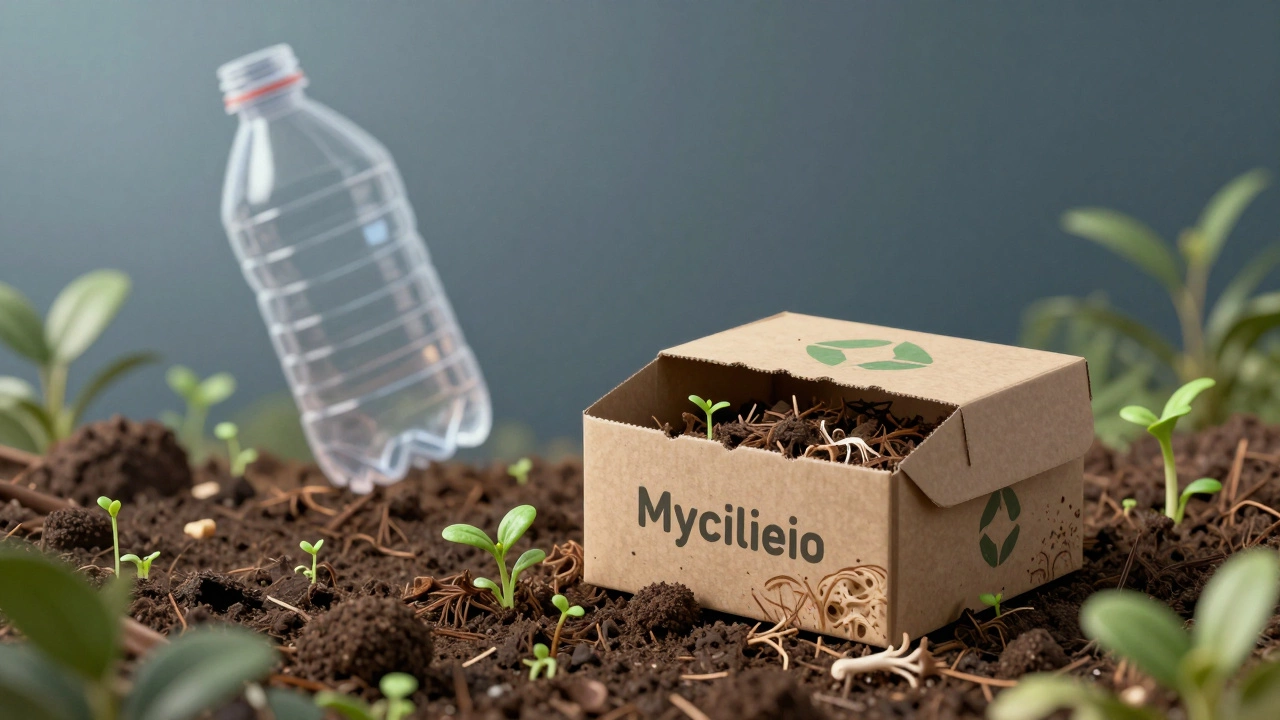
The industry is moving toward materials that align with natural cycles. Mycelium packaging (made from mushroom roots) and seaweed-based films are emerging alternatives that fully biodegrade in weeks or months under home composting conditions. While currently more expensive, scaling production is driving prices down.
Additionally, chemical recycling technologies are advancing. Unlike mechanical recycling, which degrades plastic quality over time, chemical recycling breaks polymers back down into their monomer building blocks. This allows for infinite recycling loops, potentially eliminating the "end-of-life" problem entirely. However, these technologies are energy-intensive and not yet widely deployed.
Does plastic ever fully disappear from the environment?
Conventional plastics do not fully disappear. They fragment into microplastics and nanoplastics that persist indefinitely. Only truly biodegradable materials, under the right conditions, return to basic elements like CO2, water, and biomass.
Why does plastic last so long compared to paper or wood?
Plastic is made from long-chain synthetic polymers derived from petroleum. Nature has no evolved enzymes to break these complex carbon-carbon bonds efficiently. Paper and wood are cellulose-based, which microbes readily consume.
Is burning plastic a good way to get rid of it?
No. Burning plastic releases toxic chemicals, including dioxins and furans, into the atmosphere. It also contributes significantly to greenhouse gas emissions. Incineration should only occur in highly controlled facilities with advanced filtration systems.
How long does a plastic credit card take to decompose?
Credit cards are typically made from PVC or PETG, which are highly durable. Estimates suggest they can take over 1,000 years to fragment completely, making them one of the longest-lasting single-use items.
Can I recycle biodegradable plastics?
Generally, no. Mixing biodegradable plastics (like PLA) with traditional recycling streams contaminates the batch. They melt at different temperatures and weaken the final recycled product. Always check local guidelines, but usually, they belong in industrial composting, not recycling bins.