Plastic Bottles: What They Are, How They're Used, and Why They Matter
When you see the number 1 under a plastic bottle, you’re looking at PET plastic, a lightweight, recyclable thermoplastic polymer commonly used for water and soda containers. Also known as polyethylene terephthalate, it’s the most common material for single-use bottles in India and around the world. These bottles aren’t just containers—they’re part of a massive system that connects manufacturing, consumer habits, recycling infrastructure, and environmental impact.
Every plastic bottle you use has a journey. It starts as raw resin, gets molded into shape, filled with liquid, sold in stores, and then either tossed, recycled, or ends up in landfills or waterways. The resin code 1, the triangle with the number 1 inside found on the bottom of most bottles tells you what it’s made of, but not whether it will actually be recycled. In India, recycling rates for PET are improving, but collection systems are still uneven. Cities like Surat and Hyderabad, where manufacturing is dense, also see high volumes of plastic waste—making local recycling efforts critical.
Not all plastic bottles are the same. Some are designed for one-time use. Others, like those from refillable water systems, are built to last. The difference matters because plastic waste, the byproduct of discarded bottles and packaging doesn’t vanish—it breaks down into microplastics, pollutes soil and water, and harms wildlife. Companies that produce the most bottles are also the ones generating the most waste, and that’s a problem no one can ignore. The top plastic manufacturers in the world, like Dow, are under pressure to change how they design, label, and take back their products.
What you do with that bottle after you’re done with it makes a real difference. Recycling isn’t just about tossing it in the bin—it’s about whether the system around it actually works. In India, informal recyclers collect millions of bottles every day, but they often lack support, fair pay, or safe conditions. Meanwhile, new regulations and consumer awareness are slowly pushing brands to use less plastic, switch to recycled content, or explore alternatives.
Behind every plastic bottle is a chain of decisions: who made it, where it was filled, how far it traveled, and what happens after you’re done. The posts below dig into the real details—the resin codes you never noticed, the manufacturers dumping the most waste, the truth about recycling, and how this tiny object connects to bigger issues in manufacturing, environment, and policy. You’ll find answers about what the number 1 really means, why some bottles get recycled and others don’t, and who’s doing something about it.
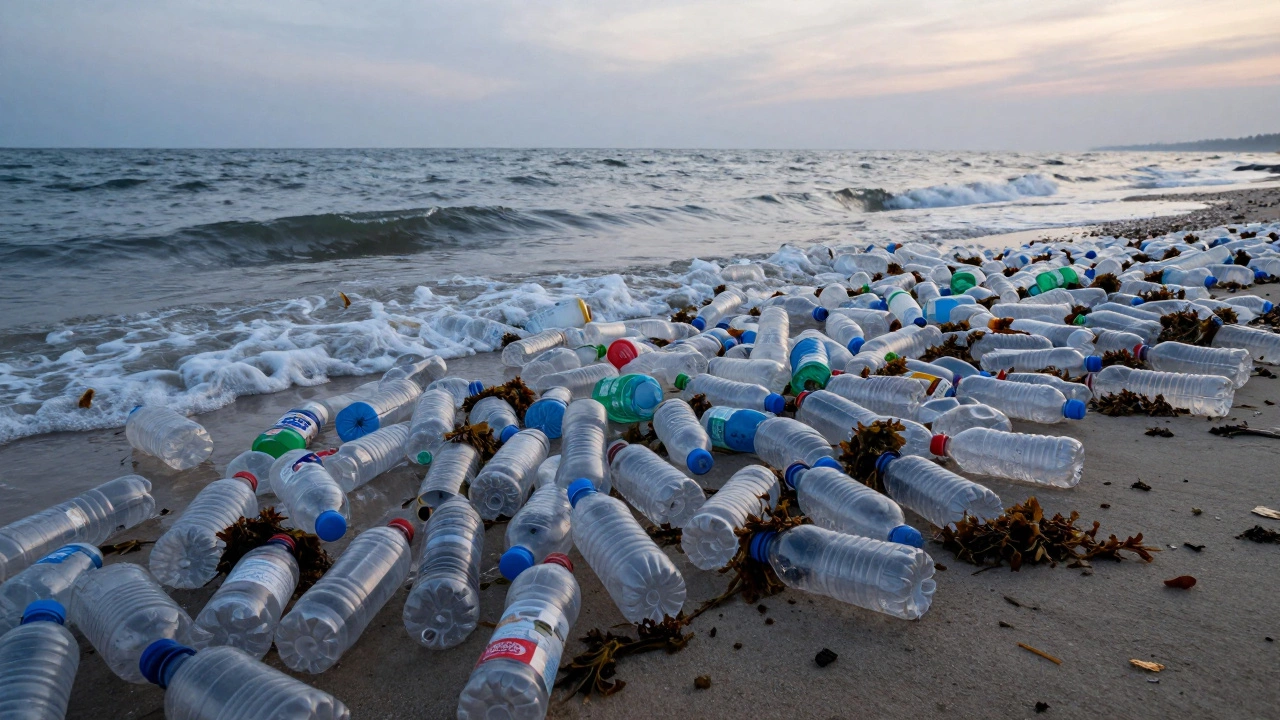
What Is the Most Thrown Away Plastic Item? The Shocking Truth Behind Single-Use Plastics
Plastic water bottles are the most thrown away plastic item on Earth, with over 500 billion used yearly. Less than 10% are recycled. The problem isn't consumers - it's corporate overproduction and broken systems.
Read More