Who is the World Leader in Manufacturing? Top Companies and Countries
Global Manufacturing Leader Finder
Select your primary business priority to see which country currently holds the competitive advantage for that specific metric.
You might think the answer to "who is the world leader in manufacturing?" is obvious. Maybe you picture a sleek German factory or a bustling Chinese assembly line. But here is the twist: there isn't one single winner. The title of world leader in manufacturing depends entirely on what metric you use. Are we talking about total volume? Value added per worker? Technological sophistication? Or export dominance?
If you look at raw output tonnage, China has held the crown for over a decade. But if you measure efficiency and high-value engineering, Germany and Japan often pull ahead. And if you count innovation patents and software integration, the United States remains unmatched. This article breaks down exactly who leads where, so you can understand the real hierarchy of global industry.
Defining Leadership: Volume vs. Value
Before naming names, we need to agree on the scoreboard. Most people confuse two different metrics: gross output and value-added manufacturing. Gross output counts everything produced, including low-margin goods like plastic toys or basic textiles. Value-added measures how much worth a company adds through labor, technology, and brand power after subtracting material costs.
China dominates gross output. In 2023, it accounted for roughly 30% of global manufacturing value added, according to data from the United Nations Industrial Development Organization (UNIDO). That is more than the US and Japan combined. However, when you adjust for quality and complexity, the picture shifts. A smartphone assembled in Shenzhen generates less profit per unit than a precision engine built in Stuttgart. So, while China manufactures the most stuff, other nations manufacture the most valuable stuff.
The Undisputed Giant: China’s Scale Advantage
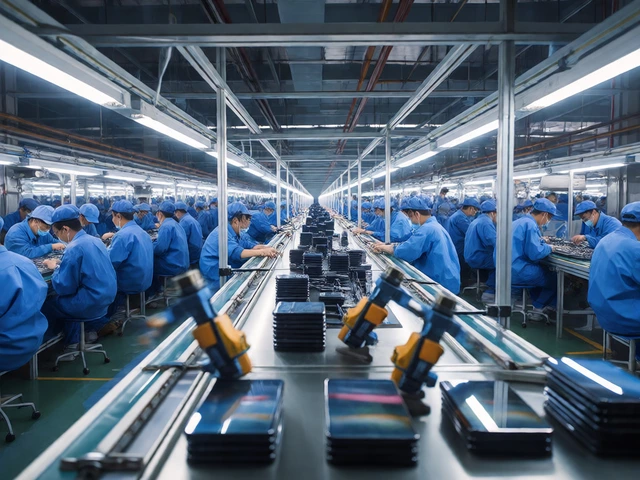
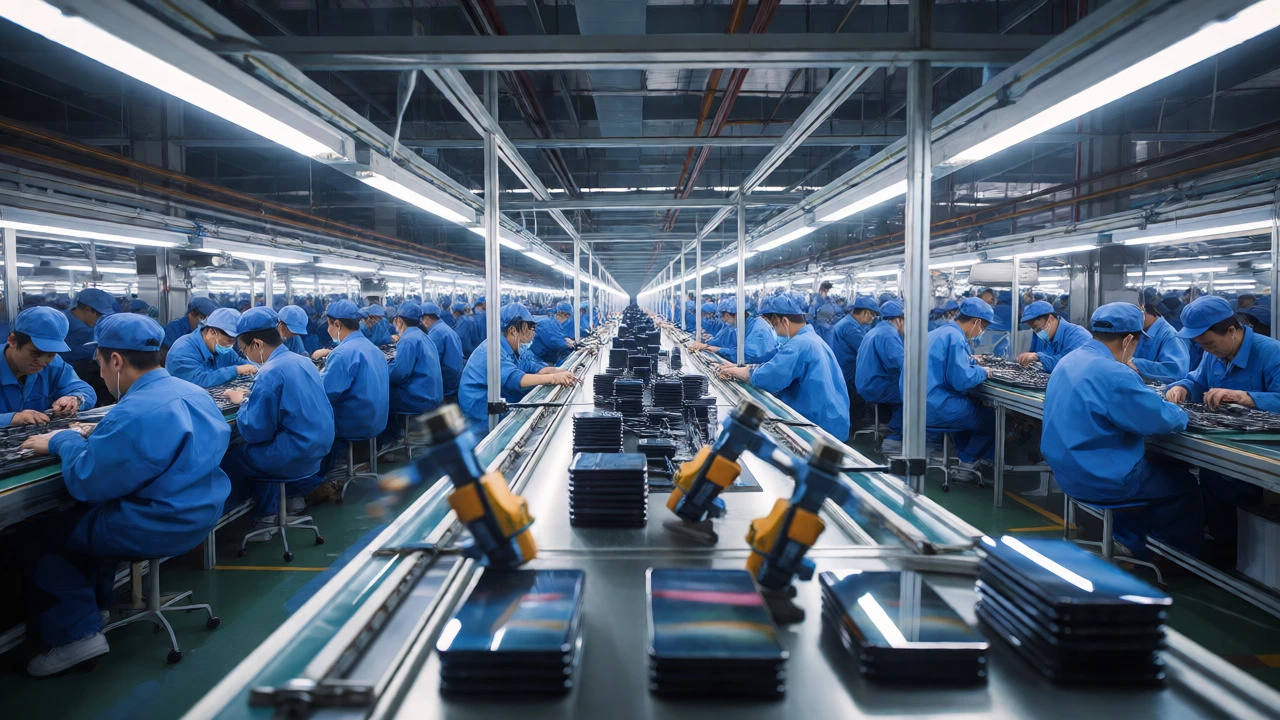
China is the largest manufacturer in the world by total output, producing nearly one-third of all global industrial goods. Its strength lies in supply chain density. You cannot build an iPhone without touching dozens of Chinese suppliers within a 50-mile radius. This ecosystem reduces lead times and costs in ways no other country can currently match.
But leadership here comes with caveats. China faces rising labor costs and demographic challenges. To stay on top, Beijing launched "Made in China 2025," a state-led initiative to shift from low-end assembly to high-tech sectors like robotics, aerospace, and electric vehicles. They are succeeding in EVs-companies like BYD now rival Tesla globally-but they still lag in semiconductor fabrication equipment and advanced optics.
The Efficiency Kings: Germany and Japan
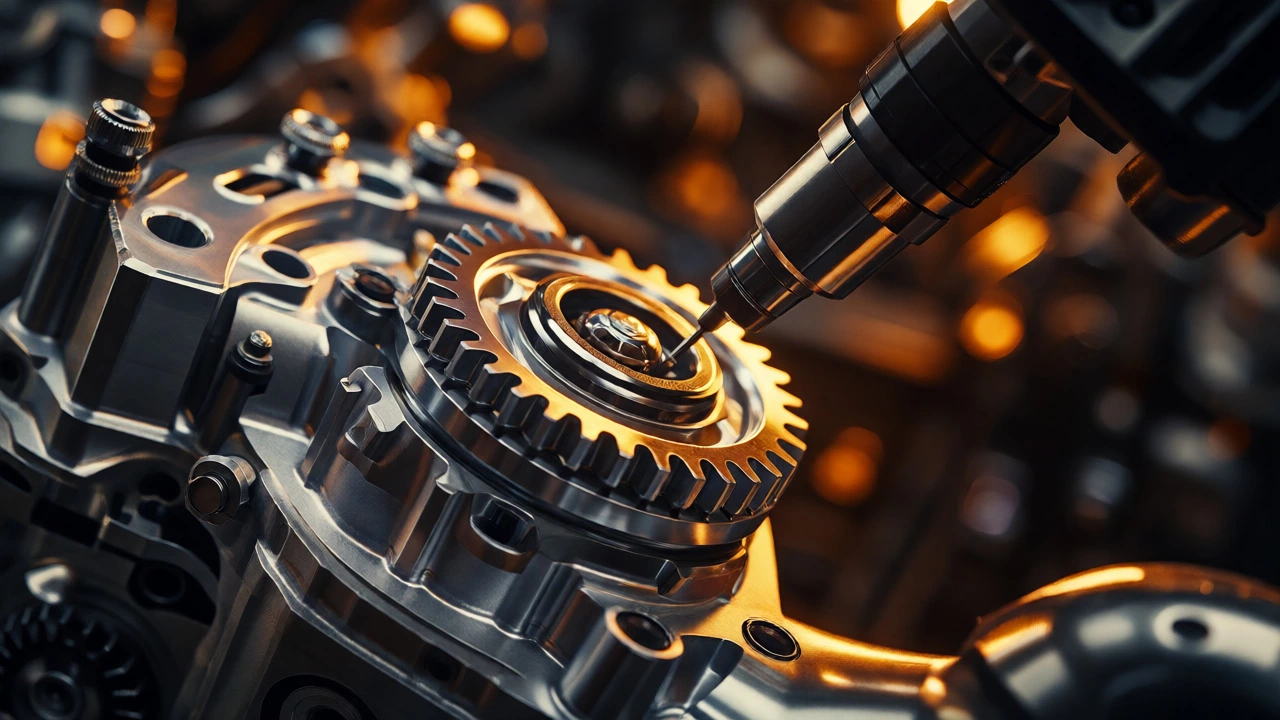
If China wins on size, Germany wins on engineering precision and specialized machinery exports. Known as the home of the "Mittelstand," Germany’s economy relies on thousands of small-to-medium enterprises that dominate niche markets. Think industrial printers, medical devices, and automotive components. These firms rarely make headlines, but they hold monopoly-like positions in specific sectors.
Japan operates similarly but focuses heavily on automation and materials science. Japanese manufacturers pioneered lean manufacturing-the Toyota Production System-which revolutionized how factories operate worldwide. Today, Japan leads in robotics, optical lenses, and high-performance steel. While their total output trails China and the US, their productivity per hour worked remains among the highest globally. If you need a machine tool that lasts 30 years, you buy German or Japanese.
The Innovation Hub: United States
The United States is a leading manufacturer in high-tech industries, defense, and pharmaceuticals, despite having a smaller workforce than Asia. America doesn’t try to compete on cheap t-shirts anymore. Instead, it focuses on complex systems: jet engines, semiconductors, biotech, and aerospace.
Companies like Boeing, Lockheed Martin, and Intel define this sector. The US also leads in reshoring trends, bringing critical supply chains back home due to geopolitical risks. Recent legislation like the CHIPS Act aims to boost domestic chip production, acknowledging that true manufacturing leadership requires control over foundational technologies. American manufacturing is capital-intensive, not labor-intensive. It produces fewer units but commands higher margins.
Emerging Challengers: India and Vietnam
No discussion of current leaders ignores the rise of new players. India is rapidly expanding its manufacturing base through government incentives and a young workforce. Apple recently shifted significant iPhone production to India, signaling confidence in the country’s infrastructure improvements. India ranks fifth globally in manufacturing output but aims for third place by 2030.
Vietnam serves as another key alternative, particularly for electronics and textiles. Many companies adopt a "China Plus One" strategy, keeping some production in China while diversifying to Vietnam to mitigate risk. Neither India nor Vietnam yet rivals China’s depth, but both offer faster growth rates and lower regulatory friction for foreign investors.
Comparative Analysis of Manufacturing Leaders
To visualize these differences, compare the top contenders across key attributes. Note that rankings fluctuate yearly based on exchange rates and commodity prices.
| Country | Primary Strength | Key Industries | Global Output Share | Labor Cost Index |
|---|---|---|---|---|
| China | Scale & Supply Chain | Electronics, Machinery, Textiles | ~30% | Rising |
| USA | Innovation & Tech | Aerospace, Pharma, Semiconductors | ~16% | High |
| Japan | Precision & Robotics | Automotive, Electronics, Steel | ~6% | High |
| Germany | Engineering & Exports | Automotive, Chemicals, Machinery | ~5% | Very High |
| India | Growth & Labor Pool | Pharma, Auto, IT Hardware | ~3% | Low |
How to Choose Your Manufacturing Partner
Understanding who leads matters only if you know why you care. Are you sourcing parts? Starting a business? Investing in stocks? Here is a quick heuristic:
- Need high volume at low cost? Look to China or Vietnam. The supply chain maturity saves weeks in development time.
- Need extreme precision or durability? Go with Germany or Japan. The upfront cost is higher, but failure rates are significantly lower.
- Need cutting-edge tech or IP protection? The US offers the strongest legal framework and closest ties to R&D centers.
- Looking for long-term growth potential? Monitor India. Infrastructure gaps remain, but the trajectory is steep.
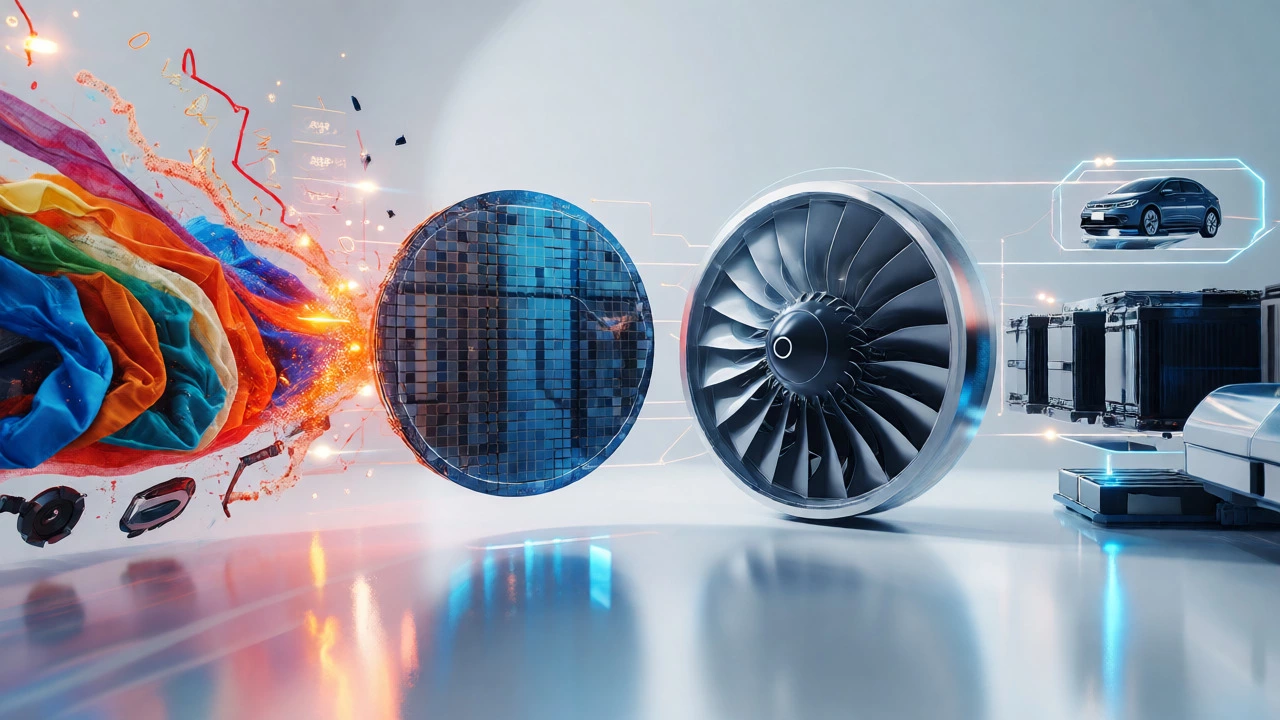
Don’t fall for the trap of thinking one country does everything best. Manufacturing is fragmented. A modern car contains chips from Taiwan, batteries from Korea, engines from Germany, and assembly from Mexico or China. True leadership today means mastering your niche, not dominating every category.
Which country is the #1 manufacturer in the world?
China is the number one manufacturer by total output volume, accounting for approximately 30% of global manufacturing value added. However, the United States leads in high-tech manufacturing and value-added per employee.
Is Germany better at manufacturing than China?
It depends on the product. Germany excels in high-precision engineering, automotive, and industrial machinery where quality outweighs cost. China excels in mass production, electronics assembly, and supply chain speed. For luxury cars, Germany leads; for smartphones, China leads.
What is the largest manufacturing company in the world?
By revenue, companies like Samsung Electronics and Volkswagen Group are often at the top. By market cap and influence, Apple is frequently cited, though it outsources most physical manufacturing. Foxconn, Apple's primary partner, is technically the world's largest contract manufacturer.
Will India become a manufacturing superpower?
India is positioned to become a major hub, potentially ranking third globally by 2030. Government initiatives like 'Make in India' and improving logistics infrastructure are attracting multinational corporations seeking alternatives to China.
Why is US manufacturing considered strong if output is lower?
The US focuses on high-value, complex products like aircraft, pharmaceuticals, and semiconductors. These require significant R&D and skilled labor, generating higher profit margins per unit compared to bulk commodities, even if the total tonnage produced is lower.