Who Makes the Highest Quality Steel? Top Global Producers Ranked
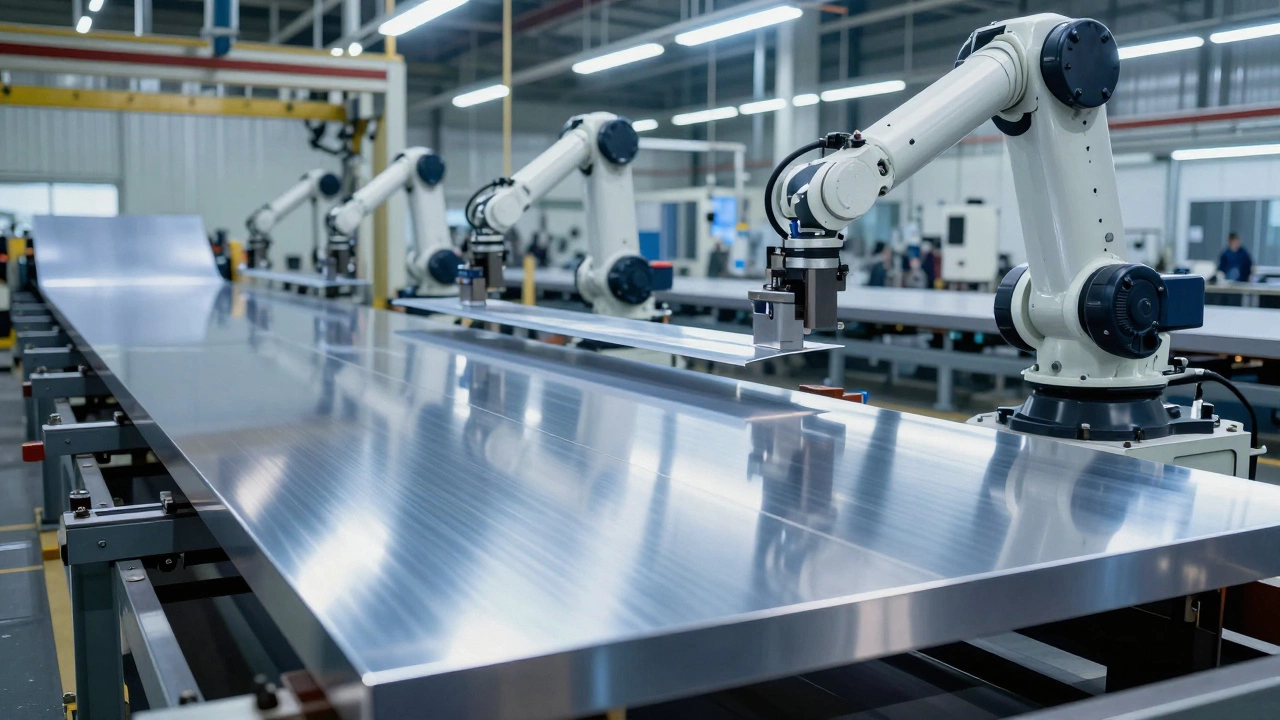
Steel Quality Selector Tool
Determine the optimal steel origin and grade for your specific engineering or manufacturing project.
Recommended Origin:
Key Attributes
Specific Grade Type
- Type:
- Standards:
- Best For:
There is no single company that holds the crown for "best" steel. That’s because high-quality steel isn’t a one-size-fits-all product. The highest quality steel depends entirely on what you are building. If you need razor-sharp edges for surgical tools, you look to Japan. If you need structural integrity for skyscrapers in earthquake zones, you might look to Germany or South Korea. And if you need corrosion resistance for offshore oil rigs, the answer changes again.
The question of who has the highest quality steel usually leads to a debate between nations rather than individual brands. Countries like Japan and Germany dominate the conversation because their industries prioritize precision, consistency, and advanced metallurgy over sheer volume. However, understanding why certain producers lead requires looking at specific steel grades, manufacturing processes, and end-use applications.
The Japanese Standard: Precision and Purity
When engineers talk about premium steel, they often start with Nippon Steel and JFE Steel. These companies have built reputations on producing ultra-high-purity steel. The secret lies in their ability to remove impurities like sulfur and phosphorus to levels that many other producers find economically unviable.
Japan dominates the market for specialty steel, which includes stainless steels, tool steels, and electrical steels used in transformers. For example, the steel used in high-speed trains (Shinkansen) must withstand immense stress and fatigue without cracking. Japanese mills achieve this through strict control of the cooling rates during the rolling process, ensuring a uniform microstructure.
- Key Strength: Consistency in thin-gauge sheets and automotive panels.
- Top Product: Cold-rolled steel with surface finishes so precise they require minimal painting.
- Application: Luxury car bodies, semiconductor manufacturing equipment, and medical devices.
If your project demands zero tolerance for defects, Japanese steel is often the default choice. The cost is higher, but the reduction in scrap rates and rework makes it economical for high-value components.
German Engineering: Strength and Durability
While Japan focuses on purity, Thyssenkrupp and Salzgitter AG in Germany focus on mechanical properties and durability. German steel is renowned for its toughness, especially in low-temperature environments. This is critical for infrastructure projects in northern Europe or for pipelines transporting gas across frozen tundra.
Germany excels in structural steel and heavy plate steel. Their adherence to DIN standards ensures that every batch meets rigorous safety criteria. Unlike some competitors who might cut corners on alloying elements, German producers maintain exact chemical compositions to guarantee weldability and impact resistance.
| Country | Primary Focus | Key Advantage | Best For |
|---|---|---|---|
| Japan | Specialty & Automotive | Purity & Surface Finish | Electronics, Luxury Cars |
| Germany | Structural & Industrial | Toughness & Standards | Infrastructure, Machinery |
| South Korea | Shipbuilding & Appliances | Scale & Efficiency | Ships, White Goods |
| USA | Aerospace & Defense | Advanced Alloys | Jet Engines, Military |
South Korean Giants: Scale Meets Quality
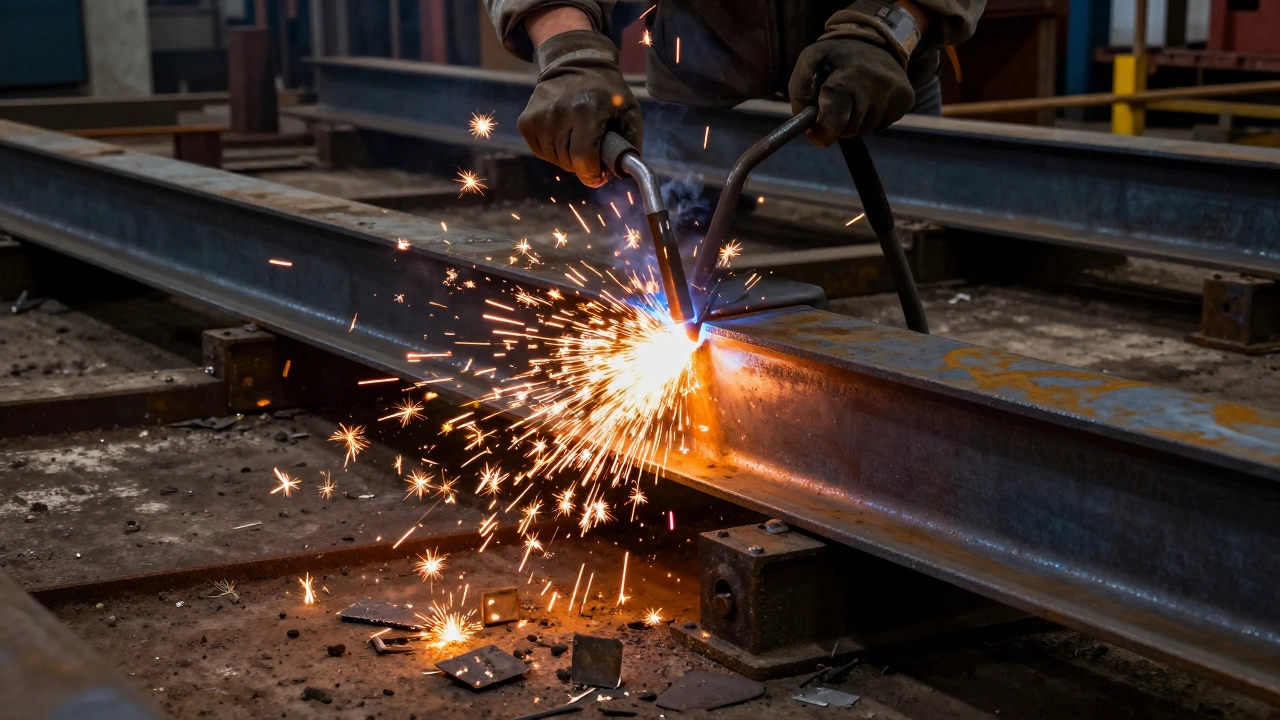
POSCO (Pohang Iron and Steel Company) is a unique case. It is one of the largest steel producers in the world, yet it consistently ranks among the highest in quality metrics. How? By integrating technology into every step of the supply chain. POSCO uses AI-driven sensors to monitor molten steel composition in real-time, adjusting inputs instantly to prevent deviations.
South Korean steel is particularly dominant in shipbuilding steel and home appliance steel. If you own a Samsung or LG refrigerator, the outer casing is likely made from POSCO steel. It offers excellent formability, meaning it can be stamped into complex shapes without cracking, while maintaining a mirror-like finish that resists fingerprints.
The advantage here is reliability at scale. You get premium quality without the boutique pricing of smaller specialty mills. For mass-market products where aesthetics and durability matter, South Korean steel is a top contender.
US Specialties: Aerospace and High-Performance Alloys
The United States may not produce the most tonnage, but it leads in aerospace-grade steel. Companies like Cleveland-Cliffs and specialized firms such as Allegheny Technologies produce alloys that can withstand extreme heat and pressure. Think jet engine turbine blades or landing gear for commercial airliners.
This type of steel involves complex alloying with nickel, chromium, and molybdenum. The US industry benefits from close collaboration with defense contractors and aerospace giants like Boeing and Lockheed Martin. The testing protocols are exhaustive, often involving years of validation before a new grade is certified.
If your application involves life-critical safety systems or high-temperature environments, American specialty steel is often the benchmark. It is expensive, but failure is not an option in these sectors.

How to Define "Quality" for Your Project
To choose the right supplier, you must define what quality means for your specific use case. A cheap coil of steel might be perfect for a disposable packaging container, but disastrous for a bridge support beam. Here are the key attributes to evaluate:
- Chemical Composition: Does the steel meet the exact elemental requirements? Impurities like carbon variance can change hardness dramatically.
- Mechanical Properties: Check yield strength, tensile strength, and elongation. These numbers tell you how much force the steel can take before deforming or breaking.
- Surface Quality: For visible parts, surface defects like pits or scratches matter. Look for mills that offer guaranteed surface classes (e.g., Class 1 for non-visible, Class 3 for high aesthetic).
- Certification: Reputable mills provide Mill Test Certificates (MTCs) for every batch. These documents prove the steel was tested against international standards like ASTM, EN, or JIS.
Common Pitfalls in Sourcing High-Quality Steel
Many buyers fall into the trap of assuming that "made in [Country X]" guarantees quality. While national reputations help, individual mill performance varies. A second-tier mill in Japan might not match a top-tier mill in India or Brazil. Always audit the specific producer, not just the country.
Another mistake is ignoring logistics. High-quality steel often comes with stricter handling requirements. Improper storage can lead to rust or deformation, ruining the material before it even reaches your factory floor. Ensure your supply chain partners understand the care needed for premium grades.
Finally, beware of counterfeit certifications. In global markets, fake MTCs are a known risk. Work with verified distributors or buy directly from major producers when possible. For critical applications, consider third-party inspection services to verify materials upon arrival.
Which country produces the best steel for cars?
Japan and South Korea are widely considered leaders in automotive steel. Japanese mills like Nippon Steel excel in ultra-thin, high-strength sheets that improve fuel efficiency, while POSCO in South Korea dominates in large-scale production of body panels with superior surface finishes.
Is Chinese steel high quality?
China produces both low-cost commodity steel and high-end specialty steel. Major state-owned enterprises like Baowu Steel have invested heavily in technology and now produce competitive grades for construction and machinery. However, consistency can vary more than in Japanese or German mills, so due diligence on specific suppliers is essential.
What is the difference between hot-rolled and cold-rolled steel?
Hot-rolled steel is processed at high temperatures, making it cheaper and suitable for structural beams where precise dimensions aren't critical. Cold-rolled steel is further processed at room temperature, resulting in tighter tolerances, better surface finish, and higher strength, ideal for automotive parts and appliances.
Why is German steel preferred for construction?
German steel is known for its strict adherence to DIN standards and exceptional toughness, especially in cold weather. This makes it reliable for bridges, high-rises, and industrial machinery where safety and long-term durability are paramount.
How do I verify the quality of steel I purchase?
Always request a Mill Test Certificate (MTC) from the supplier. This document details the chemical composition and mechanical properties of the specific batch. For critical projects, hire an independent third-party inspector to perform spot checks and verify the MTC data against physical samples.

Recent Posts
-

Which Indian Wood is Strongest? A Guide for Furniture Makers
-
Who is the Largest Steel Fabricator in the United States?
-
Who is the Main Exporter of Plastic? Top Countries and Companies in 2026
-

India's Oldest Pharma Company: A Look at Bengal Chemicals & Pharmaceuticals
-
What is the Biggest Steel Mill in the United States? US Steel Gary Works