Biggest Waste in Manufacturing – Identify & Eliminate the Costly Culprit
When tackling biggest waste in manufacturing, the loss that eats up profit margins the most, often hidden in everyday processes. Also known as most costly waste, it shows up whenever resources are spent without adding value to the final product.
biggest waste in manufacturing isn’t a mystery; it’s a pattern that repeats across factories, from small workshops to large automotive plants. The pattern becomes clear once you look through the lens of lean manufacturing, a systematic approach that seeks to maximize value while minimizing waste. Lean’s classic taxonomy lists seven types of waste, and the one that tops the list is overproduction, making more than needed or earlier than needed. Overproduction forces a chain reaction: it creates excess inventory, stock that sits idle waiting for demand, which ties up capital, consumes floor space, and raises handling costs. At the same time, the longer items sit, the higher the chance they will become damaged or become obsolete, leading to defects, products that fail quality checks and require rework or scrap. These three wastes are tightly linked: overproduction generates excess inventory, excess inventory increases the risk of defects, and defects force extra labor and material consumption, looping back to higher overall waste.
Understanding this web of cause and effect is the first step toward real improvement. Start with a value‑stream map: draw every step from raw material receipt to finished‑goods shipment, and mark where inventory piles up, where rework occurs, and where work‑cells produce ahead of demand. The map will reveal bottlenecks and the exact spots where overproduction sneaks in—often because a supervisor wants to “stay ahead” or because the scheduling software defaults to batch sizes that ignore actual pull signals. Once you see the hotspots, apply a pull system such as kanban or a digital signaling tool. Pull ensures each station only builds what the next station truly needs, effectively throttling overproduction at its source.
Practical steps to cut the biggest waste
Next, tighten quality at the source. Deploy quick, low‑cost quality checks right after each critical operation instead of waiting for a final inspection. When a defect is caught early, the amount of rework is minimal, and the ripple effect on inventory is reduced. Use mistake‑proofing devices (poka‑yoke) to prevent common errors from occurring in the first place. For inventory, shift from large safety stocks to a demand‑driven replenishment model. Real‑time dashboards that show actual consumption rates let you adjust orders on the fly, freeing cash that would otherwise sit in warehouses. Finally, involve the workforce. Front‑line operators often know where waste hides; empower them to stop the line and suggest improvements. Their insights turn abstract concepts into actionable fixes, and they become champions of the waste‑reduction culture.
The collection below pulls together real‑world examples, detailed case studies, and toolkits that dive deeper into each of these waste types. Whether you run a textile mill, a food‑processing unit, or an automotive assembly line, the articles will give you concrete ideas you can start using today to shrink the biggest waste in manufacturing and boost your bottom line.
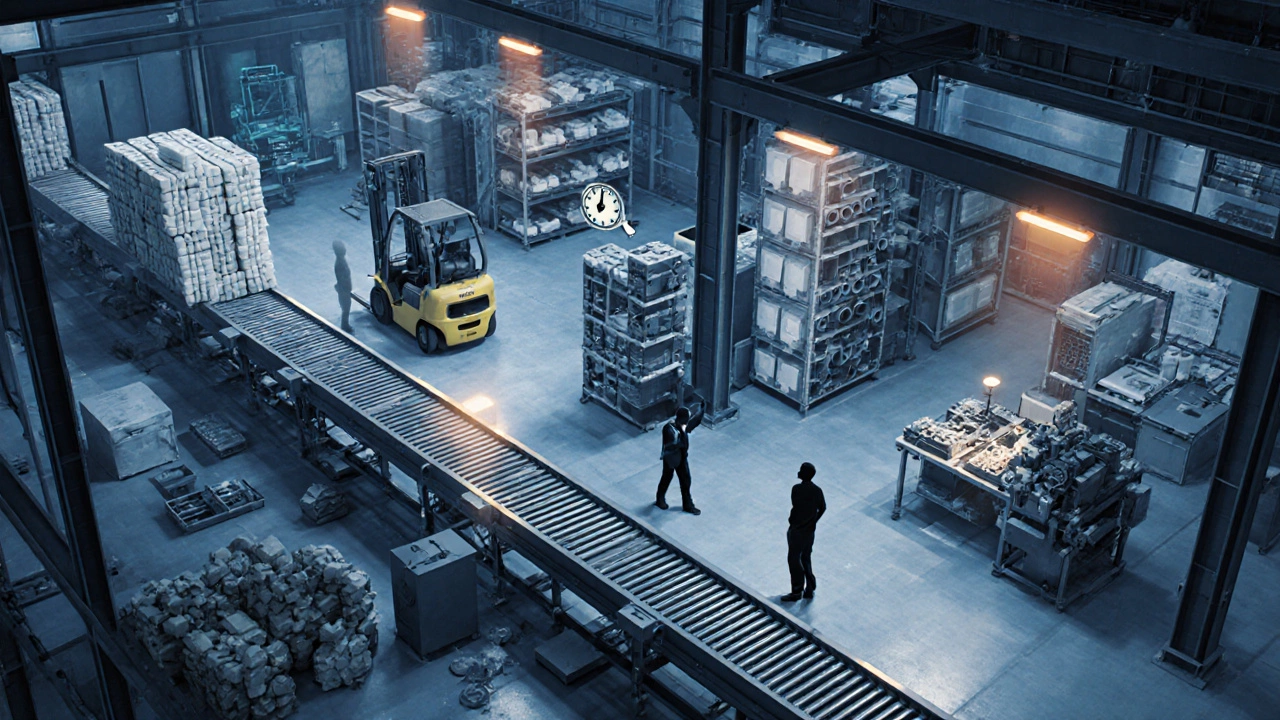
Uncovering the Biggest Waste in Manufacturing and How Startups Can Eliminate It
Discover which waste hurts manufacturing startups the most, why overproduction leads the pack, and how to cut it with lean tools, audits, and real‑world examples.
Read More