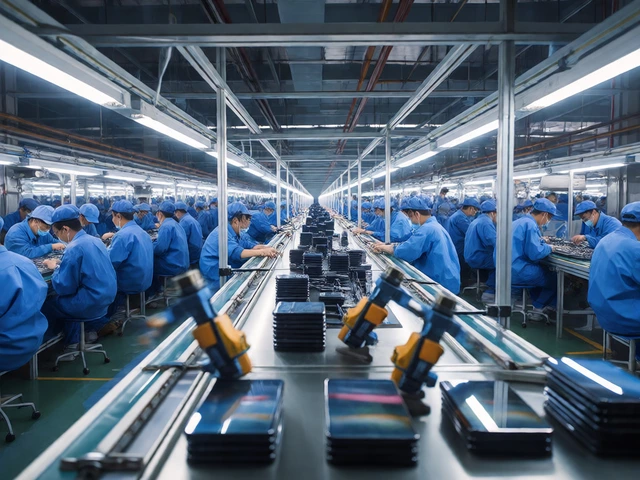
Who Oversees Manufacturing? Government Bodies and Schemes That Keep Factories Running
Government Scheme Eligibility Checker
Find Your Eligible Government Schemes
Your Eligible Schemes
When you think about how products get made - from smartphones to steel beams, from medicines to sneakers - you might picture machines humming, workers on assembly lines, or factory owners making decisions. But behind every factory floor, there’s a system of oversight that makes sure things are done safely, legally, and fairly. So who actually oversees manufacturing? It’s not one person. It’s a network of government agencies, laws, and schemes designed to keep production running without harming people, the environment, or the economy.
Who’s in Charge of Manufacturing Oversight?
No single agency runs manufacturing in most countries. Instead, oversight is split across multiple departments, each with its own job. In India, for example, the Ministry of Commerce and Industry is the central body responsible for formulating industrial policy and promoting manufacturing growth sets the big-picture rules. But day-to-day enforcement? That’s handled by others.
The Ministry of Labour and Employment ensures factories follow labor laws - things like minimum wage, working hours, child labor bans, and workplace safety. If a factory forces workers to clock 14-hour shifts without breaks, this ministry steps in. Then there’s the Ministry of Environment, Forest and Climate Change which monitors pollution, waste disposal, and emissions from factories. A chemical plant can’t just dump toxic sludge into a river - it needs permits, monitoring systems, and regular audits.
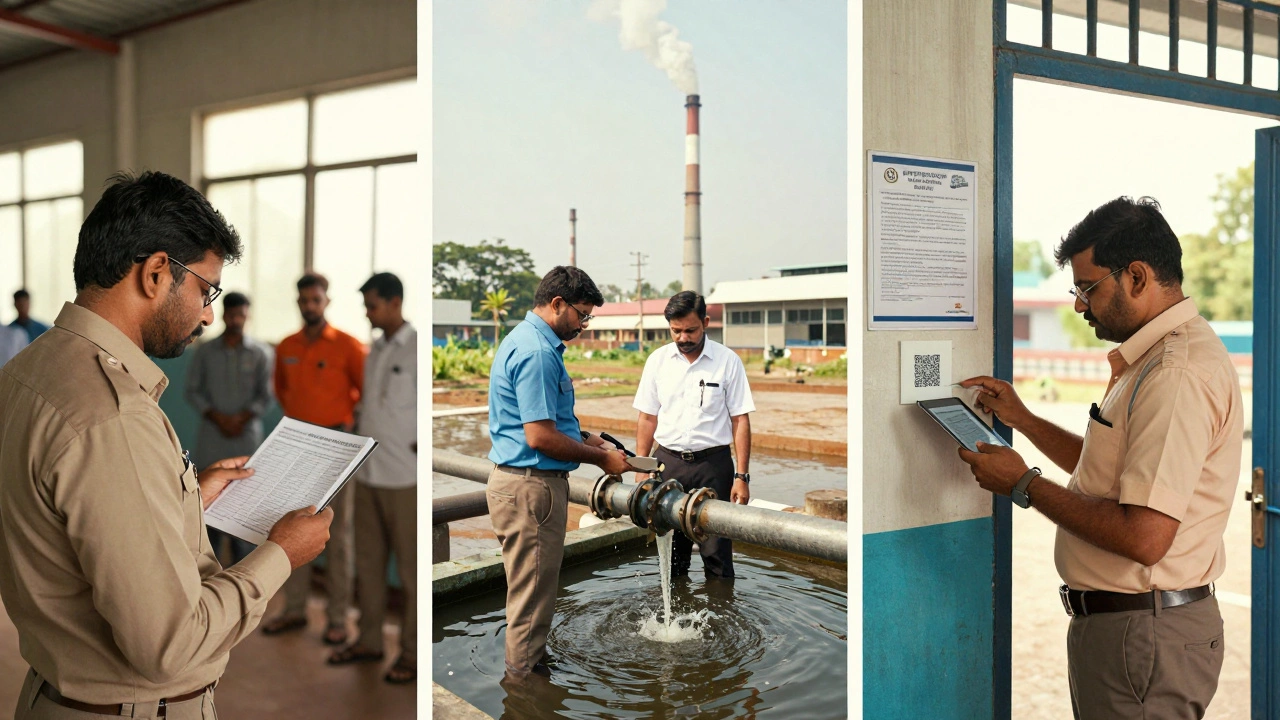
At the state level, each region has its own Directorate of Industrial Safety and Health that conducts surprise inspections and issues compliance certificates. These are the inspectors who show up unannounced, check fire exits, test ventilation systems, and review safety training records. They don’t just write tickets - they shut down factories that refuse to fix dangerous conditions.
Key Government Schemes That Shape Manufacturing
Overseeing manufacturing isn’t just about stopping bad behavior. It’s also about encouraging good growth. That’s where government schemes come in. These aren’t just handouts - they’re structured programs with rules, targets, and accountability.
The Make in India initiative, launched in 2014, is the most well-known. It doesn’t run factories, but it creates the conditions for them to thrive: tax breaks, faster approvals, and infrastructure support. Companies that set up manufacturing units in designated sectors - like electronics, pharmaceuticals, or defense - get access to faster clearances and reduced customs duties.
Then there’s the Production Linked Incentive (PLI) Scheme , introduced in 2020. It gives cash rewards based on how much a company produces and sells. For example, a smartphone maker that increases output by 20% over two years gets a direct payout of 4% to 6% of its sales. This isn’t a grant - it’s a performance-based reward. The government tracks production numbers, export data, and employment figures to make sure companies aren’t just gaming the system.
For small businesses, the Udyam Registration system (replacing MSME registration) is critical. It’s a free, online portal that certifies a business as a micro, small, or medium enterprise. Once registered, these factories get access to cheaper loans, government tenders reserved for them, and subsidies for technology upgrades. Over 12 million businesses are registered under Udyam as of 2025 - most of them small manufacturing units.
How Compliance Works in Practice
Let’s say you run a small electronics assembly unit in Tamil Nadu. You’ve got 15 workers, 3 machines, and you make circuit boards for local phone repair shops. Who oversees you?
- The Labour Department checks if you pay minimum wage, provide lunch breaks, and don’t hire anyone under 14.
- The State Pollution Control Board tests your air vents and wastewater pipes - solder fumes and acid runoff are regulated.
- The Directorate of Industries verifies your Udyam registration and makes sure you’re not violating zoning laws (factories can’t be in residential areas).
- The Income Tax Department audits your records to ensure you’re not hiding sales or inflating expenses.
Each agency uses its own digital portal. You upload safety certificates, pollution reports, payroll records. Miss a deadline? You get a warning. Miss three? Your factory gets sealed. It’s not about punishment - it’s about consistency. Every factory, big or small, plays by the same rules.
What Happens When Oversight Fails?
There are real consequences when oversight breaks down. In 2023, a textile factory in Gujarat caught fire because emergency exits were locked and fire extinguishers expired. 17 workers died. The factory owner was arrested. The state government shut down 89 similar units across the region. The National Commission for Women also stepped in because 80% of the victims were women.
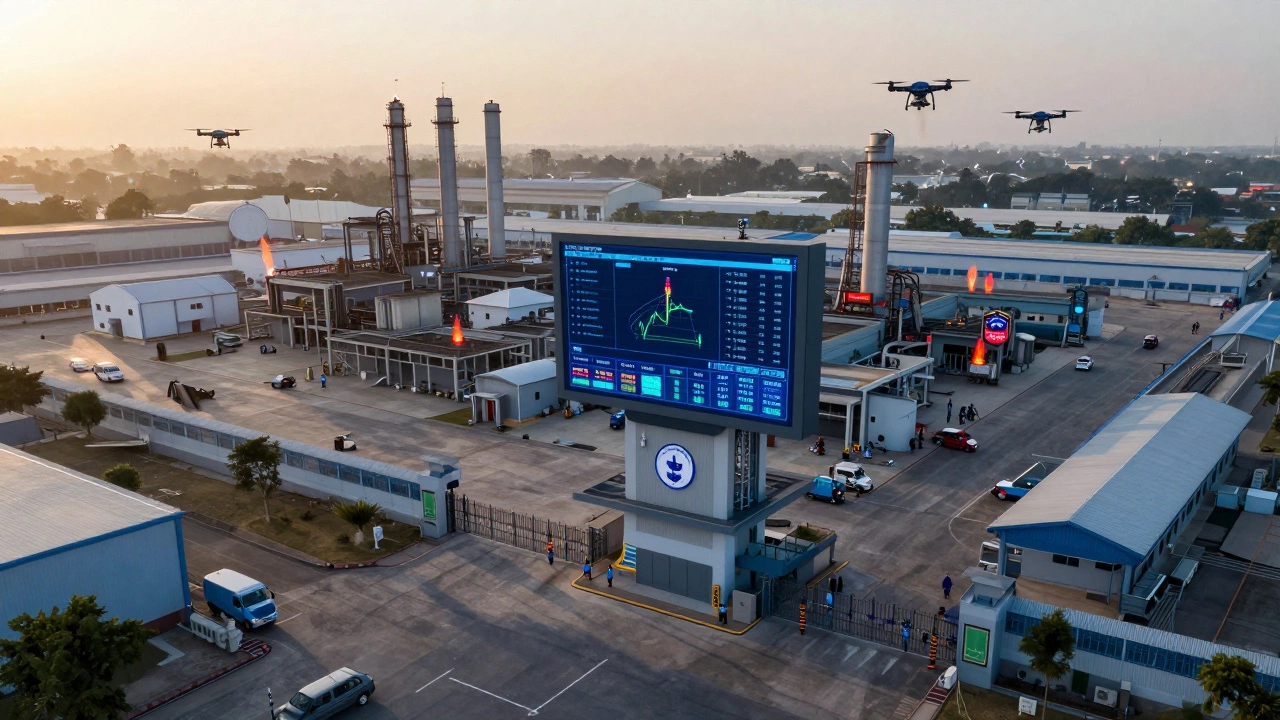
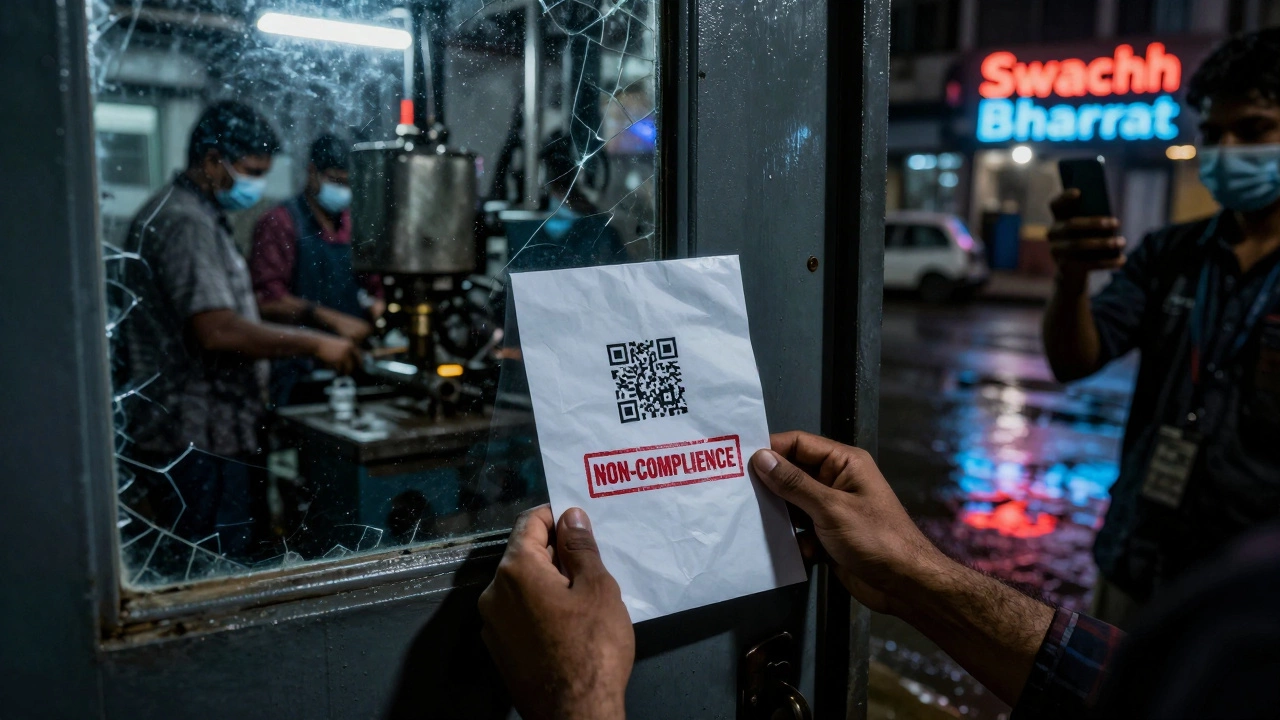
That tragedy led to a major overhaul. The state now requires all factories with more than 10 workers to install real-time fire and gas sensors linked to a central dashboard. Inspectors use mobile apps to scan QR codes on factory gates and instantly pull up compliance history. If a factory hasn’t updated its safety records in 60 days, the app flags it for immediate visit.
This isn’t an exception - it’s becoming the norm. Digital tracking, mandatory reporting, and public transparency are now baked into manufacturing oversight. The goal isn’t to control businesses - it’s to protect people and ensure fair competition.
Who Holds the Government Accountable?
It’s easy to think oversight is one-way: government watches factories. But factories also watch the government. Industry associations like the Confederation of Indian Industry (CII) and the Federation of Indian Chambers of Commerce and Industry (FICCI) regularly audit government schemes. They report delays in approvals, corruption in inspections, and outdated rules.
In 2024, FICCI found that 62% of small manufacturers waited over 90 days for environmental clearances - even though the law says it should take 30. That report triggered a reform. Now, if a clearance isn’t granted within 30 days, it’s automatically approved. This is called "deemed approval" - and it’s now standard in 18 states.
Even citizens can report violations. India’s Swachh Bharat Abhiyan and the National Green Tribunal accept anonymous complaints about pollution, unsafe waste dumping, or labor exploitation. A factory in Madhya Pradesh was shut down last year after a local resident uploaded a video of wastewater flowing into a canal. The video went viral. The inspector arrived the next day.
What’s Changing in 2026?
Manufacturing oversight is getting smarter - and faster. Here’s what’s new:
- AI-powered inspections: Drones now fly over large industrial parks to detect heat signatures (signs of unreported furnaces) and smoke plumes.
- Real-time data sharing: Factories must send daily production and energy use data to a central government cloud. If usage spikes without reason, it triggers an audit.
- One-time registration: Starting April 2026, all manufacturing units will register once on a single portal - and that one registration grants access to all clearances (labour, environment, fire, tax).
- Green compliance rewards: Factories that cut carbon emissions by 20% in two years get tax holidays and priority in government procurement.
This isn’t about surveillance. It’s about efficiency. The government doesn’t want to micromanage - it wants to make sure every factory operates within the rules so honest businesses can compete.
Final Thought: Oversight Isn’t Bureaucracy - It’s the Foundation
People often see regulators as red tape. But without oversight, factories cut corners. Workers get hurt. The environment suffers. Small businesses lose out to unscrupulous competitors. Oversight isn’t about stopping progress - it’s about making sure progress is safe, fair, and lasting.
The next time you pick up a product made in India - whether it’s a phone, a medicine bottle, or a pair of shoes - remember: someone checked the air quality. Someone verified the wage slip. Someone made sure the fire exit wasn’t blocked. That’s not luck. That’s oversight.
Who is the main government body overseeing manufacturing in India?
The Ministry of Commerce and Industry is the central body responsible for formulating national industrial policy and promoting manufacturing growth. It sets the overall framework, but day-to-day enforcement is handled by state-level agencies like the Directorate of Industries and the Labour Department.
Do small factories have to follow the same rules as big ones?
Yes. All manufacturing units, regardless of size, must comply with labor laws, environmental regulations, and safety standards. However, small businesses registered under Udyam get simplified reporting, easier access to loans, and reserved government tenders to help them meet these rules without being overwhelmed.
What happens if a factory violates safety rules?
Violations lead to warnings, fines, or shutdowns. Repeat offenders face legal action. In severe cases - like those involving worker deaths or toxic pollution - the factory owner can be arrested. Authorities now use digital dashboards to track compliance history, and factories with poor records are flagged for immediate inspection.
How can I report a factory that’s breaking the rules?
You can file an anonymous complaint through the National Green Tribunal portal, the Swachh Bharat app, or your state’s Labour Department website. Many states now accept photos, videos, or GPS-tagged reports. If enough evidence is provided, inspectors will visit within 72 hours.
Are government manufacturing schemes only for large companies?
No. The Production Linked Incentive (PLI) scheme and Make in India include provisions for small and medium enterprises. Udyam registration opens doors to subsidies, tax breaks, and government contracts specifically reserved for small manufacturers. Over 70% of PLI beneficiaries in 2025 were SMEs.