People in Manufacturing: Who Runs the Factories and How They Keep India Growing
When you think of manufacturing, you might picture robots and machines—but the real engine is people in manufacturing, the workers, technicians, supervisors, and engineers who operate, maintain, and improve production systems every day. Also known as the industrial workforce, these are the hands and minds that turn raw materials into everything from car parts to medicines to textiles. Without them, even the most advanced factory is just a building full of metal and wires.
India’s manufacturing sector isn’t growing because of big policies alone—it’s growing because of factory workers, the frontline staff who run machines, inspect products, and fix breakdowns in real time. In Surat, they weave 80% of India’s synthetic fabric. In Hyderabad, they fill vials with life-saving drugs. In Khanna, they carve wooden furniture by hand and machine. These aren’t faceless laborers—they’re skilled professionals who learned their trade on the job, often starting as apprentices and rising to lead teams. Many don’t have degrees, but they have decades of experience and a deep understanding of what works—and what doesn’t.
Then there are the plant managers, the people who coordinate supply chains, train teams, and make sure production meets quality and safety standards. They’re the ones reading data from sensors, adjusting schedules, and pushing for efficiency without cutting corners. In pharma plants across Gujarat, they ensure every batch of medicine follows strict rules. In auto factories in Tamil Nadu, they track every bolt to avoid recalls. These roles don’t show up in headlines, but they’re the reason Indian-made products are trusted globally.
And it’s not just about numbers. The people in manufacturing are changing. More women are stepping onto factory floors. Young engineers are learning AI-driven maintenance. Older workers are mentoring the next generation. The industry is shifting from low-wage labor to skilled work—and that shift is happening right now, in real factories across the country.
You’ll find stories here about who’s making what, where, and why. From the technician fixing a broken extruder in Punjab to the supervisor training new hires in Hyderabad, these aren’t abstract trends—they’re real lives, real jobs, real impact. The posts below show you exactly how these people keep India’s factories running, what challenges they face, and how they’re adapting to new tech, new rules, and new expectations.
What Are the 5 Ps of Manufacturing? A Practical Guide for Small and Medium Factories
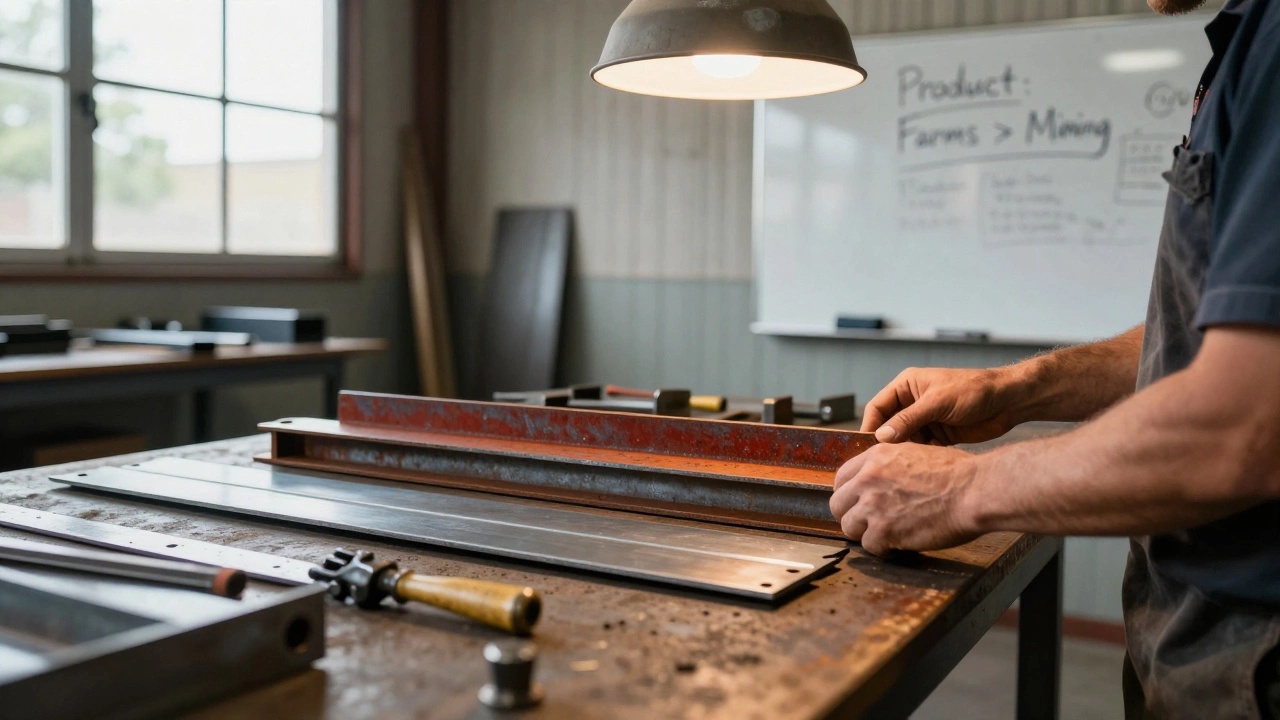
The 5 Ps of manufacturing - Product, Process, Plant, People, and Planning - are the core principles that help small factories run efficiently, reduce waste, and grow sustainably. Learn how to apply them in real-world settings.
Read More