What Is the Plastic Capital of the World?
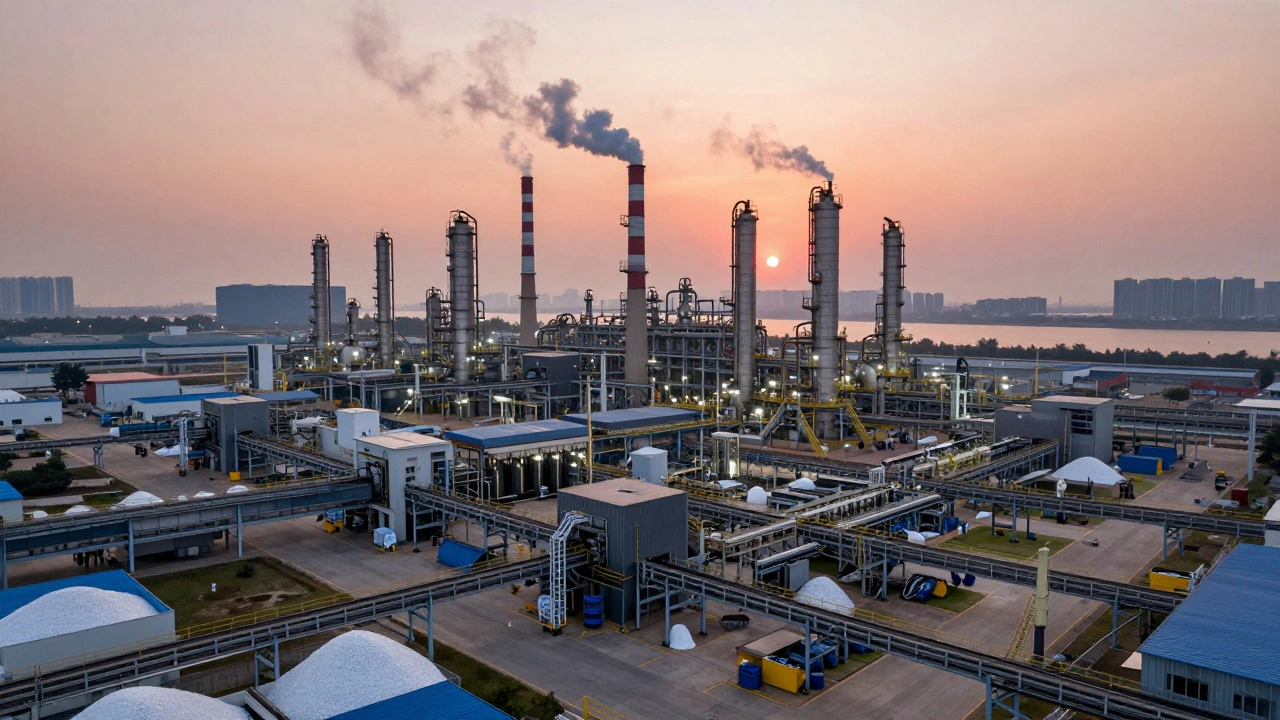
When you think of plastic, you probably picture water bottles, grocery bags, or phone cases. But behind every piece of plastic is a massive industrial machine - one that churns out millions of tons every year. And one place dominates it all: China.
China isn’t just a big player in plastic manufacturing. It’s the undisputed plastic capital of the world. In 2025, China produced over 85 million metric tons of plastic resin, more than the next three largest producers combined. That’s roughly 30% of the world’s total plastic output. No other country even comes close.
Why China? It’s Not Just Size - It’s the Whole System
China didn’t get here by accident. It built a plastic production ecosystem that’s unmatched. From raw materials to finished goods, everything happens under one roof. The country imports over 10 million tons of crude oil and natural gas annually - the base ingredients for plastics - and turns them into everything from polyethylene to polycarbonate in massive petrochemical complexes.
Take the Pearl River Delta region. Cities like Shenzhen, Guangzhou, and Dongguan are home to over 15,000 plastic molding and processing factories. These aren’t small workshops. These are automated plants running 24/7, churning out injection-molded parts for electronics, packaging, toys, and automotive components. Many of the world’s biggest brands - Apple, Nike, Walmart - rely on these factories to make their products.
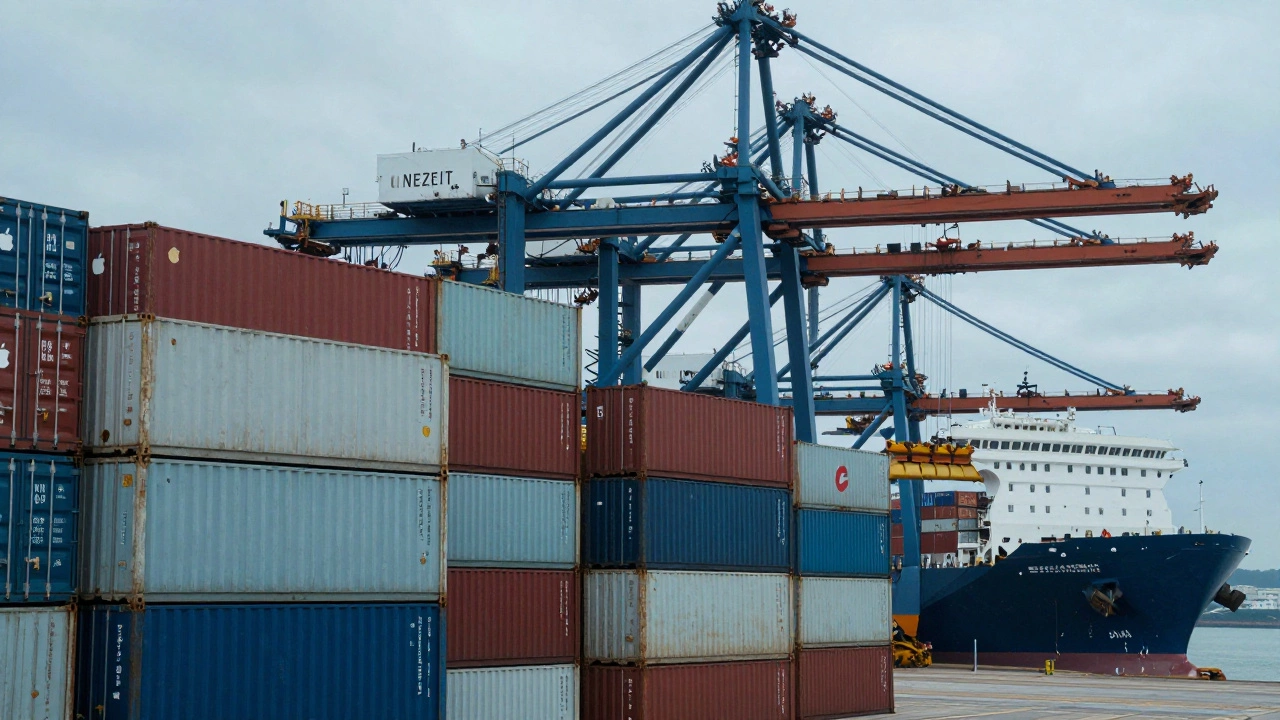
China also controls the supply chain. It produces nearly half of the world’s plastic pellets. It owns the largest number of extrusion lines. It has the deepest network of recycling plants, even if much of that recycling is exported. And it’s the top exporter of plastic goods - shipping over $250 billion worth annually.
Who Are the Real Players Behind the Numbers?
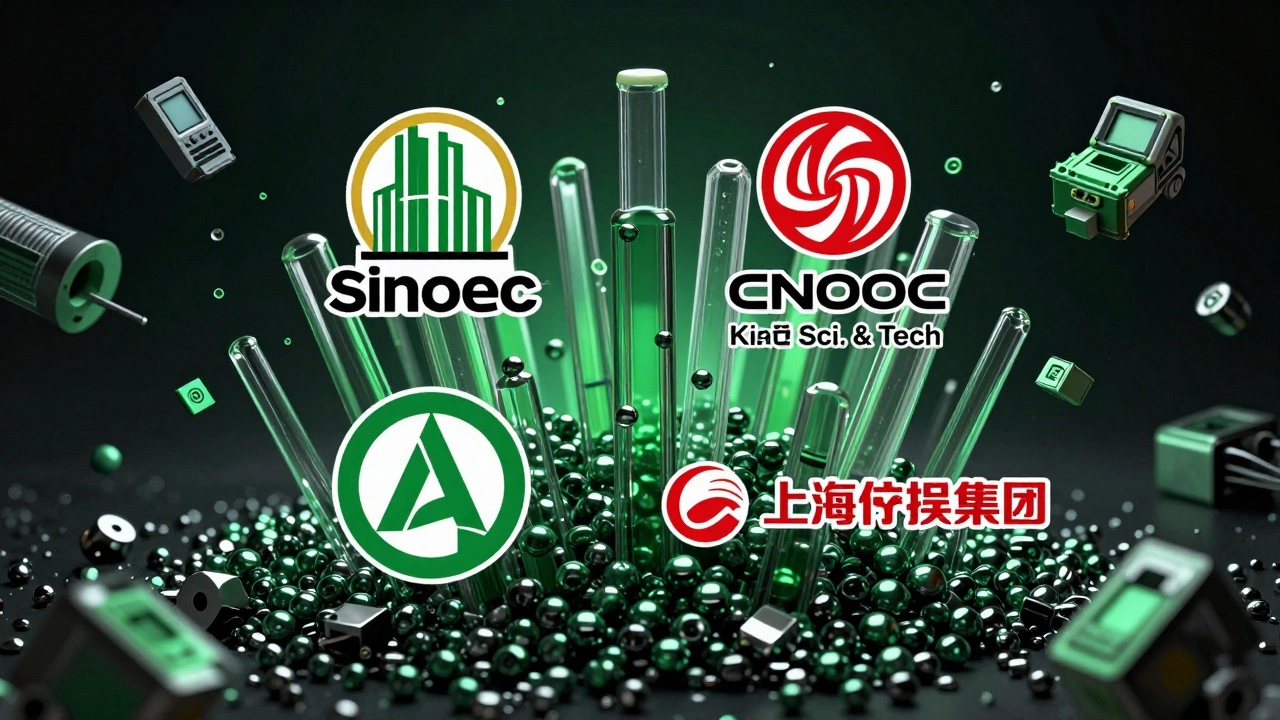
Beyond national stats, the real power lies in companies. Some of the biggest plastic resin producers in the world are Chinese:
- Sinopec - China’s state-owned oil giant, produces over 20 million tons of plastic resin yearly, making it the single largest producer on Earth.
- CNOOC - Another state-backed player, heavily invested in petrochemical zones in Liaoning and Jiangsu.
- Kingfa Sci. & Tech. - A private company based in Guangdong that makes engineering plastics used in automotive and electronics.
- Shanghai Huayi Group - One of the oldest and most diversified chemical manufacturers in China, with major plastic polymer divisions.
These companies don’t just supply China. They export to over 180 countries. Sinopec alone has joint ventures in Southeast Asia, Africa, and Eastern Europe, extending its influence far beyond its borders.
The Competition? It’s Not Even Close
Other countries try to keep up - but they’re playing catch-up.
The United States is the second-largest producer, with about 18 million tons annually. But its production is concentrated in Texas and Louisiana, along the Gulf Coast. Companies like Dow Chemical and ExxonMobil lead here, but they’re still far behind China’s scale. Plus, rising energy costs and environmental regulations make expansion harder.
Europe? The EU produces around 16 million tons a year, but it’s shrinking. Strict regulations on single-use plastics, carbon taxes, and pressure from consumers have forced many factories to downsize or shift production to Asia.
India is growing fast. It’s now the third-largest consumer of plastic and is pushing to become a top producer. Companies like Reliance Industries are building massive new petrochemical complexes. But as of 2025, India still only produces about 12 million tons - less than half of China’s output.
Even Saudi Arabia, with its cheap oil and giant petrochemical plants like SABIC, can’t match China’s volume, speed, or integrated supply chain.
What Makes China’s Model So Hard to Copy?
It’s not just about having factories. It’s about how everything connects.
- Speed: A new plastic product design can go from prototype to mass production in under 10 days.
- Cost: Labor, energy, and logistics costs are lower than anywhere else at this scale.
- Infrastructure: Over 40 major industrial zones are dedicated to plastics, with ports, rail, and power grids built specifically for chemical transport.
- Government support: Local governments offer tax breaks, land grants, and fast-tracked permits to attract plastic manufacturers.
There’s also a cultural factor. In China, manufacturing isn’t seen as dirty or outdated. It’s celebrated as progress. Workers are trained in specialized plastic processing schools. Engineers design molds in their 20s. Entire towns are built around plastic factories.
Is There a Future Beyond China?
Yes - but not because of competition. It’s because of pressure.
Environmental groups have called China the world’s plastic dumping ground. Over 40% of the plastic waste exported from North America and Europe used to end up in Chinese landfills and rivers. Since China banned most plastic imports in 2018, the world had to find new places to send its waste - and new ways to make plastic.
Now, countries are investing in alternatives: bioplastics, recycled content, refill systems. The EU is banning 10 single-use plastics. The U.S. is passing state-level plastic taxes. India is pushing for 100% recyclable packaging by 2030.
But here’s the catch: none of these changes are happening fast enough to replace China’s production capacity. Even if every factory in Europe doubled its output, it wouldn’t cover the gap. And bioplastics? They still make up less than 1% of global plastic production.
So for now, China remains the plastic capital. Not because it’s the best, but because it’s the only one that built the whole system - from oil wells to shipping containers - and did it at a scale no one else can match.
What Does This Mean for the Rest of the World?
If you’re a business buying plastic parts, you’re likely sourcing from China - whether you know it or not. If you’re a policymaker trying to reduce plastic waste, you’re fighting a system built over 30 years.
The plastic capital isn’t just a place. It’s a model. And until another country can replicate its speed, cost, and integration, China will keep ruling the industry.
The real question isn’t who makes the most plastic. It’s whether the world can afford to keep letting one country control it all.
Is China really the plastic capital of the world?
Yes. China produces over 85 million metric tons of plastic resin annually - more than the next three countries combined. It dominates global production, exports, and supply chain control, making it the undisputed center of the plastic industry.
Which Chinese city produces the most plastic?
Dongguan, in Guangdong Province, is the single largest hub. It’s home to over 5,000 plastic manufacturing factories, especially for electronics components, packaging, and toys. Shenzhen and Guangzhou are also major centers, forming a dense industrial belt along the Pearl River Delta.
What are the top plastic manufacturing companies in China?
The biggest are Sinopec (producing over 20 million tons/year), CNOOC, Kingfa Sci. & Tech., and Shanghai Huayi Group. These companies supply raw plastic resins and finished products to global brands and dominate export markets.
Why can’t the U.S. or Europe compete with China in plastic production?
The U.S. and Europe have higher labor, energy, and environmental compliance costs. They also lack the dense, integrated supply chains China built over decades. While they lead in innovation, they can’t match China’s volume, speed, and cost efficiency at scale.
Is plastic production in China declining because of environmental concerns?
Not yet. While China has banned single-use plastics in major cities and is pushing recycling, its domestic demand for plastic continues to grow - especially in packaging, construction, and e-commerce. Production has slowed slightly, but not enough to challenge its global dominance.

Recent Posts
-
Cheapest Countries to Manufacture in 2026: A Guide for Startups
-
What Are Food Processing Units? A Complete Guide to Types, Operations, and Business Setup
-
How Long Does Plastic Take to Disintegrate? A Timeline for Manufacturers
-
How Many Plastic Companies Are There in the US? (2026 Industry Data)
-
What is the most in demand manufacturing? High-growth small scale ideas for 2026