Which Country Wastes the Most Plastic? Global Waste Leaders and Trends
Plastic Waste Leakage Estimator
Environmental Impact
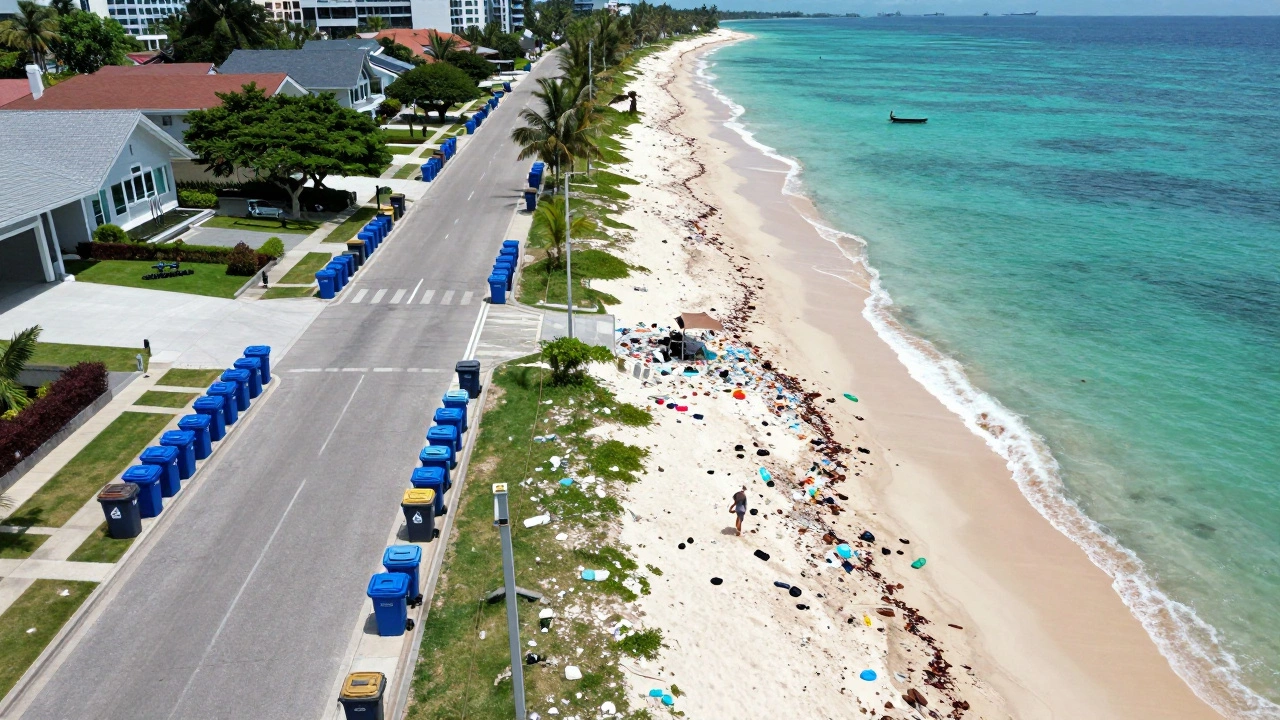
Note: This tool demonstrates the concept described in the article: High generation (like the U.S.) with high efficiency leads to lower leakage, while lower generation (like Southeast Asia) with low efficiency leads to high ocean pollution.
The Big Picture: Production vs. Leakage
To understand who is wasting the most plastic, we first have to define what "waste" means. Are we talking about total tonnage sent to a landfill, or are we talking about Mismanaged Plastic Waste plastic that is not collected or is disposed of in open dumps, eventually leaking into the environment?The United States generates a staggering amount of plastic waste per person. According to data from the World Bank, the average American produces significantly more plastic trash annually than a citizen of almost any other country. However, the U.S. has a robust (though imperfect) collection infrastructure. The plastic doesn't usually end up in a river in Ohio; it goes to a landfill or a processing plant.
On the flip side, countries like Philippines an archipelagic country in Southeast Asia known for high rates of plastic leakage into the ocean and Indonesia produce less plastic per capita, but they have a much higher "leakage rate." Because they lack centralized waste management, a huge percentage of their plastic waste goes straight into the water. This is where the real environmental damage happens.
Who Leads the Waste Rankings?
When you dive into the data, a few names always pop up. China the world's largest producer of plastics and a major generator of waste is often at the top of the list for total volume. With a population of over 1.4 billion and a massive manufacturing sector, the sheer scale of their plastic use is unmatched.But let's look at the numbers through a different lens. If we talk about the most plastic waste entering the ocean, the list looks like this:
| Country/Region | Primary Issue | Waste Characteristic |
|---|---|---|
| United States | High Consumption | High per-capita generation, high landfill rate |
| China | Mass Production | Highest total volume of plastic created |
| Philippines | Infrastructure Gap | Highest percentage of leakage into oceans |
| India | Rapid Urbanization | High volume of single-use sachets and thin films |
Does this mean the Philippines is "worse" than the U.S.? Not necessarily. The U.S. and Europe historically exported their plastic waste to these very countries. For years, Western nations shipped millions of tons of "recyclable" plastic to Asia, only for much of it to be unrecyclable and end up in illegal dumps. So, while the waste is physically located in Southeast Asia, the plastic manufacturing companies and consumers in the West are often the ones who created it.
The Role of Single-Use Plastics and "Sachet Culture"
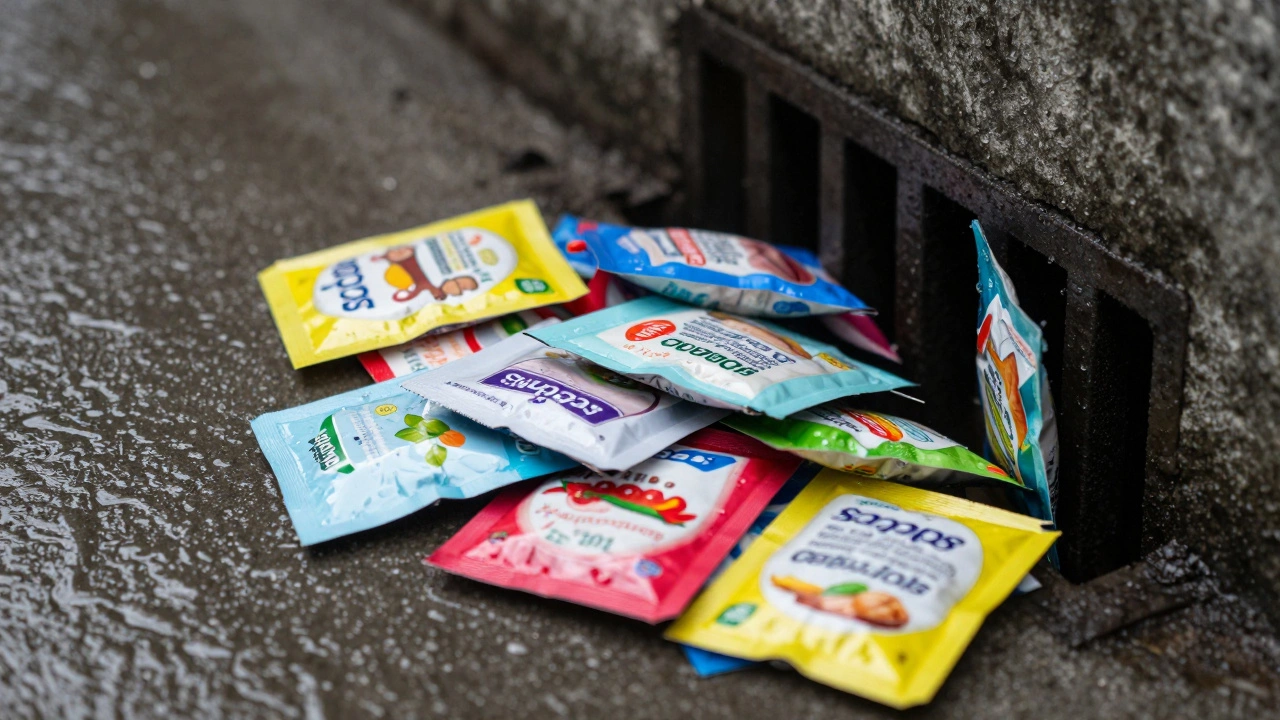
In many of the countries that rank high for ocean leakage, the problem isn't just a lack of trucks to pick up trash. It's the *type* of plastic being sold. In India, Indonesia, and the Philippines, there is a phenomenon called "sachet culture."Instead of buying a big bottle of shampoo or detergent, people buy tiny, single-use plastic packets (sachets) because they are cheaper for the daily budget. These sachets are made from multi-layer laminates-plastic and aluminum bonded together. They are virtually impossible to recycle. Because they are so small and light, they blow away in the wind and wash into storm drains instantly. This creates a massive amount of "micro-waste" that is impossible to collect manually.
This is a failure of design. The companies selling these products know the infrastructure can't handle the waste, yet the packaging remains the standard because it's the most profitable way to reach low-income consumers.
How Plastic Manufacturing Companies Fit In
We can't talk about waste without talking about the people making the stuff. Most of the world's plastic is derived from Polyethylene the most common plastic polymer used in packaging and bags and Polypropylene a tough, heat-resistant plastic used in containers and automotive parts.For a long time, plastic manufacturers focused on one thing: making the material cheaper and more durable. Durability is great for a car bumper, but it's a disaster for a drinking straw. The industry has spent decades pushing the idea that "recycling" is the solution, but the math doesn't add up. Globally, only about 9% of all plastic ever made has been recycled. The rest is burned, buried, or left to float in the sea.
The shift is now moving toward Circular Economy an economic system aimed at eliminating waste and the continual use of resources. This means manufacturers are being pressured to design products that are meant to be returned and reused, rather than tossed. But as long as virgin plastic (plastic made from fresh oil) is cheaper than recycled plastic, most companies will stick to the old, wasteful way.
The Impact of Global Trade and the "Waste Trade"
One of the most controversial parts of this discussion is the global trade of scrap. For decades, the Global North (USA, Canada, EU) essentially paid the Global South to take their trash.Everything changed in 2018 when China implemented the "National Sword" policy. They simply stopped accepting most plastic waste from other countries. They realized that being the world's landfill was destroying their own environment. Suddenly, the waste had to go somewhere else. It shifted to Malaysia, Vietnam, and Thailand.
This created a ripple effect. Countries that were previously "clean" suddenly saw a spike in plastic pollution because they were importing waste they couldn't process. It proved that plastic waste isn't just a local problem; it's a global logistics problem. If a company in New York uses a plastic bottle and throws it in a blue bin, that bottle might travel 6,000 miles only to be dumped in a field in Southeast Asia. Who is wasting the plastic in that scenario? The consumer in New York or the country that failed to manage the import?
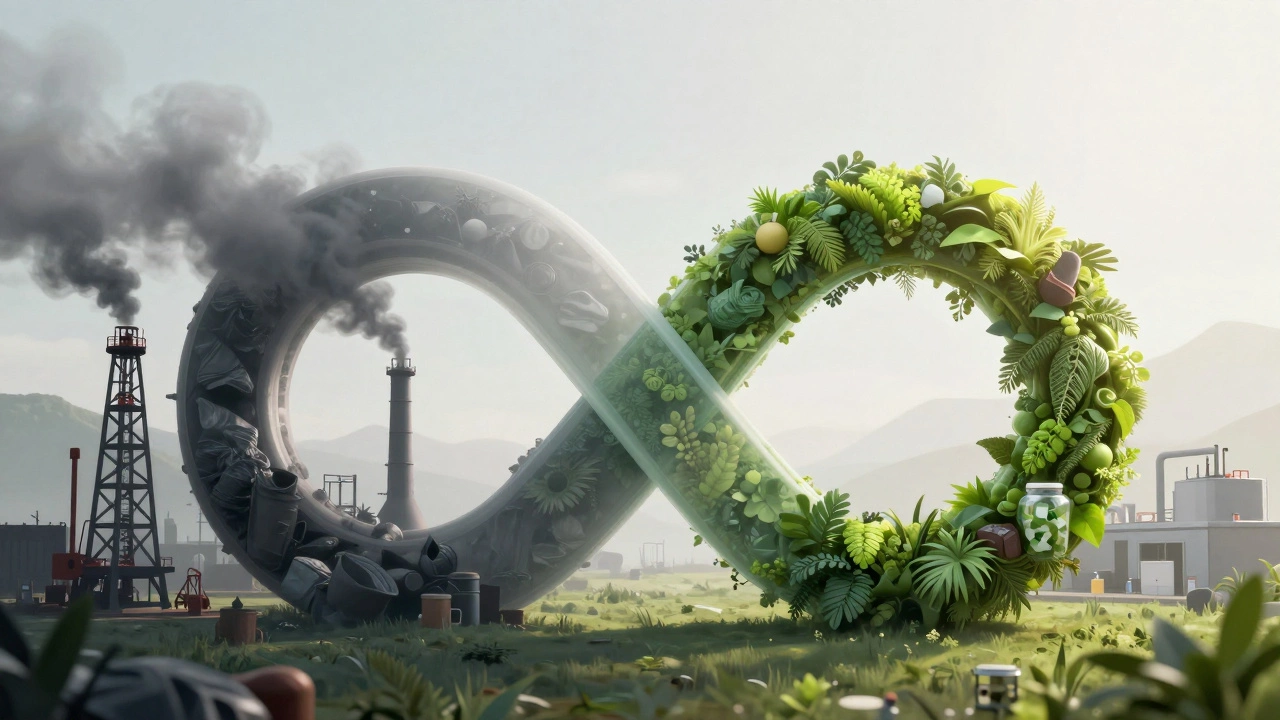
Can We Actually Fix the Plastic Leakage?
If you want to stop the most waste, you don't start with a beach cleanup. You start with the source. There are three main levers that actually work:- Extended Producer Responsibility (EPR): This is a policy where the company that makes the packaging is legally and financially responsible for its end-of-life. If a company has to pay for the cleanup of every bottle they sell, they will suddenly find a way to make the bottle disappear or be reused.
- Banning Specific Polymers: Some plastics are just too problematic. Banning expanded polystyrene (Styrofoam) or thin-film PVC can eliminate a huge chunk of the most harmful ocean waste.
- Investment in Waste Infrastructure: In countries like Indonesia, the problem isn't a lack of will; it's a lack of trucks and sorting facilities. Building actual waste management systems in coastal cities is the fastest way to reduce the amount of plastic hitting the ocean.
We often blame the "dirtiest" country, but that's a simplification. The real waste is systemic. It's a combination of high-consumption lifestyles in the West, a lack of infrastructure in the East, and a manufacturing industry that prioritizes low cost over planetary health.
Which country is the largest producer of plastic waste per person?
The United States generally ranks as one of the highest per-capita producers of plastic waste. Due to a high reliance on single-use packaging and a culture of convenience, the average American generates far more plastic trash than people in most other nations.
Does China waste the most plastic?
In terms of total volume, China is often the top waste generator because of its massive population and its role as the global hub for manufacturing. However, they have significantly tightened their waste import laws to reduce the amount of foreign plastic entering their borders.
Why do some countries have more plastic in their oceans than others?
Ocean leakage is usually caused by a lack of waste management infrastructure. Countries with high leakage rates, like the Philippines or Indonesia, often lack centralized trash collection, meaning plastic is dumped in rivers that carry it directly into the sea.
What is the "Sachet Culture" and why is it bad?
Sachet culture refers to the sale of products in tiny, single-use plastic pouches. These are common in developing economies because they are affordable. However, they are made of non-recyclable mixed materials and are too small for traditional waste collection, leading to massive environmental pollution.
Can all plastic be recycled?
No. Only a small fraction of plastics are actually recyclable. While PET (water bottles) and HDPE (milk jugs) are commonly recycled, many others, like PVC or multi-layer films, cannot be processed by standard recycling plants and inevitably end up in landfills or the environment.
Next Steps for Reducing Your Plastic Footprint
If you're feeling overwhelmed by the scale of global waste, the best approach is to focus on the high-impact changes. Switching from a plastic water bottle to a reusable one is a start, but the bigger move is supporting brands that use compostable packaging or have a take-back program.For those in business, look into the circular economy. Instead of thinking about how to "dispose" of your product, think about how to keep the material in use for as long as possible. This not only helps the planet but, as regulations around plastic waste tighten, it will likely save your company a lot of money in taxes and fines.