What Are the Units of the Food Industry? Types Explained
Food Processing Temperature Checker
Select Processing Unit Type
Temperature Compliance Result
Results will appear here after checking
Ever wonder how milk becomes cheese or wheat turns into bread? The food industry isn't one giant factory-it's a network of specialized food processing units, each handling specific tasks from farm to fork. Food processing units are specialized facilities within the food industry that transform raw agricultural products into packaged goods. These units operate under strict food safety regulations and form the backbone of the supply chain from farm to table. In Australia, they're vital for feeding a population of over 26 million people while meeting strict safety standards. Without these specialized units, your grocery store shelves would be empty.
Key Takeaways
- Food processing units are specialized facilities handling different stages of food production, from raw ingredients to packaged goods.
- Dairy, meat, grain, fruit/vegetable, and beverage units each have unique processes and safety requirements.
- Australian food processing units follow HACCP and ISO 22000 standards to ensure safety and quality.
- These units work together in a supply chain that moves food from farms to supermarkets efficiently.
- Small-scale processing units face challenges with compliance costs but can thrive with niche markets.
Dairy Processing Units
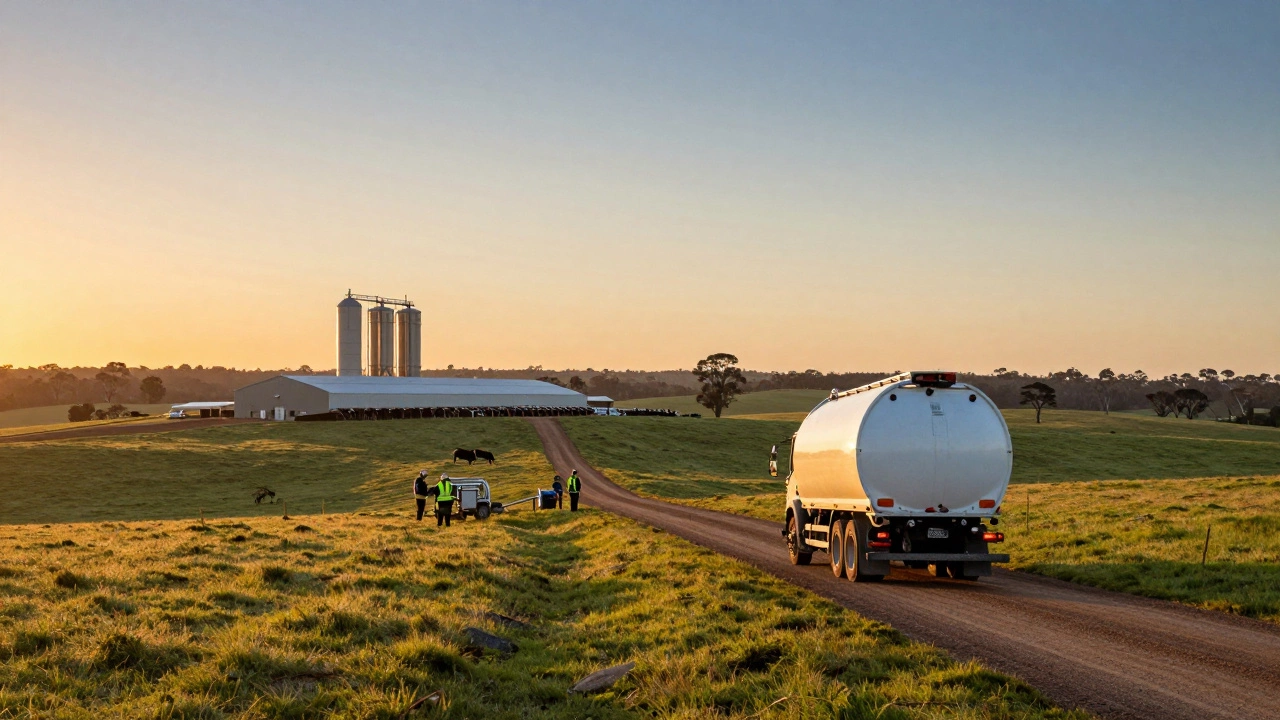
Dairy processing units take raw milk from farms and turn it into products like cheese, yogurt, and powdered milk. In Australia, companies like Murray Goulburn operate large-scale plants that process milk from over 3,000 farms. These units must maintain temperatures below 4°C during storage and pasteurize milk at 72°C for 15 seconds to kill harmful bacteria. A single failure in temperature control can spoil an entire batch. For example, in 2023, a Sydney dairy plant recalled 50,000 liters of yogurt after a temperature spike during cooling. Modern dairy units use automated systems to monitor quality at every step, from pasteurization to packaging.
Meat Processing Units
Meat processing units handle slaughtering, cutting, and packaging meat products. In Australia, JBS Australia processes over 100,000 cattle weekly across multiple facilities. These plants follow HACCP guidelines to control risks like salmonella and E. coli. Every step-from stunning to chilling-requires strict temperature monitoring. For instance, beef must be chilled to 0-2°C within 24 hours to prevent spoilage. A recent inspection in Adelaide found a meat plant failing to maintain cold storage, leading to a temporary shutdown. Modern units use blockchain tracking to trace meat from farm to fork, ensuring transparency in the supply chain.
Grain Milling Units
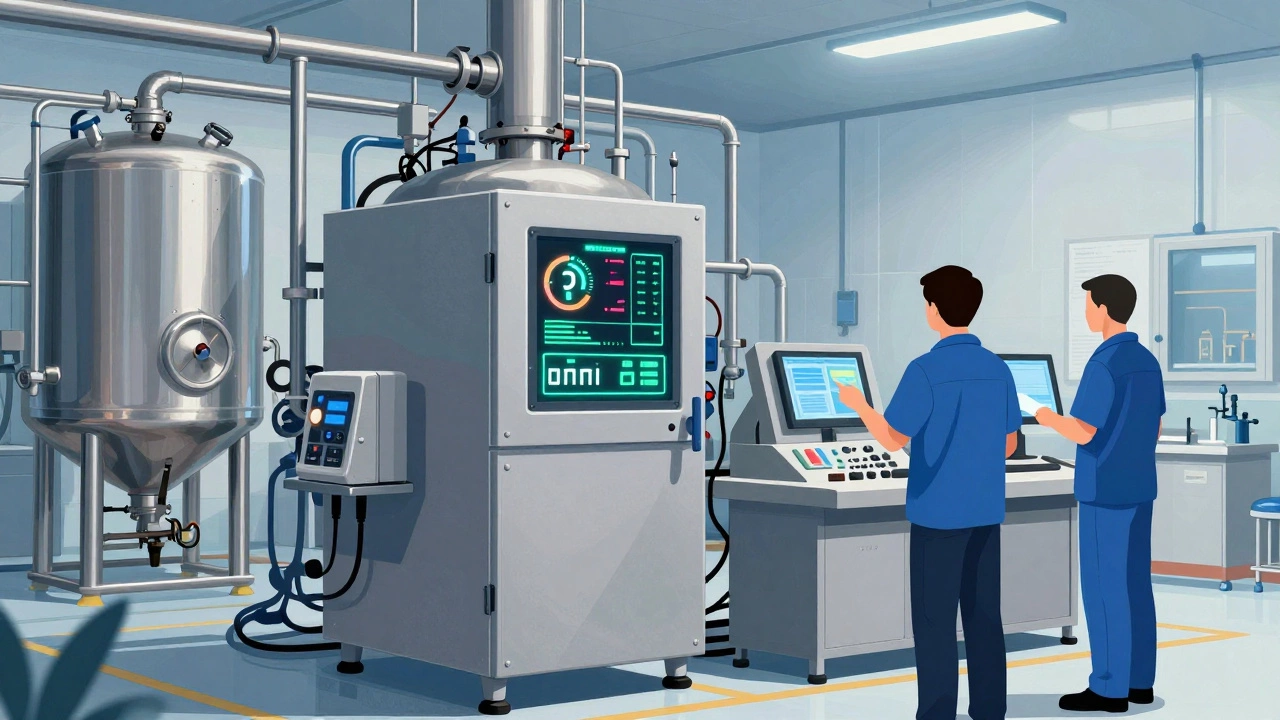
Grain milling units convert wheat into flour for bread, pasta, and other products. Australia's main flour mills, like those operated by Australian Flour Millers, process 3 million tonnes of wheat yearly. These units use automated systems to adjust moisture levels and remove impurities. Quality control checks happen every 30 minutes, testing for protein content and particle size. In 2025, a Melbourne mill upgraded its equipment to handle drought-resistant wheat varieties, boosting output by 15%. Without proper moisture control, flour can clump or spoil, so humidity levels are maintained at 50-55% in storage silos.
Fruit and Vegetable Processing Units
This unit handles washing, cutting, canning, or freezing produce. Companies like Simplot Australia turn potatoes into frozen fries or apples into juice. They focus on preserving freshness while meeting export standards. For example, a Sydney-based unit uses flash-freezing at -196°C to lock in nutrients for frozen berries. Temperature control is critical: canned tomatoes must be heated to 100°C for precise timing to avoid botulism risks. In 2024, a Tasmanian vegetable processor reduced waste by 20% using AI-powered sorting machines that detect defects in real time.
Beverage Production Units
Beverage units make soft drinks, juices, and alcoholic drinks. Coca-Cola Amatil in Australia produces over 1 billion liters of drinks annually. They use precise recipe control and sterilization to maintain taste and safety. Every batch undergoes 12 quality checks, from sugar concentration to microbial testing. A 2025 audit in Brisbane found a juice plant using unapproved sweeteners, leading to a product recall. Modern beverage units also focus on sustainability, with some using recycled water systems that cut usage by 40%.
How These Units Connect in the Supply Chain
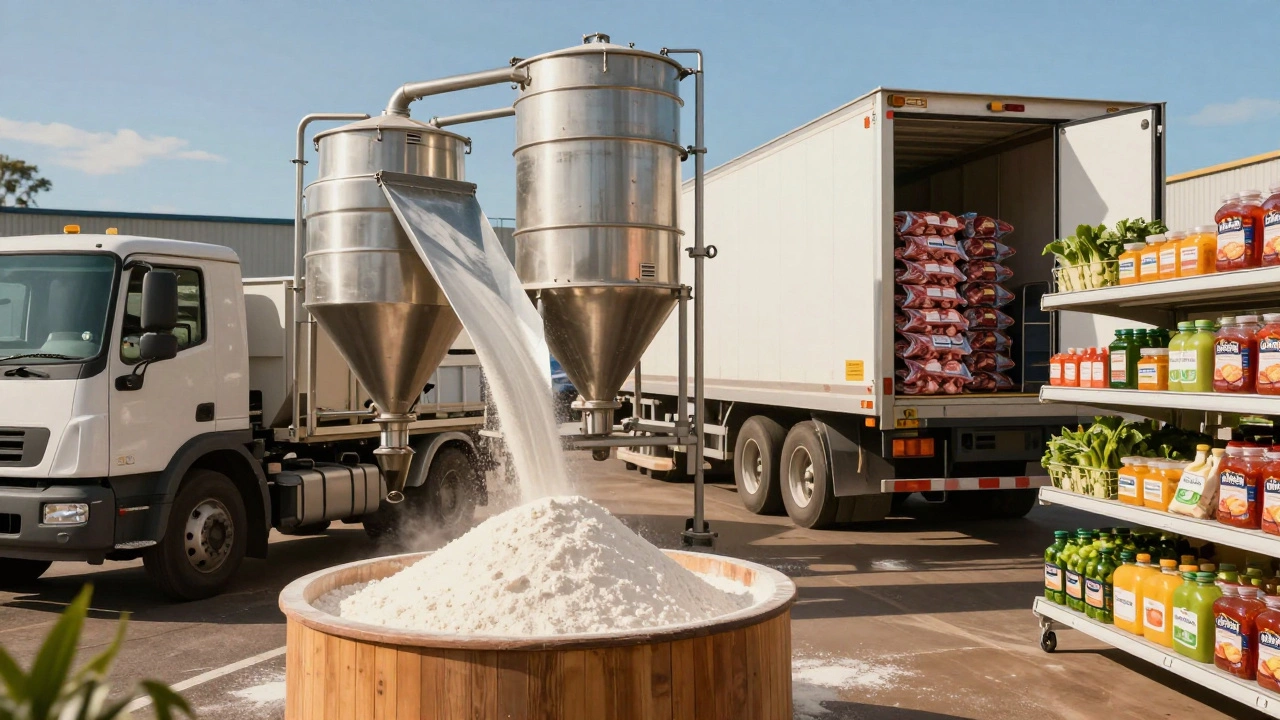
These processing units don't work in isolation. Dairy plants supply milk to cheese makers, which then go to supermarkets. Meat processors send products to retailers, while grain mills feed bakeries. This interconnected system ensures food moves efficiently from farms to consumers. In Australia, the supply chain is tightly regulated to prevent contamination and waste. For example, a single dairy unit in Victoria sends 80% of its output to beverage producers for milk-based drinks. Real-time data sharing between units helps adjust production based on demand. During the 2023 drought, grain mills increased flour output by 12% to compensate for reduced crop yields, keeping bread supplies stable.
Regulations and Challenges
Running these units comes with challenges. Food safety regulations like HACCP and ISO 22000 require constant monitoring. For example, a single lapse in temperature control during meat processing can lead to recalls. Australian food authorities like FSANZ enforce strict rules to keep products safe. Small-scale units often struggle with compliance costs, while large plants face pressure to innovate sustainably. In 2025, a Sydney-based cheese factory reduced energy use by 30% using solar-powered pasteurization systems. Meanwhile, smaller producers in regional Queensland partner with universities to access free food safety training. The biggest challenge? Balancing speed, safety, and sustainability in an industry where one mistake can cost millions.
Frequently Asked Questions
What's the difference between dairy and meat processing units?
Dairy processing units handle milk-based products like cheese and yogurt, requiring pasteurization and strict hygiene to prevent bacterial growth. Meat processing units focus on slaughtering and preparing animal meat, needing cold storage and HACCP plans to control pathogens like salmonella. While both follow food safety rules, their specific processes and regulatory requirements differ significantly.
How are food processing units regulated in Australia?
Australia's food safety regulations are managed by FSANZ (Food Standards Australia New Zealand). Units must follow the Australia New Zealand Food Standards Code, which covers everything from hygiene to labeling. Regular inspections check compliance with HACCP and ISO 22000 standards. For example, dairy plants undergo monthly audits, while meat facilities face unannounced inspections. Non-compliance can lead to fines, recalls, or shutdowns.
Can small businesses start a food processing unit?
Yes, but it's challenging. Small-scale units need to meet the same safety standards as large plants, which can cost $50,000-$200,000 in initial setup. Many start with niche products like artisanal cheeses or organic jams. In New South Wales, the government offers grants covering 30% of equipment costs for new food processors. However, compliance training and ongoing audits require constant investment. Successful small units often partner with larger distributors to share logistics costs.
What role does technology play in modern food processing units?
Technology is transforming food processing. AI-powered sorting machines detect defects in produce, reducing waste by up to 25%. Blockchain tracks products from farm to shelf, improving recall efficiency. Automated pasteurization systems in dairy units maintain precise temperatures 24/7. In 2025, a Melbourne beverage plant cut water usage by 50% using AI-driven filtration systems. Robotics also handle repetitive tasks like packaging, improving safety and speed.
How do food processing units handle sustainability?
Sustainability is a major focus. Many units now use solar power for energy-intensive processes like pasteurization. Water recycling systems in beverage plants cut usage by 40%. Some meat processors convert waste into biogas for electricity. In Queensland, a fruit processing unit uses spent fruit pulp to create animal feed, eliminating 90% of organic waste. These efforts aren't just eco-friendly-they reduce long-term costs and meet consumer demand for greener products.

Recent Posts
-
What is the Biggest Steel Mill in the United States? US Steel Gary Works
-
Who is the Largest Steel Fabricator in the United States?
-
Who is the Main Exporter of Plastic? Top Countries and Companies in 2026
-

Which Indian Wood is Strongest? A Guide for Furniture Makers
-

Why Did Chevrolet Leave India? The GM Exit Explained