What is the most in demand manufacturing? High-growth small scale ideas for 2026
Small-Scale Manufacturing Niche Analyzer
Select a high-demand niche from the article to view its viability profile.
Custom Electronics
IoT Enclosures & Prototyping
Sustainable Packaging
Biodegradable Solutions
Specialized Food
Artisanal Processing
Precision Metal Parts
Repair & CNC Machining
Personalized Cosmetics
Wellness & Skincare
Click on a card above to analyze market potential, investment needs, and regulatory hurdles.
It used to be that big factories dominated everything. You needed acres of land and millions in capital to make a dent. That’s changing fast. Today, the most in-demand manufacturing isn’t about mass-producing generic widgets. It’s about agility, customization, and solving specific local problems with minimal overhead. If you are looking to start a small-scale operation, the sweet spot lies where technology meets traditional craftsmanship, or where supply chain fragility creates an opportunity for local producers.
In 2026, the global shift toward nearshoring-bringing production closer to the consumer-has made small-scale manufacturing more viable than ever. Consumers want faster delivery, less carbon footprint, and unique products. Big corporations struggle to pivot quickly enough to meet these micro-trends. That is your opening. The question isn't just what to make, but how to make it efficiently on a small scale while capturing high margins.
The Shift Toward Micro-Manufacturing
We are seeing a distinct move away from the "make it cheap overseas" model. Tariffs, shipping delays, and sustainability concerns have forced businesses to look locally. This has birthed the era of micro-factories. These are small facilities, often under 5,000 square feet, that use advanced digital tools to produce goods on demand. Instead of holding months of inventory, you produce only what is sold. This drastically reduces waste and cash flow risk.
For a small entrepreneur, this means you don't need to compete on volume. You compete on speed and specificity. A large factory might take six weeks to change a mold for a new plastic part. A small shop with a 3D printer or CNC machine can do it in six hours. That flexibility is worth a premium price. The key is identifying niches where customers value this responsiveness over the lowest possible unit cost.
Top High-Demand Niches for Small-Scale Producers
Not all industries are friendly to small players. Some require massive regulatory compliance or raw material economies of scale that crush small competitors. However, several sectors are ripe for disruption by agile, small-scale manufacturers. Here are the areas showing the strongest growth and demand right now.
1. Custom Electronics and IoT Enclosures
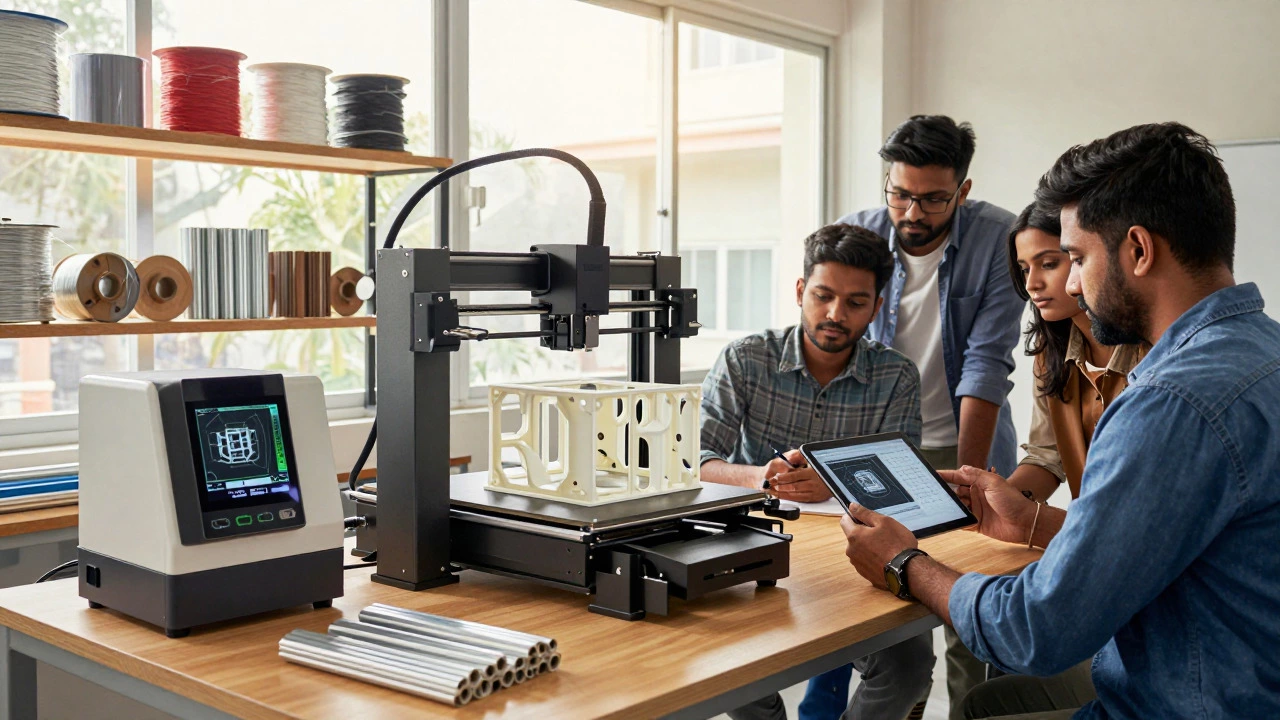
The Internet of Things (IoT) is everywhere, from smart agriculture sensors to home automation hubs. While the chips come from giants like Intel or TSMC, the physical housings, brackets, and custom circuit board assemblies often need rapid prototyping and low-volume runs. Additive manufacturing, specifically 3D printing with engineering-grade plastics like Nylon or ABS, allows you to produce durable, complex enclosures without expensive injection molding tools. Companies developing niche tech gadgets often prefer working with small shops that can iterate designs overnight rather than waiting weeks for a large supplier.
2. Sustainable Packaging Solutions
Plastic bans and consumer guilt are driving a massive shift toward eco-friendly packaging. But not all green packaging is created equal. There is a huge demand for biodegradable packaging made from agricultural waste, mushroom mycelium, or recycled paper pulp. Small-scale operations can set up localized processing units that turn local farm waste into molded pulp trays for electronics or food containers. This solves two problems: waste management for farmers and sustainable packaging for brands. The margins here are healthy because brands pay a premium for genuine sustainability stories they can market to their customers.
3. Specialized Food Processing
People are eating differently. They want gluten-free, keto, vegan, or hyper-local organic options. Large food processors are slow to adapt to these fleeting trends. Small-scale food processing units can capitalize on this by creating artisanal snacks, cold-pressed juices, or dehydrated fruits. For example, a small facility using solar-powered dryers can process excess seasonal fruit from local orchards into long-lasting snacks. The barrier to entry is moderate due to hygiene regulations, but the loyalty of customers seeking authentic, clean-label products is incredibly strong. You aren't just selling food; you're selling trust and transparency.
4. Precision Metal Parts for Repair Markets
As the economy tightens, people repair instead of replace. This extends the life of machinery, vehicles, and appliances. There is a growing demand for replacement parts that are no longer produced by original manufacturers. CNC machining services can fill this gap. By scanning broken parts and milling replacements from aluminum or steel, small workshops can serve local industries, automotive enthusiasts, and even aerospace subcontractors. This sector benefits from the aging infrastructure in many developed nations, where maintaining existing equipment is cheaper than buying new systems.
5. Personalized Health and Wellness Products
The wellness industry is booming, but consumers are rejecting one-size-fits-all solutions. They want skincare formulated for their specific skin type or supplements tailored to their blood work. Small-batch cosmetic manufacturing and supplement blending allow for this personalization. With modern lab equipment becoming more affordable, entrepreneurs can create high-margin private label brands. The key here is formulation expertise and strict quality control, but the ability to offer personalized products commands significantly higher prices than generic shelf items.

Comparing Profitability and Entry Barriers
| Niche | Initial Investment | Skill Requirement | Regulatory Hurdles | Growth Potential |
|---|---|---|---|---|
| Custom Electronics Enclosures | Low-Medium | High (CAD/Design) | Low | Very High |
| Sustainable Packaging | Medium | Medium | Medium | High |
| Specialized Food Processing | Medium-High | Medium | High | Steady |
| Precision Metal Parts | High | Very High | Low | High |
| Personalized Cosmetics | Low | High (Chemistry) | High | Very High |
Key Success Factors for Small Manufacturers
Choosing the right niche is only half the battle. Execution determines survival. Successful small-scale manufacturers share common traits that separate them from hobbyists. First, they master digital inventory management. Using software to track raw materials and finished goods prevents overproduction and stockouts. Second, they build direct relationships with suppliers. In a world of supply chain volatility, knowing your local resin supplier or metal vendor personally can save your business when global shipments stall.
Marketing is also critical. Unlike large companies that rely on brand recognition, small manufacturers must tell a story. Show your workshop. Explain your process. Highlight the sustainability or customization aspect. Customers buy from people they trust. Transparency about where materials come from and how products are made builds that trust. Finally, stay adaptable. Technology evolves rapidly. A technique that is cutting-edge today might be obsolete in five years. Continuous learning and upgrading equipment are non-negotiable.

Avoiding Common Pitfalls
Many small manufacturing ventures fail due to poor financial planning. Underestimating the cost of utilities, maintenance, and skilled labor is a classic mistake. Always build a buffer into your pricing. Another pitfall is trying to scale too quickly. Grow organically based on confirmed demand. Rushing to hire staff or buy larger machines before securing consistent orders can drain your cash reserves. Stick to your niche initially. Diversify only after you have a stable base. And never ignore compliance. Whether it's safety standards for machinery or labeling laws for food, getting caught out of compliance can shut you down overnight.
The Role of Technology in Small-Scale Production
Technology levels the playing field. You no longer need a PhD to operate sophisticated equipment. User-friendly interfaces on CNC machines and 3D printers allow skilled technicians to produce high-quality parts. Cloud-based design collaboration tools let you work with clients anywhere in the world. They send a file; you print and ship. This decouples location from market access. You can be a small shop in Sydney serving a client in New York. Embracing these digital tools is essential for efficiency and competitiveness.
What is the easiest small scale manufacturing business to start?
The easiest entry point is usually custom printing or simple assembly businesses, such as personalized gifts or basic electronic kits. These require lower initial investment and fewer regulatory hurdles compared to food or chemical manufacturing. However, competition is higher, so differentiation through unique design or superior customer service is crucial.
How much capital is needed to start a small manufacturing unit?
Capital requirements vary widely. A 3D printing service might start with $5,000-$10,000 for industrial-grade printers and materials. A food processing unit could require $50,000+ for licensing, kitchen setup, and safety equipment. Always budget for at least six months of operating expenses to cover rent, utilities, and salaries during the ramp-up phase.
Is small scale manufacturing profitable in 2026?
Yes, profitability is strong in niche markets. Because small manufacturers avoid the overhead of massive factories and can charge premiums for customization and speed, margins can exceed those of mass producers. Key is controlling costs and maintaining high perceived value through branding and quality.
What are the biggest challenges for small manufacturers?
Supply chain instability, rising energy costs, and finding skilled labor are major challenges. Additionally, competing with large corporations on price is difficult. Small manufacturers must focus on agility, quality, and customer relationships rather than competing solely on unit cost.
How can I find customers for my manufactured products?
Start by networking locally with other businesses that might need your components or services. Use online platforms like Etsy or Alibaba for B2B connections. Attend trade shows relevant to your niche. Building a strong online presence with case studies and portfolio examples helps attract clients looking for specialized solutions.