Which City Is Called the City of Textiles? A Guide to India's Fabric Hubs
India's Textile Hub Finder
Select a city below to discover its specific title, primary products, and ideal use cases.
Tirupur
Knitwear CapitalCoimbatore
Manchester of South IndiaSurat
Silk City (Synthetic)Mysuru
True Silk CityLudhiana
Woolen CapitalClick on any city card above to view detailed insights about its textile industry.
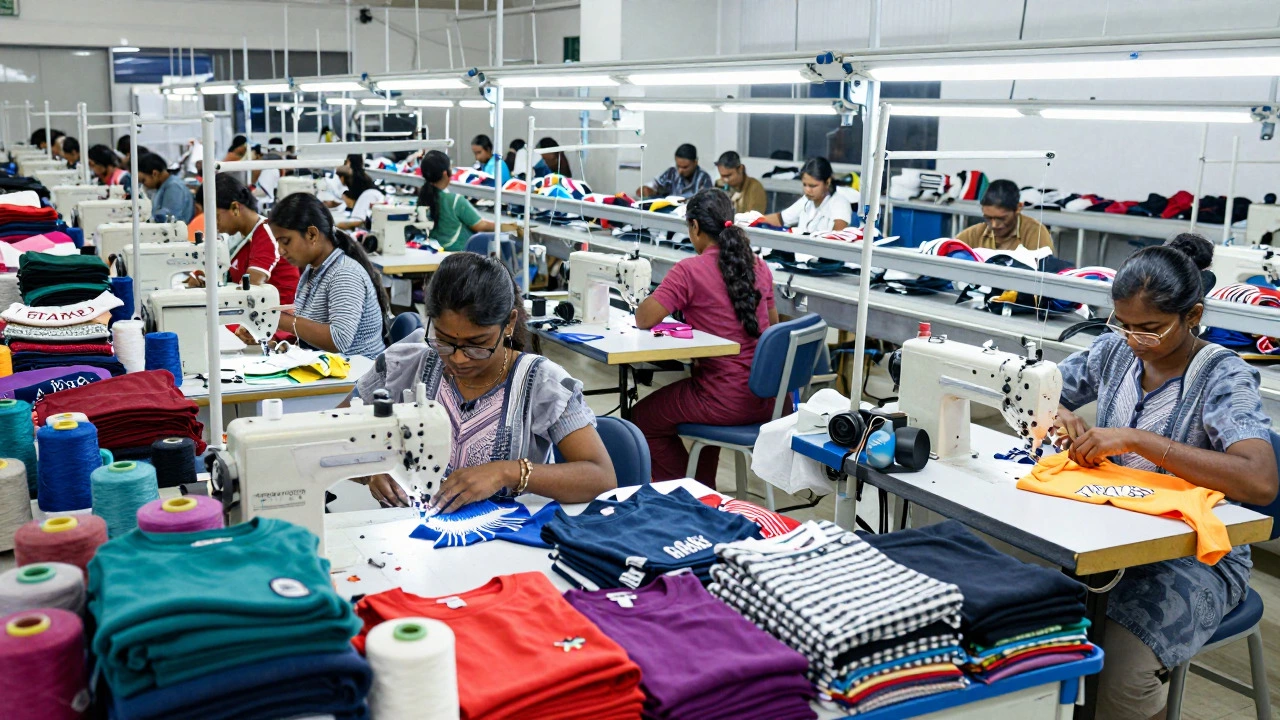
When you hear the phrase "city of textiles", which city comes to mind? Is it the historic mills of Mumbai or the bustling looms of Surat? The truth is, India doesn't have just one "textile city." It has several, each holding a specific title based on what they produce. If you are looking for the global hub of knitwear, the answer is Tirupur. Known as the Knitwear Capital of India, this city in Tamil Nadu supplies t-shirts and hosiery to brands worldwide.
However, if your question refers to cotton weaving, the title often goes to Coimbatore, also known as the Manchester of South India. For silk, it’s Mysuru. For synthetic fabrics, it’s Surat. Understanding these distinctions is crucial whether you are a buyer sourcing materials, an investor looking at manufacturing hubs, or simply curious about India’s industrial landscape.
Why Tirupur Holds the Title of Knitwear Capital
Tirupur, located in the Coimbatore district of Tamil Nadu, is arguably the most famous answer to "which city is called the city of textiles" in the context of modern exports. This isn't just a nickname; it's an economic reality. Tirupur accounts for a massive share of India’s knitwear exports.
The rise of Tirupur began in the 1980s when entrepreneurs shifted from traditional handlooms to power looms and circular knitting machines. Today, the city operates with a highly integrated supply chain. From spinning yarn to dyeing, printing, stitching, and finishing, everything happens within a radius of 50 kilometers. This cluster effect reduces logistics costs and speeds up production times significantly.
- Export Volume: Tirupur exports over $3 billion worth of garments annually.
- Key Products: T-shirts, sweatshirts, socks, and underwear.
- Global Reach: Supplies major retailers like Walmart, H&M, and Levi's.
If you are sourcing casual wear, Tirupur is your primary destination. The efficiency here is unmatched because the entire ecosystem-from raw cotton to finished garment-is localized. However, this density brings challenges, particularly regarding environmental regulations for effluent treatment, which we will discuss later.
Coimbatore: The Manchester of South India
While Tirupur dominates knitwear, its neighboring city, Coimbatore, holds the prestigious title of the Manchester of South India. This comparison isn't arbitrary. Just as Manchester in England was the heart of the British cotton industry during the Industrial Revolution, Coimbatore became the center of cotton textile manufacturing in southern India.
Coimbatore’s strength lies in woven fabrics rather than knitted ones. The city has a long history of textile mills dating back to the early 20th century. Unlike Tirupur, which focuses heavily on ready-made garments (RMG), Coimbatore excels in producing fabric, yarn, and technical textiles. The region benefits from proximity to cotton-growing areas in Tamil Nadu and Karnataka, ensuring a steady supply of raw material.
For businesses looking for heavy-duty fabrics, industrial textiles, or high-quality cotton cloth, Coimbatore offers robust infrastructure. The presence of engineering colleges and technical institutes in the city also supports innovation in textile machinery and automation. If your interest is in the mechanical side of textiles-spinning machines, weaving technology, or fabric processing-Coimbatore is the hub to watch.
Surat: The Synthetic Silk City
Not all textiles are made of cotton. If you move north to Gujarat, you find Surat, which is widely recognized as the Silk City of India, despite primarily producing synthetic fibers. This might sound contradictory, but Surat’s claim to fame is its dominance in the man-made fiber (MMF) sector. It produces more polyester and synthetic silk than any other city in the country.
Surat transformed from a diamond-polishing hub into a textile powerhouse in the late 20th century. Today, it contributes nearly 60% of India’s total man-made fiber production. The city is famous for its sarees, especially those with intricate designs that mimic traditional silk but use affordable synthetic materials. This affordability makes Surat’s products accessible to millions of consumers across India.
| City | Nickname | Primary Product | Key Advantage |
|---|---|---|---|
| Tirupur | Knitwear Capital | T-shirts, Hosiery | Integrated export supply chain |
| Coimbatore | Manchester of South India | Cotton Fabrics, Yarn | Proximity to raw cotton & tech |
| Surat | Silk City | Polyester, Synthetic Sarees | Low-cost MMF production |
| Mysuru | Silk City | Traditional Silk | Government-backed quality control |
Mysuru: The True Silk City
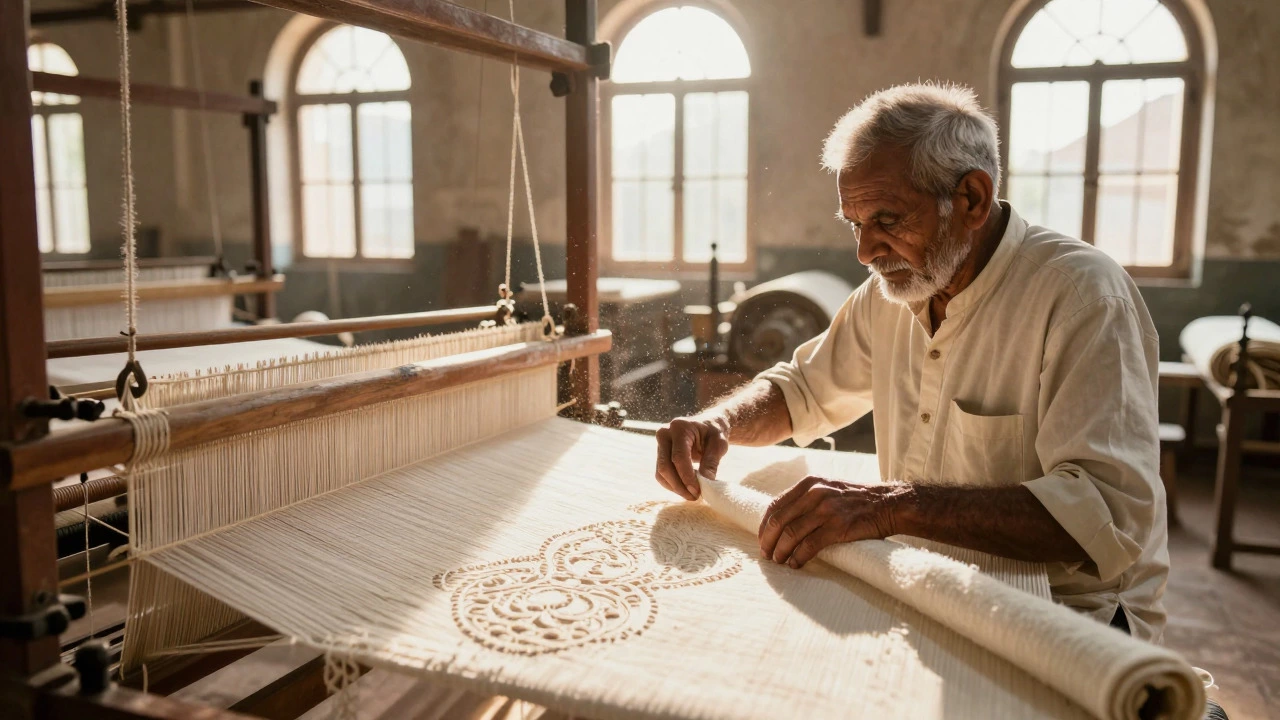
If you are interested in luxury and tradition, Mysuru (formerly Mysore) in Karnataka is the undisputed Silk City of India. Unlike Surat, which uses synthetic fibers, Mysuru specializes in pure mulberry silk. The city is home to the Government Silk Weaving Scheme, established in the 1970s, which ensures authentic quality and protects weavers’ livelihoods.
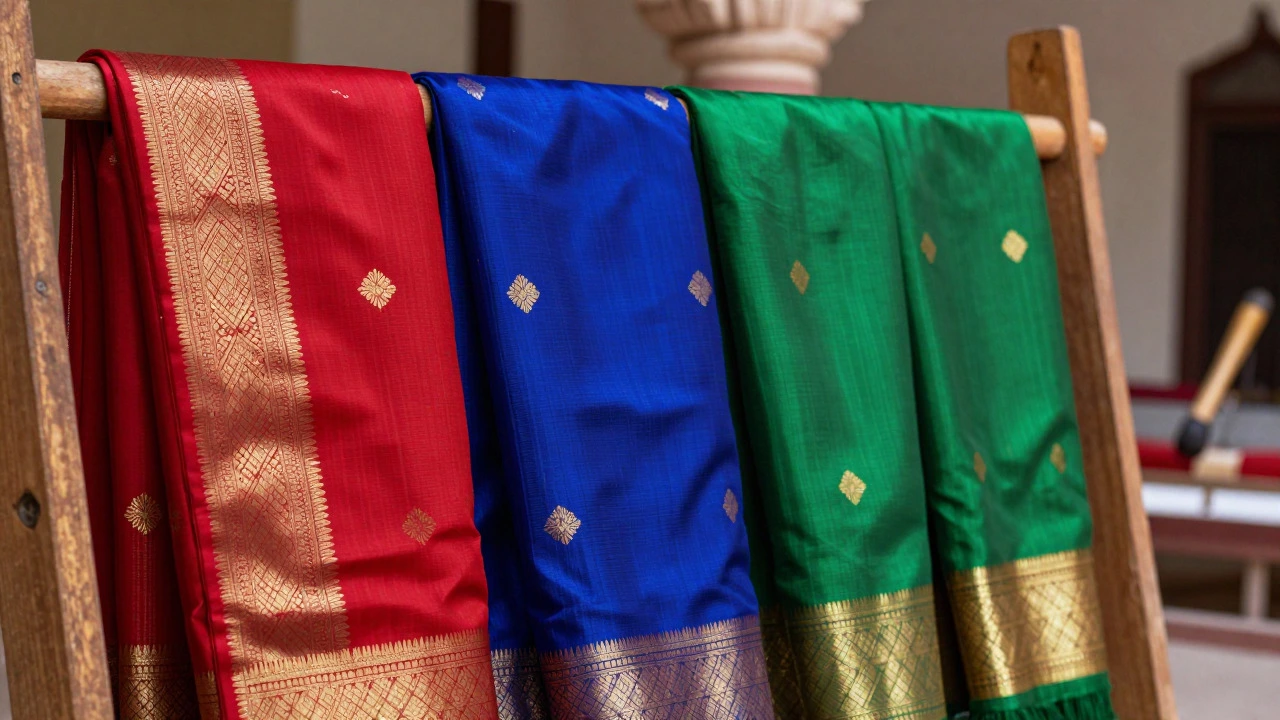
Mysuru silk is renowned for its texture, sheen, and durability. The Kanchipuram and Mysore silk sarees are iconic in Indian fashion. The city’s focus is less on mass-market volume and more on premium quality and cultural heritage. For buyers seeking high-end ethnic wear, Mysuru offers a curated experience with strict quality checks enforced by state authorities.
Other Notable Textile Hubs
India’s textile landscape is diverse, and several other cities hold significant titles:
- Ludhiana: Known as the Woolen Capital of India, Ludhiana in Punjab dominates the winter wear market, producing woolens, gloves, and shawls.
- Ahmedabad: Historically known as the Manchester of India, Ahmedabad was the first city to establish large-scale cotton mills. While its dominance has waned compared to Surat and Coimbatore, it remains a key player in denim and printed fabrics.
- Bhiwandi: Located near Mumbai, Bhiwandi is a major hub for processed fabrics and is often called the Textile Hub of Maharashtra.
Challenges Facing These Textile Cities
Despite their success, these cities face significant hurdles. Environmental compliance is the biggest issue. In Tirupur, for example, effluent treatment plants (ETPs) are mandatory due to water pollution concerns from dyeing processes. Non-compliance can lead to factory closures, affecting thousands of workers.
Labor laws and skilled workforce shortages are also persistent challenges. As automation increases, there is a growing need for technicians who can operate advanced machinery. Cities like Coimbatore are addressing this through vocational training programs, but many smaller units still rely on manual labor, leading to productivity gaps.
How to Choose the Right Hub for Your Needs
Selecting the right city depends on your specific requirements:
- For Export-Oriented Casual Wear: Go to Tirupur. The infrastructure is designed for bulk orders with international standards.
- For Cotton Fabrics and Technical Textiles: Visit Coimbatore. The focus here is on quality yarn and durable woven materials.
- For Affordable Synthetic Fashion: Surat is the best option. You’ll find competitive pricing and vast variety in patterns.
- For Premium Ethnic Wear: Mysuru offers authentic silk with government certification.
Visiting these hubs provides insights into local practices, negotiation dynamics, and quality control measures. Building relationships with manufacturers on-site often leads to better terms and faster turnaround times.
Which city is called the city of textiles in India?
There is no single city with this universal title. Tirupur is known as the Knitwear Capital, Coimbatore as the Manchester of South India, and Surat as the Silk City (for synthetic fibers). The correct answer depends on the type of textile you are referring to.
Why is Tirupur called the Knitwear Capital?
Tirupur earned this title due to its dominant role in India’s knitwear exports. It produces billions of garments annually, including t-shirts and hosiery, serving global brands. Its integrated supply chain allows for efficient production from yarn to finished goods.
What is the difference between Coimbatore and Tirupur in textiles?
Coimbatore focuses on woven cotton fabrics, yarn, and technical textiles, earning it the name Manchester of South India. Tirupur specializes in knitted garments like t-shirts and socks, making it the Knitwear Capital. Both are in Tamil Nadu but serve different market segments.
Is Surat really the Silk City?
Yes, Surat is nicknamed the Silk City, but it primarily produces synthetic silk (polyester) rather than natural mulberry silk. It is the largest producer of man-made fibers in India, offering affordable alternatives to traditional silk.
Which city is best for sourcing woolen garments?
Ludhiana in Punjab is the best choice for woolen garments. Known as the Woolen Capital of India, it produces a wide range of winter wear, including sweaters, gloves, and shawls, catering to both domestic and international markets.

Recent Posts
-
Who Makes Steel for the US Military? Top Defense Suppliers and Domestic Plants
-

How Many Plastic Companies Are There in the US? (2026 Industry Data)
-
Cheapest Countries to Manufacture in 2026: A Guide for Startups
-
Which Wood Is Strongest in India? A Guide for Furniture Manufacturers
-

What is the most in demand manufacturing? High-growth small scale ideas for 2026