Understanding the 3 Levels of Food Processing Units for Business Success
Food Processing Business Fit Finder
Use this tool to analyze your resources against the requirements of the three processing levels. Answer honestly about your starting capital, technical knowledge, and operational preferences.
Recommended Path:
Explanation goes here...
Key Characteristics
- Investment:
- Labor:
- Shelf Life:
Based on current inputs
Walking through a local market, you see fresh apples stacked in piles. Later, at the grocery store, you see bottled apple juice sitting on a shelf. Both come from the same tree, but the price and effort behind them tell completely different stories. This difference exists because of how we treat raw materials before they reach your plate. Understanding the **three levels of food processing** is crucial for anyone entering this industry. It determines your investment, your equipment needs, and even your profit margins.
Level One: Primary Processing Activities
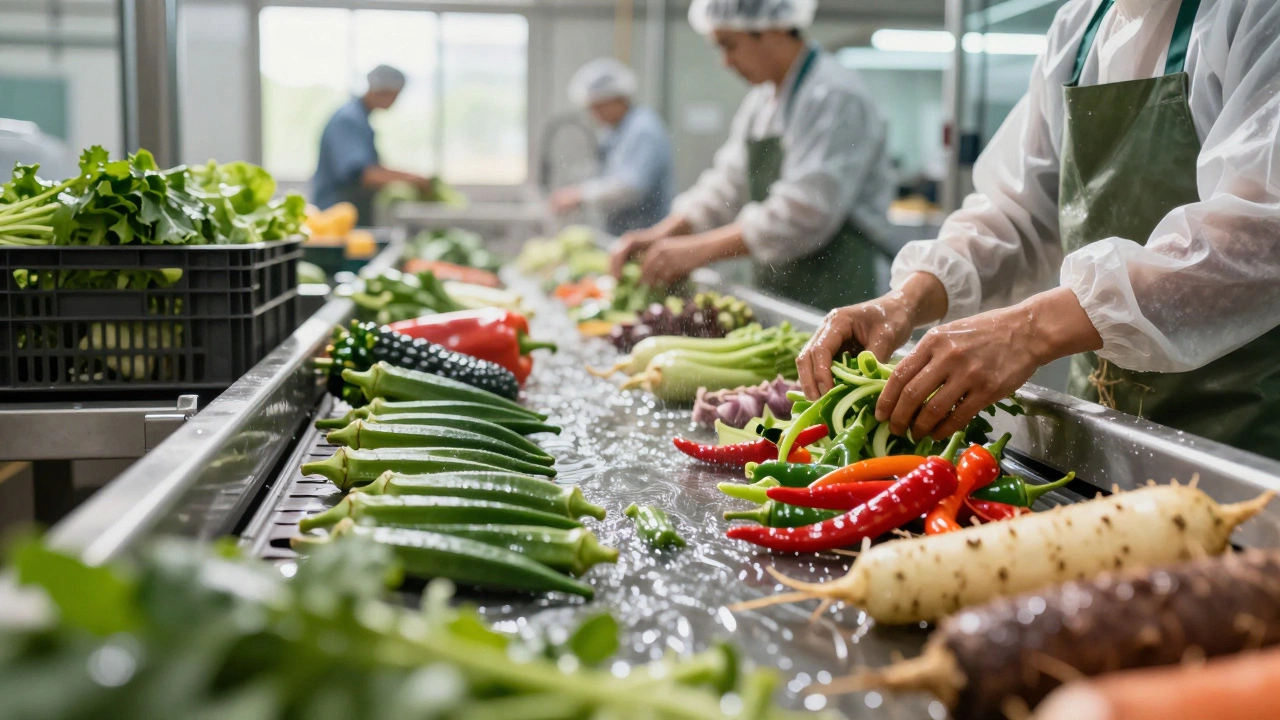
Think of this stage as getting the product ready for sale without changing its nature. In the industry, we call this primary processing. Here, the goal is preservation and sorting. You are dealing with raw agricultural produce directly from the farm.
Primary Processing is the initial treatment of raw materials that maintains the product identity while extending shelf life. Companies performing this work do things like washing, drying, grading, or packaging fruits and vegetables.
If you run a potato farm, peeling and bagging potatoes counts as this level. If you have a dairy unit separating milk into cream and skim milk, that fits here too. The technology involved is usually low-cost machinery. Think of centrifuges, washers, or grading belts. The value addition is minimal because the consumer still recognizes the original item easily.
Why do businesses start here?
- Low Capital Requirement: Setting up a cold storage or a cleaning line costs far less than a factory floor.
- Skill Level: You don't need food scientists. You need efficient operators who know hygiene standards.
- Volume Focus: Margins are thin, so you survive by moving large quantities of goods quickly.
The risk here is spoilage. Even after grading, a tomato is still a tomato. If it sits too long, it rots. Your supply chain must be tight. In regions like Sydney, where logistics play a huge role, keeping produce cool during this transition phase matters more than anything else.
Level Two: Secondary Processing Steps
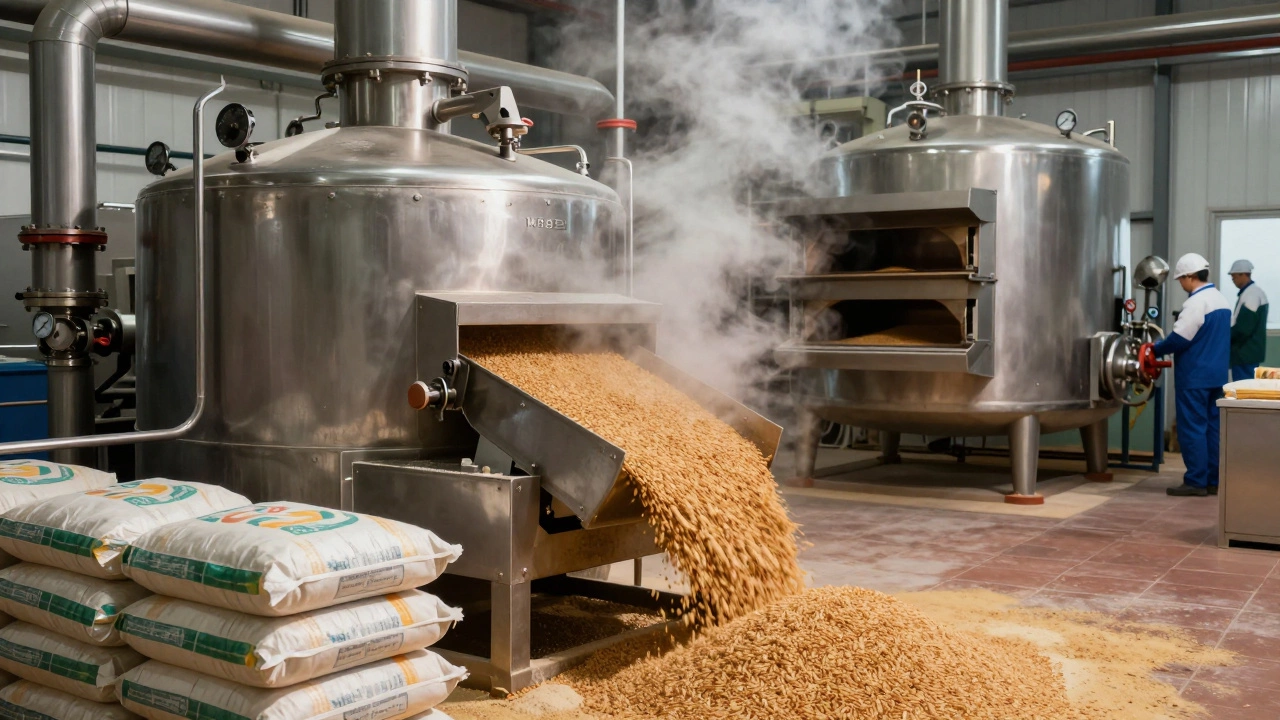
Once you move past basic cleaning, you enter secondary processing. Now, you are actually transforming the ingredient. You are turning raw material into a stable product. This is where most traditional manufacturing happens.
Secondary Processing converts raw ingredients into edible food products that require cooking or preparation before consumption. Instead of selling an egg, you sell boiled eggs. Instead of selling wheat, you sell flour. Instead of selling sugar cane, you sell refined sugar.
This stage introduces significant changes. Heat is applied. Chemical preservatives might be added. The physical structure of the food alters permanently. A good example is canning tomatoes. The fruit is cooked, peeled, packed, and sealed. It is no longer just "tomatoes"; it is now "canned tomatoes." The shelf life jumps from weeks to months, sometimes years.
Investment requirements rise sharply here. You need boilers, ovens, retorts for canning, and sophisticated quality control labs. Regulatory bodies get more involved because you are altering the chemical makeup of the food. Safety becomes paramount. If your sterilization process fails, pathogens grow. That is why HACCP plans (Hazard Analysis Critical Control Point) are mandatory for this tier.
Feature
Primary
Secondary
Tertiary
Example
Cleaned Apples
Apple Pie
Ready-to-eat Fruit Cup
Investment
Low
Medium
High
Labor Type
Semi-skilled
Skilled Technicians
R&D Specialists
Shelf Life
Short
Medium
Long
Businesses at this stage often own their brands. You aren't just selling to other processors anymore; you are selling to supermarkets. Competition gets fiercer because barriers to entry are lower compared to the next level. Everyone can bake bread. Not everyone can create a consistent, branded loaf that wins the aisle spot.
Level Three: Tertiary Processing Dynamics
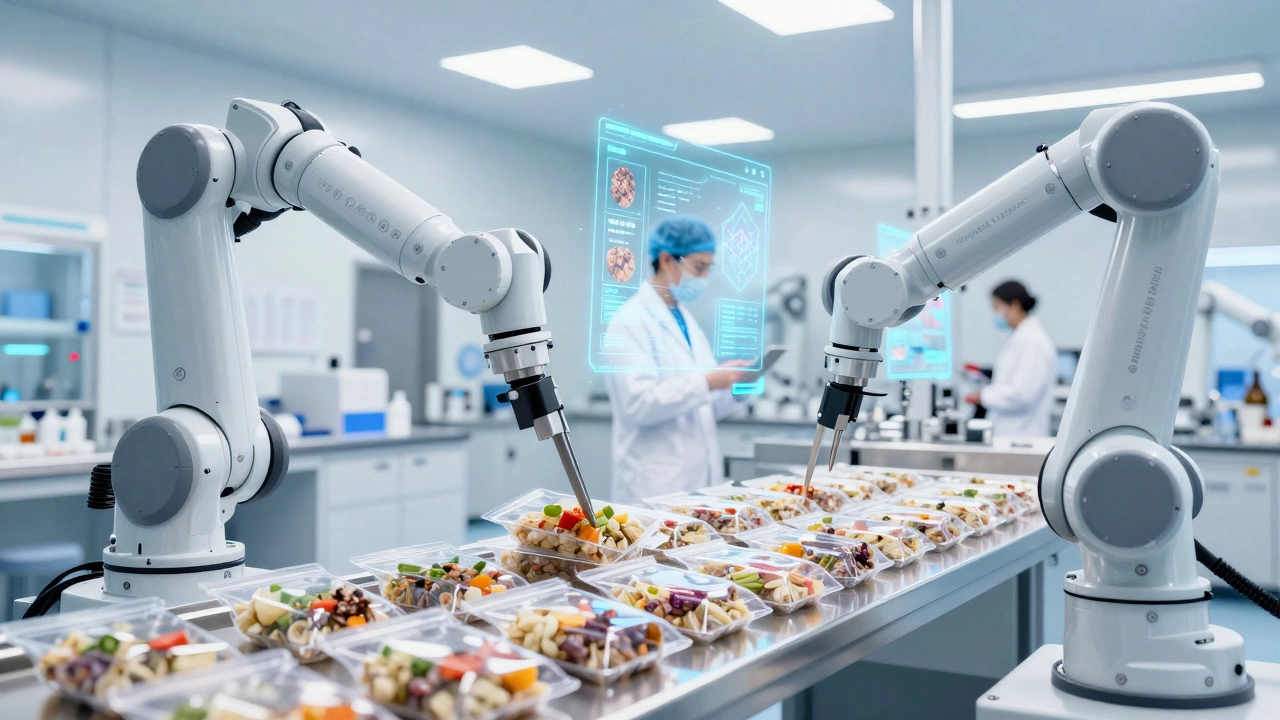
We are now talking about advanced convenience foods. Tertiary processing involves extensive research and development. Products here are formulated. They combine multiple ingredients processed at different stages. Think of a frozen pizza or an instant noodle soup packet.
Tertiary Processing is complex manufacturing involving multiple raw materials to create highly convenient, ready-to-consume products.
This level relies heavily on technology. Extrusion machines cook and shape pasta. Retort pouches cook meals inside their plastic bags. The goal here is maximum convenience for the end-user. A busy parent buying a frozen meal doesn't care if the chicken was raised in a farm next door. They want the package opened and eaten in minutes.
The barrier to entry is massive. You need deep pockets. You need chemists and nutritionists on payroll. But the margins justify the cost. The value addition is highest here. By combining flavor, texture, ease, and branding, you capture significantly more money from the consumer.
However, dependency is a major factor. Tertiary units depend entirely on reliable supplies from Level 1 and Level 2 sources. If the flour mill goes down, your bakery stops. Your risk profile shifts from spoilage to supply chain disruption. Quality control extends beyond safety to taste testing. Consistency is everything. If week one tastes different from week ten, loyal customers vanish.
Deciding Which Level Fits Your Plan
Many aspiring manufacturers jump straight to the idea of making snacks without realizing the capital required for Level 3 operations. Before signing lease agreements, you must analyze your resources. Ask yourself hard questions about your cash flow.
- Assess Your Capital: Can you afford the machinery and the inventory holding costs? Level 1 requires less cash, but volume drives profit. Level 3 has high margins but high fixed costs.
- Check Local Infrastructure: Are there suppliers nearby? If you plan secondary processing but the nearest dairy is hours away, your transport costs kill your margin.
- Evaluate Technical Skills: Do you have a background in food technology? Level 3 demands specialized knowledge of emulsions, preservation, and thermal processing.
- Analyze Market Demand: Does this region want convenience, or do they want fresh? Urban centers favor higher processing. Rural areas often prefer fresher goods.
Government schemes often exist to support small-scale manufacturing. Look for grants aimed at increasing local value addition. Sometimes, starting with primary processing builds a reputation that helps you secure loans for expansion later.
Emerging Trends Shaping These Levels
The landscape isn't static. Sustainability is pushing boundaries across all three tiers. Energy usage in Level 3 factories is under scrutiny. Companies are moving toward water recycling and renewable power sources. Consumers are reading labels more closely. They want "clean labels," which challenges secondary processing methods that rely on heavy stabilizers.
Automation is another shift. Robotics in Level 1 help sort fruits faster without bruising them. AI in Level 3 predicts recipe adjustments to minimize waste. As you plan your facility, consider scalable technology. Buying a machine that can handle two different grades gives you flexibility as you grow from Level 1 to Level 2.
Is freezing considered primary or secondary processing?
Freezing is generally classified as primary processing because it preserves the raw state of the food without fundamentally changing its form. However, flash freezing for retail packs can lean towards secondary depending on packaging complexity.
Can I start a business with limited funds?
Yes, focusing on primary processing allows for smaller setups. Sorting, cleaning, and basic packaging require less expensive equipment compared to cooking or formulation plants.
Do all levels require the same food licenses?
Regulations tighten at each step. Primary processing needs basic hygiene clearance. Secondary and Tertiary often require detailed Hazard Analysis and stricter health department approvals.
Which level generates the most profit?
Tertiary processing usually yields the highest profit margins per unit due to value-added formulation and branding, though total revenue varies based on sales volume.
How does location affect processing choice?
Proximity to farms favors primary processing. Proximity to urban markets favors tertiary. Transport costs for raw materials versus finished goods determine the optimal site.

Recent Posts
-
What is the Biggest Steel Mill in the United States? US Steel Gary Works
-

Why Did Chevrolet Leave India? The GM Exit Explained
-

India's Oldest Pharma Company: A Look at Bengal Chemicals & Pharmaceuticals
-

Steel Industry Millionaires: Who Made It Big?
-

Which Indian Wood is Strongest? A Guide for Furniture Makers