Will Companies Pay for Ideas? The Truth About Manufacturing Inventions
Manufacturing Innovation Profit Calculator
Innovation Parameters
Projected Earnings
You retain ownership and earn a percentage of the savings generated annually.
Company buys rights immediately based on projected future savings.
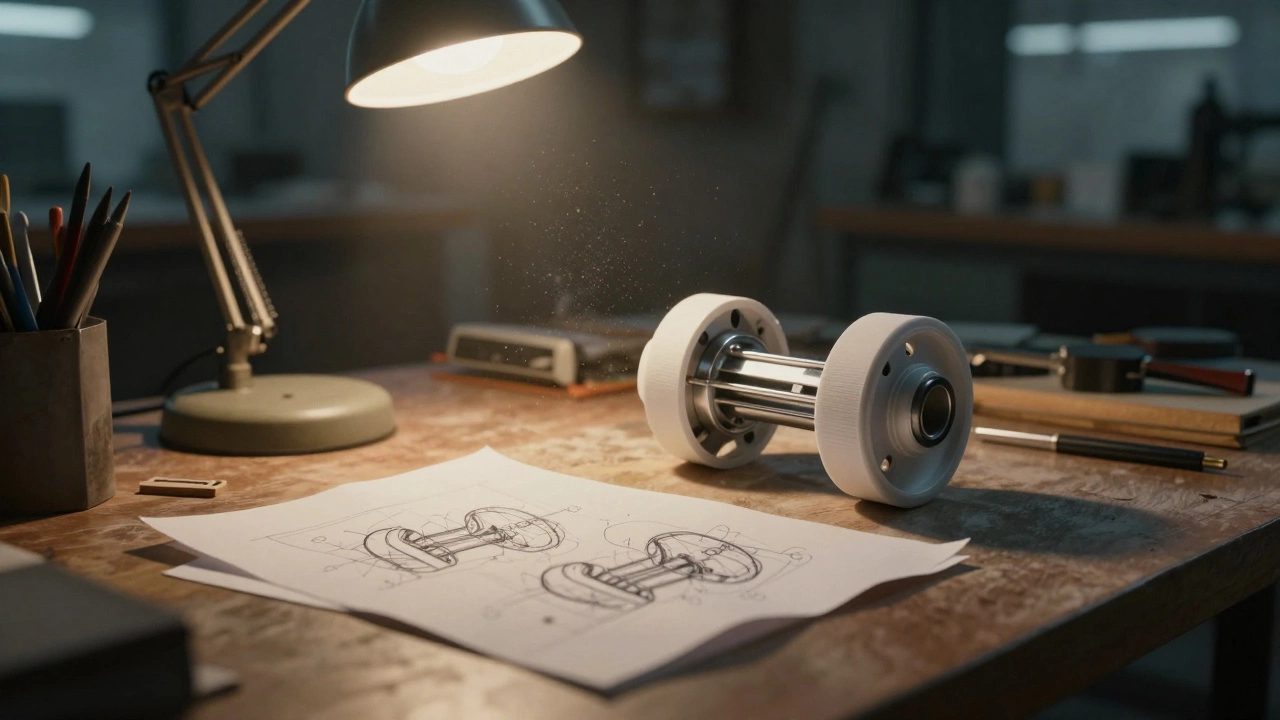
You have a brilliant idea for a new manufacturing process or a unique product design. You spend weeks sketching it out, calculating costs, and imagining the factory floor running smoothly. Then comes the big question: Can you just send this idea to a big company and get paid? The short answer is no. The long answer is much more complex, but it holds the key to actually making money from your innovation.
Big companies do not buy raw ideas. They buy solutions that are ready to be built, protected by law, and proven to make them money. If you walk into a corporate office with a napkin sketch, they will likely ignore it-or worse, use it without paying you because there is no legal proof that it belongs to you. However, if you package that idea into a protected asset, the dynamic changes completely. Let's look at how the industry actually works and how you can turn your concept into cash.
Why Companies Reject Raw Ideas
To understand why your email might go straight to the trash, you need to see things from the perspective of a Large Manufacturer is a corporation that produces goods on a massive scale, often with existing R&D departments and strict legal protocols.. These companies receive thousands of unsolicited submissions every year. Most are vague, unfeasible, or already patented by someone else.
The biggest risk for these corporations is litigation. If they accept an idea from you, develop it, and launch it, another person could come along six months later claiming they had the same idea first. Without a clear paper trail and legal protection, the company is vulnerable. Therefore, most major firms have strict policies against accepting unsolicited ideas. They want to avoid any ambiguity regarding ownership.
Furthermore, an idea is just a thought. It has no intrinsic value until it is executed. A lightbulb idea is worth nothing; a working prototype that saves energy is worth millions. Companies pay for the reduction of risk. Your job is to move your concept from a "thought" stage to a "proven solution" stage before approaching anyone.
The Role of Intellectual Property Protection
If you want to get paid, you must own your idea legally. This is where Patents are legal rights granted by a government that exclude others from making, using, or selling an invention for a limited time. come into play. A patent is not just a certificate; it is a defensive weapon. It proves that you were the first to invent this specific mechanism or process.
There are different types of patents depending on what you have created:
- Utility Patents: Protect how something works. This is common for new manufacturing processes or mechanical devices.
- Design Patents: Protect the ornamental look of a product. If your idea is about the shape or surface decoration of a manufactured item, this is relevant.
- Trade Secrets: Some ideas, like the formula for Coca-Cola, are never patented but kept secret. This works only if you can keep the information hidden indefinitely.
Filing a provisional patent application is often the first step for inventors. It establishes an early filing date and gives you "patent pending" status. This status alone makes your idea takeable in negotiations because it shows you are serious and have taken legal steps to protect your asset. Without this, you have little leverage.
Licensing vs. Selling Outright
When you approach a company, you usually have two paths: licensing or an outright sale. Understanding the difference is crucial for maximizing your earnings.
| Strategy | Description | Pros | Cons |
|---|---|---|---|
| Licensing | You retain ownership and grant the company permission to use your idea in exchange for royalties. | Potential for long-term income; retains asset value. | Requires monitoring sales; lower upfront cash. |
| Outright Sale | You sell all rights to the company for a lump sum payment. | Immediate cash; no further involvement needed. | No future upside if the product becomes a hit. |
Licensing is often preferred by experienced inventors. If your manufacturing idea helps a company save $1 million a year in production costs, you might negotiate a royalty rate of 5-10%. Over ten years, this could far exceed a one-time buyout offer. However, licensing requires you to track the licensee's sales and enforce your rights if they stop paying. An outright sale is cleaner but leaves money on the table if your idea becomes industry-standard.
How to Approach Companies Effectively
Cold-calling CEOs rarely works. You need a strategic approach to get your foot in the door. Here is a step-by-step method that respects corporate boundaries while showcasing your value.
- Validate Your Idea First: Before talking to anyone, build a prototype or create detailed technical drawings. Use CAD software to show exactly how the parts fit together. Companies respect data and precision.
- Identify the Right Decision-Maker: Do not send your idea to general customer service. Look for titles like "Director of Innovation," "Head of R&D," or "Product Development Manager." LinkedIn is useful for finding these contacts.
- Send a Non-Disclosure Agreement (NDA): While many large companies refuse to sign NDAs for initial meetings, smaller manufacturers might. If they agree, it protects your conversation. If they refuse, do not share specific technical details until a formal agreement is in place.
- Focus on Benefits, Not Features: When pitching, don't just describe the gadget. Explain how it reduces waste, speeds up assembly lines, or lowers material costs. Speak their language: efficiency and profit margins.
Remember, you are selling a business opportunity, not just a clever trick. Show them the numbers. If your idea reduces cycle time by 15%, calculate the annual savings for a plant running 24/7. That number is what gets your proposal read.
Alternatives to Selling to Big Corporations
If big companies are too rigid or slow, consider other avenues. The manufacturing landscape includes many players who are hungry for new ideas.
Small and Medium Enterprises (SMEs) are often more agile. They may lack the budget for internal R&D and are willing to partner with independent inventors. They might offer a joint venture structure where you contribute the IP and they contribute the manufacturing capacity. This can lead to a shared ownership model rather than a simple buyer-seller relationship.
Startup Incubators and Accelerators can also help. If your idea is scalable, you might not sell it immediately. Instead, you could form a startup around it. Programs like Y Combinator or local manufacturing hubs provide funding, mentorship, and connections to suppliers. This path requires more work but offers the highest potential reward if you build a brand around your invention.
Crowdfunding Platforms like Kickstarter or Indiegogo allow you to validate demand directly from consumers. If people pre-order your product, you have proof of market interest. You can then approach manufacturers with this data, negotiating better terms because you bring the customers to the table.

Common Pitfalls to Avoid
Many inventors lose money trying to monetize their ideas. Watch out for these traps:
- Idea Mills: Be wary of companies that promise to find buyers for your idea for a high fee. Most of these are scams. Legitimate brokers earn a commission only when a deal is closed, not upfront.
- Skipping the Prototype: Never rely solely on sketches. A physical or digital prototype demonstrates feasibility. It shows you understand the engineering challenges.
- Underestimating Legal Costs: Patent attorneys are expensive. Budget for this early. A poorly drafted patent can be useless in court.
- Ignoring Manufacturing Constraints: An idea might be great on paper but impossible to mass-produce cheaply. Consult with engineers early to ensure your design is manufacturable.
Protecting your interests is not just about being paranoid; it is about being professional. Treat your idea like a business asset from day one.
Conclusion: Turning Thought into Asset
Companies will not pay for ideas because ideas are free and abundant. They pay for protected, validated, and executable solutions. By securing patents, building prototypes, and understanding the business value of your invention, you transform a fleeting thought into a tangible asset. Whether you choose to license, sell, or start your own company, the key is preparation. Do the hard work upfront, and the doors to the manufacturing industry will open.
Do I need a lawyer to file a patent?
While you can file a patent yourself, it is highly recommended to hire a registered patent attorney or agent. Patent law is complex, and small errors in the application can invalidate your protection later. An attorney ensures your claims are broad enough to prevent competitors from copying your idea with minor tweaks.
How much does it cost to patent an invention?
Costs vary widely. A provisional patent application might cost between $1,000 and $3,000 including attorney fees. A full utility patent can range from $7,000 to $15,000 or more, depending on the complexity of the invention and the number of claims. Government filing fees are separate from legal fees.
Can I sell my idea without a patent?
Technically yes, but it is risky. Without a patent, you have no exclusive rights. Once you reveal your idea, the company could decide not to buy it and build it themselves. Trade secrets are an alternative, but they require strict confidentiality agreements and are hard to enforce if leaked.
What is a reasonable royalty rate for manufacturing inventions?
Royalty rates typically range from 3% to 7% of net sales for consumer products. For industrial manufacturing processes that reduce costs, royalties might be calculated as a percentage of the savings generated. Rates depend on the uniqueness of the invention, the market size, and the remaining patent life.
How do I protect my idea during negotiations?
File a provisional patent first to establish a priority date. During negotiations, use a Non-Disclosure Agreement (NDA) if the company agrees. Share only high-level benefits initially and withhold critical technical details until a term sheet or formal agreement is signed. Keep detailed records of all communications.