Cheapest Countries to Manufacture in 2026: A Guide for Startups
Manufacturing Cost & Strategy Estimator
Production Parameters
Stop looking at the map and start looking at your bill of materials. If you are launching a manufacturing startup in 2026, the question isn't just "where is cheap?" It is "where is affordable without breaking my supply chain?" The era of blind arbitrage-moving production solely because labor is pennies-is over. Today, the cheapest country to manufacture depends entirely on what you are making.
If you are stitching garments, the answer is different than if you are assembling circuit boards or molding plastic components. This guide breaks down the real costs, hidden fees, and strategic advantages of the world’s most cost-effective manufacturing hubs today.
The New Reality of Low-Cost Manufacturing
Gone are the days when China was the undisputed king of cheap manufacturing. While it remains the global factory for complex electronics and heavy machinery, rising wages and geopolitical tensions have pushed startups to look elsewhere. In 2026, the definition of "cheapest" includes more than just hourly wages. You must factor in logistics, import duties, energy costs, and intellectual property protection.
A common mistake founders make is choosing a location based only on labor rates. For example, a country might offer $2/hour labor, but if shipping takes 45 days and customs seize 10% of your goods due to poor documentation, that savings evaporates. We need to look at the total landed cost.
Bangladesh: The Textile Powerhouse
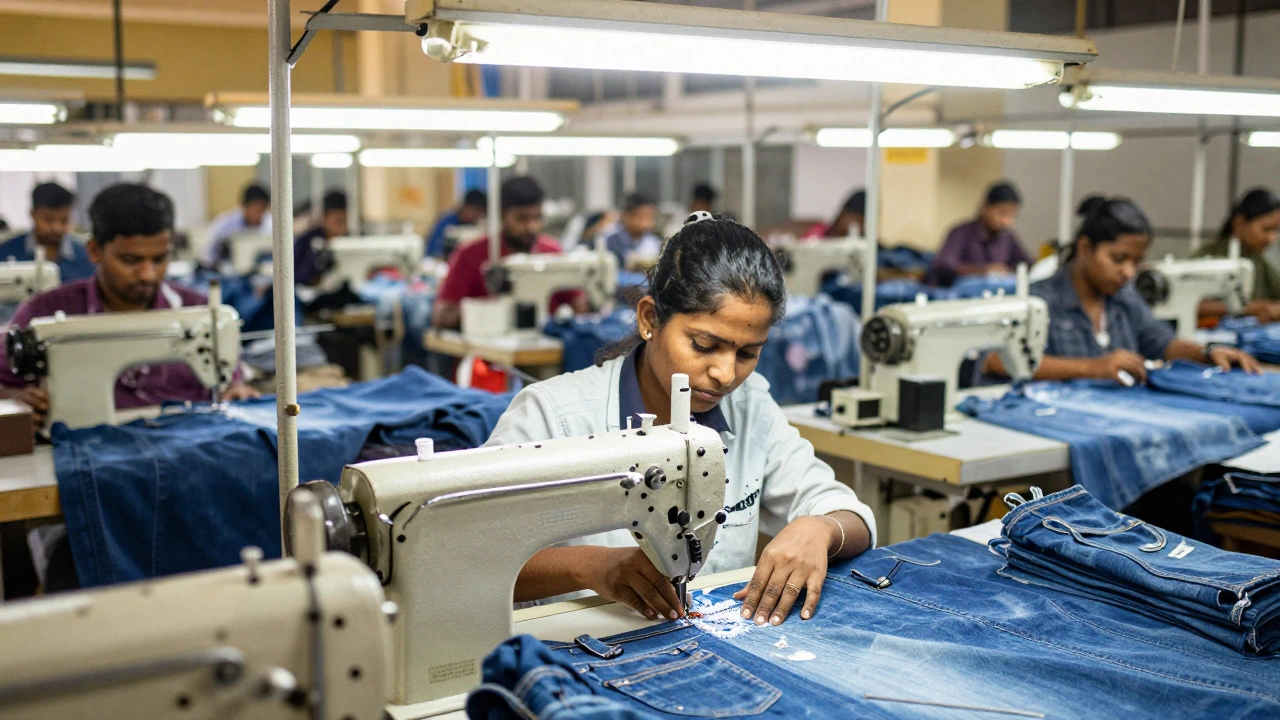
If your product involves fabric, Bangladesh is arguably the cheapest place on Earth to manufacture. It has overtaken China as the second-largest apparel exporter globally. Why? Labor costs here are among the lowest in the industry, often ranging between $3 to $4 per hour in the garment sector.
| Country | Avg. Hourly Wage (USD) | Infrastructure Score (1-10) | Best For |
|---|---|---|---|
| Bangladesh | $3.50 | 6.5 | T-shirts, Denim, Basics |
| Vietnam | $4.50 | 8.0 | Fashion, Footwear |
| India | $3.00 | 7.0 | Cotton, Handicrafts |
| China | $8.00+ | 9.5 | Complex Garments, Tech-Textiles |
Bangladesh benefits from duty-free access to major markets like the EU and Canada under various trade agreements. However, infrastructure can be a bottleneck. Power outages and port congestion are real risks. You need a reliable local partner who understands the bureaucratic maze. If your startup relies on fast fashion cycles with tight deadlines, Bangladesh requires careful planning to avoid delays.
Vietnam: The Balanced Choice for Electronics and Fashion
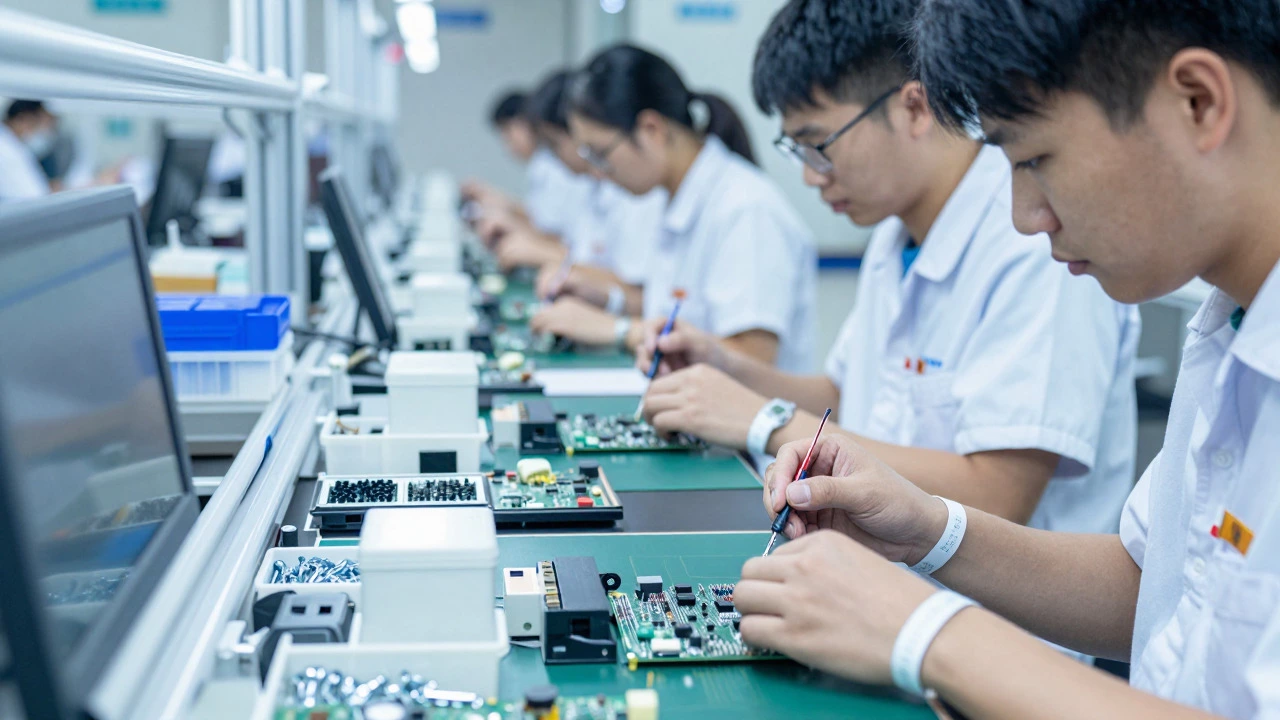
Vietnam has become the go-to alternative for companies fleeing China. It offers a sweet spot between low cost and decent infrastructure. The average manufacturing wage is slightly higher than Bangladesh but significantly lower than China. More importantly, Vietnam has invested heavily in ports and roads.
This makes it ideal for electronics assembly and footwear. Major brands like Nike and Apple have expanded their footprint here. For a startup, this means better access to component suppliers. You don’t have to import every screw from abroad; many parts are available locally or in neighboring Thailand and Malaysia.
The downside? Land and factory space prices are rising rapidly in industrial zones near Ho Chi Minh City and Hanoi. You might find cheaper labor in rural areas, but you lose the logistical efficiency. Negotiate hard on lease terms and verify the power stability of your chosen facility.
India: The Scale and Skill Advantage
India is not always the cheapest in terms of pure labor, but it offers unmatched scale and skill diversity. With a massive domestic market, you can test products locally before exporting. The government’s "Make in India" initiative provides tax incentives and subsidies for new manufacturers, which can drastically reduce your initial capital expenditure.
For sectors like pharmaceuticals, automotive components, and precision engineering, India is hard to beat. The talent pool of engineers is vast and relatively affordable. However, regulatory compliance can be a headache. Bureaucracy moves slowly, and navigating environmental clearances can take months. If you have patience and a legal team on standby, India offers long-term stability and growth potential that smaller nations cannot match.
Mexico: The Nearshoring King for North America
If your target market is the United States or Canada, Mexico is likely your cheapest option when you include shipping and tariffs. Under the USMCA agreement, goods manufactured in Mexico face zero tariffs when exported to the US, provided they meet certain rules of origin.
Labor costs in northern Mexico are higher than in Asia ($5-$7/hour), but you save thousands in freight costs. Shipping by truck takes days, not weeks. This allows for lean inventory management-you don’t need to stockpile three months of goods. For startups producing furniture, auto parts, or appliances, this speed-to-market advantage often outweighs the higher labor bill.
Security can be an issue in certain regions, so choose industrial parks with private security and good reputations. States like Nuevo León and Querétaro are safer and have better infrastructure than border towns.
Egypt and Morocco: The Emerging African Gateways
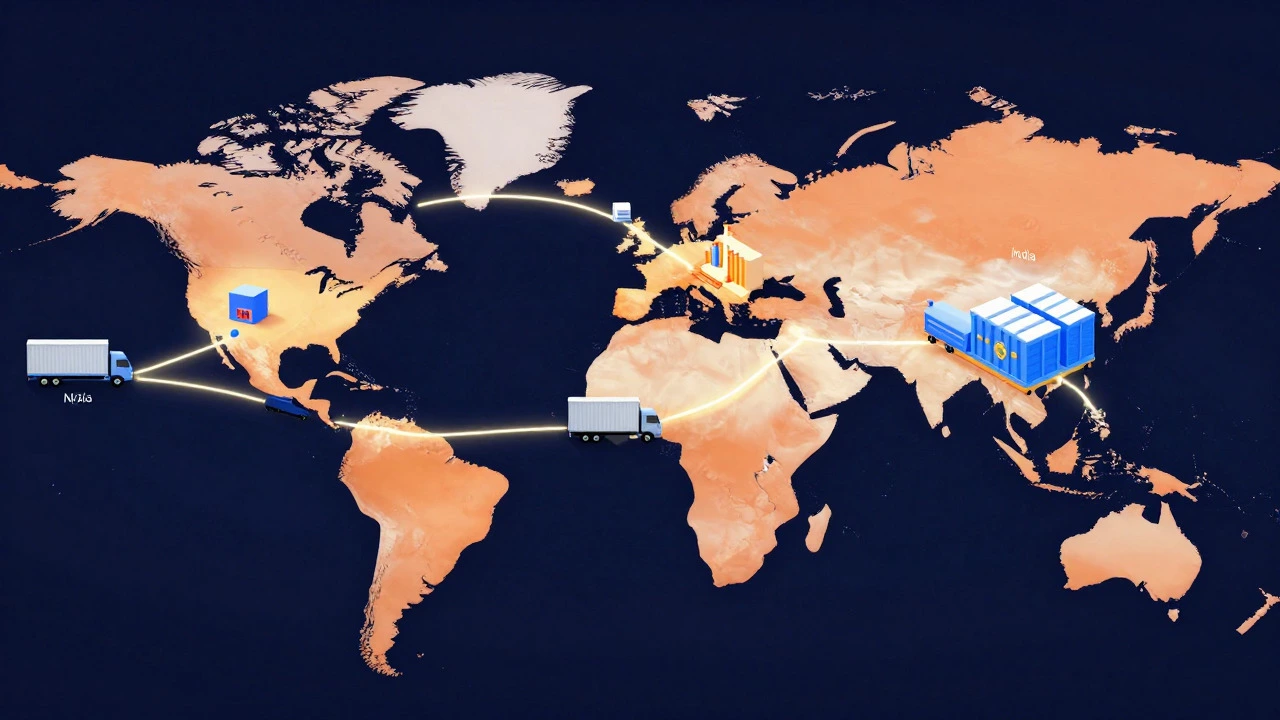
Don’t overlook North Africa. Egypt and Morocco are positioning themselves as low-cost alternatives for European buyers. They offer significant labor cost advantages and preferential trade access to the EU through existing agreements. Morocco, in particular, has developed strong automotive and aerospace clusters, meaning skilled labor is available.
For a startup targeting Europe, manufacturing in Casablanca or Alexandria reduces lead times compared to Asia. Energy costs are also competitive, especially in Morocco where solar power investments are booming. However, the scale of the supplier ecosystem is smaller than in Asia. You may still need to import raw materials, which adds complexity.
Hidden Costs That Kill Margins
Before signing a lease, calculate these hidden costs:
- Logistics & Freight: Ocean freight rates fluctuate wildly. In 2026, container shortages are less frequent, but fuel surcharges remain high. Always get quotes from multiple forwarders.
- Import Duties on Raw Materials: Some countries charge high tariffs on imported inputs. Check if your components will be taxed upon entry into the manufacturing country.
- Quality Control: Cheaper labor often means higher defect rates. Budget for third-party inspection services. A 5% defect rate can wipe out your profit margin.
- Intellectual Property (IP) Protection: Ensure your designs and patents are registered in the host country. Enforcement varies widely. China and Vietnam have improved, but risks remain.
- Communication Overhead: Time zone differences and language barriers slow down decision-making. Factor in the cost of local managers or bilingual staff.
How to Choose Your Manufacturing Hub
Start with your product type. Is it labor-intensive (textiles) or skill-intensive (electronics)? Then, map your primary customer base. Are they in the US, EU, or Asia? Proximity matters. Finally, assess your risk tolerance. Can you handle supply chain disruptions? If not, diversify. Don’t put all your eggs in one basket. Consider a "China Plus One" strategy, where you keep some production in China for complexity and move volume to Vietnam or India for cost savings.
Visit the factories yourself. Photos and videos lie. Walk the floor, talk to workers, and check the condition of the machinery. Build relationships. Trust is the most valuable currency in international manufacturing.
What is the absolute cheapest country to manufacture in 2026?
For general labor-intensive goods like textiles, Bangladesh and Ethiopia offer the lowest hourly wages. However, "cheapest" must include logistics and quality control. For many startups, Vietnam or India provides a better balance of low cost and reliability.
Is it still worth manufacturing in China?
Yes, for complex products requiring advanced supply chains, such as electronics or precision machinery. China’s infrastructure and supplier network are unmatched. While labor is more expensive, the efficiency and speed often justify the cost for high-value items.
How do I protect my intellectual property in foreign countries?
Register your trademarks and patents in the host country before production begins. Use non-disclosure agreements (NDAs) with local partners, though enforceability varies. Split production processes across multiple vendors so no single entity has the full blueprint.
What are the biggest risks of nearshoring to Mexico?
The main risks are security concerns in certain regions and higher labor costs compared to Asia. Additionally, ensure your products meet USMCA rules of origin to avoid tariffs. Working with established industrial parks mitigates security risks.
Can small startups afford to manufacture overseas?
Yes, but start small. Use contract manufacturers with low minimum order quantities (MOQs). Avoid building your own factory initially. Partner with experienced sourcing agents to navigate logistics and quality control until your volume grows.