Manufacturing Jobs: A Complete Guide to Roles, Skills, and Government Support
Manufacturing Career Path Finder
Your Profile
Recommended Role
Description goes here.
Why this fits you:
Key Skills Needed:
Select your profile details and click "Find My Role" to see recommended manufacturing careers.
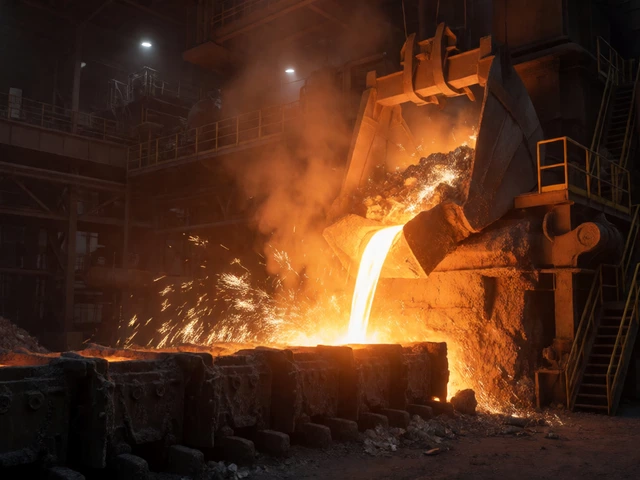
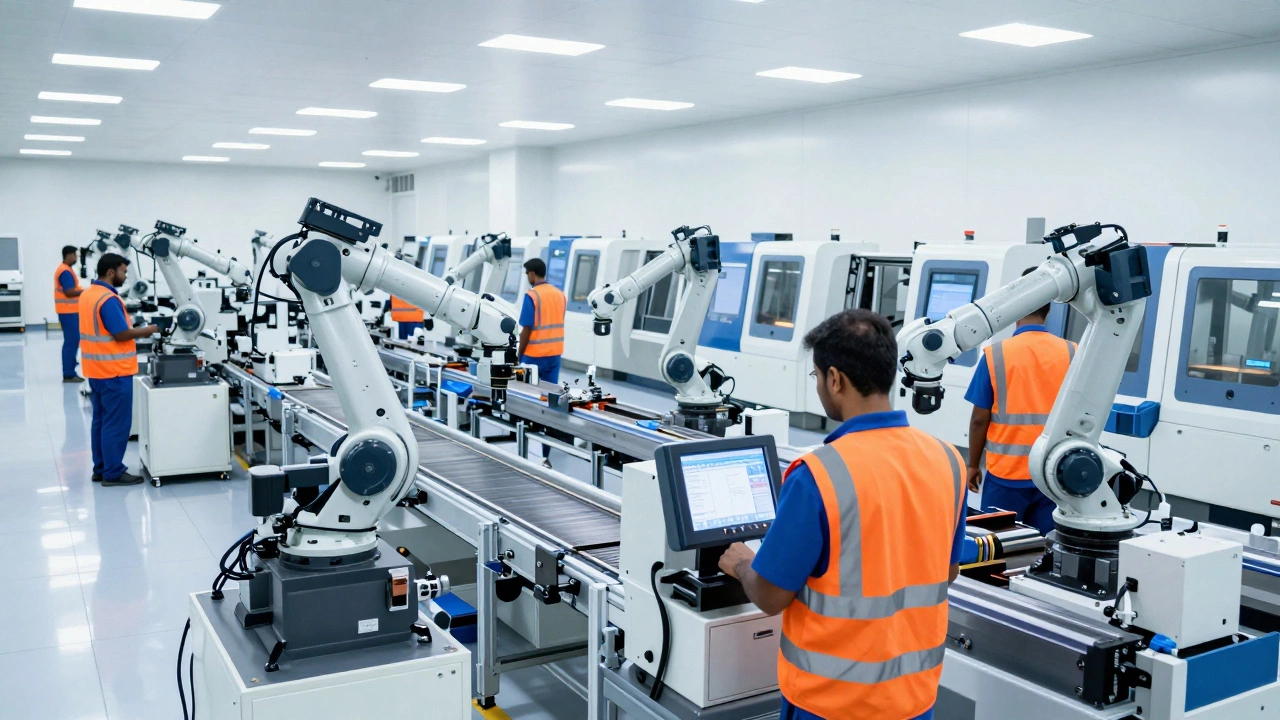
Walking onto a factory floor today feels nothing like the gray, noisy scenes from old movies. Modern manufacturing is clean, loud in different ways, and driven by screens as much as steel. If you are looking for work in this sector, you might think your only options are heavy lifting or assembly line repetition. That is a myth. The industry has shifted dramatically. Robots handle the dangerous lifting, and computers manage the inventory. This shift has opened up dozens of new career paths that require coding skills, engineering degrees, or even just strong organizational abilities.
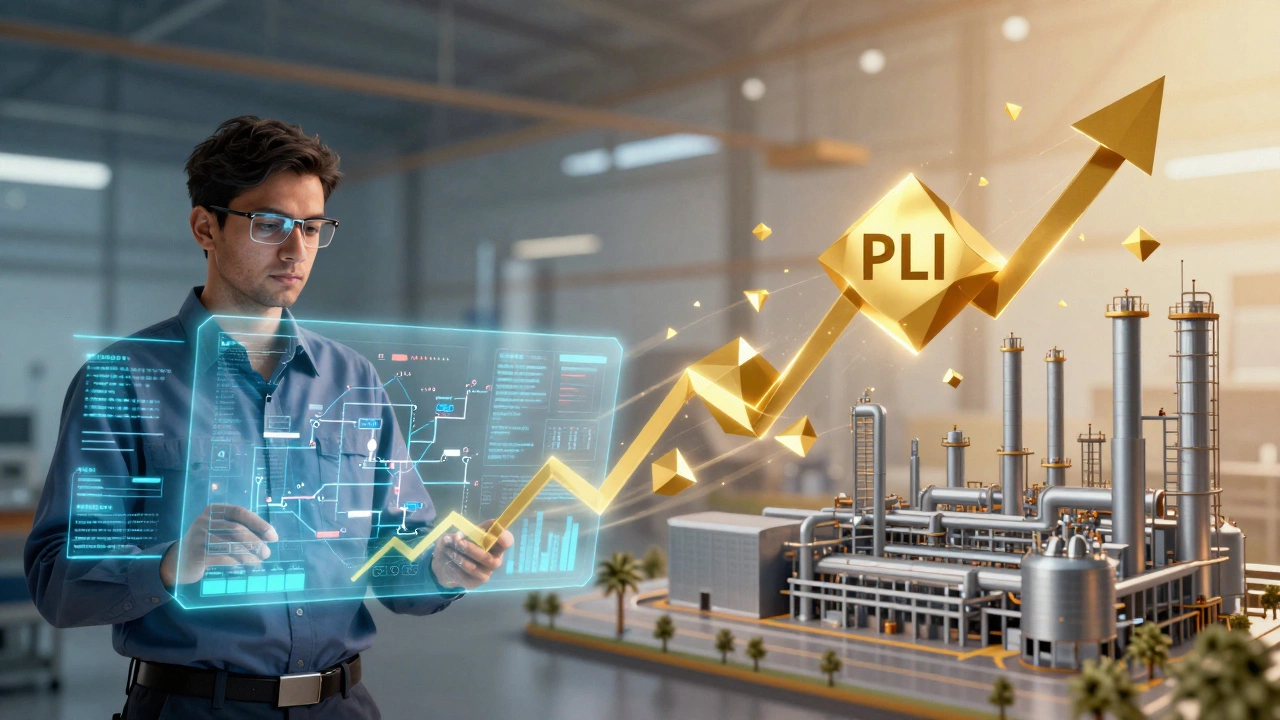
You also need to know about the money behind these jobs. Governments worldwide are pouring billions into revitalizing local industries. In India, for example, schemes like PLI (Production Linked Incentive) are creating thousands of openings. In the US and Europe, similar initiatives are pushing companies to hire locally. Understanding these roles and the support systems around them can change your career trajectory completely.
What are the main types of jobs in manufacturing?
Manufacturing jobs fall into four main categories: Production Operators who run machines, Engineers who design processes, Quality Control specialists who ensure standards, and Supply Chain managers who handle logistics. Each category has entry-level and senior roles.
The Hands-On Core: Production and Operations
At the heart of any factory is the production team. These are the people who physically interact with the product or the machines that make it. You do not need a PhD to start here, but you do need attention to detail and physical stamina.
Machinists are skilled tradespeople who operate machine tools to manufacture precision metal parts. They read blueprints and set up CNC (Computer Numerical Control) machines. It is a stable job with high demand because every car, phone, and appliance needs metal components. A machinist in Sydney or Mumbai earns a solid middle-class wage without needing a four-year university degree, often relying on vocational training instead.
Then there are Assembly Line Workers who perform repetitive tasks to put together products on a moving conveyor belt. While this sounds simple, modern lines move fast. Speed and accuracy matter. Many companies now offer shift differentials, meaning you earn more for working nights or weekends. If you are looking for immediate employment with clear hours, this is usually the entry point.
Do not overlook Forklift Operators. They drive specialized vehicles to move raw materials and finished goods within the warehouse. Getting certified takes a few days. It is one of the fastest ways to get hired in a large distribution center attached to a manufacturing plant.
The Brains Behind the Machine: Engineering and Technical Roles
If you prefer solving problems over repeating tasks, look at the technical side. Manufacturing relies heavily on engineers to keep the lights on and the products efficient.
Mechanical Engineers design the machinery itself. They figure out how to make a robot arm move faster or how to reduce energy consumption in an oven. Their work directly impacts the bottom line. Companies pay well for engineers who understand both physics and practical shop-floor constraints.
Industrial Engineers focus on efficiency. They ask questions like, "Why does it take three steps to pack this box? Can we do it in two?" They map out workflows and remove bottlenecks. This role requires strong analytical skills and often involves using software to simulate production flows before making changes on the floor.
In recent years, Robotics Technicians have become essential. They maintain, repair, and program automated systems used in production. As factories adopt Industry 4.0 technologies, the gap between traditional mechanics and IT professionals is closing. A technician who can fix a hydraulic press and troubleshoot its Wi-Fi connection is incredibly valuable.
Quality and Safety: The Guardians of Standards
A single bad batch can ruin a company's reputation. That is why quality control is not just a department; it is a culture. Jobs in this area are critical for maintaining trust with customers.
Quality Assurance Inspectors check products against strict specifications. They use calipers, microscopes, and software to measure dimensions and test materials. If a part is off by a millimeter, they reject it. This role requires patience and a keen eye. Mistakes here are expensive, so inspectors have significant authority on the line.
Safety is equally important. HSE Officers (Health, Safety, and Environment) ensure that the workplace complies with legal safety regulations. They conduct audits, train workers on handling hazardous chemicals, and investigate accidents. With stricter global regulations, companies cannot afford to cut corners on safety. HSE officers are often the voice of reason when production pressures mount.
Supply Chain and Logistics: Moving the Product
Making the product is only half the battle. Getting it to the customer on time is the other half. Supply chain roles connect the factory to the world.
Procurement Specialists buy the raw materials. They negotiate prices with suppliers for steel, plastic, or silicon. A good negotiator can save a company millions annually. This job requires strong communication skills and market knowledge. You need to know when prices will rise so you can stock up early.
Logistics Coordinators plan the shipping routes. They decide whether a truck, train, or ship is best for a shipment. They track deliveries in real-time and solve problems when trucks break down or ports close. In a globalized economy, delays cost money. Coordinators who keep things moving are highly respected.
How Government Schemes Are Shaping Hiring
You cannot talk about manufacturing jobs today without mentioning government intervention. Policies are actively driving hiring trends. For instance, in India, the Production Linked Incentive (PLI) scheme provides financial incentives to manufacturers based on their output growth. This has led to massive expansions in electronics, pharmaceuticals, and automotive sectors. Companies receiving these incentives are aggressively hiring to meet production targets.
In Australia, various state and federal grants support advanced manufacturing and green technology. If you are skilled in sustainable manufacturing practices, you are in a prime position to benefit from these funds. Employers are eager to hire people who can help them qualify for these subsidies.
Understanding these schemes helps you target the right employers. Look for companies that are publicly expanding due to government support. They are less likely to lay off staff and more likely to offer training programs.
| Role | Typical Education | Key Skill | Growth Outlook |
|---|---|---|---|
| Machinist | Vocational Training | Precision & Tool Use | Stable |
| Industrial Engineer | Bachelor's Degree | Process Optimization | High |
| Robotics Technician | Associate Degree/Certification | Coding & Mechanics | Very High |
| Quality Inspector | High School + On-job Training | Attention to Detail | Stable |

Skills That Will Future-Proof Your Career
The manufacturing landscape is changing. To stay relevant, you need more than just manual dexterity. Here are the skills that employers are prioritizing in 2026:
- Digital Literacy: Even operators need to interact with touchscreens and data dashboards. Basic computer skills are no longer optional.
- Data Analysis: Understanding charts and reports helps you spot trends. If you can explain why a machine is failing using data, you become indispensable.
- Adaptability: New technologies arrive quickly. Being willing to learn new software or operate new robots is crucial.
- Problem-Solving: When a line stops, everyone looks to you. Critical thinking under pressure is valued above rote memorization.
Consider taking online courses in PLC (Programmable Logic Controller) programming or basic Python for automation. These small investments in learning can lead to significant salary jumps.
Where to Find These Opportunities
Job boards are obvious, but they are not enough. Networking within the industry yields better results. Attend trade shows related to specific manufacturing sectors. Join professional associations for engineers or technicians. Often, unadvertised positions are filled through referrals.
Also, look at the websites of major manufacturers in your region. Check their "Careers" section regularly. Large companies often post apprenticeships and graduate programs months in advance. Applying early gives you a competitive edge.
Do I need a degree to work in manufacturing?
Not always. Many production roles like machining, welding, or assembly require vocational training or certifications rather than a university degree. However, engineering and management positions typically require a bachelor's degree.
Is manufacturing a safe career choice?
Yes, especially with modern safety standards. Automation has reduced exposure to dangerous tasks. Additionally, government regulations enforce strict safety protocols, making factories safer than ever before.
How do government schemes affect job availability?
Schemes like PLI incentivize companies to increase production, leading to higher hiring rates. Targeting companies benefiting from these grants can improve your chances of finding stable, long-term employment.
What is the difference between QA and QC?
Quality Assurance (QA) focuses on preventing defects through process improvement, while Quality Control (QC) focuses on identifying defects in finished products. Both are essential for maintaining high standards.
Are remote jobs available in manufacturing?
While most roles require on-site presence, some supply chain, engineering, and data analysis positions offer hybrid or remote options. However, hands-on technical roles must be performed in the facility.