What Are Food Processing Units? A Complete Guide to Types, Operations, and Business Setup
Food Processing Unit Setup Cost Estimator
Business Configuration
Cost Breakdown
You walk into a supermarket and pick up a jar of pasta sauce. It’s been sitting on the shelf for months, yet it tastes fresh. How did that happen? It didn’t just appear in a bottle. Behind that simple jar is a complex system known as a food processing unit, which transforms raw agricultural ingredients into safe, stable, and delicious products.
Most people think of farming when they hear about food production. But the real magic-and the real business opportunity-happens after harvest. Raw milk spoils in days. Fresh vegetables rot within weeks. Without processing, we would lose nearly half of all food produced globally. That’s why understanding what these units are, how they work, and how to start one is crucial for anyone looking to enter the food industry.
The Core Purpose of Food Processing Units
At its heart, a food processing unit is a facility where raw food materials are converted into edible products through physical, chemical, or biological methods. These aren't just factories; they are essential links in the supply chain that bridge the gap between farm and fork.
The primary goal isn't just to make food look nice. It’s about three critical outcomes: safety, shelf life, and convenience. By removing water, adding preservatives, or sealing products in sterile environments, these units stop bacteria like Salmonella and E. coli from growing. They also reduce waste. According to the Food and Agriculture Organization (FAO), post-harvest losses drop significantly when produce goes through proper processing channels rather than being sold raw without preservation infrastructure.
Consider rice. Raw paddy contains husks, bran, and germ. If left untreated, it attracts pests and molds. A milling unit removes these layers, polishing the grain so it stores for years. This transformation adds value not just by extending life but by making the product ready for immediate cooking.
Types of Food Processing Facilities
Not all food units look the same. The structure depends entirely on what you’re producing. You can categorize them broadly by the type of input material and the level of processing involved.
| Unit Type | Primary Inputs | Key Processes | Example Products |
|---|---|---|---|
| Dairy Processing Plant | Raw Milk | Pasteurization, Homogenization, Fermentation | Milk, Cheese, Yogurt, Butter |
| Fruit & Vegetable Processing Unit | Fresh Produce | Canning, Freezing, Drying, Juicing | Jams, Pickles, Frozen Peas, Juice |
| Grain Milling Facility | Paddy, Wheat, Corn | Cleaning, Dehusking, Milling, Sifting | Rice, Flour, Semolina, Bran |
| Meat & Poultry Processing Plant | Live Animals | Slaughtering, Cutting, Curing, Smoking | Chicken Breasts, Bacon, Sausages |
| Bakery Unit | Flour, Sugar, Yeast | Mixing, Proofing, Baking, Cooling | Bread, Cakes, Cookies |
| Snack Food Factory | Potatoes, Corn, Nuts | Frying, Extrusion, Seasoning | Chips, Popcorn, Namkeen |
Each type requires specific machinery. A dairy plant needs stainless steel tanks for heating and cooling, while a bakery relies heavily on ovens and mixers. Choosing the right unit type is your first major decision if you're planning to invest in this sector.
How a Typical Food Processing Unit Operates
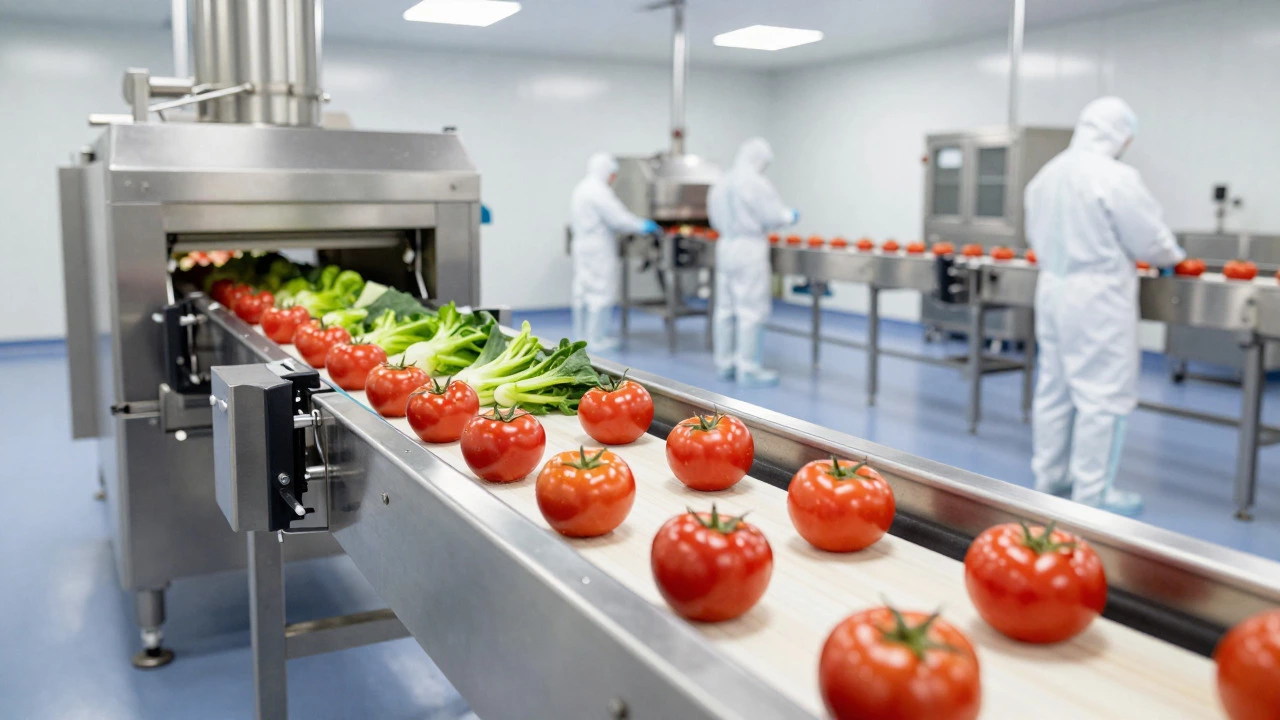
While every facility has unique steps, most follow a standard operational flow designed to maintain hygiene and efficiency. Let’s break down the journey of an apple turning into juice concentrate.
- Receiving and Inspection: Trucks arrive with raw apples. Quality control teams check for bruises, size consistency, and pesticide residues. Only approved batches move forward.
- Cleaning and Washing: Apples go through flume washes or spray systems to remove dirt and surface contaminants. Water usage here is high, so modern units recycle water to cut costs.
- Processing: The fruit is crushed, pressed, and filtered. Enzymes might be added to clarify the juice. At this stage, the liquid is still perishable.
- Preservation: Heat treatment (pasteurization) kills microbes. Alternatively, the juice might be frozen or concentrated by removing water via evaporation.
- Packaging: Sterile containers are filled in aseptic conditions. Labels are applied automatically.
- Storage and Distribution: Finished goods move to cold storage or dry warehouses before shipping to retailers.
This linear process ensures that contamination risks are minimized at each step. Any deviation can lead to recalls, which cost manufacturers millions and damage brand reputation instantly.
Essential Machinery and Infrastructure
Setting up a food processing unit isn’t just about buying machines; it’s about creating an environment where those machines can operate safely. The infrastructure must meet strict health codes.
First, consider the layout. Floors should be non-slip and easy to clean, often made of epoxy resin. Walls need smooth surfaces without cracks where bacteria could hide. Drainage systems must handle large volumes of wastewater efficiently.
Then there’s the equipment. Common tools across many units include:
- Conveyor Belts: For moving products between stations without manual handling.
- Mixers and Blenders: To combine ingredients uniformly.
- Ovens and Fryers: For thermal processing.
- Packaging Machines: Automated fillers, sealers, and labelers increase speed and accuracy.
- Cold Storage Rooms: Maintaining temperatures below 4°C for perishables.
In 2026, smart sensors are becoming standard. IoT devices monitor temperature fluctuations in real-time, alerting managers if a freezer fails. This technology reduces spoilage and ensures compliance with safety standards.
Regulatory Compliance and Safety Standards
Food touches everyone, so governments regulate it closely. Operating without proper licenses means shutting down immediately. In Australia, for example, businesses must comply with the Australia New Zealand Food Standards Code. Similar frameworks exist worldwide, such as FDA regulations in the US or FSSAI guidelines in India.
Key requirements usually include:
- HACCP Certification: Hazard Analysis Critical Control Point. This systematic preventive approach identifies physical, biological, and chemical hazards.
- GMP (Good Manufacturing Practices): Rules covering personnel hygiene, facility cleanliness, and equipment maintenance.
- Allergen Labeling: Clear disclosure of nuts, gluten, dairy, etc., to protect consumers with allergies.
- Traceability Systems: Ability to track a product back to its source farm in case of contamination outbreaks.
Failing any of these can result in fines, legal action, or loss of consumer trust. Regular audits by third-party agencies help keep operations compliant.
Starting a Small-Scale Food Processing Business
You don’t need a massive factory to start. Many successful brands began as small-scale units focusing on niche markets. Think homemade-style pickles, artisanal cheese, or organic spice blends. These require less capital and allow for quicker market testing.
To launch effectively:
- Choose a Niche: Don’t try to compete with giants on bread or milk. Focus on specialty items like keto snacks or vegan desserts.
- Secure Local Suppliers: Build relationships with nearby farmers. Fresh inputs mean better quality and lower transport costs.
- Invest in Basic Packaging: Attractive, durable packaging sells itself. Use eco-friendly materials if possible, as sustainability matters to modern buyers.
- Get Certified Early: Even small units need basic hygiene certifications. Start applying for licenses before production begins.
- Test Markets Locally: Sell at farmers' markets or online platforms before approaching supermarkets.
Small units face challenges like limited funding and scaling issues. However, they offer flexibility. You can adjust recipes quickly based on customer feedback, something large corporations struggle to do.
Future Trends in Food Processing
The industry is evolving rapidly. Climate change affects crop availability, pushing processors to find alternative ingredients. Lab-grown meat and plant-based proteins are gaining traction, requiring new types of processing technologies.
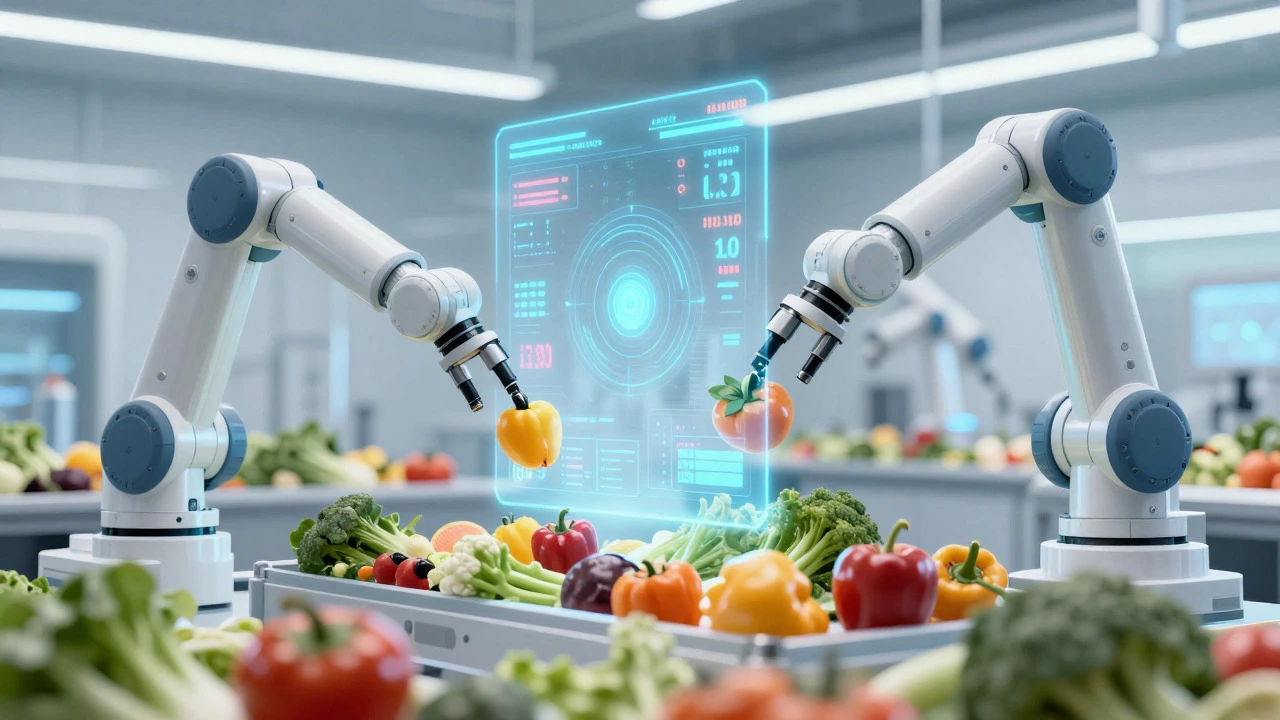
Automation is another big shift. Robotics now handle repetitive tasks like sorting fruits or packing boxes, reducing labor costs and errors. AI algorithms predict demand patterns, helping units produce only what’s needed, minimizing waste.
Sustainability drives innovation too. Zero-waste facilities aim to use every part of the ingredient-peels become compost, whey from cheese turns into protein powder. Consumers increasingly prefer brands that demonstrate environmental responsibility.
What is the difference between food processing and food manufacturing?
These terms are often used interchangeably, but there's a subtle distinction. Food processing refers to changing raw ingredients into intermediate forms, like turning wheat into flour. Food manufacturing involves combining processed ingredients to create final consumer products, like baking bread from that flour. Most facilities do both.
How much does it cost to set up a small food processing unit?
Costs vary widely depending on location and scale. A basic home-based kitchen setup might cost $5,000-$10,000 AUD. A commercial small-scale facility with proper licensing and machinery could range from $50,000 to $200,000 AUD. Larger industrial plants run into millions. Always budget extra for unexpected regulatory fees.
Do I need a degree to run a food processing business?
No formal degree is mandatory, but knowledge of food science helps immensely. Understanding microbiology, chemistry, and nutrition allows you to troubleshoot problems and ensure safety. Many entrepreneurs hire a food technologist as a consultant instead of getting certified themselves.
What are the biggest risks in starting a food processing unit?
The top risks include contamination leading to recalls, fluctuating raw material prices, and strict regulatory changes. Supply chain disruptions, like those seen during recent global events, can also halt production. Mitigate these by diversifying suppliers and maintaining robust quality control protocols.
Can I start a food processing unit from home?
Yes, many regions allow cottage food laws permitting certain low-risk items like jams, baked goods, and dried herbs to be made at home. Check local council regulations first. You’ll likely need a separate kitchen area dedicated solely to commercial use, distinct from your family cooking space.