Who Is the Richest Chemical Company in the World? Global Giants vs. Indian Leaders
Global Chemical Giants vs. Indian Leaders: Interactive Comparison Tool
Market Landscape Explorer
Compare top chemical companies by scale, profitability, and strategic positioning
Strategic Advantage Analysis
Select a company above to see detailed analysis of their competitive advantage.
Revenue Scale Comparison
Visual representation of estimated annual revenue (in billions USD). Note: Indian companies shown are smaller in scale but highly competitive in specialty segments.
When you ask who the richest chemical company is, the answer depends entirely on how you define "rich." Are we talking about total sales volume, or are we looking at pure profit margins? The global chemical landscape is dominated by a few massive players that move billions of tons of material every year. For most people, especially those tracking industrial growth in emerging markets like India, this distinction matters. It separates the companies that simply sell a lot from the ones that actually keep the money.
In 2025 and heading into 2026, the title of the largest chemical company by revenue belongs to BASF, the German giant. However, when it comes to profitability, Chinese state-owned enterprises often take the lead due to their integrated energy-chemical models. For readers focused on chemical manufacturers India, the picture is different again. Indian firms are growing rapidly but operate on a smaller scale compared to these global behemoths. Understanding this hierarchy helps investors, suppliers, and students navigate the complex web of global supply chains.
The Revenue Kings: Who Makes the Most Sales?
If we measure size by top-line revenue, the list is relatively stable. These companies produce everything from fertilizers and plastics to pharmaceuticals and specialty chemicals. Their sheer scale allows them to influence global commodity prices.
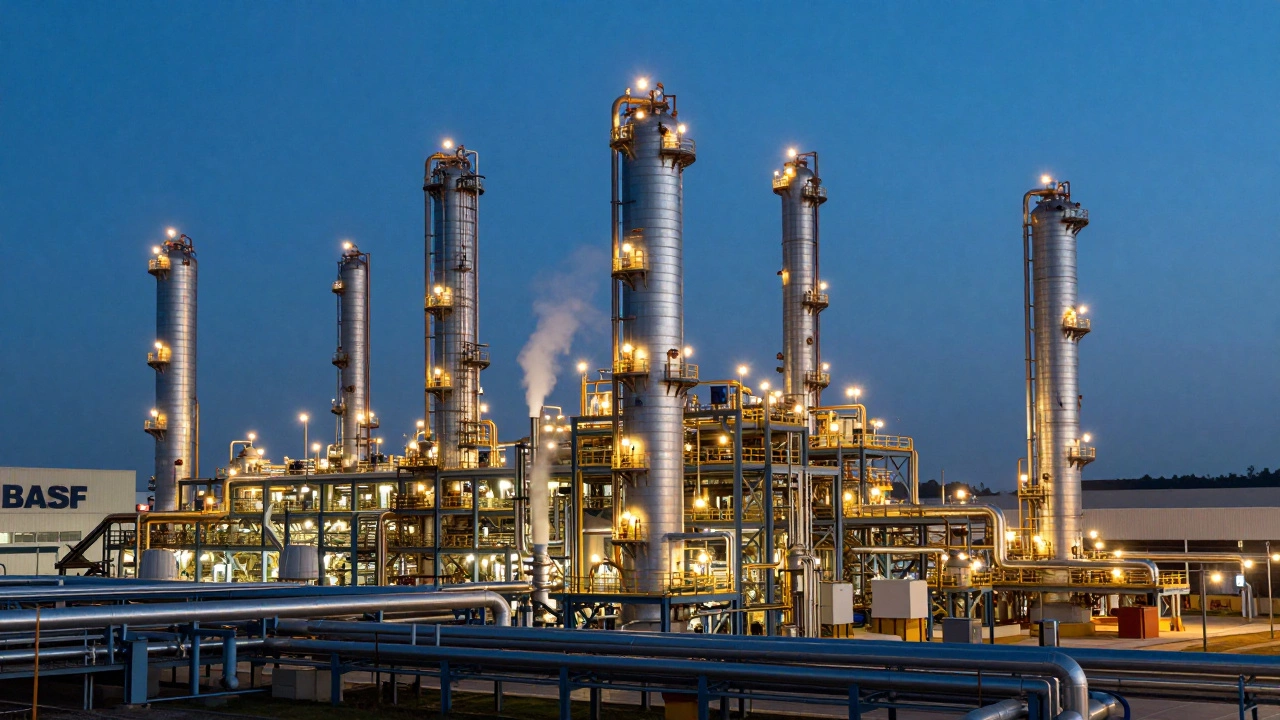
BASF SE is a German multinational chemical company headquartered in Ludwigshafen, Germany, and the largest chemical producer in the world. In recent fiscal years, BASF has consistently generated revenues exceeding $80 billion. Its strength lies in its "Verbund" system, an integrated production network where waste from one process becomes fuel for another. This efficiency model keeps costs low despite high energy prices in Europe.
Closely following BASF is Sinopec Group is China Petroleum & Chemical Corporation, a Chinese state-owned petrochemical enterprise. While technically an oil and gas company, Sinopec’s chemical division is so vast that it often rivals pure-play chemical giants in total revenue. Their advantage is vertical integration; they own the crude oil, refine it, and then convert it into chemicals, capturing value at every step.
Other major players in the revenue league include Dow Inc., DuPont (now split into multiple entities), and LyondellBasell. These Western firms focus heavily on high-margin specialty chemicals rather than just bulk commodities. They compete on innovation and brand reputation rather than just volume.
| Company Name | Headquarters | Primary Focus | Key Advantage |
|---|---|---|---|
| BASF SE | Ludwigshafen, Germany | Diversified Chemicals | Integrated Verbund System |
| Sinopec Group | Beijing, China | Petrochemicals | Vertical Integration with Oil |
| Dow Inc. | Midland, USA | Industrial Plastics | Scale in Polymers |
| LyondellBasell | Rotterdam, Netherlands | Olefins and Polyolefins | Low-Cost Production Assets |
| Reliance Industries | Mumbai, India | Petrochemicals & RIL | Jubail Complex Scale |
The Profit Powerhouses: Who Keeps the Money?
Revenue doesn't equal wealth. A company can sell $100 billion worth of goods and make almost no profit if its costs are too high. This is where the definition of "richest" shifts. In terms of net income, Chinese state-owned enterprises often dominate because they benefit from lower labor costs, government subsidies, and control over raw materials.
China National Chemical Corporation (ChemChina) is a Chinese state-owned chemical conglomerate that merged with Sinochem to form ChemChina-Sinochem Group. This merger created a super-entity that competes directly with BASF globally. Their profit margins in agricultural chemicals and rubber processing are particularly strong.
Western companies like BASF and Dow have faced margin pressure due to higher energy costs in Europe and North America. Meanwhile, Asian producers have expanded capacity aggressively. This shift has changed the balance of power. If you are looking for the company with the highest cash reserves and lowest debt-to-equity ratio among the giants, you often find yourself looking at diversified conglomerates rather than pure chemical plays.
Chemical Manufacturers in India: The Rising Contenders
For those specifically interested in chemical manufacturers India, the narrative is one of rapid ascent. India is becoming a global hub for specialty chemicals, active pharmaceutical ingredients (APIs), and agrochemicals. While Indian companies do not yet match the revenue of BASF, they are highly profitable and strategically positioned.
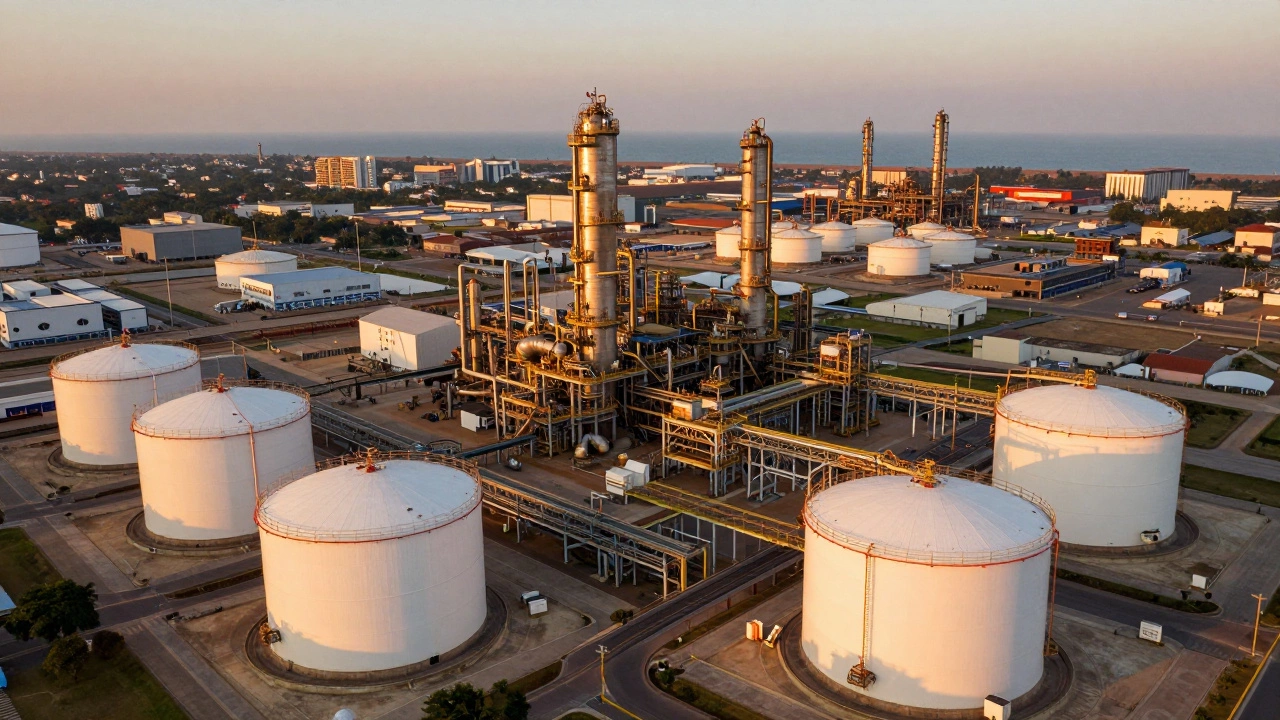
Reliance Industries Limited (RIL) is an Indian multinational conglomerate incorporated and publicly traded in Mumbai, Maharashtra, with headquarters in Reliance Industrial Area. RIL is the largest chemical manufacturer in India by a significant margin. Its Jamnagar refinery complex is one of the largest in the world, producing vast quantities of polyethylene and polypropylene. RIL's strategy involves moving down the value chain from basic fuels to high-value chemicals and plastics.
Another key player is PI Industries is an Indian agrochemical company based in Ahmedabad, Gujarat, specializing in crop protection chemicals. PI Industries has grown exponentially by focusing on high-margin formulations and active ingredients. Unlike bulk chemical producers, PI operates in the specialty segment, which offers better pricing power and less competition from low-cost Chinese generics.
Deepak Nitrite is an Indian chemical manufacturing company known for its products in the nitrophenol and chlorophenol segments. Deepak Nitrite is a leader in organic intermediates used in dyes, pigments, and pharmaceuticals. Their expansion into new product lines has made them a critical supplier for global textile and pharma industries.
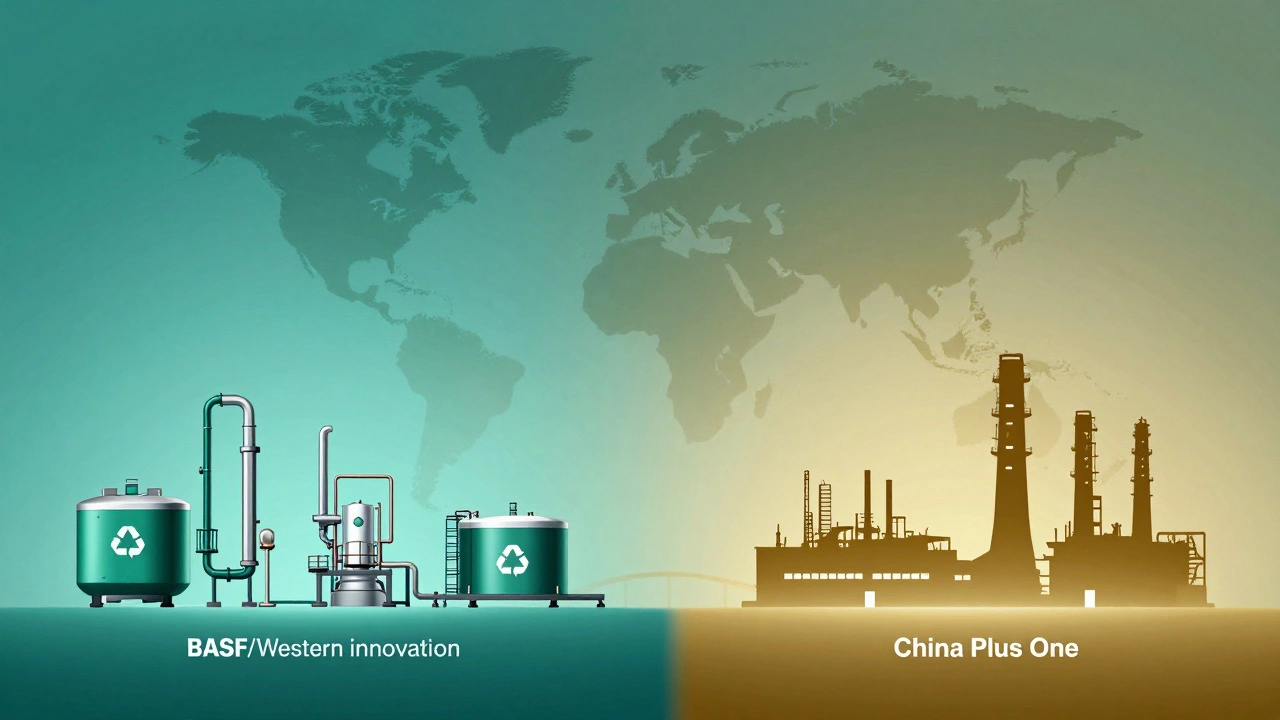
Why does India matter? Because of the "China Plus One" strategy. Many global brands are diversifying their supply chains away from China to mitigate geopolitical risks. India, with its large workforce, English-speaking management, and improving infrastructure, is the primary beneficiary. Companies like Tata Chemicals and Grasim are also expanding their capacities to meet this demand.
Why Does the "Richest" Title Matter to You?
Knowing who the biggest players are helps you understand market trends. If BASF announces a price hike, it affects plastic prices worldwide. If Sinopec expands capacity, it signals a potential glut in petrochemicals. For Indian manufacturers, understanding these giants is crucial for export strategies.
Investors look at these companies as barometers for the global economy. Chemicals are upstream; if chemical sales drop, it usually means consumer spending is slowing down. Therefore, the financial health of BASF, Dow, and RIL tells us a lot about future economic conditions.
For business owners, identifying the right partner is key. Do you need a bulk supplier like Reliance for cheap polymers? Or do you need a specialty partner like PI Industries for custom agrochemicals? Knowing the strengths of each tier of manufacturer helps you negotiate better contracts and secure reliable supply chains.
Future Trends Shaping the Chemical Industry
The chemical industry is undergoing a green transformation. Carbon neutrality goals are forcing companies to rethink their processes. BASF is investing heavily in electrification and hydrogen-based production. Indian companies are under pressure to adopt cleaner technologies to maintain access to European and American markets.
Circular economy principles are also gaining traction. Recycling plastics and recovering valuable metals from waste streams are becoming new business lines for traditional chemical companies. This shift creates opportunities for startups and established firms alike. The "richest" company of 2030 might not be the one that sells the most plastic, but the one that recycles it most efficiently.
Digitalization is another factor. AI and machine learning are being used to discover new molecules and optimize plant operations. Companies that leverage data effectively will reduce costs and innovate faster. This technological edge could allow smaller, agile firms to challenge the dominance of the current giants.
Is BASF really the richest chemical company?
BASF is the largest chemical company by revenue, generating over $80 billion annually. However, "richest" can refer to profit or market capitalization. In terms of pure profit, some Chinese state-owned enterprises may exceed BASF due to lower operational costs. But in terms of brand value, global reach, and consistent profitability in a diversified portfolio, BASF remains the top contender.
Who is the largest chemical manufacturer in India?
Reliance Industries Limited (RIL) is the largest chemical manufacturer in India. Its integrated refining and petrochemical complex in Jamnagar produces massive volumes of olefins and aromatics. Other major players include Tata Chemicals, Deepak Nitrite, and PI Industries, which specialize in niche segments like agrochemicals and organic intermediates.
How do Indian chemical companies compare to global giants?
Indian chemical companies are smaller in scale compared to BASF or Sinopec but are highly competitive in specialty chemicals. They benefit from lower labor costs and a strategic location for exports. While they lack the vertical integration of Chinese giants, Indian firms are known for quality compliance and flexibility, making them attractive partners for Western brands seeking supply chain diversity.
What is the difference between bulk and specialty chemicals?
Bulk chemicals are produced in large volumes at low margins, such as sulfuric acid or ethylene. They are commodities with prices driven by global supply and demand. Specialty chemicals are produced in smaller quantities with higher margins, tailored for specific applications like cosmetics, electronics, or agriculture. Companies like PI Industries focus on specialties, while BASF does both.
Will Chinese chemical companies dominate the future?
Chinese companies already dominate in many bulk chemical segments due to massive capacity expansions. However, geopolitical tensions and environmental regulations may slow their growth. Meanwhile, Indian and Southeast Asian manufacturers are gaining market share by offering alternative supply sources. The future likely sees a multipolar landscape with leadership shifting based on energy costs and trade policies.

Recent Posts
-

Why Did Chevrolet Leave India? The GM Exit Explained
-
Who is the Largest Steel Fabricator in the United States?
-

India's Oldest Pharma Company: A Look at Bengal Chemicals & Pharmaceuticals
-
What is the Biggest Steel Mill in the United States? US Steel Gary Works
-
What is the Textile Capital of the World? Surat vs. Tirupur vs. Global Hubs