Manufacturing Processes: How Things Are Made in India Today
When you think about manufacturing processes, the step-by-step methods used to turn raw materials into finished goods. Also known as production methods, it's the backbone of every product you use — from smartphones to medicines, from steel beams to textile fabrics. In India, these processes aren’t just about assembly lines. They’re evolving fast, driven by cost pressures, tech upgrades, and a push for sustainability. Whether it’s a small factory in Gujarat making auto parts or a giant pharma plant in Hyderabad producing vaccines, the way things are made is changing.
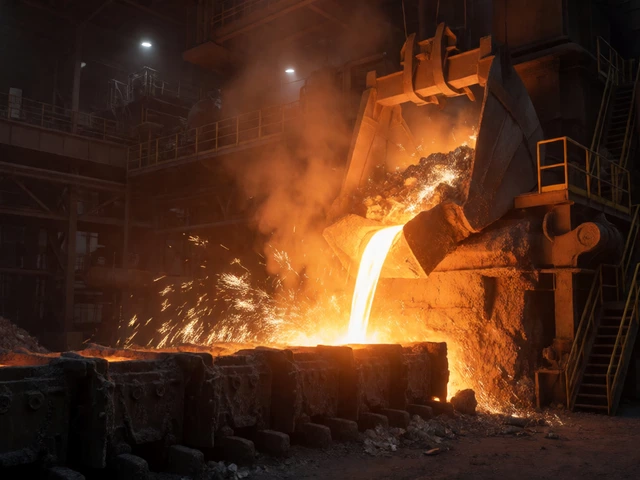
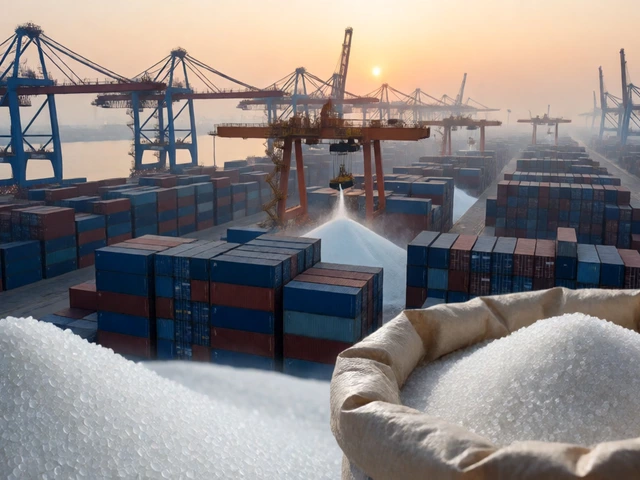
What makes Indian manufacturing unique? It’s the mix of scale and adaptability. You’ve got plastic manufacturing, a sector generating massive waste but also pioneering recycling efforts right alongside pharma manufacturing, home to over 12,400 licensed companies and the world’s largest supplier of generic drugs. Then there’s steel production, where quality isn’t just about strength — it’s about precision and consistency. These aren’t isolated industries. They share the same challenges: reducing waste, cutting costs, meeting global standards, and training workers for new tech. Lean manufacturing isn’t a buzzword here — it’s survival. Overproduction, idle machines, and poor quality control are the big killers. The best-run factories use audits, real-time data, and simple tools to spot waste before it eats into profits.
India’s edge isn’t just low labor costs anymore. It’s in how quickly factories are adopting automation, digital tracking, and cleaner methods. A small factory in Tamil Nadu might now use IoT sensors to monitor machine health. A textile mill in Mumbai could be switching to organic dyes to meet European demand. Even car makers like Toyota, despite pulling out, left behind a network of suppliers who now serve EV startups. The manufacturing processes you see today aren’t the same as five years ago — and they won’t be the same in five more. What’s next? More AI-driven quality checks. More local sourcing to cut logistics. More startups building products that fit India’s needs, not just copying global models.
Below, you’ll find real insights from factories, entrepreneurs, and analysts who’ve seen these changes up close. From the cost of starting a small plant to why Toyota left India, from the top plastic polluters to the hidden waste in food processing — every post here is grounded in what’s actually happening on the ground. No fluff. No theory. Just what works, what doesn’t, and what’s coming next.
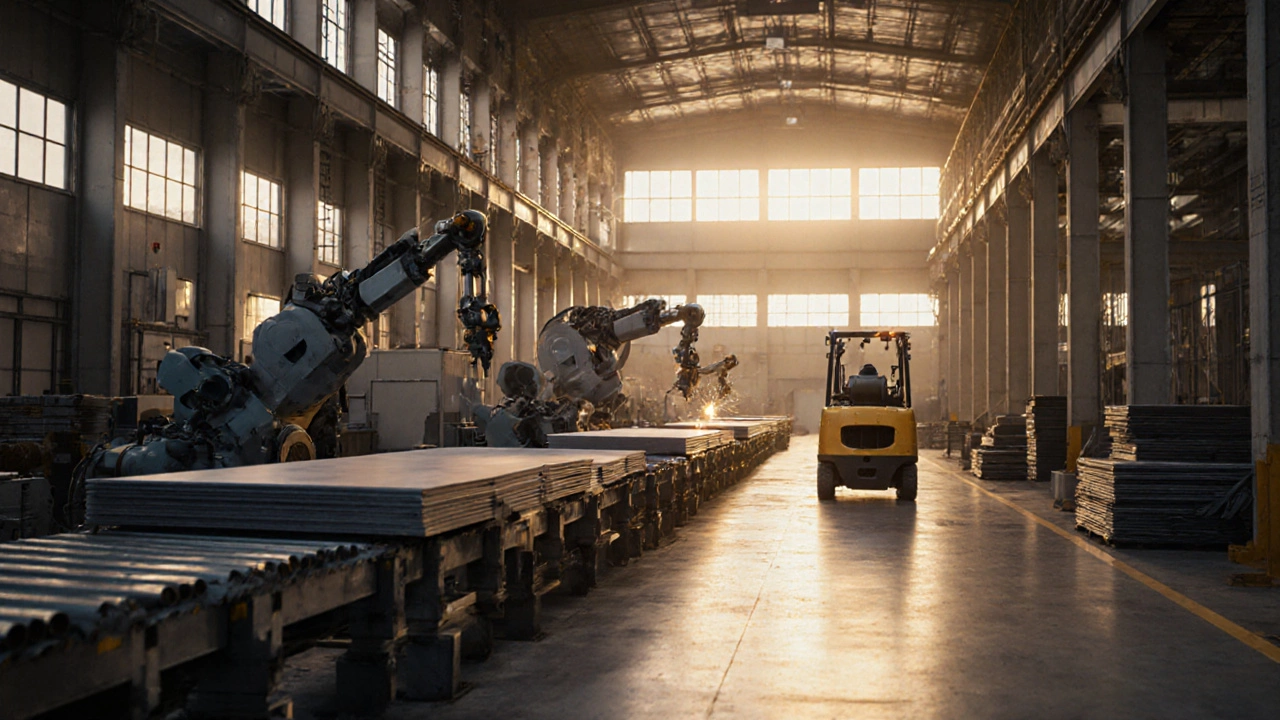
What Are the 7 Flows of Manufacturing? A Clear Guide to How Things Get Made
Learn the seven key flows that drive manufacturing success - material, information, energy, financial, human, quality, and feedback. Understand how they connect and how to fix bottlenecks in your production process.
Read More