Who is the King of the Steel Industry? The Rise and Fall of Lakshmi Mittal
Steel Industry Kingmaker Simulator
Select Your Competitor
Choose a company to analyze their current standing in the global steel hierarchy.
Market Analysis Dashboard
Select a company and click Analyze to see how they stack up against the competition.
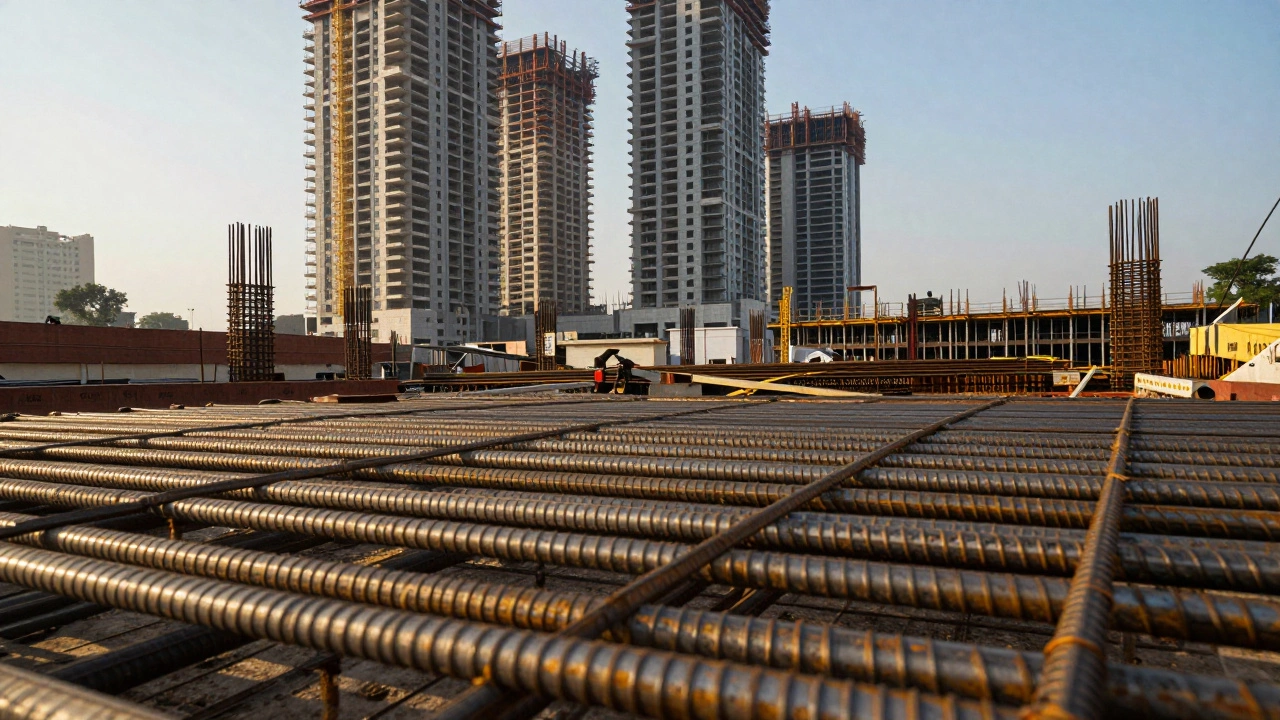
Walk into any major construction site in Mumbai, Dubai, or New York, and you will likely see rebar stamped with a familiar name. For decades, that name has been Lakshmi Mittal. When people ask who holds the crown as the king of the steel industry, they are almost always referring to him. But titles like "king" can be misleading. They suggest a static throne, whereas the steel world is anything but still. It is a brutal arena of fluctuating commodity prices, geopolitical tensions, and massive capital requirements.
To understand why Mittal earned this moniker, we have to look beyond just his net worth. We need to examine how he built an empire from a small rolling mill in India to becoming the owner of the world’s largest steel producer, ArcelorMittal, a multinational steel manufacturing company headquartered in Luxembourg. However, the story doesn't end there. The title of "king" is currently under siege by rising giants in China and shifting environmental regulations in Europe. This article breaks down the rise of the current king, the challengers waiting in the wings, and what it actually takes to rule the steel industry today.
The Origin Story: From Delhi to Global Dominance
Lakshmi Mittal did not start with a silver spoon. In fact, his entry into the steel business was born out of necessity rather than ambition. After graduating from the Indian Institute of Technology (IIT) in Delhi, he joined his father’s small steel rolling mill. The family business struggled during the 1970s due to strict government controls on raw materials and production quotas in India.
Mittal made a bold move. He bought out his father’s share and renamed the company ISMT Limited, the precursor to Mittal Steel Company, founded in 1976. Instead of fighting the bureaucratic red tape in India, he looked outward. He realized that while India had talent, other countries had resources and markets. This global mindset became the cornerstone of his strategy.
His first major international acquisition was in Zambia in 1989. It was a risky bet on a developing market, but it paid off. This success funded further acquisitions in South Africa, Australia, and eventually Western Europe. By the time he acquired Iscor, South Africa's state-owned steel producer, acquired by Mittal in 1994, he had proven that he could turn around inefficient, state-run plants through aggressive cost-cutting and efficiency improvements.
- 1976: Takes over family business in India.
- 1989: First overseas acquisition in Zambia.
- 1994: Acquires Iscor in South Africa.
- 2006: Merges with Arcelor to form ArcelorMittal.
The Mega-Merger: Creating ArcelorMittal
If there is one event that cemented Mittal’s status as the "King of Steel," it is the 2006 merger with Arcelor, the European steel giant formed by the merger of Usinor and Arbed. At the time, it was the largest cross-border takeover in history, valued at approximately $23 billion.
This deal was controversial. Many Europeans viewed it as hostile. Mittal had to pay a significant premium to convince Arcelor’s shareholders to join forces. Critics argued that giving control of European industrial assets to an Indian billionaire was dangerous for national security. Mittal countered by promising job security and technological upgrades. He moved the headquarters to Luxembourg, a neutral ground, to appease European sensibilities.
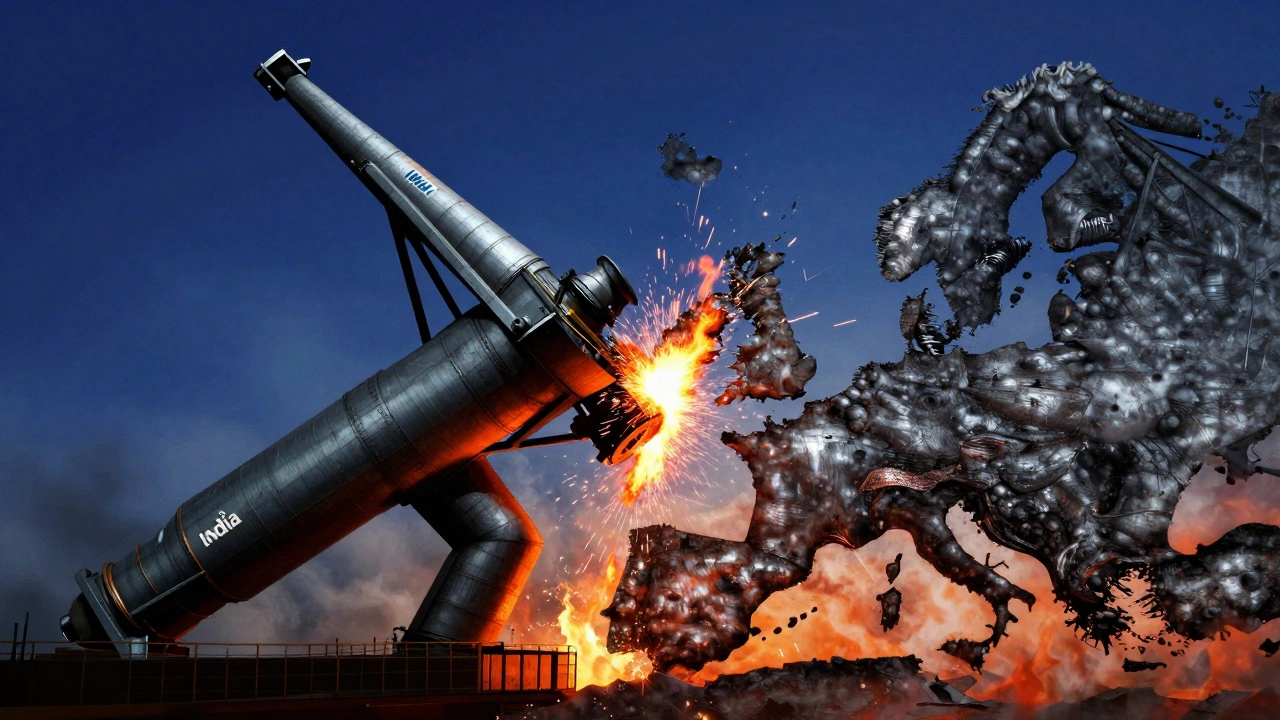
The result was ArcelorMittal, the world's largest steel and mining company. Suddenly, Mittal controlled about 16% of the world’s flat-rolled steel capacity. He wasn't just a big player; he was the biggest. The scale allowed him to negotiate better prices for iron ore and coal, creating a competitive moat that smaller producers couldn't match.
Why Scale Matters in Steel Manufacturing
You might wonder why being the "biggest" matters so much. Steel is a volume game. The margins on individual tons of steel are often thin. Profitability comes from producing millions of tons efficiently. Here is how scale creates power:
- Bargaining Power: Large buyers dictate terms to suppliers of raw materials like coking coal and iron ore.
- Risk Diversification: If demand drops in the US, it might be high in Brazil or Asia. A global portfolio smooths out these cycles.
- Technological Investment: Only large companies can afford to invest billions in electric arc furnaces (EAF) or hydrogen-based direct reduction technologies needed for green steel.
Mittal mastered this logic. He didn't just buy mills; he integrated them. He standardized processes across continents, allowing best practices from one plant to be replicated in another. This operational excellence is why he retained the title even after the merger faced initial backlash.
The Challengers: Who Could Dethrone the King?
Titles are temporary. While Mittal ruled the headlines for two decades, the landscape has shifted dramatically since 2020. Two main forces are challenging his dominance: Chinese state-owned enterprises and the push for decarbonization.
China Baowu Steel Group, the world's second-largest steel producer, formed by merging several Chinese state-owned steelmakers is the most formidable rival. Through a series of mergers orchestrated by the Chinese government, Baowu has grown massively. In some metrics, particularly total crude steel production, Baowu rivals or exceeds ArcelorMittal. Unlike Mittal, who grew through market-driven acquisitions, Baowu grew through state consolidation. This gives them immense political backing and access to cheap capital.
Then there is the issue of geography. Mittal’s empire is heavily weighted toward Europe and North America. These regions face higher energy costs and stricter environmental regulations compared to Asia. As the world shifts toward Green Steel, steel produced using renewable energy and hydrogen instead of coal, the cost structure changes. Companies located near cheap renewable energy sources, such as hydroelectric power in Sweden or wind power in Australia, gain an advantage. Mittal is adapting, investing in hydrogen projects in Germany and Brazil, but the transition is expensive and slow.
| Company | Headquarters | Key Strength | Primary Challenge |
|---|---|---|---|
| ArcelorMittal | Luxembourg | Global footprint, brand recognition | High energy costs in Europe |
| China Baowu | Shanghai, China | Massive scale, state support | Overcapacity, trade tariffs |
| Nippon Steel | Tokyo, Japan | High-tech specialty steels | Aging workforce, domestic demand |
| Tata Steel | Mumbai, India | Strong presence in UK and India | Debt burden, UK market volatility |
The Future of the Crown: Sustainability as the New Currency
In 2026, being the "king" isn't just about tonnage. It is about sustainability. The steel industry accounts for roughly 7-9% of global carbon dioxide emissions. Governments in the EU and North America are implementing Carbon Border Adjustment Mechanisms (CBAM). This means steel imported from countries with lax environmental rules will face heavy taxes.
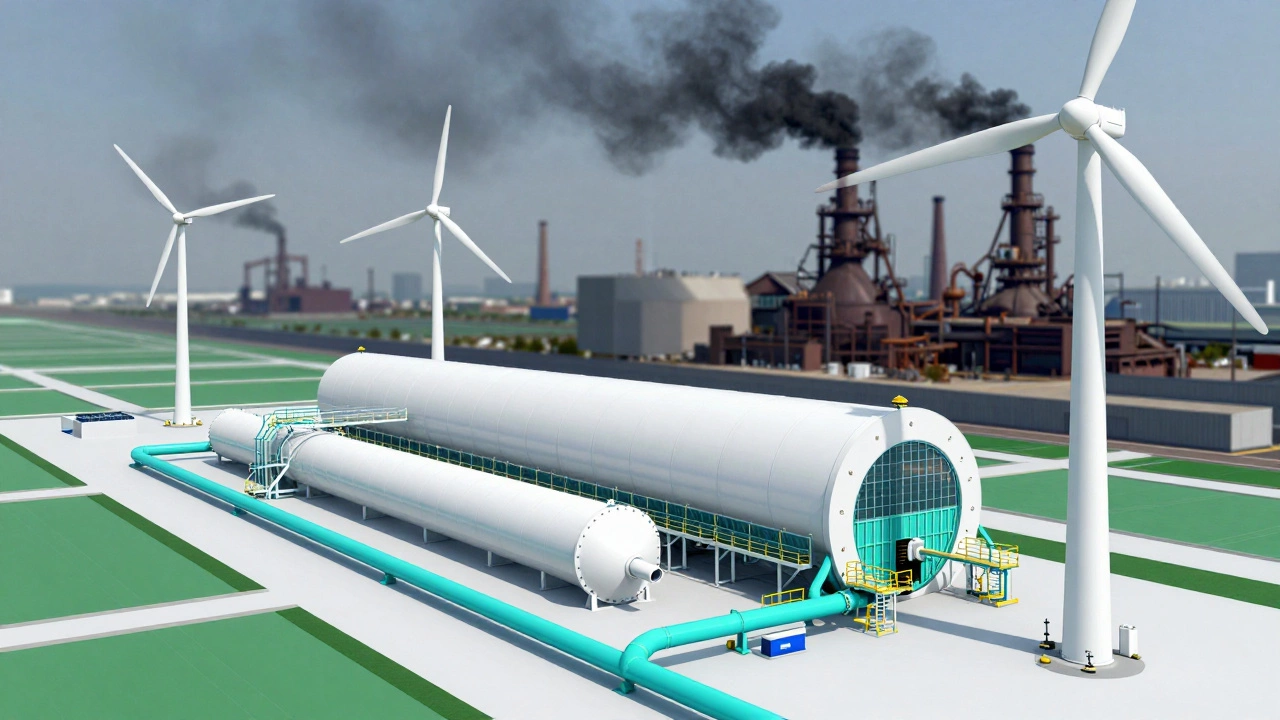
This regulatory shift favors companies that are already investing in clean technology. ArcelorMittal has announced plans to convert its blast furnaces in Europe to use hydrogen. Tata Steel is doing similar work in the Netherlands. Meanwhile, newer players like SSAB, a Swedish steelmaker pioneering fossil-free steel production are marketing themselves specifically on their low-carbon credentials.
If Mittal fails to lead this transition, his title will become obsolete. The next "king" of steel will likely be the one who produces the cheapest *green* steel, not just the cheapest steel period. This requires a complete overhaul of infrastructure, moving from coal-fired blast furnaces to electric arc furnaces powered by renewables.
Conclusion: A Reign Under Review
So, who is the king of the steel industry? Historically, the answer is Lakshmi Mittal. His vision, risk-taking, and ability to execute massive mergers created the modern global steel map. He turned a fragmented industry into one dominated by a few super-giants.
However, crowns are heavy. With the rise of China Baowu and the urgent need for decarbonization, Mittal’s reign is facing its toughest test yet. The title may soon belong not to the man who owns the most mills, but to the company that masters the chemistry of green production. For now, Mittal remains the reference point, but the throne is no longer secure.
Who is the richest person in the steel industry?
Lakshmi Mittal is widely considered the richest person associated with the steel industry. As the founder and chairman of ArcelorMittal, his net worth fluctuates with steel prices, but he consistently ranks among the top billionaires globally.
What is the largest steel company in the world?
By revenue and global reach, ArcelorMittal is often cited as the largest. However, by sheer volume of crude steel production, China Baowu Steel Group is a close competitor and sometimes leads depending on the year and specific metrics used.
How did Lakshmi Mittal build his empire?
Mittal started with a small family mill in India. He expanded aggressively through international acquisitions, starting in Africa and moving to Europe. His key strategy was buying undervalued assets, cutting costs, and improving efficiency before merging them into a global conglomerate.
What is Green Steel?
Green steel refers to steel produced with minimal carbon emissions. Traditional steelmaking uses coal in blast furnaces, releasing large amounts of CO2. Green steel uses methods like hydrogen direct reduction or electric arc furnaces powered by renewable energy to eliminate or drastically reduce these emissions.
Is the steel industry shrinking?
The industry is not shrinking in total volume, but it is transforming. Demand remains strong in emerging economies for infrastructure. However, mature markets like Europe and North America are seeing slower growth. The focus is shifting from quantity to quality and sustainability due to environmental regulations.
Recent Posts
-
Which Wood Is Strongest in India? A Guide for Furniture Manufacturers
-
How Many Plastic Companies Are There in the US? (2026 Industry Data)
-
How Long Does Plastic Take to Disintegrate? A Timeline for Manufacturers
-
Cheapest Countries to Manufacture in 2026: A Guide for Startups
-
What Are Food Processing Units? A Complete Guide to Types, Operations, and Business Setup