Classification of Food Processing Units: Types, Functions & Selection Guide
Food Processing Unit Selector Tool
Step 1: What is your primary raw material?
Select the category that best describes your starting product.
Liquid Products
Milk, juices, liquid eggs, sauces
Fresh Produce
Fruits, vegetables, herbs
Dry Goods
Grains, nuts, seeds, legumes
Meat & Poultry
Beef, chicken, fish, seafood
Step 2: What is your primary preservation goal?
This determines the critical processing technology needed.
Step 3: What are your quality priorities?
Select all that apply to your product vision.
Your Recommended Processing Workflow
Based on your selections, here's the optimal sequence of processing units:
Walk into any modern supermarket, and you are looking at the result of thousands of precise industrial decisions. That loaf of bread? Processed. That carton of milk? Pasteurized. That jar of salsa? Thermally treated. But how does raw agricultural material actually become shelf-stable, safe, and delicious food? The answer lies in the classification of processing units. Understanding these categories isn't just academic; it’s the difference between a product that sells out and one that spoils on the shelf.
Food processing is not a single action but a sequence of unit operations. Each operation changes the physical, chemical, or biological state of the food to achieve a specific goal: safety, preservation, texture, or convenience. When you design a plant or select equipment, you aren't just buying machines; you are building a workflow. Getting this classification wrong leads to bottlenecks, quality loss, and massive waste.
The Foundation: Primary Cleaning and Preparation
Before any high-tech processing happens, the food must be clean. This is the first major classification of processing units: **Primary Preparation**. If you skip this step, every subsequent machine becomes a vector for contamination rather than a tool for production.
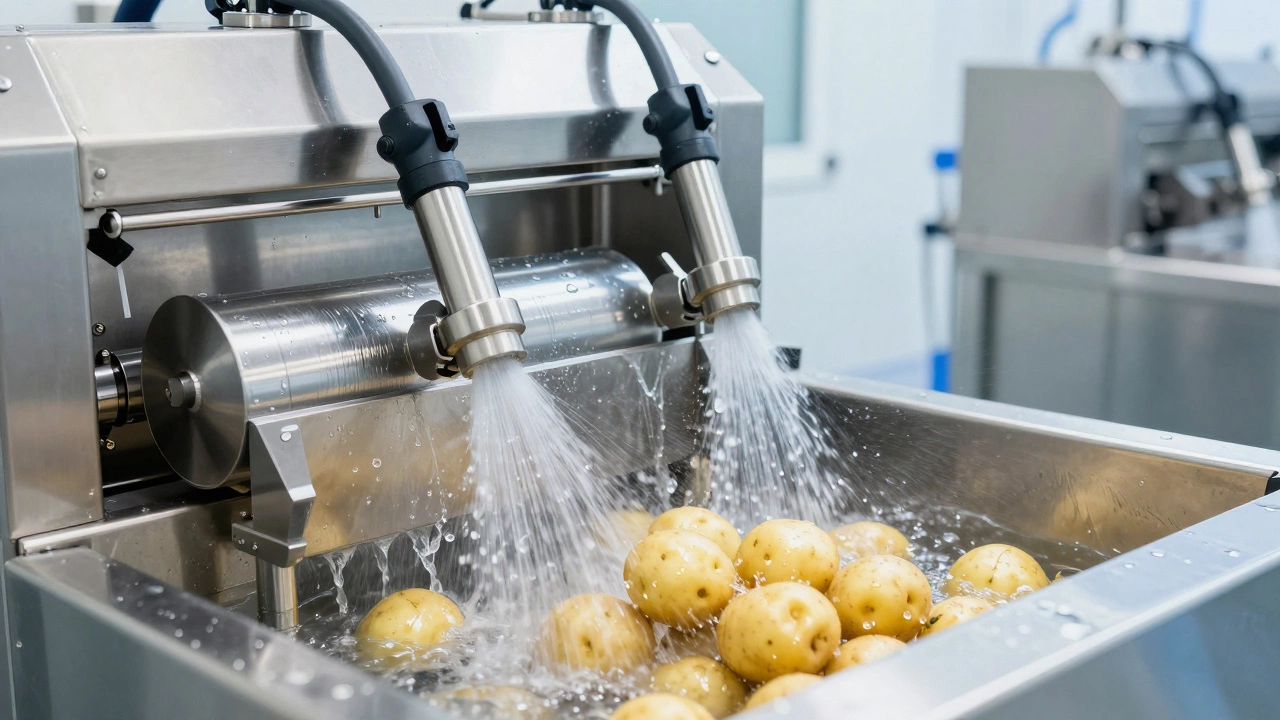
Cleaning and Washing Units are equipment designed to remove soil, pesticides, and surface microbes from raw produce. These include rotary drum washers, spray washers, and bubble flume systems. For example, potato washing lines use high-pressure water jets combined with friction brushes to remove dirt without bruising the skin.
After cleaning, the material often needs size reduction or separation. This falls under **Mechanical Processing Units**. Think of grinders, cutters, slicers, and pulpers. A tomato processing line, for instance, uses a pulper to separate skins and seeds from the juice. This stage defines the final texture of your product. If you want smooth ketchup, your mechanical units need fine mesh screens. If you want chunky sauce, you need coarser cutting blades. The choice here dictates the downstream equipment requirements.
- Grinding/Milling: Reduces particle size (e.g., flour mills).
- Slicing/Dicing: Creates uniform shapes for consistent cooking.
- Pulping: Separates solids from liquids in fruits and vegetables.
Thermal Processing: Killing Pathogens and Extending Shelf Life
This is arguably the most critical classification for food safety. **Thermal Processing Units** apply heat to destroy microorganisms and enzymes that cause spoilage. Without these units, most perishable foods would last only days. With them, they last months or years.
We can break thermal units down into two main sub-categories based on temperature and time:
- Pasteurization Units: These operate at lower temperatures (typically 60°C-85°C) for short periods. They target pathogenic bacteria like E. coli and Listeria while preserving flavor and nutrients. Common in dairy (milk), juices, and liquid eggs. Plate heat exchangers are the industry standard here due to their efficiency and rapid heating/cooling capabilities.
- Sterilization Units (UHT/Canning): These use higher temperatures (121°C+) to kill all spores and bacteria, allowing for ambient storage. Ultra-High Temperature (UHT) processors treat milk in seconds, enabling shelf-stable cartons. Retorts are pressure vessels used for canned goods, ensuring heat penetrates the center of the package.
A common mistake beginners make is confusing pasteurization with sterilization. Pasteurized milk still needs refrigeration. Sterilized milk does not. Choosing the wrong thermal unit means either unsafe food or over-processed, nutrient-depleted product.
Separation and Concentration Units
Not all processing involves adding heat. Sometimes, you need to remove components. **Separation Units** isolate desired parts of the food matrix. Centrifuges separate cream from milk. Clarifiers remove sediment from fruit juices. Filters extract oil from seeds. These units are essential for yield optimization-every drop of juice recovered is profit.
**Concentration Units** take it a step further by removing water. Evaporators and vacuum concentrators reduce the volume of liquids, making transport cheaper and extending shelf life by lowering water activity (aw). For example, orange juice concentrate is shipped globally and then reconstituted with water at local bottling plants. This saves millions in logistics costs compared to shipping full-strength juice.
| Feature | Thermal Units (Pasteurizers/Retorts) | Non-Thermal Units (HPP/Irradiation) |
|---|---|---|
| Primary Goal | Pathogen destruction via heat | Pathogen destruction via pressure/radiation |
| Nutrient Retention | Moderate to Low (heat-sensitive vitamins lost) | High (minimal degradation) |
| Flavor Impact | Can cause "cooked" taste | Fresh-like flavor preserved |
| Cost | Lower capital expenditure | Higher capital and operational cost |
| Shelf Life Extension | Medium to Long | Medium (often requires refrigeration) |
Drying and Dehydration Units
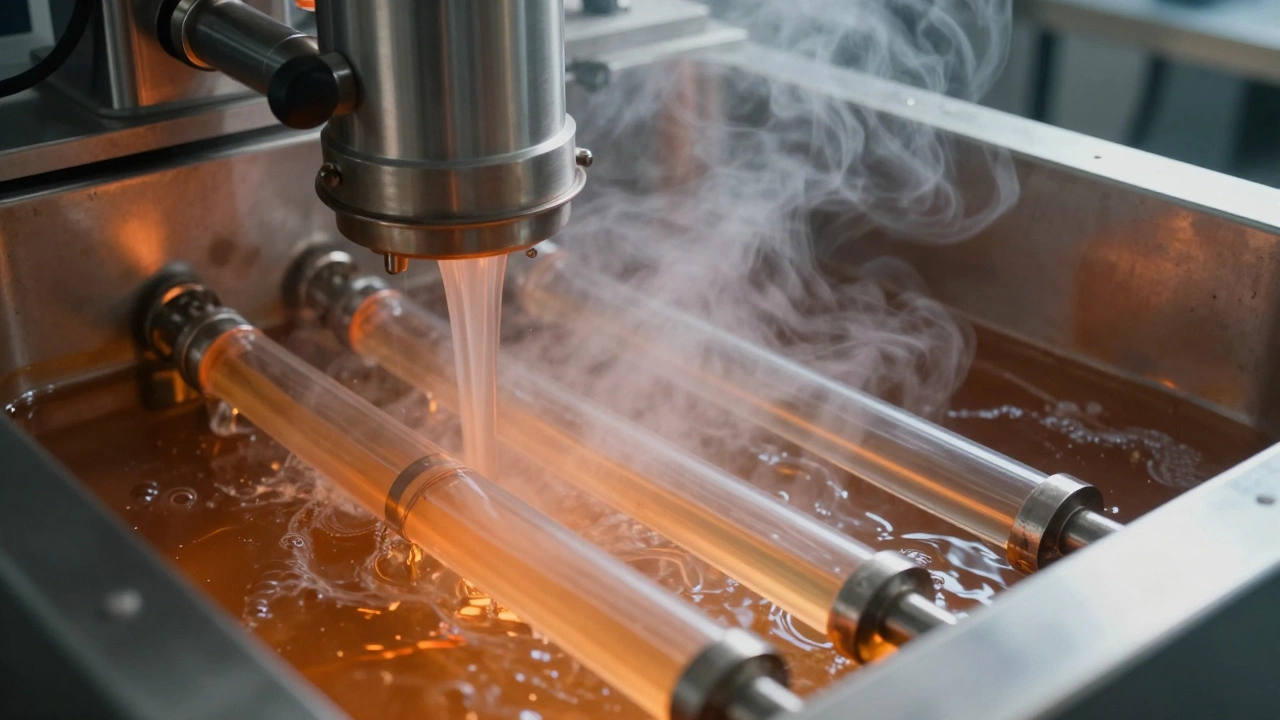
Water is the enemy of long-term storage. **Drying Units** remove moisture to inhibit microbial growth. This category includes spray dryers, drum dryers, freeze dryers, and fluidized bed dryers. The method you choose drastically affects the final product's rehydration properties and nutritional value.
For instance, spray drying is ideal for powders like milk powder or instant coffee. It atomizes liquid into hot air, drying droplets instantly. Freeze drying (lyophilization), on the other hand, sublimates ice directly into vapor under vacuum. It’s expensive but preserves structure and nutrients perfectly-think astronaut food or premium dried fruits. If you’re processing delicate herbs, freeze drying might be worth the investment. For robust grains, simple convection drying suffices.
Freezing and Cold Storage Units
While drying removes water, **Freezing Units** lock it in place as ice. Blast freezers rapidly lower the temperature of food to below -18°C, minimizing ice crystal formation that damages cell walls. Slow freezing creates large crystals that rupture tissues, leading to mushy texture upon thawing. Quick freezing keeps cells intact.
This classification also includes cold storage warehouses. These aren’t just fridges; they are climate-controlled environments with precise humidity management. Humidity control prevents freezer burn (sublimation of surface ice). A well-designed cold chain-from blast freezer to warehouse to retail display-is a series of interconnected processing units working together.
Packaging as a Processing Unit
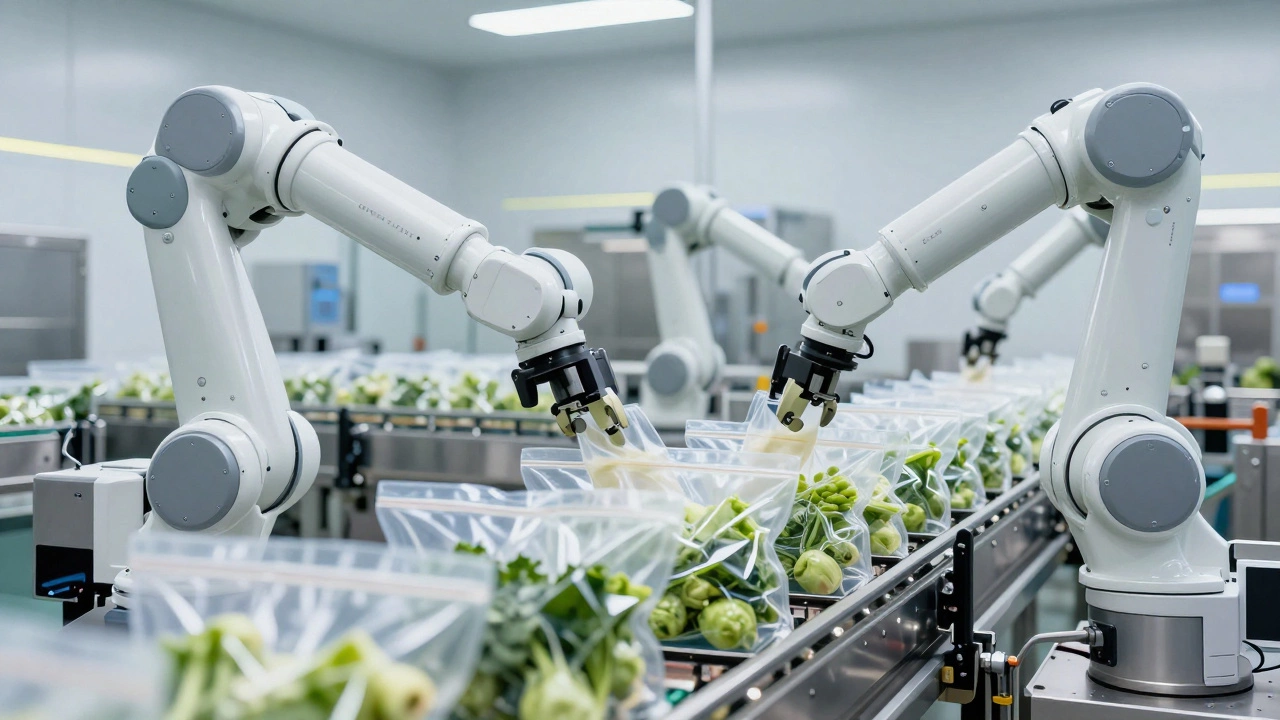
Many people view packaging as the final step, separate from processing. In reality, **Packaging Units** are integral to the preservation process. Modern packaging technologies like Modified Atmosphere Packaging (MAP) actively extend shelf life by replacing oxygen with nitrogen or carbon dioxide inside the package. Vacuum sealers remove air entirely. Both methods slow down oxidation and aerobic bacterial growth.
If your thermal processing kills bacteria but your packaging leaks, the product will spoil. Therefore, packaging integrity testing is part of the quality assurance workflow. Filling machines, cappers, labelers, and case packers must be synchronized with upstream processing speeds to avoid bottlenecks.
How to Choose the Right Classification for Your Plant
Selecting the right combination of processing units depends on three factors: your raw material, your target market, and your budget. Here is a practical decision framework:
- High Moisture Content (Fruits/Veg): Prioritize washing, cutting, and either thermal (canning) or freezing units. Consider MAP packaging for fresh-cut salads.
- Liquid Products (Milk/Juice): Focus on filtration, pasteurization/UHT, and aseptic filling units.
- Dry Goods (Grains/Nuts): Emphasize cleaning, sorting, milling, and sealing/packaging units. Drying may be needed if harvest moisture is high.
- Premium/Niche Markets: Invest in non-thermal technologies (HPP, freeze drying) to justify higher price points through superior quality.
Always start with a flow diagram. Map out every transformation the food undergoes. Identify where hazards exist (biological, chemical, physical) and ensure you have a processing unit capable of controlling each hazard. This aligns with HACCP (Hazard Analysis Critical Control Point) principles, which are mandatory in most jurisdictions.
Future Trends in Processing Unit Technology
The industry is shifting towards minimal processing. Consumers want clean labels and fresh-tasting products. This drives demand for non-thermal technologies like High-Pressure Processing (HPP) and Pulsed Electric Fields (PEF). HPP uses extreme pressure (up to 60,000 psi) to inactivate pathogens without heat. PEF uses short electrical pulses to disrupt cell membranes of bacteria. These units allow for "fresh" claims with extended shelf life, bridging the gap between raw produce and processed goods.
Automation and IoT integration are also transforming traditional units. Smart sensors now monitor temperature, pressure, and viscosity in real-time, adjusting parameters automatically to maintain consistency. This reduces human error and improves energy efficiency. As energy costs rise, selecting energy-efficient processing units becomes a financial imperative, not just an environmental one.
What is the most important processing unit for food safety?
Thermal processing units, specifically pasteurizers and sterilizers, are generally considered the most critical for food safety. They effectively destroy pathogenic microorganisms that cause foodborne illnesses. However, proper cleaning and sanitation units are equally vital to prevent cross-contamination before and after thermal treatment.
How do I decide between freezing and drying my product?
Choose freezing if you want to preserve the original texture, color, and nutrient profile of the food, and if your supply chain supports cold storage. Choose drying if you need to reduce weight for transportation, extend shelf life without refrigeration, or create a convenient snack format. Drying alters texture significantly, so consider consumer expectations.
Are non-thermal processing units worth the investment?
For premium markets targeting health-conscious consumers who value fresh taste and nutrition, yes. Technologies like HPP and PEF command higher prices because they offer better quality than thermal methods. However, the capital cost is significantly higher, and operational expertise is required. Start small or partner with a contract processor before investing heavily.
What role does packaging play in food processing classification?
Packaging is classified as a processing unit because it actively contributes to preservation. Active packaging technologies like Modified Atmosphere Packaging (MAP) and vacuum sealing control the environment around the food, slowing spoilage. Without appropriate packaging, even the best thermal processing can fail due to post-process contamination.
How has automation changed food processing units?
Automation has integrated sensors and AI into processing units, allowing for real-time monitoring and adjustment of parameters like temperature and flow rate. This improves consistency, reduces waste, and enhances energy efficiency. Automated systems also provide data logs for regulatory compliance and quality traceability, which are increasingly demanded by retailers and regulators.