Pharmacy Future India: Trends, Hubs, and What’s Next for Indian Drug Manufacturing
When we talk about the pharmacy future India, the evolving landscape of drug manufacturing, regulation, and innovation in India. Also known as Indian pharmaceutical industry, it’s not just about making pills—it’s about supplying over 40% of the world’s generic medicines, keeping healthcare affordable globally, and building a self-reliant medical supply chain.
At the heart of this future is Hyderabad pharma, India’s largest pharmaceutical hub, responsible for over 40% of the country’s drug output. Companies here don’t just copy formulas—they engineer cost-effective versions of life-saving drugs used in the U.S., Europe, and Africa. This isn’t luck. It’s the result of decades of investment in regulatory compliance, skilled labor, and R&D infrastructure. Close behind are the manufacturing clusters in pharma manufacturers India, the network of over 12,400 licensed drug producers spread across Maharashtra, Gujarat, and Karnataka, each contributing to a supply chain that moves faster and cheaper than almost anywhere else on earth.
The pharmacy future India isn’t just about volume—it’s about quality, speed, and smart scaling. With global demand for affordable medicines rising, Indian firms are investing in AI-driven production, green manufacturing, and automated quality checks. They’re also pushing into biosimilars, vaccines, and complex injectables, moving beyond simple generics. Meanwhile, the government’s PLI schemes and stricter drug inspections are pushing smaller players to upgrade or exit. The result? A tighter, more powerful industry that’s ready to lead the next wave of global pharma.
What you’ll find below are real insights into how this system works—the cities driving it, the companies leading it, the numbers behind it, and the challenges ahead. No fluff. Just facts from the factory floor.
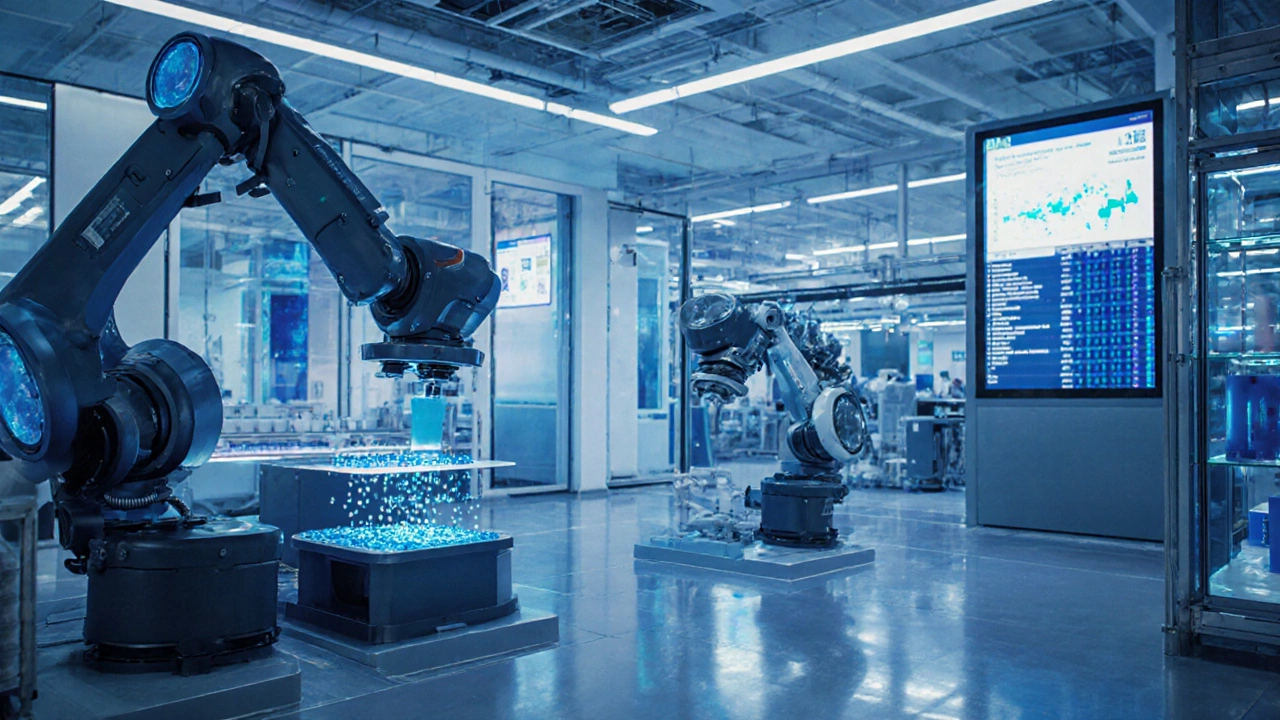
What Is the Future of Pharmacy in India? Trends, Challenges, and What’s Coming Next
India's pharmacy sector is evolving from cheap generic production to high-tech, regulated manufacturing. Learn how AI, government policies, and digital tracking are shaping the future of pharma in India.
Read More