What Is the #1 Sold Item in the World? A Manufacturing Startup Guide
Manufacturing Startup Opportunity Calculator
Configuration
Projected Annual Results
Startup Insight:
Configure your inputs to see strategic advice.
You might guess it’s smartphones. Or maybe coffee beans. Perhaps it’s t-shirts or gasoline. But if you look at raw volume-counting individual units sold across every border and market on Earth-the answer is surprisingly mundane. The number one sold item in the world isn’t a luxury good or a high-tech gadget. It is the plastic bag.
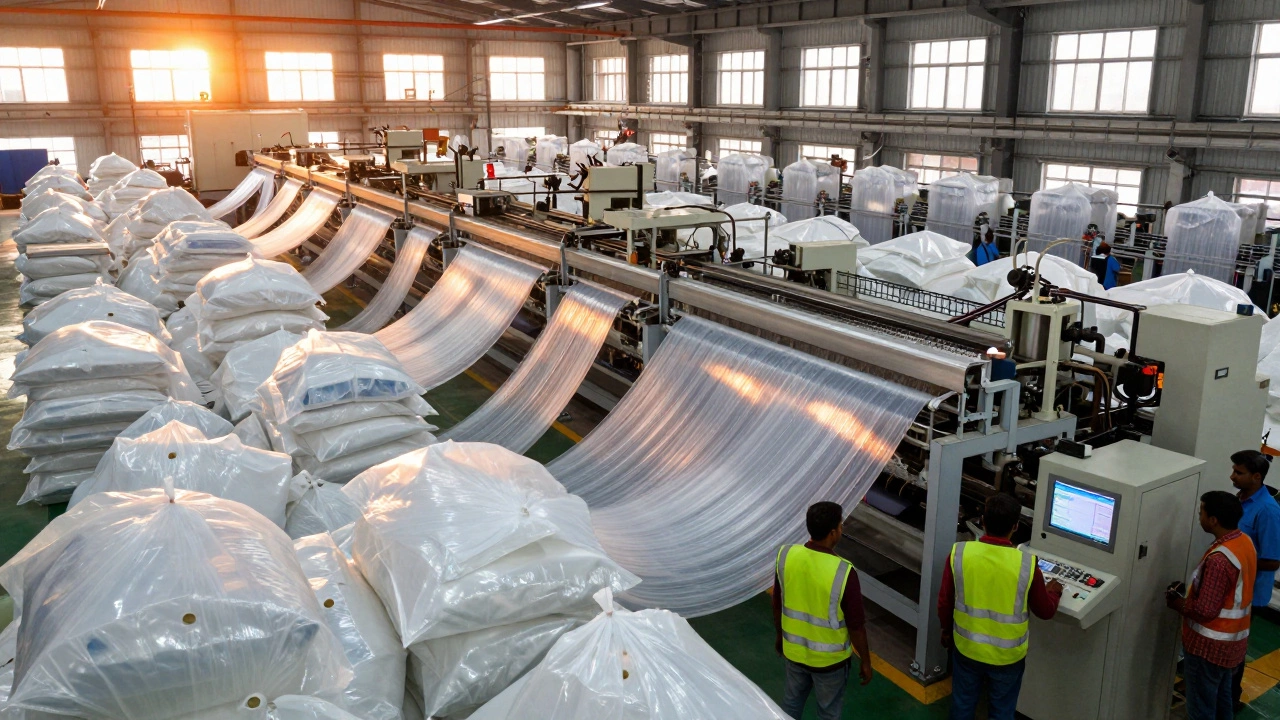
Yes, that thin, flimsy carrier for your groceries. Estimates suggest that over 5 trillion plastic bags are produced globally each year. That breaks down to roughly 1 million bags being purchased every single minute. While some sources argue for steel (by tonnage) or wheat (by bushel), when we talk about discrete, manufactured consumer units moving through retail channels, the plastic bag dominates the leaderboard by a massive margin.
Why does this matter to you? If you are looking for manufacturing startup ideas, understanding what moves in highest volume reveals where the cash flow is. High volume often means lower margins per unit, but the sheer scale creates immense opportunities for efficiency, automation, and niche specialization. Let’s break down the top contenders and how you can build a business around them.
The Volume Kings: Why Plastic Bags Rule the World
To understand the market, you have to understand the product. The standard polyethylene bag is cheap to produce, lightweight to ship, and universally demanded. Supermarkets, street vendors, hospitals, and construction sites all need them. The barrier to entry for basic bag manufacturing is relatively low compared to electronics or automotive parts, which makes it a classic entry point for small-scale manufacturers.
However, the landscape is shifting. With bans and taxes on single-use plastics in countries like Australia, India, and much of Europe, the "classic" plastic bag is facing headwinds. This doesn't mean the opportunity is gone; it means the opportunity has evolved. The demand for *carrying solutions* remains constant, but the material is changing. This pivot is where smart startups find their footing.
The Real Contenders: Other High-Volume Global Items
If you decide that plastic bags are too saturated or too regulated for your taste, there are other items that compete for the top spot depending on how you measure "sold." Here are the next biggest players in the global volume game:
- Paper Cups: The global coffee culture drives an estimated 160 billion paper cup sales annually. They are single-use, disposable, and required by every cafe from Sydney to Seattle.
- Toothbrushes: Roughly 1 billion toothbrushes are sold each year. It’s a hygiene essential with a short replacement cycle (every 3 months), ensuring steady recurring demand.
- Cigarettes: Despite declining health trends, tobacco remains a massive volume seller with over 6 trillion cigarettes consumed yearly. However, regulatory hurdles make this a difficult space for new entrants.
- Steel Rebars: If you measure by weight rather than count, steel wins. Construction never stops. As urbanization grows in Asia and Africa, the demand for reinforcement bars skyrockets.
| Item | Estimated Annual Volume | Key Market Driver | Startup Difficulty |
|---|---|---|---|
| Plastic Bags | 5 Trillion+ | Retail & Logistics | Low (High Competition) |
| Paper Cups | 160 Billion | F&B Industry | Medium |
| Toothbrushes | 1 Billion | Personal Hygiene | Medium |
| Smartphones | 1.4 Billion | Tech Adoption | Very High |
| Bicycles | 120 Million | Transport & Leisure | High |
Turning High Volume into Profit: Startup Strategies
Knowing what sells the most is only half the battle. The real challenge is capturing value in a commoditized market. You cannot simply start making generic plastic bags and expect to beat the established giants on price. Instead, you need to apply specific strategies to carve out a profitable niche.
1. Material Substitution and Innovation
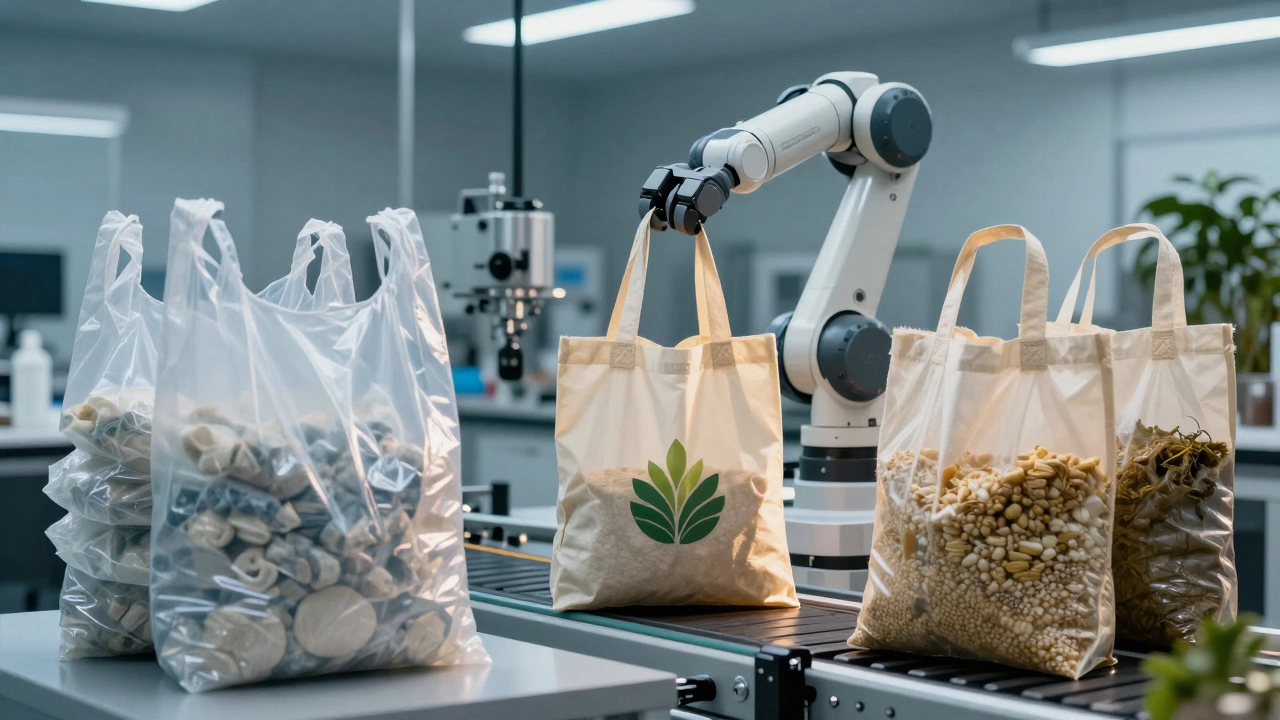
As mentioned, traditional plastics are under fire. Startups that manufacture biodegradable alternatives using cornstarch, cassava, or seaweed are seeing rapid growth. These materials cost more to produce, but they command a premium price from eco-conscious retailers. If you live in a region with strict environmental regulations, like Sydney or London, this is a golden ticket. You aren't just selling a bag; you're selling compliance and brand image for your clients.
2. Private Labeling and Customization
Brands want to be seen. A plain white paper cup is functional, but a cup with a vibrant, custom-printed logo for a local coffee chain is marketing. By offering low minimum order quantities (MOQs) for custom printing, you can serve small businesses that large factories ignore. This adds value without significantly increasing production costs.
3. Vertical Integration
Don't just sell the final product; control the supply chain. For example, instead of buying recycled pulp for paper cups, partner directly with waste management facilities to source raw material cheaper. Or, if you are in textile manufacturing, buy second-hand sewing machines and fabric off-cuts to reduce overhead. Margins in high-volume goods are thin, so every cent saved on inputs goes straight to your bottom line.
Regulatory Hurdles and Local Context
Before you invest in machinery, check your local laws. In 2026, environmental regulations are tighter than ever. In Australia, for instance, many states have banned single-use plastic bags. Starting a business based on traditional polyethylene bags here would be a dead end. However, the same ban creates a vacuum for reusable tote bags or compostable alternatives.
In contrast, emerging markets in Southeast Asia and Africa still rely heavily on conventional plastics due to cost constraints. Your strategy must match your geography. Are you solving a cost problem or a sustainability problem? Define this clearly early on.
Operational Efficiency: The Key to Survival
When you sell billions of units, a 1% improvement in efficiency is worth millions. Automation is non-negotiable. Modern extrusion lines for plastic films or rotary die-cutting machines for paper products can run 24/7 with minimal human intervention. Labor costs will eat you alive if you are competing on volume.
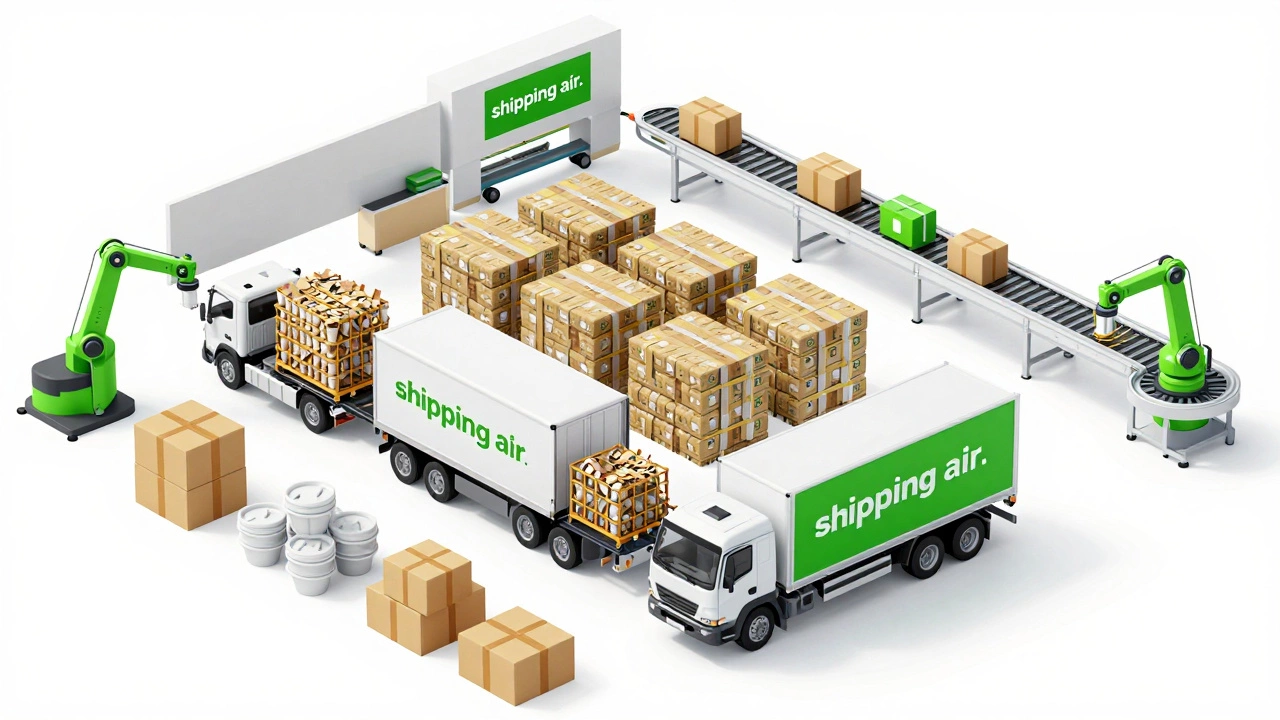
Logistics also play a huge role. Air is heavy. Shipping empty plastic bags or hollow paper cups is expensive because you are paying to move air. Invest in compacting technology. Shrink-wrapping and palletizing efficiently reduces shipping costs by up to 30%. This logistical advantage can be the difference between profit and loss.
Future Trends: What Will Replace the Bag?
The definition of the "#1 sold item" may shift in the coming decade. We are seeing a rise in digital transactions reducing the need for physical receipts and packaging. E-commerce is driving demand for cardboard boxes and protective bubble wrap, which are becoming the new high-volume staples. Smart startups are already pivoting to produce recyclable e-commerce packaging solutions.
Additionally, the circular economy is gaining traction. Products designed to be returned, cleaned, and reused (like loop-style delivery containers) are gaining traction among major brands. While the initial volume is lower than single-use items, the lifetime value of each unit is higher. This model requires a different operational approach, focusing on logistics and cleaning infrastructure rather than pure manufacturing speed.
Conclusion: Start Small, Think Big
You don't need to invent the next iPhone to build a successful manufacturing business. Sometimes, the best opportunities lie in the boring, everyday items that everyone uses. The key is to identify the friction points in the current market-whether it's environmental regulation, lack of customization, or inefficient logistics-and solve them. Whether you choose to produce biodegradable bags, custom printed cups, or specialized packaging, focus on efficiency, quality, and adapting to local regulations. The volume is there; you just need to capture it.
Is it profitable to manufacture plastic bags in 2026?
It depends on your location and the type of bags. Traditional single-use plastic bags face bans and taxes in many developed countries, making them less profitable due to compliance costs. However, manufacturing biodegradable or reusable alternatives is highly profitable due to growing consumer demand and government incentives. In regions with fewer regulations, traditional bags remain profitable but require high volume and low-cost operations to succeed.
What is the cheapest manufacturing startup idea?
One of the lowest-cost manufacturing startups is producing simple packaging materials like paper bags or basic plastic wrappers. The machinery required for small-scale extrusion or cutting is relatively affordable compared to electronics or automotive manufacturing. Additionally, raw materials like recycled paper or basic polymers are widely available and inexpensive, allowing for quick setup and low initial capital expenditure.
How do I find buyers for high-volume manufactured goods?
Focus on B2B relationships. Approach local supermarkets, restaurants, and retail chains directly with samples. Highlight unique selling points such as eco-friendly materials, custom branding options, or faster delivery times. Online B2B marketplaces like Alibaba or ThomasNet can also help connect you with larger distributors. Building long-term contracts with a few key clients is more sustainable than chasing one-off orders.
Are paper cups a better investment than plastic bags?
Paper cups often offer better margins because they are perceived as a higher-quality product, especially in the food and beverage industry. While plastic bags have higher volume, the competition is fierce and prices are razor-thin. Paper cups allow for customization and branding, which adds value. However, the market for paper cups is also growing rapidly, so differentiation through design or sustainable sourcing is crucial.
What regulations should I check before starting a packaging manufacturing business?
You must check local environmental laws regarding single-use plastics, waste disposal, and recycling standards. In many countries, there are taxes on non-recyclable materials. Additionally, ensure your products meet food safety standards if you are producing items that come into contact with food, such as cups or food-grade bags. Compliance with these regulations can prevent costly fines and open doors to government contracts.