Textile Exports: India’s Global Fabric Trade and Key Markets
When we talk about textile exports, the sale of fabrics, garments, and home textiles from one country to another. Also known as fabric trade, it’s one of India’s oldest and most reliable sources of foreign income. India doesn’t just make clothes—it makes the world’s clothes. With over 115 million metric tons of textile output in 2024-25, India holds the third spot in global textile production. But production alone doesn’t pay the bills. It’s the export side that turns yarn into revenue, factories into jobs, and small towns into global suppliers.
Most of these exports come from clusters you’ve probably never heard of—Surat, Tiruppur, Ludhiana, and Ahmedabad. Surat alone produces over 80% of India’s synthetic fabrics and ships them to the U.S., EU, UAE, and Bangladesh. Tiruppur handles the bulk of knitwear, sending millions of T-shirts and underwear overseas every month. These aren’t just factories. They’re ecosystems: spinning mills, dye houses, stitching units, and logistics hubs working in sync. And they’re not just making cheap goods—they’re making compliant, certified, and increasingly sustainable products that meet EU and U.S. standards.
The real story behind textile exports, the sale of fabrics, garments, and home textiles from one country to another. Also known as fabric trade, it’s one of India’s oldest and most reliable sources of foreign income. isn’t just volume. It’s variety. From handwoven Banarasi silk to high-tech technical textiles used in medical and automotive sectors, India’s export basket is diversifying. The government’s PLI scheme is pushing manufacturers to upgrade machinery and cut waste. Meanwhile, countries like Vietnam and Bangladesh are rising, but India still has the edge: scale, speed, and a workforce that’s been doing this for generations.
What’s changing? Buyers now want traceability. They ask: Where was the cotton grown? Was the dyeing process eco-friendly? Did workers get fair pay? Indian exporters are answering with digital tags, recycled fibers, and certifications like GOTS and OEKO-TEX. It’s no longer enough to be cheap. You have to be clean, clear, and credible.
Below, you’ll find posts that break down exactly how this works—from the fabric capital of India to the countries buying the most, and how startups are joining the export game without needing a billion-dollar factory. Whether you’re a supplier, a buyer, or just curious how your T-shirt ended up here, these insights will show you the real engine behind India’s textile success.
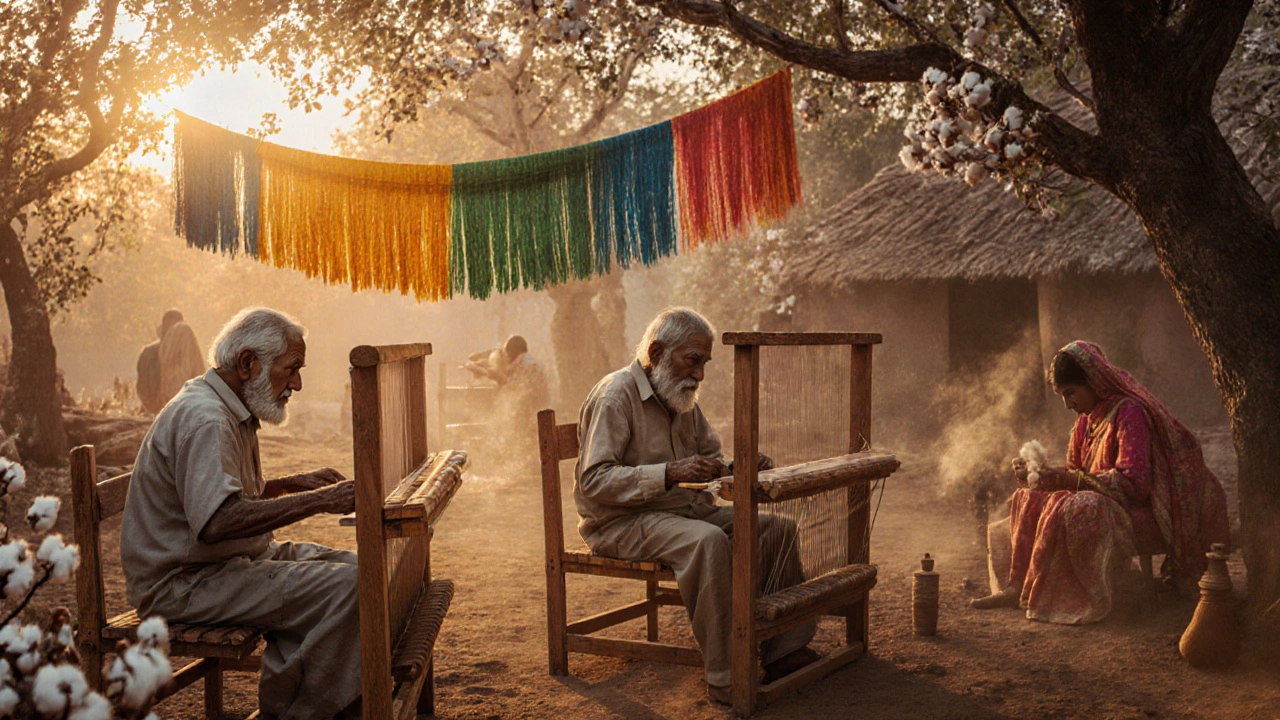
Which Country Is Best in Textile? India Leads in Production, Export, and Craftsmanship
India leads the global textile industry with unmatched craftsmanship, organic cotton production, and a vast network of handloom weavers. It’s the top exporter of premium fabrics and the best choice for ethical, high-quality textile sourcing.
Read MoreRecent Posts
-
Who Is the No. 1 Car Manufacturer in India?
-

Which Country Makes the Best Cars? Real Rankings Based on Quality, Innovation, and Reliability
-
What Are the Units of the Food Industry? Types Explained
-
What Is the Biggest Plastic Producer Company in the World?
-
Who Oversees Manufacturing? Government Bodies and Schemes That Keep Factories Running