What Kind of Furniture is Exported from India? Top Types and Materials
Indian Furniture Sourcing Matchmaker
Use this tool to align your sourcing strategy with India's specialized manufacturing clusters and ensure regulatory compliance.
Your Requirements
Select your category and destination to see matched manufacturing clusters.
Sourcing Recommendation
Optimal Match--
--
--
Compliance Checklist
- Check CITES agreements.
When you think about global supply chains, India stands out as a massive hub for craftsmanship. It isn't just about raw numbers; it is about the diversity of materials and styles leaving Indian ports every month. If you are looking to import or understand the market, knowing exactly what kind of furniture is exported from India changes how you source.
The market has evolved significantly over the last few years. While traditional carved solids dominate the historical reputation, modern buyers want engineered wood solutions that balance cost and aesthetics. The export ecosystem here relies heavily on state-level clusters, where specific towns specialize in specific outputs. This localization creates a unique advantage for quality control but adds complexity if you don't know the geography.
Dominance of Solid Wood Furniture
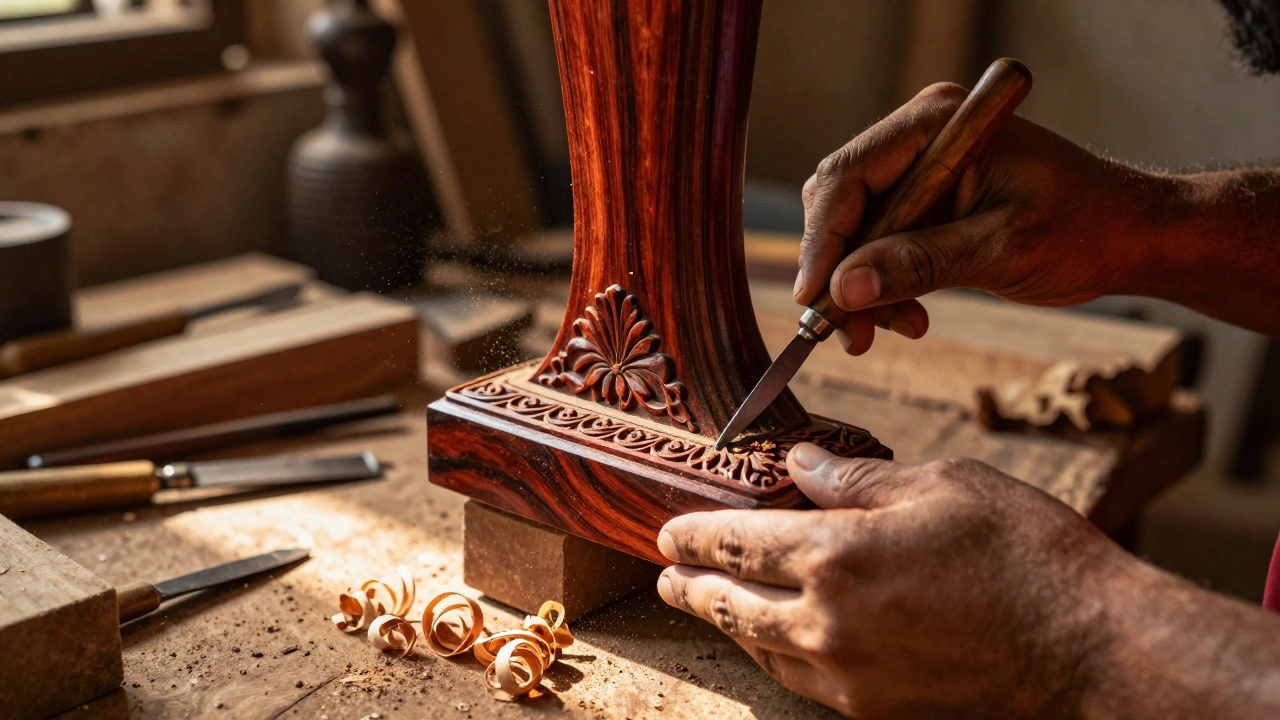
Wood remains the backbone of Indian furniture production. Specifically, hardwoods command the highest value in international shipments. You will frequently see Sheeshwood a durable tropical hardwood native to Northern India known for its intricate carving capabilities. This material is popular because artisans can create deep relief carvings that mass-production machinery cannot replicate easily elsewhere.
Mango Wood a sustainable timber harvested from non-fruit-bearing mango trees is another heavy hitter. Unlike teak, which faces strict logging bans due to conservation efforts, mango wood provides a legal, eco-friendly alternative with a warm grain pattern similar to oak. Suppliers often export this in semi-finished states to reduce shipping weight costs.
Engineered wood products have also gained traction. Buyers in North America and Europe prefer plywood core structures with veneer overlays because they are lighter to ship and less prone to warping in different humidity zones. The shift towards Engineered Wood signifies a move from purely luxury items to affordable mid-market ranges.
Rattan, Cane, and Wicker Exports
Beyond hard timber, India holds a strategic position in natural fiber furniture. The western regions, particularly Rajasthan, are renowned for processing raw cane into finished goods. Rattan Furniture lightweight, flexible outdoor and indoor furniture made from palm stems finds a massive market in countries with hot climates or those seeking bohemian interior styles.
This category includes chairs, daybeds, and decorative storage units. The advantage lies in labor efficiency. Skilled weavers in districts like Jodhpur and Udaipur can produce complex interwoven patterns quickly. For exporters, the challenge is often treating the material against termites without compromising the texture. Most reputable manufacturers now apply chemical treatments that meet EU safety standards before crating.
| Material Type | Primary Region | Main Market Destination |
|---|---|---|
| Sheeshwood | Uttar Pradesh / Haryana | USA / Europe |
| Mango Wood | Maharashtra / Gujarat | Australia / UK |
| Rattan / Cane | Rajasthan | Middle East / Europe |
| Polished Stone | Rajasthan / MP | Gulf Countries |
Key Manufacturing Clusters and Geography
You cannot talk about exports without mapping the production zones. Each cluster has developed its own supply chain infrastructure. For example, Jaipur the capital of Rajasthan, a major hub for stone and brass craft integration acts as the gateway for decorative pieces. The city integrates furniture with brass inlay work, creating high-ticket items that appeal to niche collectors.
On the other hand, the industrial belt around Delhi and Ludhiana focuses on volume. These hubs utilize heavy machinery for cutting and assembly. They are better suited for orders requiring thousands of identical units rather than bespoke single pieces. This distinction matters when negotiating minimum order quantities (MOQs).
In the southern part of the country, cities like Coimbatore and Chennai have emerged as leaders for outdoor furniture. Their proximity to seaports reduces inland transportation costs, which improves the final landed price for overseas clients. Proximity to ports is a critical economic factor that buyers often overlook when prioritizing solely on design.
Metal, Glass, and Modern Trends
While wood defines tradition, modern commercial contracts are shifting towards mixed media. Stainless steel welding and powder coating have become standard expectations. Manufacturers in Gujarat are leading this sector, producing dining sets and office furniture frames that resist corrosion.
Glass surfaces are typically added locally by the exporter or in the destination country to prevent breakage. However, fully assembled glass-top coffee tables are still shipped via specialized crates. The rise of "Industrial Style" furniture has boosted demand for these combinations. A typical piece might combine black powder-coated iron legs with reclaimed wood tops.
Smart furniture integration is an emerging niche. Some forward-thinking workshops in Bangalore are embedding USB charging ports into bedside tables. This represents the next wave of export growth, moving beyond static design into functional technology. As consumers in 2026 prioritize home offices, these features add significant value.
Compliance and Export Regulations
Shipping furniture across borders involves navigating complex legal frameworks. The biggest hurdle is often proof of origin and wood legality. International Customs require documentation proving the timber wasn't sourced illegally. The CITES Agreement an international treaty ensuring endangered species are not traded unsustainably governs many precious woods. Exporters must provide permits confirming their materials comply with these treaties.
Sustainability certifications are no longer optional. The Forest Stewardship Council (FSC) label is a prerequisite for entry into premium Western markets. Without FSC documents, your cargo may face delays or rejections at customs. Reputable factories maintain audit-ready records detailing every tree's harvest location.
Tariffs also play a role. Recent trade adjustments in 2025 influenced pricing structures. Buyers need to monitor duty slabs under specific Free Trade Agreements (FTAs). Utilizing the Right Goods Tariff codes can sometimes save significant money on imports, making the knowledge of Harmonized System (HS) Codes vital for importers.
Quality Control and Logistics
Once production ends, the focus shifts to packing. Furniture is bulky and fragile. Air freight is rarely viable due to cost; sea freight dominates the logistics network. Packaging is customized based on the product type. Carved sofas require corner protection and void filling to prevent scratches during transit.
Quality assurance usually happens at two stages. First, pre-shipment checks happen on the factory floor. Inspectors verify dimensions, finish consistency, and structural stability. Second, a random third-party inspection often occurs before loading containers. This dual-check system minimizes returns once goods arrive in the US or Europe.
Moisture content control is critical for wood products. Shippers must ensure the wood is kiln-dried to below 12% moisture before crating. Failure to do so leads to mold growth inside the container, which ruins the entire shipment regardless of the destination climate.
Frequently Asked Questions
Which wood is most popular for export?
Sheeshwood and Mango wood are the most popular choices. They offer durability and attractive grain patterns while remaining compliant with environmental regulations compared to restricted timbers.
Are there restrictions on exporting furniture from India?
Yes, you must comply with CITES regulations for protected species. Additionally, you need to adhere to the country of destination’s phytosanitary laws and provide proof of timber legality.
Where is the furniture manufactured?
Major production hubs include Jaipur, Ludhiana, Delhi-NCR, and Surat. These clusters specialize in different materials like stone, metal, and soft furnishings respectively.
Is rattan furniture safe to export?
Yes, rattan is safe but requires treatment against pests. Reputable exporters treat cane and wicker with anti-termite chemicals before sealing them in moisture-proof packaging.
Do I need an agent to buy Indian furniture?
Using a sourcing agent is recommended for bulk orders. They handle compliance checks, negotiate shipping rates, and conduct factory audits to ensure quality meets international standards.

Recent Posts
-

Which Indian Wood is Strongest? A Guide for Furniture Makers
-

India's Oldest Pharma Company: A Look at Bengal Chemicals & Pharmaceuticals
-

What is the Biggest Steel Mill in the United States? US Steel Gary Works
-

Who is the Main Exporter of Plastic? Top Countries and Companies in 2026
-
Who is the Largest Steel Fabricator in the United States?